Lane Departure Warning System After Windshield Service
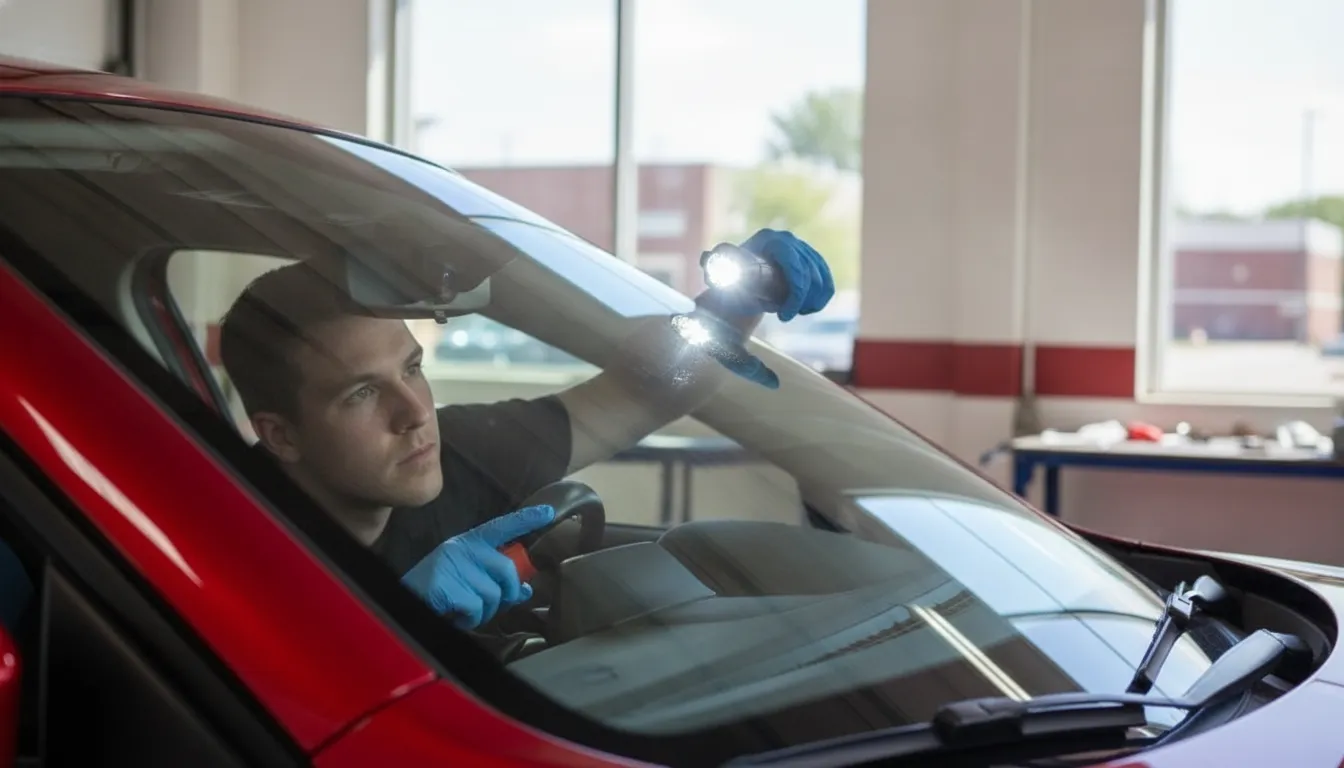
A windshield can do more than protect you from wind and road debris. On many newer vehicles, it also works alongside driver-assistance technology that watches the road ahead. That makes windshield damage or replacement worth considering from both a visibility and vehicle-safety perspective.
A lane departure warning system monitors lane markings and vehicle position, then may provide a visual, audible, or vibration alert when the vehicle begins to drift. Some systems rely on a forward-facing camera mounted near the windshield, so a blocked view, changed camera position, glass-fit issue, or required manufacturer procedure can affect operation. Model-specific requirements vary, and only a qualified technician can determine what inspection or calibration is appropriate.
If you notice unexpected warnings, a camera-blocked message, or changed driver-assistance behavior after windshield damage or replacement, consult your owner's manual and arrange an inspection. First, it helps to understand what this technology is designed to do and how it uses roadway markings.
What Is a Lane Departure Warning System?
Answer: A lane departure warning (LDW) system monitors the vehicle's position in its lane and alerts the driver when the vehicle approaches or crosses a lane marker. Depending on the vehicle, the warning may appear visually, sound audibly, or be felt as vibration through the steering wheel or seat. The feature is designed to bring your attention back to the road, not to take responsibility for driving away from you.
Many LDW systems use a camera or other sensor to identify roadway markings and track the vehicle's position. Because the feature relies on visible lane lines, its performance can vary when markings are missing, worn, obscured, or difficult to see. The National Highway Traffic Safety Administration (NHTSA) describes lane departure warning as a recommended safety technology, but driver-assistance features remain support systems rather than substitutes for attentive driving. See the NHTSA overview of driver-assistance technologies for additional safety guidance.
How is lane departure warning different from lane keeping assistance?
Lane departure warning primarily alerts you to possible unintended movement toward or across a lane marker. It may show an icon on the instrument panel, produce a chime, or provide a vibration so you can evaluate the situation and steer as needed.
Lane keeping assistance goes a step further in vehicles equipped with that function. After warning the driver, it may apply steering input when the vehicle begins to leave its lane. Lane centering assistance is another related feature that can help keep a vehicle centered. These functions are not interchangeable, and their names, behavior, and limits differ by vehicle and manufacturer.
| Feature | Primary purpose | What the driver may notice |
|---|---|---|
| Lane departure warning. | Alerts when the vehicle may drift toward or across a lane marker. | Dashboard symbol, chime, or vibration. |
| Lane keeping assistance. | May add steering input after detecting lane departure. | Steering support that varies by vehicle. |
| Lane centering assistance. | May help position the vehicle near the center of a lane. | Ongoing steering assistance with driver supervision. |
What kinds of warnings can drivers receive?
Visual alerts can include a dashboard symbol or a message. Audio alerts may use a chime or other warning sound. Some systems use vibration to draw attention without relying on sound. A warning does not automatically identify the cause of the vehicle's movement, and it should not be treated as a diagnosis of a sensor, windshield, or alignment problem.
If an alert appears repeatedly, consult the vehicle owner's manual and have the concern evaluated by a qualified technician. After windshield damage or replacement, the camera view, glass fit, and manufacturer-specific procedures may matter, but requirements vary by vehicle. Drivers in the Kansas City metro can review Avision's windshield replacement and ADAS calibration information when considering their next step.
How Does the Windshield Camera Support Lane Warnings?
Answer: In vehicles that use a windshield-area forward-facing camera, the camera reads visible lane markings and helps estimate the vehicle's position relative to those markings. If the vehicle begins to drift unintentionally, the lane departure warning system may provide a visual, audible, or vibration alert. The exact sensor location, operating conditions, and service requirements vary by vehicle, so consult the owner's manual and a qualified technician for model-specific guidance.
What the camera is looking for
Many lane warning systems use a video camera mounted behind the windshield, often near the rear-view mirror, to observe the road ahead. Bosch describes this type of system as using a video camera to detect lane markings and monitor the vehicle's position within its lane. The system then compares the vehicle's movement with the markings it can recognize. Learn more about camera-based lane detection.
Lane markings are central to that process. Clear, continuous or dashed lines give the system reference points. Faded markings, unusual road layouts, construction zones, weather, glare, or an unmarked edge can limit what it can interpret. A warning system is not a substitute for attentive driving. It may not operate in every road condition. NHTSA describes driver-assistance technologies as tools that support the driver, not replacements for the driver's attention and control.
Why the windshield and mounting position matter
The camera needs a consistent, unobstructed view through the glass. Dirt, moisture, stickers, tint, cracks, chips, or other damage in the camera's viewing area can interfere with what the sensor sees. A windshield replacement also involves more than fitting a piece of glass into the opening. The replacement glass, camera bracket, camera position, and vehicle-specific procedures may all matter.
That does not mean every vehicle requires the same calibration process after glass service. Some vehicles may have different camera designs, mounting arrangements, or manufacturer instructions. Modern windshields can integrate with ADAS features, including lane-departure warnings, and replacement may therefore require calibration. When needed, ADAS calibration should follow the vehicle manufacturer's requirements and be handled by a qualified provider. See Avision's windshield replacement and ADAS recalibration information for more context.
If a lane warning behaves differently after windshield damage or replacement, note the message or alert and review the owner's manual. Do not assume the warning identifies one specific fault. A professional inspection can determine whether the concern relates to visibility, mounting, calibration, road conditions, or another vehicle system.
What Changes After Windshield Damage or Replacement?
Answer capsule: After windshield damage or replacement, check the area in front of any windshield-mounted camera, review new warning messages, and ask which manufacturer procedures apply to your vehicle. A warning does not identify one specific problem, and not every replacement requires calibration.
- Look at the camera's view from the driver's seat. Many lane departure warning systems use a forward-facing video camera mounted behind the windshield, often near the rear-view mirror. Check for a crack, chip, haze, adhesive, protective film, dirt, or anything else in the camera's viewing area. Do not try to diagnose the camera or its software from appearance alone. If damage is in or near that area, ask a qualified technician whether windshield repair options are appropriate or whether the glass should be replaced.
- Ask what glass and fit were used. The replacement windshield should match the vehicle's specifications, and the glass should sit correctly in its opening. Ask the installer to confirm that the glass selected for your vehicle is appropriate for its driver-assistance features. Avision's guidance describes OEM or equivalent quality glass and alignment to manufacturer specifications, but the exact requirements vary by make, model, trim, and equipment. For a replacement, review the auto glass replacement service details and ask what applies to your vehicle.
- Review the owner's manual for system messages. Start the vehicle and note any new camera, lane-departure, driver-assistance, or visibility warning. Write down the exact wording, when it appears, and whether it clears after the vehicle is restarted. Road markings, weather, and other driving conditions can affect lane warnings, so one alert is not automatically proof of a glass or camera defect. Treat persistent or unexpected messages as a reason to seek an inspection rather than a remote diagnosis.
- Ask whether the manufacturer calls for a procedure. Depending on the vehicle, windshield position, camera arrangement, and service history, the manufacturer or qualified service provider may specify inspection, calibration, or another verification step. Calibration is not automatic for every replacement. Ask the technician to check the vehicle-specific procedure and explain what was completed, instead of assuming that every lane departure warning system uses the same setup.
- Confirm safe drive-away and follow-up instructions. Follow the installer's guidance about adhesive curing, protective tape, and when to drive. If the glass fit looks unusual, the camera view remains obstructed, or driver-assistance behavior changes after service, contact the installer or another qualified technician promptly. Until the issue is checked, remain fully attentive and do not rely on lane warnings as a substitute for steering, roadway awareness, or safe following practices.
These checks help you describe what changed after service without assigning a cause that requires an in-person inspection. Keep the work order and any warning-message notes available so the technician can compare them with the vehicle manufacturer's requirements.
When Should a Lane Departure Warning System Be Inspected?
Answer: Arrange a prompt inspection if the lane departure warning system gives repeated or unexpected alerts. Displays a camera-blocked or unavailable message, or behaves differently after windshield damage or service. Visible damage, distortion, dirt, or anything that appears to obstruct the camera area also deserves attention. These signs do not identify one specific fault. They are reasons to consult the owner's manual and a qualified technician.
Repeated or unexpected alerts
A warning that appears when you are not intentionally changing lanes may have several explanations. Road markings, weather, visibility, and the vehicle's own operating conditions can affect when the feature responds. However, repeated alerts on familiar, clearly marked roads, or a noticeable change from the system's normal behavior, should not be dismissed.
Depending on the vehicle, the alert may be visual, audible, or delivered through steering-wheel vibration. Lane departure warning is designed to support your awareness, not replace it. If an alert occurs, keep your attention on the road, steer safely as needed, and use your turn signal when changing lanes. NHTSA describes driver-assistance technologies as support for attentive drivers, not substitutes for attentive driving. Learn more about driver-assistance safety from NHTSA.
Camera-blocked messages or a changed view
Take a camera-blocked, camera-unavailable, or similar dashboard message seriously, especially if it persists after you have safely stopped and checked the area identified in the owner's manual. Do not assume that cleaning one spot will resolve every warning. The relevant sensor location and the manufacturer's recommended checks vary by vehicle.
Also look for visible damage, distortion, contamination, or anything unusual around the windshield area in front of the forward-facing camera. A crack, chip, replacement-glass concern, or mounting issue can affect the camera's view. Do not try to diagnose alignment by eye or assume that every warning means calibration is required. The vehicle manufacturer or service provider determines what inspection or calibration procedure applies.
System changes after windshield service
If the feature behaves differently after a windshield repair or replacement, report the change to the glass professional or a qualified technician. Relevant symptoms can include persistent lane-departure warnings, poor camera visibility, unexpected alerts, or other changed driver-assistance behavior. Keep the service date and the exact dashboard message available, and note whether the warning appears only in certain conditions.
For additional background, review this guide to ADAS calibration after replacement. Until the concern is checked, treat the feature as unavailable and drive using your own observation, lane awareness, and normal safety practices. Never rely on a lane departure warning system to correct an unsafe situation for you.
How Can Kansas City Drivers Respond Safely?
Answer: If your lane departure warning system behaves unexpectedly, stay attentive and reduce distractions. Respond to the situation rather than trying to diagnose it while driving. Pull over when it is safe, review the owner's manual, document what you observed. And arrange an inspection if the warning continues or began after windshield damage or replacement.
Start with the road. A warning does not replace active driving, and it may be affected by lane markings, weather, visibility, or vehicle-specific settings. If the vehicle is drifting, the camera view appears obstructed, or the system gives repeated alerts, keep both hands ready. Maintain a safe speed, and move to a safe shoulder, parking area, or other legal stopping place when conditions allow. Do not reach for the camera area or attempt repairs while the vehicle is moving.
Check the manual before assuming the cause
Once parked, read the section of your owner's manual covering lane-departure warnings, forward-facing cameras, and driver-assistance alerts. The manual can explain indicator colors, temporary conditions, and cleaning instructions. It may also explain whether your vehicle uses a warning-only feature or one that provides steering assistance. Requirements vary by make, model, year, and equipment package. A warning alone is not enough to identify a specific fault.
Write down when the alert appeared and what was happening at the time. Note whether the windshield was recently chipped, cracked, repaired, or replaced. Also note whether the alert occurs only in rain or bright sunlight, and whether a camera-blocked message or unusual steering response appears. A photo of visible glass damage or the dashboard message can help the technician understand the concern. Do not clear a warning just to make it disappear before the inspection.
Ask for the right inspection
Tell the technician that you want the windshield, camera area, mounting, glass fit, and relevant driver-assistance functions considered together. Ask whether the manufacturer procedure calls for testing or ADAS calibration for your specific vehicle after the glass work. Not every vehicle uses the same camera setup, and not every lane-departure warning requires the same service.
For drivers in Lenexa, Overland Park, and throughout the Kansas City metro, Avision Auto Glass provides mobile auto glass service. The team can discuss windshield repair, replacement, and ADAS-related inspection needs. It can explain what applies to your vehicle and direct you to the appropriate next step. You can also review the ADAS calibration process after replacement before scheduling service.
Request your free same-day quote and ask about the earliest available appointment.
Frequently Asked Questions
Can a windshield replacement affect a lane departure warning system?
It can, because some vehicles use a forward-facing camera mounted behind the windshield to read lane markings and track vehicle position. The vehicle manufacturer or qualified service provider determines whether calibration is required, so check your owner's manual and ask about the model-specific procedure after replacement. Avision's replacement guidance explains why modern glass service may involve ADAS calibration.
What should I do if the warning continues after windshield damage?
Arrange a prompt inspection if the warning persists, the vehicle displays a camera-blocked or system-unavailable message, the camera view looks obstructed, or driver-assistance behavior changes unexpectedly. These signs do not identify one specific fault. A qualified technician needs to review the vehicle, glass fit, camera view, and applicable manufacturer procedures.
Does lane departure warning steer the vehicle back into its lane?
Not necessarily. A lane departure warning system alerts you when the vehicle approaches or crosses lane markers, often with a visual, audible, or vibration warning. Lane keeping or lane centering features may provide steering assistance, but the available functions vary by vehicle. Treat every alert as support, not a substitute for attentive driving. NHTSA describes driver-assistance technologies as systems that support drivers.
Is lane departure warning the same as blind spot monitoring?
No. Lane departure warning focuses on lane markings and whether the vehicle is drifting from its lane. Blind spot monitoring addresses vehicles beside or behind you that may be difficult to see. Both features vary by make and model, so your owner's manual is the best source for the warning symbols and operating conditions in your vehicle.
Ready to ask about your windshield?
If windshield damage or replacement may have affected a camera-based safety feature, a professional review can help clarify the next step for your vehicle. Request a free same-day quote and ask about the earliest available mobile auto glass appointment. Contact Avision Auto Glass online, or call (913) 314-5720.