
Windshield ADAS Calibration: Why It Matters
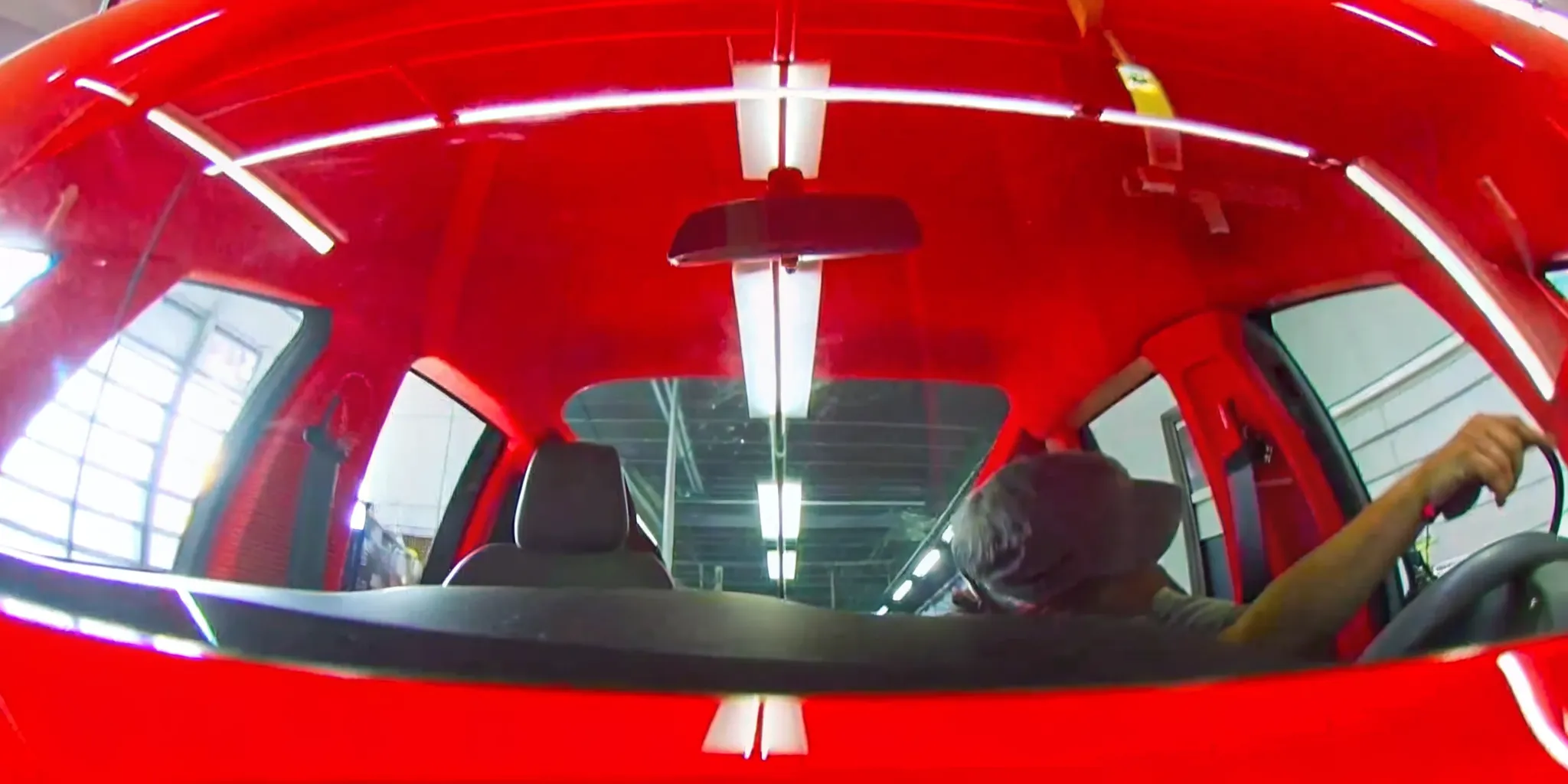
A windshield replacement can restore a clear view of the road, but the job may not be finished when the new glass is installed. If your vehicle has a forward-facing camera mounted near the rearview mirror, replacing the windshield can change the camera's position or view. Windshield ADAS calibration checks and resets that camera so supported driver-assistance features can operate according to the vehicle manufacturer's requirements.
Request a free same-day windshield replacement quote from Avision Auto Glass. Tell our Kansas City team your vehicle year, make, model, and trim so we can identify the glass and determine whether calibration may be required.
Advanced Driver Assistance Systems, commonly called ADAS, can include lane departure warnings, forward collision alerts, automatic emergency braking, and adaptive cruise control. These features assist the driver, but they do not replace attentive driving. Proper calibration helps the camera interpret its view through the new windshield as intended.
What is windshield ADAS calibration?
Windshield ADAS calibration is a manufacturer-specified process that checks and adjusts a vehicle's forward-facing camera after windshield service. It helps the camera correctly interpret lanes, vehicles, and other road information used by supported driver-assistance features.
Many late-model vehicles place an ADAS camera in a bracket attached to the windshield. The camera looks through a defined area of glass, and its aiming angle is precise. During replacement, the camera may need to be disconnected or moved. Differences in glass geometry, bracket placement, ride height, tire pressure, or camera position can also affect the system's view.
Calibration uses diagnostic software and procedures specified for the vehicle. A technician first identifies which systems are present and checks for diagnostic trouble codes. Depending on the manufacturer's instructions, the process may use physical targets, a controlled road drive, or both. The goal is not to add a new feature. It is to confirm that the existing camera and related systems recognize their reference points after the windshield work.
Not every vehicle has a windshield-mounted ADAS camera, and not every windshield service requires the same procedure. That is why vehicle identification matters at the quote stage. A VIN, year, make, model, and trim can help distinguish between visually similar windshields with different camera brackets, coatings, or sensor provisions.
Why is calibration needed after windshield replacement?
Calibration may be needed because windshield replacement can alter the camera's mounting position or optical view. Even when the new glass fits correctly, the vehicle manufacturer may require the camera to be recalibrated before supported ADAS features are relied upon.
The camera behind the windshield does more than record a picture. Its software uses the image to estimate where lane markings, vehicles, and other objects are located relative to your car. A small aiming difference can affect those calculations. The change may not be obvious from the driver's seat, and a warning light does not always explain the full condition of every system.
Manufacturer procedures commonly call for calibration after operations that disturb the camera or affect vehicle geometry. Windshield replacement is one of those operations on many camera-equipped vehicles. Suspension work, wheel alignment, collision repair, camera replacement, or changes in ride height may also trigger a calibration requirement.
Proper glass selection is part of the process. Features such as a camera bracket, rain sensor area, acoustic layer, tint band, and head-up display compatibility can vary by trim. Avision Auto Glass uses OEM or equivalent-quality glass matched to vehicle specifications and provides auto glass repair and calibration support when needed.
Which safety features can depend on the windshield camera?
A windshield camera may support lane departure warning, lane-keeping assistance, forward collision warning, automatic emergency braking, traffic-sign recognition, or adaptive cruise control. The exact feature set varies by vehicle, trim, and option package.
ADAS is an umbrella term, not one universal system. Two vehicles that look alike can use different cameras, radar sensors, and calibration methods. A camera may work alone or share information with radar, ultrasonic sensors, steering-angle sensors, and other modules. This is why a technician follows vehicle-specific instructions instead of using one generic reset for every car.
- Lane departure warning monitors lane markings and may alert the driver when the vehicle drifts.
- Lane-keeping assistance may provide steering input when the system detects unintended movement from a lane.
- Forward collision warning can alert the driver when the system identifies a possible frontal collision.
- Automatic emergency braking may apply braking in certain conditions when a collision risk is detected.
- Traffic-sign recognition can display supported road-sign information when conditions allow.
- Adaptive cruise control may use camera and radar data to help maintain a selected following distance.
These are driver-assistance features. Weather, road markings, dirt, glare, and other conditions can limit performance even when calibration is correct. Continue to drive attentively and follow the owner's manual. If a warning light or ADAS message appears after glass service, report it promptly rather than assuming it will clear on its own.
Need help identifying your windshield features? Review Avision's frequently asked auto glass questions or call and text (816) 616-5773 with your vehicle details.
What happens during windshield ADAS calibration?
A technician identifies the installed systems, checks the vehicle and camera, follows the required static or dynamic procedure, and verifies completion. The exact sequence and acceptable conditions come from the vehicle manufacturer's service information.
- Confirm the vehicle and equipment. The technician verifies the year, make, model, trim, windshield options, and ADAS features.
- Inspect the installation and vehicle. Camera mounting, windshield fit, tire pressure, ride height, and other specified conditions may be checked.
- Scan for system information. Diagnostic equipment can identify relevant modules, trouble codes, and required procedures.
- Prepare the calibration environment. For a static process, this can include level flooring, measured distances, controlled lighting, and correctly positioned targets.
- Run the required calibration. The technician follows the vehicle-specific static, dynamic, or combined procedure.
- Verify the result. Completion status and diagnostic information are reviewed before the vehicle is returned.
Some preparation requirements are exact. A static calibration area may need sufficient space around the vehicle and carefully measured target placement. A dynamic procedure may require particular road markings, speeds, weather, or traffic conditions. If conditions do not meet the manufacturer's requirements, the process may need to pause or be completed in a more suitable setting.
The time required varies because the equipment and procedure vary. The windshield installation must also have enough safe-drive-away time before the vehicle is driven. Ask how replacement, adhesive curing, calibration, and verification affect your appointment rather than relying on a one-size-fits-all estimate. Avision's guide to auto glass installation time explains more about the factors that shape a service visit.
Static vs. dynamic ADAS calibration
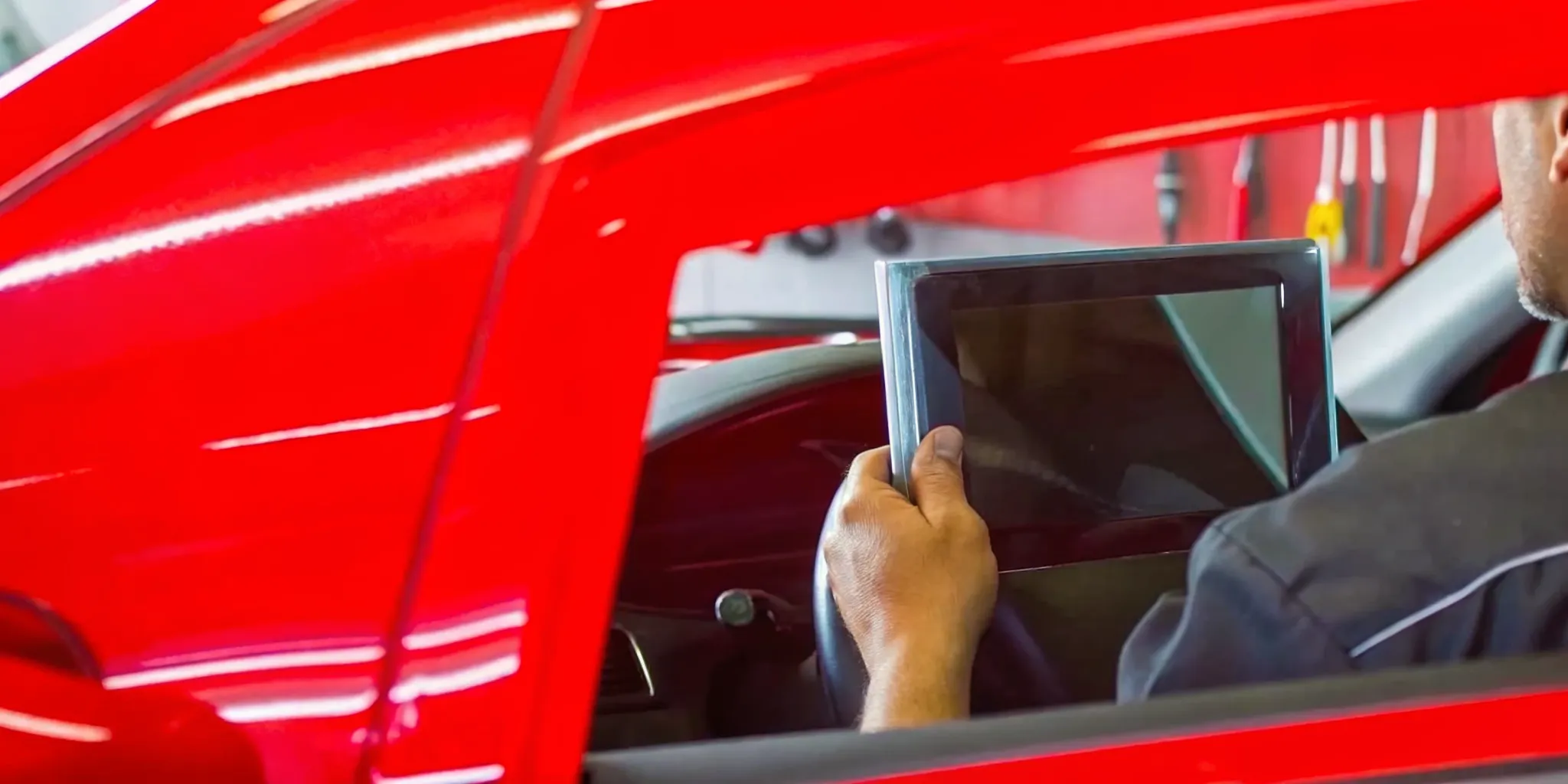
Static calibration is performed with a stationary vehicle and precisely positioned targets, while dynamic calibration uses a controlled road drive. Some vehicles require one method, and others require both. The manufacturer's procedure determines the correct approach.
| Calibration type | How it works | Conditions that matter |
|---|---|---|
| Static | The vehicle remains stationary while the camera reads measured targets placed around it. | Level surface, target distance and alignment, lighting, open space, and vehicle setup. |
| Dynamic | A technician drives the vehicle while diagnostic equipment guides or monitors the camera learning process. | Road markings, speed range, traffic, weather, visibility, and route suitability. |
| Combined | The procedure uses both static targets and a dynamic road drive. | All applicable shop and road requirements must be satisfied. |
One method is not automatically better than another. Static and dynamic procedures solve the same broad need in different ways, and the correct choice is dictated by the vehicle. A shop should not substitute a preferred method simply because it is faster or more convenient.
Avision Auto Glass offers both dynamic and static calibration capability. Because static work requires controlled positioning and dynamic work depends on suitable road conditions, the appropriate service location can vary. Avision is mobile-first for auto glass service across the Kansas City metro, but drivers should confirm where their specific calibration must be completed when requesting a quote.
Planning mobile front-glass replacement? Ask whether your vehicle requires static, dynamic, or combined calibration so the entire job can be scheduled correctly.
How do you know whether your vehicle needs calibration?
The most reliable way to determine whether calibration is required is to identify the vehicle's ADAS equipment and consult its manufacturer procedure. A camera housing near the rearview mirror or ADAS controls can indicate that additional checks are needed.
Start by looking near the top center of the windshield. A camera housing, lens, or sensor cluster behind the mirror is a common sign. Dashboard buttons or menu settings for lane assistance, collision alerts, and adaptive cruise control are other clues. Your owner's manual may describe the installed features, but trim-level options can still make VIN-based identification useful.
Do not use the absence of a dashboard warning as proof that calibration is unnecessary. Some systems may store a code or operate without an obvious alert. Likewise, a warning after service does not reveal the cause by itself. The right response is a professional inspection and diagnostic check, not a DIY attempt to clear the light.
When requesting a quote, mention the features you use and share the VIN if asked. This helps identify the right windshield and calibration procedure before the appointment. Drivers comparing replacement options may also find Avision's guide to windshield replacement cost factors useful. Pricing is quote-based because glass options, calibration needs, and vehicle details differ.
Questions to ask before your windshield replacement
Before replacement, ask whether your vehicle has a windshield-mounted camera, whether calibration is required, which method applies, and how completion will be verified. Clear answers help you compare the full scope of service instead of glass installation alone.
- Does my VIN show a forward-facing camera or other windshield sensors?
- Does the manufacturer require calibration after replacement?
- Will my vehicle need static, dynamic, or combined calibration?
- Is calibration included in the quote, or listed separately?
- What conditions must be met for the calibration procedure?
- How will the technician verify completion and address diagnostic codes?
- How long should I wait before driving after the windshield is installed?
A complete quote should account for the right glass and the required follow-up work. A low initial number may not reflect camera-equipped glass, moldings, sensors, or calibration. Avision provides free same-day quotes so Kansas City drivers can understand the expected service before scheduling. The team also guarantees its workmanship in writing and provides a lifetime workmanship warranty.
Preparation can make the appointment smoother. Remove items from the dashboard, make the vehicle accessible, and share any warning messages you have seen. If a dynamic calibration may be required, ask whether weather or road conditions could affect timing. For more ways to evaluate a provider, review these questions to ask an auto glass technician.
Frequently asked questions about windshield ADAS calibration
Does every windshield replacement require ADAS calibration?
No. Calibration requirements depend on the vehicle and its installed equipment. Vehicles without a windshield-mounted ADAS camera may not need camera calibration. For equipped vehicles, the manufacturer's service procedure determines what is required after replacement.
Can windshield ADAS calibration be completed at my home or office?
It depends on the required method and conditions. Dynamic calibration needs a suitable road drive. Static calibration requires controlled space, measurements, lighting, and target placement. Avision is mobile-first, but the team will confirm the appropriate location for your specific vehicle and procedure.
How long does ADAS calibration take?
Timing varies by vehicle, procedure, road conditions, and diagnostic results. The appointment must also account for windshield installation and safe-drive-away time. Ask for a vehicle-specific estimate when requesting your quote.
How much does windshield ADAS calibration cost?
Cost varies based on the vehicle, installed systems, and required calibration method. Avision Auto Glass uses quote-based pricing rather than publishing a fixed amount. Request a free same-day quote with your vehicle details for an accurate estimate.
Can I calibrate the windshield camera myself?
ADAS calibration requires vehicle-specific service information, diagnostic equipment, measurements, and verification. It is not a DIY reset. A qualified technician should complete the required procedure and check the result.
Request a Kansas City windshield and calibration quote
If your windshield is cracked or needs replacement, do not leave the camera question until the end. Avision Auto Glass can identify the correct glass, explain whether windshield ADAS calibration may be needed, and plan the appropriate next steps for your vehicle.
Request your free same-day quote from Avision Auto Glass or call and text (816) 616-5773. Our licensed and insured technicians serve Kansas City, Missouri; Kansas City, Kansas; Olathe; Overland Park; Lee's Summit; Independence; Shawnee; and surrounding communities.
