
Windshield gasket replacement can mean different things depending on the vehicle. Some windshields use a separate rubber gasket, while many modern vehicles use bonded glass with molding or trim around its edge. Knowing which part is damaged helps you ask better questions and avoid assuming that every strip around the windshield performs the same job.
Request a free same-day quote or call Avision Auto Glass at (913) 314-5720 to discuss your vehicle and service needs.
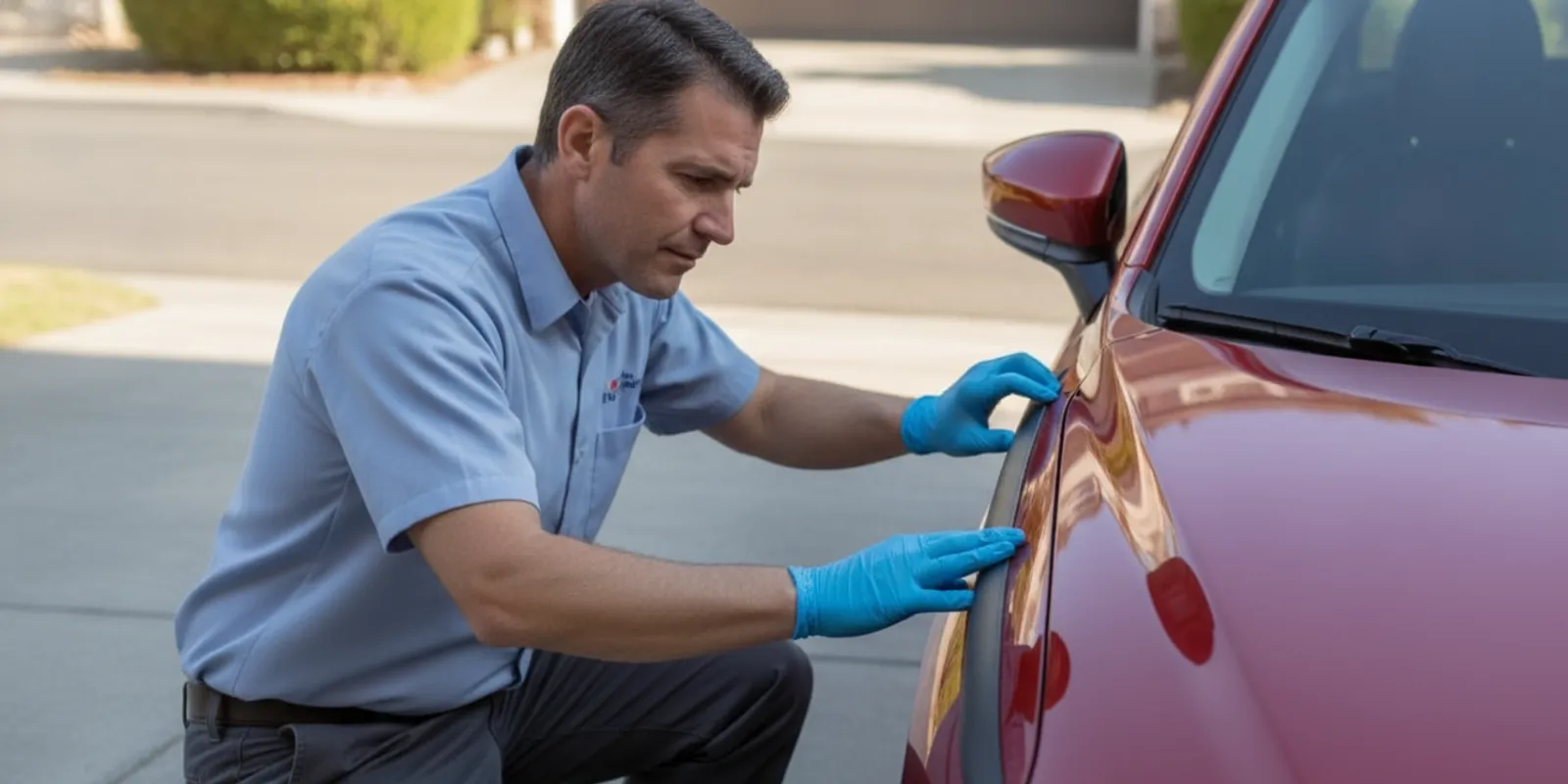
What does windshield molding do?
Windshield molding finishes and protects the perimeter of the glass, but it is not always the part that bonds the windshield to the vehicle. Its precise role depends on the vehicle’s design. It may cover the edge of the glass, help manage the transition between glass and body, reduce exposure of the installation materials, or form part of a gasket-style assembly.
The terms molding, trim, and gasket are sometimes used loosely in everyday conversation. In a particular vehicle, however, they may describe different components. A molding may be a narrow exterior strip. A gasket may be a rubber channel that surrounds and retains the glass in a design built for it. Some vehicles have a combination of trim and a bonded windshield. That is why the vehicle’s year, make, model, options, and existing installation matter before anyone can say which component needs attention.
Molding can also contribute to a neat, finished appearance. A loose or distorted piece may leave an uneven edge or allow leaves and dirt to collect nearby. That does not by itself prove the windshield is loose or leaking. A technician needs to inspect the glass edge and the surrounding installation before identifying the cause.
How is a gasket different from bonded windshield molding?
A gasket is a sealing or retaining component in designs that use one; exterior molding on a bonded windshield may serve a different purpose. The parts can look similar from outside the vehicle, but their function and replacement procedure are not interchangeable.
On many modern vehicles, a windshield is installed into a prepared opening with a specialized adhesive system. The glass is bonded to the vehicle body, while a visible molding or trim piece may cover or finish the perimeter. In that design, the trim should not automatically be treated as the primary glass-retention system. On other vehicles, a rubber gasket is part of the way the windshield is seated or retained. The model-specific service procedure determines the correct approach.
A community discussion about windshield molding describes one particular installation in which the molding is placed on the glass before it is set into the sealant. That example is not a universal procedure or a substitute for vehicle-specific service information; it simply illustrates why the assembly sequence can vary. See the Subaru Forester owner discussion of molding replacement as an example of a vehicle-specific conversation.
If you are researching a windshield replacement, ask the provider to identify whether your vehicle has a separate gasket, bonded glass with molding, or another trim arrangement. The answer should be based on the vehicle, not only on what the exterior strip looks like.
When might windshield molding or a gasket need replacement?
Replacement may be appropriate when the specific trim or gasket is damaged, no longer fits correctly, or cannot be reused under the vehicle’s service procedure. Appearance alone is not enough to decide; the condition and design of the whole glass assembly matter.
Common reasons a technician may inspect the molding or gasket include:
- Visible damage: The material is split, torn, sharply creased, or missing a section.
- Loss of shape: The piece is curled, stretched, shrunken, or does not sit evenly along the glass edge.
- Movement or separation: Part of the trim appears lifted or detached. This calls for an assessment, but it does not prove that the glass itself has shifted.
- Contamination or deterioration: The material is brittle, heavily weathered, or affected by residue that prevents proper fit.
- Removal during glass service: A component may need to be removed to access the glass, and the service procedure may call for a new part rather than reuse.
- Water or wind concerns: Moisture or noise near the windshield can have several causes, including a glass bond, body opening, drain path, or another seal. Inspection is needed to locate the source.
Do not press a loose section into place with tools or household sealant. That can conceal the source of a concern, damage the trim, or interfere with a later inspection. If the windshield appears unstable, the glass is cracked in a way that affects your view, or you have another immediate safety concern, limit driving and seek qualified guidance on the next step.
What symptoms should drivers pay attention to?
A change around the windshield edge is useful information to share, but it does not identify the failed part on its own. Note when the symptom occurs, where you see it, and whether it began after recent glass work or a weather event.
- Visible gaps or uneven edges: Look for a section that appears higher, lower, or separated from the neighboring trim. Compare the area on both sides without pulling on it.
- Water inside the cabin: Record where you notice moisture and when it appears. Water can travel from its entry point, so the wettest spot inside may not sit directly below the source.
- Wind noise: A new sound near the windshield at road speed is worth describing, but it can also come from door seals, roof trim, or other areas.
- Loose or rattling trim: Mention whether the noise occurs on bumps, in wind, or continuously. Avoid pushing the piece back under the glass.
- Damage to the glass edge: Chips, cracks, or a damaged perimeter may affect the service assessment. Share a clear description or photo when requesting help.
For a small impact in the glass rather than a trim issue, a provider can assess whether chip repair is suitable or whether replacement should be discussed. The visible symptom and the underlying repair decision are separate questions.
What should you expect during an inspection?
A useful inspection begins by identifying the vehicle and clarifying the concern. The technician can examine the visible molding, glass edge, and surrounding area, then determine whether the issue appears to involve the trim, gasket, glass, or another part of the opening. The precise inspection and repair steps depend on the vehicle and the concern reported.
Before arranging service, gather the following details if available:
- Year, make, model, and trim level, plus any relevant windshield options you know about.
- The location and approximate length of a crack, chip, gap, or separated molding.
- When the symptom began and whether it followed a windshield installation or other work.
- Whether you have noticed water, wind noise, loose trim, or a change in visibility.
- Photos taken from a safe, stationary position, if they show the concern clearly.
Ask the provider to explain which component is affected and whether the recommendation is repair, replacement, or further inspection. If the windshield is removed, ask what will happen to the molding or gasket: will it be reused, replaced, or assessed after removal? The answer can vary by vehicle and part condition. You can also ask whether the quoted work includes the needed trim and how the provider will handle any related glass installation concerns.
For drivers in the Kansas City area, Avision provides mobile auto glass repair. The service location and the type of glass work needed can be discussed when requesting a quote. Drivers can also review local information for Overland Park or Olathe when confirming service-area details.
How can you compare a quote for gasket or molding work?
Quotes are easier to compare when each provider is describing the same work. A low or high total is not meaningful by itself if one estimate includes new molding and another assumes the existing part can be reused. Vehicle configuration, glass type, part availability, and the scope of service can all affect the estimate, so request vehicle-specific details rather than relying on a generic price range.
Use these questions to make the comparison practical:
- Does the quote cover the glass, the gasket or molding, or both?
- Is the existing trim expected to be reused? If so, what condition would change that decision?
- Does the provider need to confirm a part number or vehicle option before finalizing the estimate?
- What symptoms or visible damage should be included in the inspection?
- Where can the service be performed, and what should be available at that location?
- What should you do if you notice a concern after the work is complete?
For a fleet, consistent notes can help avoid repeating the same investigation for each vehicle. Record the vehicle details, reported symptom, inspection finding, part decision, and service date in the vehicle’s maintenance file. A fleet manager arranging several vehicles can ask about fleet auto glass service and explain the number and type of vehicles involved. Avision’s available recommendation still depends on the vehicle and the issue found.
How can fleet managers make the process easier?
For a business with multiple vehicles, it helps to separate the immediate safety concern from the scheduling and recordkeeping work. Ask the driver to report which vehicle is affected, where the damage or trim issue appears, whether there is a water or noise symptom, and whether the vehicle can be safely parked until it is assessed. A photo can help communicate the location, but it cannot replace an inspection or confirm the exact part required.
Before requesting service for several vehicles, gather the year, make, model, and trim for each one. Similar-looking fleet vehicles can have different glass or trim configurations, so avoid assuming one part or recommendation fits all. Keep each vehicle’s details attached to its own service request and note which vehicles have a cracked windshield, a trim concern, or another symptom. This makes it easier to clarify the work and follow up on the right vehicle.
When comparing arrangements, confirm how the provider wants vehicles presented and whether the quote is individual or based on a grouped request. Ask how to handle a vehicle that reveals a different condition during inspection. Once service is complete, record the work performed and any follow-up instructions with the vehicle’s maintenance history. Clear records help the next fleet manager or driver understand what was checked, rather than starting again with an incomplete description.
Why is the installation method important?
The molding is one visible part of an assembly whose other components may not be obvious from outside the vehicle. A correct repair depends on identifying the design and following the appropriate procedure for the glass and vehicle. Treating every windshield edge as if it had the same rubber gasket can lead to confusion about what needs replacement.
For a bonded windshield, the condition of the glass bonding area and the installation process are distinct from the appearance of the outer trim. For a gasket-style design, the gasket’s fit and condition can be central to the assembly. In either case, a trim strip that looks acceptable does not establish that every concealed component is in good condition, and a worn-looking strip does not automatically mean the entire windshield assembly has failed.
That is why it helps to ask for a plain-language explanation: what part is causing the reported symptom, what work is recommended, and what alternatives are reasonable? A clear answer should distinguish a visible cosmetic issue from a concern affecting fit or sealing. If the inspection cannot establish the cause immediately, ask what further information or assessment is needed rather than authorizing a guess.
What should you avoid doing before service?
Small interventions can make a later assessment harder. Avoid pulling off molding, inserting a blade or other tool at the glass edge, applying general-purpose adhesive, or forcing a gasket back into position. These actions can deform the material, obscure where water entered, or complicate removal. Keep the area clear and take a photo if the trim’s position changes.
Do not assume that a quick sealant application is an adequate repair. A visible gap may be related to the trim, but moisture or noise can come from another area. Likewise, do not use a short online video or another vehicle’s instructions as a guide to removing the windshield. A procedure that works for one design may not apply to another.
If you need to discuss a windshield repair or replacement, describe the symptoms and ask what inspection is appropriate. Drivers in other nearby communities can check Avision’s Kansas City service-area information as part of planning the request.
Request a quote for your vehicle or call Avision Auto Glass at (913) 314-5720 to discuss the symptoms and next steps.
Frequently Asked Questions
Does every windshield have a rubber gasket?
No. Windshield designs differ. Some vehicles use a distinct rubber gasket, while many use bonded glass with visible molding or trim. The vehicle’s year, make, model, and configuration help identify the correct arrangement.
Can molding be replaced without replacing the windshield?
Sometimes, but the answer depends on the design, the condition of the molding, and how it attaches. A technician should confirm that the molding can be serviced separately and that removing or fitting it will not interfere with the glass assembly.
Does loose molding always mean the windshield is leaking?
No. Loose or uneven molding is a reason to have the area assessed, but it does not establish that water is entering or that the glass bond has failed. A water concern should be inspected to locate its actual source.
Can I add sealant around the windshield myself?
It is better not to apply household sealant or pry at the trim. The material may be incompatible with the assembly, and covering the area can make diagnosis more difficult. Describe the concern to an auto glass provider and ask for an inspection.
What details help get an accurate quote?
Share the vehicle year, make, model, and trim, describe where the molding or gasket looks damaged, and mention any water, noise, or glass damage. Ask whether the estimate includes the trim and whether the recommendation depends on inspecting the vehicle first.
The right windshield gasket or molding decision starts with identifying the vehicle’s design and inspecting the part in question, rather than assuming every windshield edge works the same way.
