
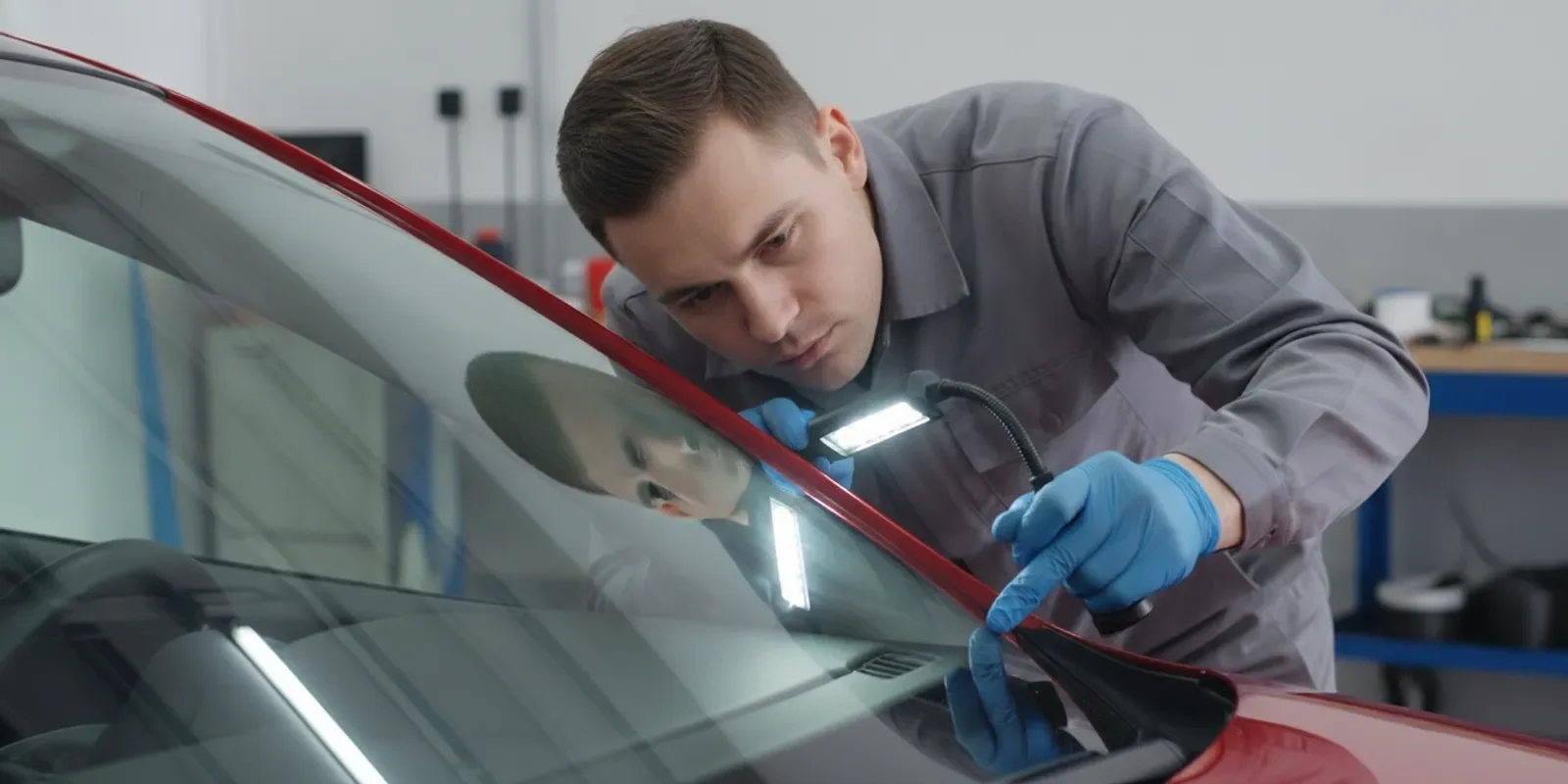
A damp floor mat or a thin line of water near the windshield can be worrying, especially after new glass has been installed. Drivers sometimes also ask, do I need ADAS calibration after windshield replacement, but that is a separate question from whether the windshield is leaking. This guide focuses on signs of a possible leak, safe ways to observe it, and what details to share when you request help.
What are the signs of a windshield leak after replacement?
A leak may show up as repeatable moisture near the windshield after rain or a careful wash. Look for water at the upper corners, along the A-pillars, near the dashboard, or on the carpet below the front seats. A musty odor, fogged glass, or damp trim can also be a clue, but none proves by itself that the windshield is the source. Water can travel along interior surfaces before it becomes visible.
Pay attention to when the moisture appears. Does it happen only after heavy rain, after a car wash, or whenever the air conditioner runs? Is one side wet, or are both sides affected? Does the damp spot return in the same place? These patterns help distinguish a possible windshield seal concern from moisture entering elsewhere or normal condensation.
Inspect only from places you can reach safely. Check the visible glass perimeter and nearby interior trim without pulling panels, pushing on the glass, or trying to lift the molding. Look for water trails, discoloration, dirt lines, or trim that appears displaced. Do not use sharp tools or insert anything between the glass and body. Disturbing the installation can make a small concern harder to assess.
If the windshield was just replaced, note the installation date and the first time you noticed moisture. A new leak is worth reporting promptly to the installer for assessment. If you need a replacement or repair overview, see Avision's windshield replacement information and windshield repair service details.
How can you tell a leak from condensation or another water source?
Location and timing provide useful clues, but they do not confirm the source. Condensation often appears as a broader film on glass when warm, moist air meets a cooler surface. A leak is more likely when moisture follows a repeatable path from an edge after exposure to rain or washing. Still, an HVAC drain, door seal, sunroof drain, or other body opening may create symptoms that seem to come from the windshield.
Compare what you observe across more than one occasion, but do not deliberately soak the cabin to test it. Record whether the vehicle was parked level or on a slope, which side faced the weather, and whether the water appeared while driving or after the car was parked. If the cabin is wet after using climate control without rain, mention that detail because it may point away from the windshield.
Water may run behind trim and emerge far from where it entered. For that reason, a wet passenger-side carpet does not automatically mean the passenger-side windshield corner is the source. Likewise, fogging alone is not a reliable leak test. A professional inspection can follow the water path and assess the glass installation without relying on guesswork.
A small amount of moisture deserves attention if it repeatedly appears, but avoid drawing conclusions from a single observation. Note whether the headliner, dashboard, pillar trim, or carpet is wet. Take a photo before drying the area, then another after it has dried if the issue returns. Photos that show the overall location and a close-up are more useful than a close-up with no context.
What should you do when you first notice moisture?
Document the symptoms, protect the interior, and contact the installer or an auto glass professional for an assessment. If water is actively entering, move the vehicle to a covered area if practical and safe. Blot standing water with an absorbent towel. Avoid heat guns, aggressive cleaners, or attempts to reseal the glass yourself.
- Note the conditions. Write down when you noticed the water, recent rain or washing, and whether the vehicle was parked or moving.
- Photograph the evidence. Capture the moisture, visible trails, wet trim, or carpet, along with a wider view that shows where it is in the cabin.
- Keep installation records. Locate the service date, receipt, and any notes about the vehicle or glass work.
- Describe the symptom clearly. Explain what is wet and when it happens. Avoid stating a cause unless it has been confirmed.
- Ask for an inspection. Request that the source be checked and ask what the next step is if the windshield installation is involved.
Do not press on the windshield, pull back the trim, apply household caulk, or add adhesive. Those actions can alter the visible evidence and may complicate a proper assessment. If the glass appears loose, cracked, or visibly displaced, avoid driving until you have obtained professional guidance. For general service options, review the auto glass repair and replacement services available through Avision.
Why can a windshield leak after installation?
A leak can have more than one possible cause, so inspection is more useful than guessing. The glass installation involves preparing the opening, placing the glass, and allowing the bonding materials to set according to the applicable procedure. If water appears after replacement, an installer can determine whether the glass perimeter or another part of the vehicle is involved. A symptom alone does not show which step, material, or component may be responsible.
Weather and vehicle design can also complicate diagnosis. Water entering near a roof seam, body panel, door, or sunroof can travel before it reaches the cabin. Older seals and drains may contribute even when the windshield work is recent. A careful inspection considers the whole route rather than assuming that the newest part is necessarily the cause.
Tell the service provider if the vehicle has aftermarket accessories near the windshield, such as a dash camera wired along the trim, or if any recent body or roof work was performed. Do not remove accessories just to expose the edge. The information can help an inspector understand what may have changed and avoid unnecessary disassembly.
When requesting help in the Kansas City area, include your city and preferred place for service. Avision provides auto glass service in the metro area, with information for Kansas City drivers, Overland Park, and Olathe. Sharing your location and vehicle details helps the team understand your request and discuss the appropriate next step.
How should you prepare for an inspection?
A short, factual record helps the inspection start with the right questions. Gather the vehicle year, make, and model; the date of the windshield replacement; and any work order or receipt you have. Write down the weather and conditions when the water appeared, the exact area that became wet, and whether the issue has happened more than once.
Before the appointment, remove loose belongings from the affected floor area if doing so is easy. Do not remove fixed trim or try to expose the glass edge. Let the provider know whether the vehicle can be kept dry until it is checked. If the cabin is wet, describe how much water you found and whether you have dried it.
Ask clear questions: Can the source of the water be assessed? Does the inspection include checking the windshield perimeter? If the source is not the windshield, what should be checked next? If installation work is indicated, how will that be evaluated and what should you expect? You do not need to diagnose the repair before requesting an inspection.
For fleet vehicles, use the same recordkeeping process for each unit. Include the vehicle identifier, driver report, date, and photos in the maintenance log. If multiple vehicles need attention, Avision also has a fleet auto glass service page. Keeping each report specific reduces confusion about which vehicle, installation, or water event is being discussed.
Does a windshield leak mean ADAS calibration is needed?
A water leak and an ADAS calibration are different issues. A leak is a concern about water entering the cabin and needs leak-source assessment. ADAS calibration relates to driver-assistance equipment, such as cameras or sensors, and whether vehicle-specific procedures are needed after work that affects those systems. A leak by itself does not establish that calibration is required.
If your original question is “do I need ADAS calibration after windshield replacement,” ask the glass provider whether your vehicle has a camera or sensor affected by the replacement and whether the manufacturer’s procedure calls for calibration. This article does not determine whether calibration is needed for a particular vehicle. Avision has a separate guide on ADAS calibration after windshield replacement in Kansas City; use that resource for the distinct calibration topic rather than treating it as a leak diagnosis.
One educational course outline from College of the Desert describes learning to perform ADAS calibration after a simulated windshield replacement. That confirms calibration is treated as a distinct technical procedure, but it does not establish what any particular vehicle requires: AUTO 044C course outline. For your vehicle, rely on the applicable service information and a qualified provider's assessment.
How can you reduce interior damage while waiting?
Keep the cabin as dry as practical, but do not cover or seal the windshield edge in a way that interferes with inspection. Blot water from accessible carpet and surfaces. Remove wet floor mats and let them dry separately. If you can park under cover without creating a safety issue, that may reduce additional exposure until the vehicle can be inspected.
Avoid using a household sealant, tape, or adhesive on the windshield perimeter. These materials may not be suitable for automotive glass and can hide the entry path or interfere with professional work. Do not direct a pressure washer at the suspected edge to reproduce the problem. A controlled inspection is safer and more informative than an improvised water test.
If water has reached electrical components, warning lights appear, or visibility is impaired, stop and seek appropriate professional guidance rather than continuing to use the vehicle as usual. Drying visible water does not resolve the cause. Keep your notes and photos so the person assessing the vehicle can understand what happened before the cabin was dried.
Use a clear channel to arrange an inspection or ask what information is needed. Avision's contact page provides a direct way to submit a request. If you are comparing service information, the windshield replacement page is also available as a reference for the service itself.
What should you ask before scheduling service?
Ask what will be inspected, what details to provide, and what the next step will be if the source is not the windshield. Clear questions help keep the conversation focused on the observed symptom rather than an unconfirmed diagnosis.
- What vehicle information should I share before the assessment?
- Should I send photos of the wet area and the windshield perimeter?
- Can the inspection help distinguish a windshield concern from another water source?
- Should I keep the vehicle dry or avoid using it before the appointment?
- If glass work is needed, how will the service and follow-up be explained?
Share the facts you know and label uncertainty honestly. For example, “The passenger-side carpet was damp the morning after heavy rain” is more useful than “the windshield seal failed” before anyone has inspected it. If the glass was recently replaced elsewhere, provide the date and available service paperwork. The goal is to identify the source and determine a safe next step.
Drivers in nearby communities can also check the relevant area information for Lenexa or Lee's Summit when making a request. Service details depend on the vehicle and the condition found, so share the exact concern rather than assuming a particular repair is required.
Ask Avision about an inspection or call (913) 314-5720.
Frequently asked questions
Can a windshield leak appear days after replacement?
Moisture may not be noticed until the vehicle encounters rain or a wash, so the date you first see water may be later than the installation date. Record when the symptoms appear and contact the installer or an auto glass professional for an assessment.
Does fog on the windshield mean it is leaking?
No. Fog can result from condensation and is not enough to identify a leak. Look for repeatable water trails or damp interior areas after exposure to rain, and share those observations during an inspection.
Should I try to reseal the glass myself?
No. Do not apply household caulk, adhesive, or tape along the edge. These materials can obscure the source and complicate inspection. Document the symptoms and ask a professional to evaluate them.
Is a leak proof that ADAS calibration is required?
No. A leak and calibration are separate concerns. Ask whether your vehicle has affected ADAS equipment and whether the applicable procedure requires calibration after windshield replacement. A leak alone cannot answer that question.
What information should I provide when I request help?
Share the vehicle year, make, and model, the replacement date if known, where moisture appeared, the conditions when it occurred, and any photos or work records. Those details help the provider decide how to assess the concern.
A recurring damp spot after windshield replacement is a reason to document what you observe and ask for an assessment, not to assume the cause. Keeping the area as dry as practical and sharing clear details can help a professional determine the next step.
