
If insurance refused to cover windshield replacement, first find out what the insurer decided, why, and what part of the requested work the decision addresses. A refusal is not, by itself, a complete explanation of the policy or the claim file. This practical checklist can help you organize questions and documents without assuming that coverage will change.
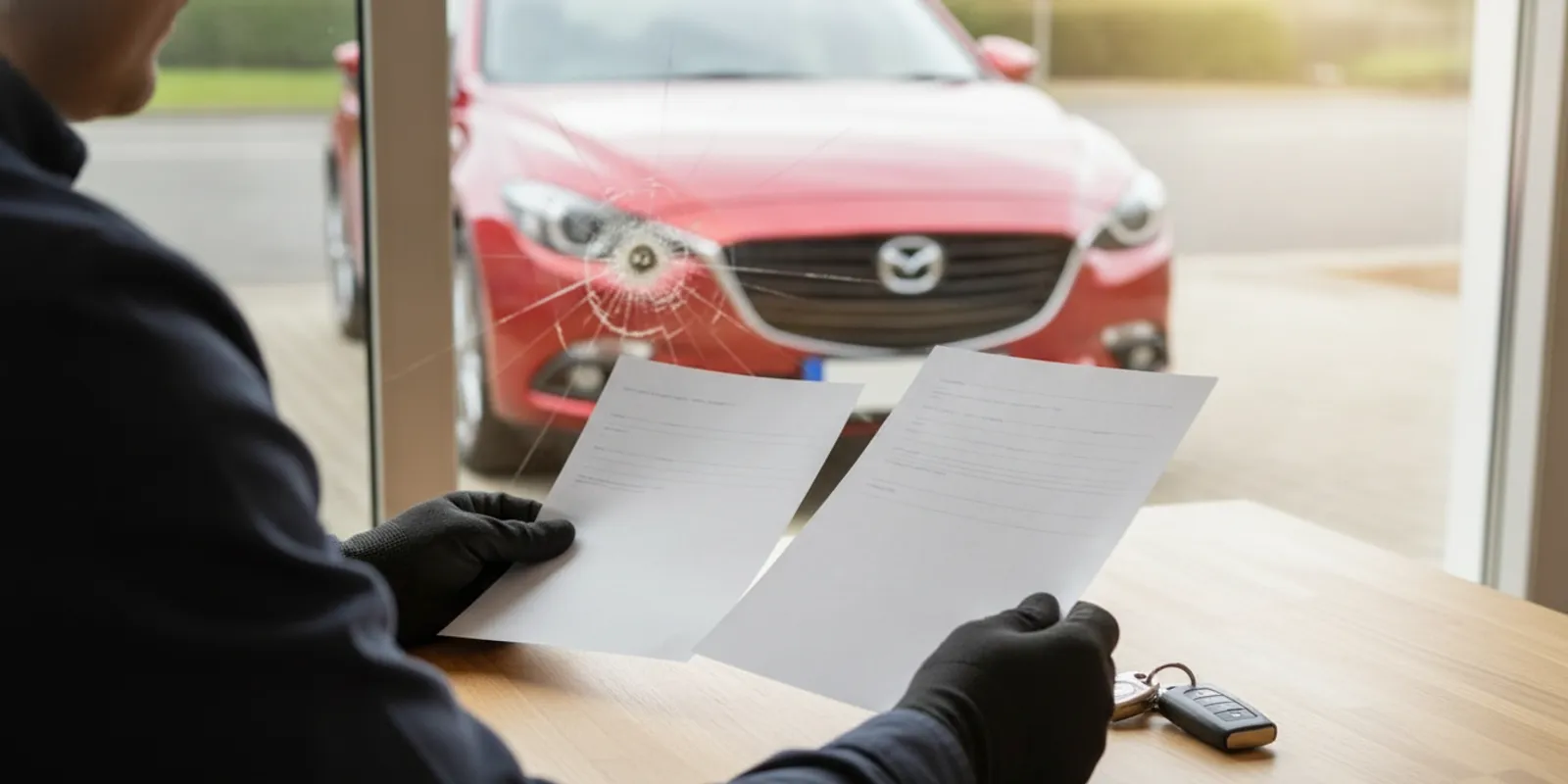
What should you do first after the insurer refuses coverage?
Get the decision and its stated reason in writing before deciding what to do next. Save the letter, email, or claim-portal message, along with the date it arrived. If you received the decision by phone, ask the insurer to send the explanation and relevant claim details through an approved written channel.
A refusal can address different things. It may concern whether a policy applies, whether the file has enough information, or whether a particular item of work was considered. Do not assume that the insurer rejected every part of the request until you have confirmed the scope.
- Write down the claim number, policyholder name, decision date, and contact department.
- Ask whether the decision covers the glass, labor, calibration, or another specific item.
- Request the policy provision, claim note, or other basis the insurer relied on.
- Ask whether the insurer considers the file complete or needs additional information.
- Confirm whether a review process is available, how to request it, and whether a deadline applies.
Keep copies of what you send and proof that the insurer received it. Before authorizing work, ask whether photographs, an inspection, or other documentation should be submitted first. If the condition of the vehicle raises a safety concern, get guidance about vehicle use from an appropriate professional.
Why might a windshield replacement request be refused?
The policy wording and the facts in your file determine what the insurer considered. Coverage terms, deductibles, exclusions, reported cause, and documentation requirements can vary. Another driver’s experience does not establish the outcome for your policy.
Instead of guessing at the reason, ask which explanation applies to this decision. For example, was the question about the type of coverage in force, the reported date or cause of damage, missing information, a deductible, or one part of the proposed work? These are prompts for clarifying your own file, not claims about what an insurer must cover.
Locate the declarations page and the policy wording that applied on the date of the damage. A declarations page summarizes selected details, but may not contain every definition, condition, or exclusion. If the insurer refers to a provision you do not understand, ask it to identify the specific wording and explain how it relates to the information it reviewed.
Keep the service question separate from the coverage question. A glass provider can describe a proposed repair or replacement and explain an estimate. The insurer interprets the policy and communicates its coverage decision. A quote does not establish that the policy will pay.
How can you check the details behind the decision?
Compare the insurer’s explanation with the information you gave it. Check that the vehicle, damage date, description, requested work, estimate, and inspection notes match your records. If you find a specific error, explain it plainly, attach a record that supports the correction, and ask the insurer to confirm the corrected detail was added to the file.
A simple contact log can prevent missed follow-ups. Use four headings: date, person or department, information shared, and next step or date promised. Keep emails, portal messages, upload confirmations, and letters in one folder. After a call, send a brief follow-up through the insurer’s approved channel that summarizes your understanding and invites correction if you misunderstood.
Be careful to distinguish what you observed from what someone else told you. If you do not know when the damage occurred, say that rather than presenting an estimate as a confirmed fact. Consistent, accurate details make it easier to identify whether the insurer’s question concerns a factual gap or policy wording.
If the decision refers to an estimate, review the work described and the vehicle details on it. The correct glass and proposed procedure may depend on vehicle specifications or features. You can read about windshield replacement service to understand what to discuss with a provider; service information does not determine policy coverage.
Which records may help address the insurer’s stated reason?
Choose records that connect directly to the question the insurer raised. A small, clearly labeled set is easier to review than a bundle of unrelated files. Start with the decision, then gather documents that clarify the facts, proposed work, or policy language it mentions.
- The written decision and claim number.
- The applicable declarations page and any policy section or endorsement cited in the decision.
- Photos of the damage, if they were taken before repair, with dates or context when known.
- A short, dated account of when you noticed the damage and what you personally observed.
- Inspection notes, estimates, or other documents the insurer requested.
- Vehicle year, make, model, trim if known, and relevant glass features.
- Receipts or invoices if work has already been authorized or completed.
Use descriptive file names such as “decision letter,” “damage photos,” and “estimate.” Keep the originals when possible, and retain copies of submitted materials. If the insurer identifies a missing document, ask what information it needs and how to submit it securely.
Do not treat every possible document as necessary. For example, if the issue is an incorrect vehicle description, accurate vehicle details may be more relevant than additional photographs. If the insurer says it cannot assess the damage, ask whether an inspection or clearer images would help. Match the evidence to the stated reason rather than sending material without knowing what question it addresses.
If you need to understand the difference between a possible repair and replacement, review windshield repair information and auto glass chip repair details. These pages can help you form questions about proposed service, but the insurer determines coverage under the policy.
How do you ask the insurer to reconsider?
Ask the insurer whether it offers reconsideration, supplemental review, an appeal, or another internal process for this type of decision. The name and steps can differ. Confirm where to send the request, what documents to include, how to confirm receipt, and whether a deadline applies. Do not assume that submitting a review request pauses any deadline.
A concise written request can state:
- Your name, policy or claim number, and preferred contact details.
- The decision date and the part of the decision you are asking the insurer to review.
- The specific information you believe is incomplete or inaccurate, or the policy wording you want explained.
- A short list of attached records and what each record shows.
- A request for the outcome and explanation in writing.
For example, suppose the response says the insurer cannot evaluate the damage from the submitted file. You might ask what additional photographs, inspection, or description would be useful, then provide only the requested information. If the response instead cites policy language, ask which provision applies and whether any additional facts would change the review. More documentation is not automatically a solution to a policy question.
Use the insurer’s stated submission method and retain delivery confirmation. If it maintains its position, ask what options remain under the policy and which wording it applied. For questions about legal rights, deadlines, or a dispute, consider speaking with a qualified legal professional. For general information about insurance oversight and links to state insurance departments, consult the National Association of Insurance Commissioners; state-specific procedures should be confirmed with the appropriate state department.
What choices can you compare if coverage remains unavailable?
Compare the service plan and the payment question separately, and do not count on later reimbursement. You can ask the insurer whether more information could affect its review, request an estimate, or consider when to proceed based on the vehicle’s condition and your circumstances. Before paying directly, make sure you understand what the estimate includes and what could change after the vehicle details are confirmed.
When you ask for an estimate, provide the year, make, model, trim if known, damage location, and relevant windshield features. Ask what work is proposed and what informs the recommendation. If the estimate includes more than one item, ask for a clear description of each. A provider can explain its proposed work and quote; it cannot promise that an insurer will pay.
Ask the insurer separately whether it requires approval, photos, an inspection, or particular paperwork before work begins. If the vehicle has a feature that may affect glass selection or the work procedure, mention it when requesting an estimate and ask what still needs confirmation. Compare estimates only after checking that they describe the same vehicle and scope.
For background on the questions to ask when comparing service details, see this Kansas City auto glass comparison checklist. If the provider recommends a repair rather than replacement, ask what the recommendation covers and whether it addresses the damage you described. The decision to proceed and the insurer’s coverage position are separate considerations.
If you choose to request a quote, use the quote request page or contact Avision Auto Glass. A quote can help you understand proposed service and cost; it does not change the insurer’s decision.
How should you compare the decision with the estimate?
A decision letter and a service estimate answer different questions, so read them side by side without treating either as a substitute for the other. The insurer’s letter describes its coverage position. The estimate describes proposed work and may list glass, labor, calibration, or other items separately. If the documents use different descriptions, ask each party to clarify its own document rather than assuming the terms refer to the same scope.
Use a short comparison worksheet with a line for each item: the wording in the decision, the related line in the estimate, the question you still have, and who can answer it. For example, if the letter addresses replacement but the estimate lists an additional procedure, ask the insurer whether that procedure was included in its review. Ask the provider what the procedure involves and why it appears on the estimate. This helps prevent a coverage question from being mistaken for a technical explanation, or the reverse.
Also check that both documents identify the same vehicle and proposed work. A difference in year, model, glass feature, or service description may require clarification before the estimate can be compared with the insurer’s response. Do not alter a document to make it appear consistent; ask for a corrected or clearer version if a detail is wrong. Keep the original and save any updated copy with the date received.
If you are considering paying directly, ask the provider what the stated amount includes, what details could change it, and what paperwork you will receive. Ask the insurer separately whether it will still review additional records after work has begun, rather than assuming that it will. These questions do not predict a decision, but they can help you understand the practical differences between waiting for clarification and proceeding on your own.
How can you keep the process organized?
Create one timeline with the date of the damage, the date you reported it, the date of each insurer contact, the documents submitted, and the next expected response. Add a reminder for any date the insurer gives you. If a response does not arrive when expected, follow up with the date and department from your log.
Keep claim correspondence separate from estimates and invoices. Use a consistent description of the damage in your communications, while correcting any detail that turns out to be wrong. If another person is helping you, decide who will communicate with the insurer and share updates so requests are not duplicated or described differently.
When a new request arrives, read it fully before replying. Ask what information is needed, why it is relevant to the decision, and how the insurer wants it submitted. If a form, release, or statement is unclear, ask questions before signing or sending information you do not understand. Keep a copy of the completed material.
If the work itself is still being considered, use the same vehicle details and damage description when discussing options with providers. The auto glass service overview and Kansas City service-area information can help you identify relevant service details. For location-specific information, review the pages for Overland Park or Olathe, as applicable. None of these service pages can answer whether your policy applies.
Which questions can help you choose a next step?
Before taking action, make sure you can answer a few practical questions. They help separate what remains unclear from what you can decide now.
- What exact reason did the insurer provide, and did it identify the policy wording or missing facts?
- Does the decision apply to all requested work or only a particular item?
- What specific record, if any, could address the reason stated?
- Is an internal review available, and what instructions and dates should you note?
- What does the provider’s estimate include, and what might you pay if coverage stays unavailable?
- Does the insurer require any documentation or inspection before you authorize work?
Consider two examples. If the insurer says the vehicle information is incomplete, verify the year, make, model, and relevant options before resubmitting. If it says a policy provision applies, asking for the exact wording and its application may be more useful than sending unrelated photos. If the insurer has not explained the reason, request that explanation before deciding which records or options matter.
For service questions, you may also review the Avision Auto Glass company information and its auto glass project photos. Use those pages to understand the business and examples of work, not as evidence that a particular claim is covered or that a result is guaranteed.
Discuss your estimate or call (913) 314-5720
Frequently asked questions
Can I challenge an insurer’s refusal?
Ask the insurer whether it offers an internal review or reconsideration process and how to submit a request. Follow its instructions, include records that relate to the stated reason, and keep proof of delivery. The insurer makes the coverage decision based on the policy and claim information.
Should I authorize replacement before the insurer responds?
That depends on the vehicle’s condition, the insurer’s documentation requirements, and your circumstances. Ask whether the insurer needs photos or an inspection before work begins. If the damage raises a safety concern, seek guidance about vehicle use from an appropriate professional.
Does an estimate guarantee insurance payment?
No. An estimate describes proposed service and price. It does not establish policy coverage or guarantee reimbursement. Ask the insurer directly about coverage and any requirements before relying on payment.
What if I do not understand the written decision?
Ask the insurer to explain the decision in plain language and identify the policy wording it applied. Request a written explanation and save it with the rest of your claim records. For questions about legal rights, consult a qualified professional.
When coverage is refused, a written explanation, accurate records, and focused questions can help you understand the decision and choose a practical next step.
