
A damaged windshield can leave you weighing a claim against paying directly. The right choice depends on the written estimate, the deductible and coverage your insurer confirms, and any policy or claim-history considerations. This guide to windshield replacement claim vs pay out of pocket focuses on comparing those options, not on filing a claim or promising what a policy will cover.
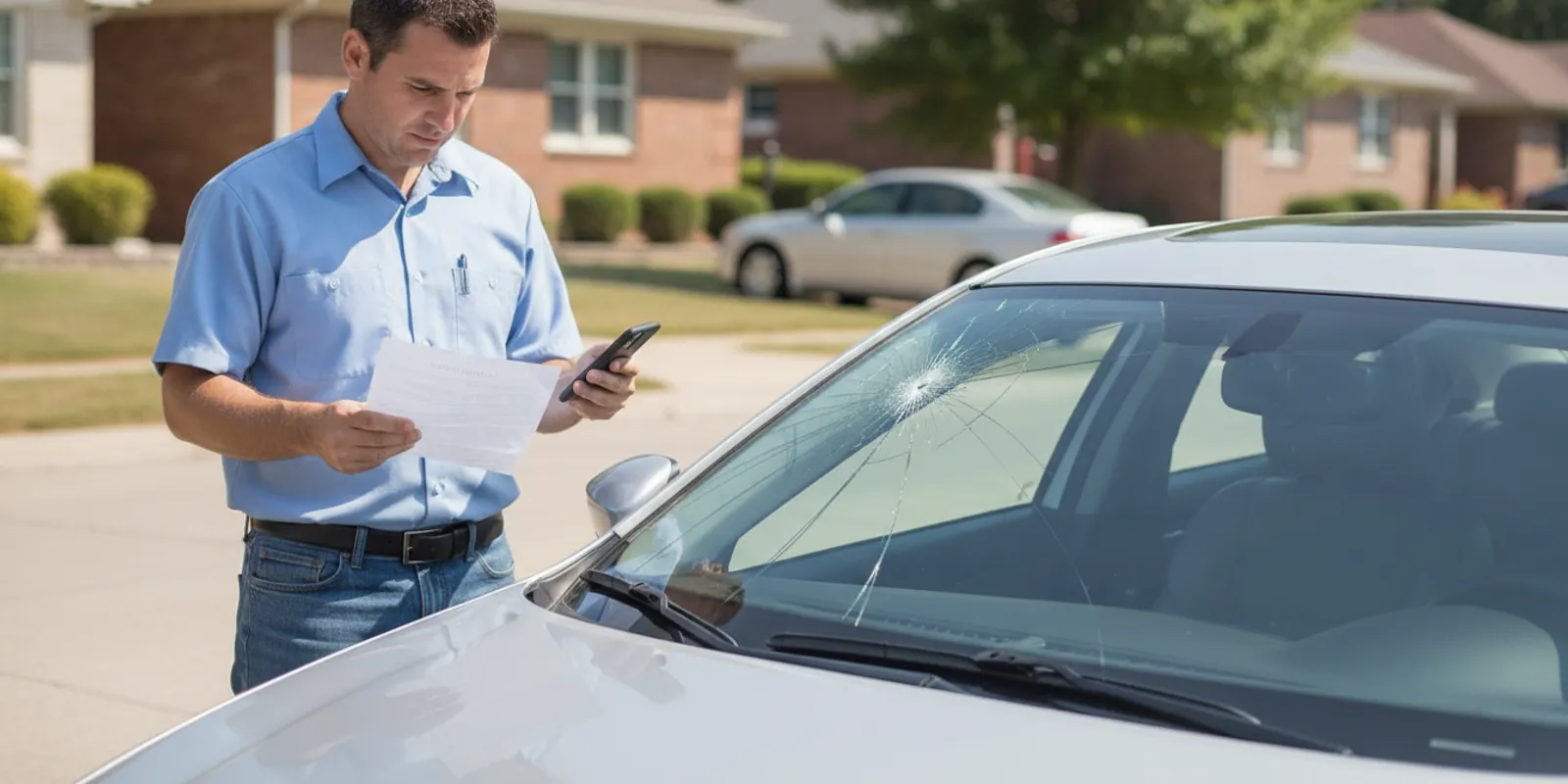
What is the fairest first comparison?
Put the full written replacement quote beside the amount your insurer says you would owe. A claim does not automatically mean the insurer pays the entire bill. Your policy, applicable deductible, approved work, and any claim requirements determine the potential payment. Paying directly means you are responsible for the quoted price and any confirmed changes to the work.
Start with a quote for the specific vehicle and proposed replacement. Avision Auto Glass provides windshield replacement service; the estimate gives you a direct-pay figure to compare, but it does not determine insurance coverage. Ask what work is included and whether the estimate is final or depends on confirming vehicle details.
Next, ask your insurer which coverage and deductible apply to this loss. Ask for an estimate of your share and any steps you must complete before authorizing work. Do not treat an insurance card, a general online summary, or a past claim on a different vehicle as confirmation of this policy's terms.
How does the deductible change the math?
A deductible changes the amount you may owe, but it does not answer every coverage question. Compare the quote with the deductible the insurer confirms for this particular claim. If the quote is at or below that amount, filing may not reduce the price you pay for the work. If the quote is higher, the difference may matter, subject to policy terms and approval.
For a useful comparison, ask the insurer to explain three figures: the amount of work it considers eligible, your deductible or other responsibility, and the amount it expects to pay if the claim proceeds. Then compare the expected out-of-pocket share with the direct quote for the same work. This is a discussion aid, not a universal insurance formula; the policy and insurer's decision control.
Consider an illustration. Suppose the written quote is $650 and your insurer confirms a $500 deductible applies. If all of the quoted work is eligible and there are no other terms or charges, the potential insurer contribution would be limited to the amount above the deductible. With a $100 deductible, the potential contribution could be larger. These figures are arithmetic examples only, not typical replacement prices or a promise that a claim will be paid.
Keep the scope consistent. A provider's quote may describe particular glass and work, while the insurer may be reviewing a different estimate or scope. If the amounts do not match, ask what differs before comparing totals. You can also review Avision's broader auto glass service information to understand the service category being quoted, then confirm the details of your own estimate with the provider.
Which figures belong in a side-by-side review?
Write down the direct-pay amount and the claim-related amount separately. Do not reduce the decision to the deductible alone. Record whether each number is confirmed, estimated, or still subject to review, and add a note about who provided it and when.
- Direct-pay total: the current written estimate for the work, including any stated conditions or items that could change it.
- Claim out-of-pocket amount: the amount the insurer says you may owe after its review, including the deductible and any portion it says is not covered.
- Possible additional costs: any charges or changes identified by the provider or insurer. Ask each party what is included rather than assuming.
- Non-price considerations: process requirements, timing, paperwork, and the insurer's explanation of possible policy effects.
Do not assign a made-up dollar amount to a possible future premium change or claim-history effect. Ask the insurer whether this specific inquiry or claim could affect your policy or future costs, and consider its answer as a separate factor. If the insurer cannot give a definite answer, mark that point as uncertain instead of treating it as either zero or a guaranteed increase.
What if the two amounts are not directly comparable?
Pause when the numbers appear to describe different things. The provider may have quoted a replacement based on the vehicle details given, while the insurer may be using a preliminary estimate, a different approved amount, or a different assumption. Rather than choosing the smaller number, identify the gap and ask both parties a focused question.
For the provider, ask whether the written quote reflects the exact vehicle configuration and proposed scope, what is included, and what could change after the details are confirmed. If information about the windshield or vehicle is missing, say so. Do not guess at a feature to force an exact price; ask what details are needed to verify it. A revised quote is easier to compare than an estimate with hidden assumptions.
For the insurer, ask whether its figure is a preliminary estimate or a final coverage decision, and whether it is based on the same proposed work. If it uses another estimate, request a plain-language explanation of any difference. Confirm whether you are responsible for an amount outside the insurer's estimate and what you should do if the provider's written quote differs. Keep any answer that depends on review or approval marked as pending.
A useful note can be as simple as: “Provider quote: $___ for ___. Insurer figure: $___ for ___. Difference: ___. Question still open: ___.” That record prevents an early estimate from being mistaken for an approved amount and helps you continue the conversation without repeating the entire history. Update the comparison when a party supplies a revised figure.
Which priorities matter beyond the arithmetic?
Even when one route looks less expensive on paper, practical preferences can matter. Consider how quickly you need to arrange the work, how much time you can spend on insurer calls or documents, and whether you prefer to know the full direct cost in advance. These considerations do not change coverage, but they can help you choose between two options whose verified costs are close.
For example, one driver may prefer direct payment to keep the transaction straightforward when the quote is manageable and the insurer contribution appears limited. Another may prefer to explore a claim when the possible contribution is substantial and the insurer has clearly explained the process. Neither approach is automatically better. The point is to make the preference explicit after checking the amounts, rather than letting an assumption about claims or deductibles make the decision for you.
If a deadline, appointment, or coverage answer is uncertain, ask what remains to be confirmed and by whom. A provider can clarify the work and availability; the insurer can clarify policy terms and claim handling. Keep those questions with the party able to answer them, and avoid relying on a service estimate to answer an insurance question or vice versa.
What should you ask your insurer about claim history?
Ask how the insurer handles both the inquiry and a claim for this specific windshield loss. Rules and practices can depend on the policy, insurer, and circumstances. Do not assume that a glass claim will have no effect, and do not assume that it will increase your cost. Ask the insurer to explain its own process.
Be clear about the kind of conversation you want. Ask whether a coverage question is recorded differently from reporting damage or opening a claim. If relevant, ask whether you can decide not to proceed after hearing the deductible and process requirements, and what record would remain. The insurer's answer—not a general rule from another driver's experience—is the information to use.
Write down the representative's name or identifier if available, the date, the questions asked, and the answers. If the insurer provides a claim or inquiry reference number, note it. You can ask for written confirmation or a policy document reference when the answer affects your decision. Keep the notes factual; avoid assuming that a preliminary discussion is a final coverage decision.
When can timing affect the decision?
Timing matters because a damaged windshield can affect visibility, and the condition may change with driving or environmental conditions. If damage interferes with your view, do not drive until you can do so safely. The payment comparison should not replace a safety judgment; ask a qualified glass provider what service is appropriate for the damage.
For federal vehicle-safety information, consult the National Highway Traffic Safety Administration (NHTSA). For the glass work itself, a provider can explain what the estimate covers and what vehicle information is needed. Avision's windshield repair information can help you distinguish the repair service from the replacement estimate you are comparing; a provider must assess the specific damage to advise on the work.
If you plan to use insurance, ask the insurer whether authorization, an inspection, a particular documentation step, or another process is required before work begins. A quote is not an approval. If you plan to pay directly, confirm the amount, scope, and any conditions with the provider so you know what you are agreeing to pay.
What details should you gather before comparing quotes?
Give the provider enough information to identify the vehicle and the work under consideration. Have the year, make, model, and trim ready. Mention any windshield features you know about, but do not guess if you are uncertain. Ask whether the estimate is based on the information supplied and whether confirmation could change it.
Gather these items in one place:
- Written estimate, date, vehicle details, and a description of the work included.
- Policy information and the insurer's explanation of the coverage and deductible that apply.
- Any insurer estimate, authorization instructions, reference number, or requested documents.
- Notes about claim-history questions and whether the answer is confirmed or pending.
- Appointment or timing details, plus any questions about what could change the estimate.
Compare matching versions. If the vehicle identification changes the estimate, request the revised amount and replace the earlier figure in your comparison. If the insurer's amount refers to different work, ask for clarification. Do not compare an early phone estimate against an insurer decision for a different scope and call the difference a savings.
How can you compare the options without guessing?
Use a short, repeatable protocol. First, obtain the current written estimate. Second, ask the insurer which policy terms, deductible, and steps apply. Third, calculate the confirmed amount you may owe under each route. Last, consider timing, paperwork, and the claim-history information the insurer provides.
- Confirm the proposed work. Make sure the provider's estimate refers to your vehicle and replacement request. Ask what assumptions or details could change the price.
- Confirm policy application. Ask which coverage applies, what deductible applies, whether the work must be approved, and what documentation is needed.
- Request the insurer's cost breakdown. Ask what the insurer may pay and what remains your responsibility. Separate confirmed amounts from estimates.
- Ask about records and future effects. Find out how the inquiry or claim is logged and what the insurer can say about possible policy-cost implications.
- Choose based on verified information. Compare the direct quote with the claim-related responsibility, then weigh the process and your own preference.
For example, if the quote is only slightly above the deductible, the possible payment difference may be small. You might weigh that against the claim process and the insurer's answer about records. If the quote is much higher than the deductible, a claim may deserve closer consideration, but only the insurer can confirm coverage and the amount it may pay. When the figures are close or uncertain, you can ask follow-up questions rather than forcing a decision based on incomplete information.
Here is a second way to test the comparison. Imagine a provider's first estimate is $700, but the insurer says its review is based on $620 of proposed work and a $250 deductible. Do not assume the insurer will pay $370 or that the remaining $80 is automatically owed by you. Ask whether the insurer's amount is final, why it differs from the quote, and what amount you would be responsible for if you proceed. Then ask the provider whether the scope or quote needs correction. The point of the example is to reconcile the figures, not to predict a claim outcome.
Once the figures agree—or you understand why they do not—write down the date and the status of each answer. A confirmed quote, a conditional estimate, and an insurer's explanation should be labeled differently. That simple distinction makes it easier to decide whether to seek clarification, wait for an updated estimate, or choose a payment route with the information available.
Drivers in the metro can check local service details for Overland Park, Olathe, and Lee's Summit. These pages provide local context; confirm availability and the actual quote for your vehicle before planning around a particular date.
What assumptions can distort the comparison?
A deductible does not by itself prove that a replacement is covered. A quote does not guarantee insurer approval. A policy description may not capture every condition that applies to your claim. And another driver's experience may not match your coverage, insurer, vehicle, or circumstances.
Also avoid comparing a provider estimate with an insurer's preliminary figure as if both were final. A quote describes proposed work and a price under stated assumptions. The insurer explains how it may apply the policy to a loss. Either figure can require clarification or change when more information becomes available.
Finally, do not authorize work solely because you expect an insurer to pay. Confirm the process and the amount you would owe first. If you choose direct payment, retain the estimate and confirm the agreed scope. If you proceed with a claim, keep the reference number and follow the instructions the insurer gives you.
What is a practical next step for Kansas City drivers?
Prepare your vehicle details, request an accurate quote, and contact your insurer with specific questions about coverage, deductible, records, and required steps. Avision serves the Kansas City area; local details are available for Lenexa and other communities. You can also review the mobile replacement service information when considering how to arrange the work.
A concise call script can keep the discussion focused: “I have a written windshield replacement estimate for this vehicle. Which coverage and deductible apply? What amount would I owe if I proceed? What approval or documents are required? How will this inquiry or claim be recorded, and can you explain any possible policy-cost effect?” Record the answers and note anything that remains uncertain.
For a quote, you can use Avision's quote request page. A quote helps establish the direct-pay figure and proposed work; it is separate from the insurer's coverage decision.
Request a quote or call (913) 314-5720
Frequently asked questions
Should I file a claim if the quote is below my deductible?
A claim may not reduce what you pay for the work if the quote is below the applicable deductible. Confirm the policy terms and ask the insurer how an inquiry or claim would be recorded before deciding.
Can I ask about coverage without opening a claim?
Ask the insurer whether it treats a coverage question differently from reporting damage or opening a claim. Its answer depends on its process, so clarify the distinction before relying on it.
Does a replacement quote guarantee insurance payment?
No. The quote describes proposed work and price. The insurer determines how the policy applies and may require particular steps or documentation.
What information should I have ready?
Have the vehicle year, make, model, and trim, the written estimate, and any insurer instructions available. Share only windshield-feature details you know; ask the provider if you are unsure.
Compare the same work using a current written quote and confirmed policy information, then choose the option that best fits your costs, timing, and preferences.
