DIY Car Door Window Rubber Seal Replacement 101
Get step-by-step tips for car door window rubber seal replacement, from choosing the right seal to installation and maintenance for a quiet, dry ride.
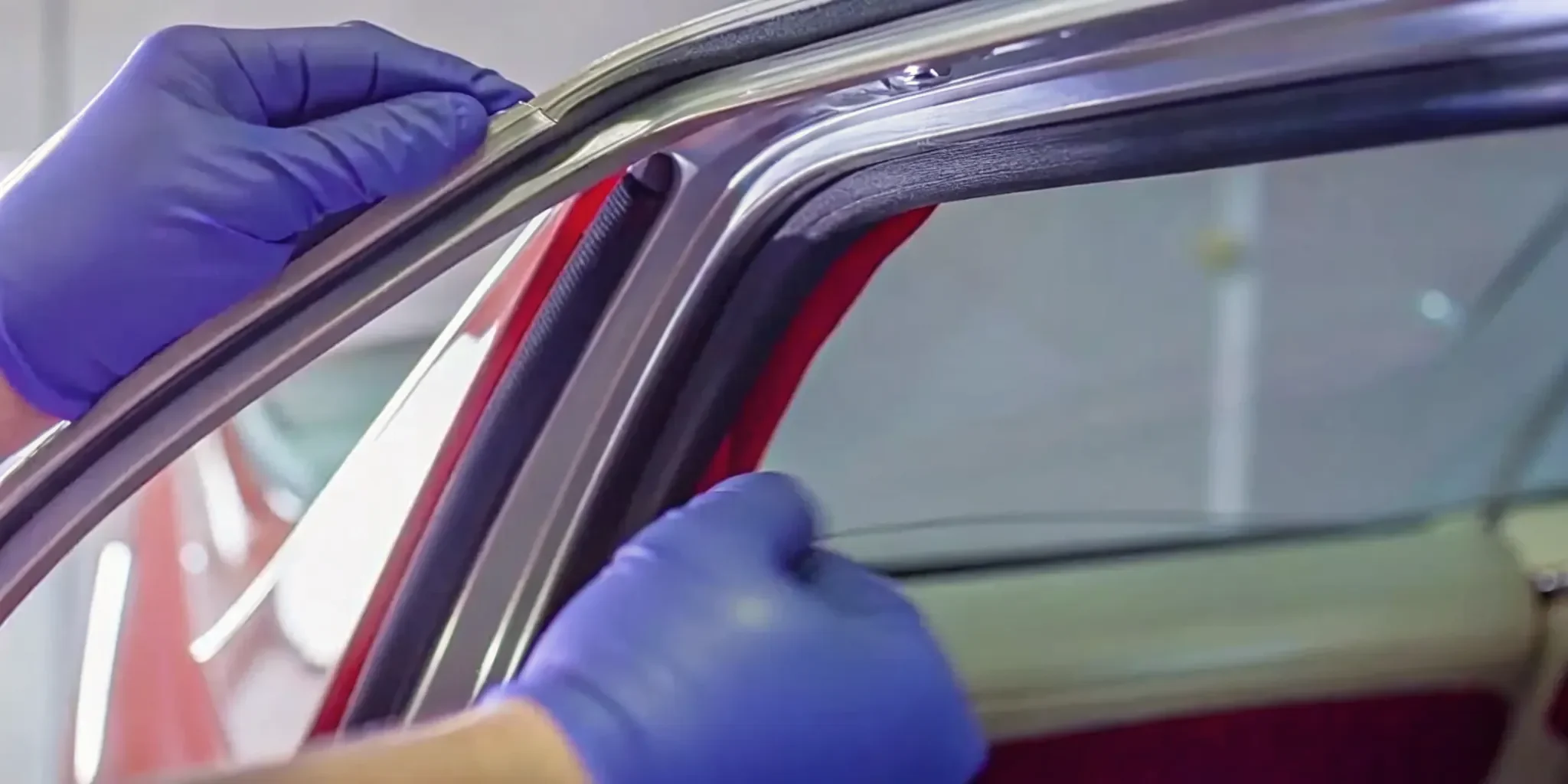
That whistling sound you hear on the highway isn’t just annoying; it’s a sign that your car’s defenses are down. Your window seals are the unsung heroes that block out wind, rain, and road noise, but they don’t last forever. When they crack and shrink, they can let water seep in, leading to bigger problems like rust and musty smells. The good news is that a car door window rubber seal replacement is a totally manageable project that can restore peace and quiet to your drive. This guide will walk you through every step, from spotting the first signs of wear to installing a new seal for a perfect, watertight fit.
Key Takeaways
Know the signs of a failing seal: Don't ignore puddles in your car, extra road noise, or visibly cracked and brittle rubber. These are clear indicators that your seals have worn out and are leaving your car vulnerable to damage.
Set yourself up for a successful DIY project: The key to a lasting repair is preparation. Always confirm you have the right seal for your car's make and model, completely clean the old grime from the window channel, and do a dry fit before using any adhesive.
Protect your new seals for the long haul: A little maintenance makes a big difference. Keep your new seals clean with simple soap and water, and apply a UV protectant every few months to prevent the sun from drying them out and causing cracks.
Is It Time to Replace Your Car's Window Seals?
Your car's window seals, also known as weatherstripping, are easy to overlook. These simple rubber strips run along the edges of your windows and doors, and they do some heavy lifting to keep your ride comfortable. They block out rain, wind, and road noise while helping your car’s heating and AC work more efficiently. But over time, exposure to Kansas City’s sun and changing seasons can cause them to crack, shrink, and harden. When that happens, they can’t do their job anymore. Ignoring a failing seal can lead to water damage, rust, and a noisy commute. Not sure if yours are on their way out? Here are a few clear signs to watch for.
Puddles or drips inside your car
Finding a puddle on your floor mat or seeing drip marks on your door panel after a storm is one of the most obvious signs of a bad window seal. When the rubber becomes old and cracked, it can no longer create a watertight barrier. This allows rain to seep into your car, which can lead to much bigger problems than just a damp carpet. That moisture can cause rust to form in your door frames and floor pans, create a musty smell from mold and mildew, and even damage sensitive electrical components inside your doors. If you notice any signs of water getting in, it’s time to inspect your seals right away.
A lot more wind noise on the highway
Do you find yourself turning up the radio more than you used to? If your daily drive down I-435 suddenly sounds a lot louder, your window seals could be the problem. Healthy seals press tightly against the glass, creating a barrier that keeps road and wind noise out. As they age and lose their flexibility, they can’t maintain that tight connection. This allows air to whistle through the gaps, especially at higher speeds. A sudden increase in noise is a sure sign that your seals are no longer protecting your cabin from the elements, making for a less peaceful and more distracting drive.
Cracks, brittleness, or visible wear
Sometimes, all it takes is a quick visual check to spot a failing window seal. Take a moment to look at the rubber trim around your car’s windows and doors. Healthy seals should be soft, flexible, and free of any damage. If you see visible cracks, notice that the rubber looks dried out and brittle, or find pieces that are flattened or missing entirely, the seal has reached the end of its life. Over time, they simply wear out. If the rubber feels hard to the touch instead of pliable, it has lost its ability to seal properly, leaving your car vulnerable to leaks and drafts.
Your window struggles to close
If your power window seems to slow down or struggle as it reaches the top, a worn-out seal might be to blame. As the rubber weatherstripping deteriorates, it can become misshapen or loose in its channel. This can create extra friction, causing the window to bind or catch as it tries to close. Your window’s motor has to work harder to overcome this resistance, which can put a strain on the motor and the window regulator. While other issues can cause a slow window, it’s a good idea to check the seal’s condition. If you’re having any trouble with your auto glass, it’s always best to get a professional opinion from our auto glass services team.
How to Pick the Perfect Replacement Seal
Okay, so you've identified the problem. Now comes the most critical part of the job: choosing the right replacement seal. This isn't a one-size-fits-all situation, and picking the wrong one can leave you right back where you started, with leaks and wind noise. Getting it right comes down to three simple things: making sure it's made for your car, picking the right material, and confirming the size is perfect. Let's walk through each one.
Match the seal to your car's specs
First, you need a seal that’s designed for your specific car. Every curve and angle of your door frame is unique, so a generic seal just won't cut it. Make sure any seal you consider is compatible with your vehicle make and model. This is the only way to guarantee it will fit properly and create that essential airtight barrier. When shopping, have your car's year, make, and model ready. Most auto parts websites have a tool where you can find parts for your vehicle to take the guesswork out of it. Getting this step right saves you a world of frustration.
Compare different seal materials
Next, let's talk materials. Most replacement seals are made of rubber, and for good reason. Rubber seals are a practical choice for DIY projects because they are fixed into place with a bit of glue and simple pressure. You'll often see EPDM rubber mentioned, a synthetic rubber known for its excellent resistance to heat and weather. It’s a durable, long-lasting option. You can learn more about the different types of rubber compounds used in vehicles to see why it's a popular choice. Sticking with a high-quality rubber seal is a safe bet for a reliable repair.
Measure your old seal for a perfect fit
Even if you buy a seal made for your exact car, it's smart to double-check the fit before gluing. Manufacturing differences can happen, and you don't want surprises. Before installing the new seal, take a moment to dry fit it in the window channel. This step is crucial to ensure the new seal fits perfectly and provides the necessary protection. You can lay the new seal alongside the old one to compare lengths. This simple check ensures you won't cut the new material too short or struggle with a piece that's too long. A few extra minutes here makes the final installation go much smoother.
A Quick Look at Popular Window Seal Brands
When you start shopping for a new window seal, you’ll notice a few brand names pop up again and again. Each one has its own strengths, so knowing what to look for can help you make the right choice for your car and your budget. Think of these brands as the go-to options in the auto parts world. Some are fantastic all-rounders perfect for your daily driver, while others specialize in parts for classic cars. Getting familiar with these names will make your search a lot easier and give you confidence that you’re buying a quality part that will last. Let’s walk through some of the most trusted brands you’re likely to encounter.
Dorman Products
If you’re looking for a reliable and straightforward replacement, Dorman is a name you’ll see everywhere. They are well-known for making high-quality automotive parts that are designed to be direct replacements for the original ones that came with your car. This means you can count on a proper fit, which is key to a successful DIY project. Dorman’s door window seal options are put through tough quality tests and are designed for easy installation, making them a favorite for DIYers who want a dependable part without any fuss.
3M Automotive
You probably know 3M for their tape and office supplies, but their automotive division is a powerhouse in the industry. They are experts in adhesives, and that expertise shines through in their window sealants. If you’re dealing with a leak, 3M’s products offer incredible durability and weather resistance to keep water out for good. Their reputation for quality is top-notch, so both professional mechanics and weekend warriors trust 3M to get the job done right. When you need a seal that’s going to stick and protect against the elements, 3M is a fantastic choice.
ACDelco
ACDelco is the official parts brand for General Motors, so if you drive a GM vehicle, this is a brand you should definitely consider. Their parts are engineered to meet or even exceed the original equipment manufacturer (OEM) specifications. In simple terms, that means their window seals are made to the exact standards of the parts your car was built with. This guarantees a perfect fit and long-lasting performance. Because of their commitment to quality and reliability, ACDelco seals are a solid choice for anyone wanting to restore their car’s original function and protection.
Steele Rubber Products
If you’re working on a classic or vintage car, Steele Rubber Products is the brand for you. They specialize in creating high-quality rubber parts that are exact replicas of the original seals for older vehicles. This is incredibly important for car restorers and enthusiasts who want to maintain the authentic look and feel of their classic ride. Their products are made from durable, modern materials that provide an authentic fit and finish while offering excellent protection. For anyone passionate about preserving a piece of automotive history, Steele Rubber is the go-to source.
Breaking Down the Cost of Window Seal Replacement
Let's talk numbers. The cost of replacing a window seal isn't one-size-fits-all. It can range from a small, do-it-yourself project to a more significant professional repair. The final price tag depends on a few key factors: the cost of the seal itself, whether you tackle the job yourself or hire a pro, and your car's specific needs.
Understanding these elements will help you budget accordingly and decide on the best approach for your vehicle. For some, saving money with a DIY fix is the way to go. For others, the peace of mind that comes with a professional installation is worth every penny. We'll walk through each part of the cost so you can make an informed choice that keeps your car dry and quiet without any surprises.
The cost of the seal itself
The replacement seal is your first expense, and its price can vary widely. The make, model, and year of your car are the biggest factors here. A seal for a common sedan will likely be more affordable than one for a luxury SUV or a classic car. You'll also find that dealership prices are often much higher than aftermarket options you can find online. While you can score a deal on marketplaces, be mindful of quality. A cheap, poorly made seal might not fit correctly or last very long, putting you right back where you started.
DIY savings vs. professional service costs
Doing the job yourself can definitely save you money on labor. For many older cars, the rubber seal is simply held in place with pressure and a little adhesive, making it a manageable weekend project. However, what you save in cash, you spend in time and effort.
Opting for a professional service means you're paying for expertise and a guarantee that the job is done right the first time. A technician has the tools and experience to ensure a perfect, watertight fit, preventing frustrating leaks and wind noise down the road. It’s a trade-off between your budget and your desire for a quick, worry-free solution.
What else affects the price?
Beyond the seal and labor, a few other things can influence the total cost. The specific window matters; a simple door window seal is usually less complex and cheaper to replace than a windshield gasket. If your door panel or other components have to be removed to access the seal, that will add to the labor time and cost. The key to a successful replacement is ensuring the ends of the weatherstripping fit together perfectly to create a complete seal. For a clear idea of what your specific repair will involve, it's always a good idea to get a free quote from a trusted local expert.
Where to Shop for Your New Window Seals
Once you know exactly what kind of window seal you need, the next step is to find it. You have a few great options, each with its own set of perks. Whether you prefer the convenience of online shopping, the hands-on help of a local expert, or the guaranteed quality of buying directly from the manufacturer, you can find the perfect part for your car. Think about your budget, how quickly you need the seal, and how confident you feel about picking the right one on your own. This will help you decide which route is best for your DIY project. Let’s look at the most common places to buy your replacement seals.
Online auto parts stores
For sheer variety and convenience, it’s hard to beat online retailers. Websites like Amazon, RockAuto, and specialty suppliers offer a massive selection of window seals for almost any make and model. You can easily compare prices, read customer reviews, and see what’s popular. For example, some universal T-shape weather strips have thousands of positive ratings, which can give you confidence in your purchase. The biggest advantage here is being able to shop from your couch and have the part delivered right to your door. Just be sure to double-check that the part number is an exact match for your vehicle before you click "buy."
Your local parts shop
If you’d rather see the part in person or want a second opinion, heading to your local auto parts store is a fantastic choice. Places like O'Reilly Auto Parts or AutoZone have knowledgeable staff who can help you find the right seal and answer any questions you might have. This is especially helpful if you’re working on a classic car or have a less common model. Bringing a piece of your old seal with you can make the matching process even easier. Building a relationship with your local parts experts can be a huge help for future projects, giving you a reliable source for advice and quality components.
Buying straight from the source
For a guaranteed perfect fit and original quality, your best bet is to buy an OEM (Original Equipment Manufacturer) part directly from your car dealership’s parts department. These seals are made by the same company that built your car, so you know they will match the original specifications exactly. While this is often the most expensive option, it removes any guesswork. A precise fit is critical for creating a complete, weatherproof seal that protects your car’s interior from water and wind noise. You can learn more about the differences between OEM and aftermarket parts to decide if the investment is right for you.
Your Step-by-Step Guide to Replacing the Seal
Alright, you’ve got your new seal and you’re ready to get started. This project is totally doable, and taking your time is the key to getting a professional-looking result. Just follow these steps, and you’ll have a fresh, watertight seal in no time. Think of it as giving your car a mini-makeover that also protects it from the elements. If at any point you feel like you’re in over your head, don’t worry. Sometimes a quick job can turn into a bigger headache, and that’s when calling in a professional for auto glass services is the smartest move. But if you’re ready to tackle it yourself, let’s get to it.
Step 1: Gather your tools
First things first, let's get your workspace set up. Having everything you need within arm's reach will make the whole process go much smoother. You’ll definitely need your new weatherstripping, a utility knife or sharp scissors for trimming, and some rags for cleanup. While you can often get by with just the basics, a few extra items can make a world of difference. A set of plastic trim removal tools can help you pry off old, stubborn seals without scratching your car’s paint. It’s also a good idea to have some weatherstripping adhesive and a silicone spray lubricant on hand to help the new seal slide into place easily.
Step 2: Take out the old seal
Now it’s time to say goodbye to that old, worn-out seal. Start at one corner and begin carefully pulling the rubber strip away from the door frame. It might come off in one long piece, or it might crumble and break apart, especially if it’s old and brittle. The most important thing here is to be thorough. Go over the entire channel and make sure every last bit of the old rubber is gone. Any small pieces left behind can create bumps or prevent the new seal from sitting flush, which could lead to leaks down the road. Take your time with this step to create a perfectly clean slate.
Step 3: Clean and prep the channel
With the old seal out of the way, you’ll likely see a channel full of old adhesive, dirt, and grime. Getting this area completely clean is critical for helping the new seal adhere properly. Grab a rag and a good cleaner, like an adhesive remover or rubbing alcohol, to wipe down the entire channel. You want to remove any residue that could interfere with the new seal’s fit. A clean surface ensures a strong bond and a tight, long-lasting seal against wind and water. Once it’s clean, let the area dry completely before you move on to the next step.
Step 4: Press in the new seal
This is the satisfying part where it all comes together. Before you reach for the adhesive, do a dry fit. Starting at one end, gently press the new seal into the channel, working your way all around the door frame. This allows you to check the fit and figure out exactly where you need to trim it for a perfect length. Once you’re happy with the fit, you can remove it, apply a thin, even bead of weatherstripping adhesive into the channel (if your seal requires it), and then firmly press the new seal into place. Work in small sections to ensure it’s seated properly.
Step 5: Check your work
You’re almost done! After the new seal is installed, give it a final, thorough inspection. Run your fingers along the entire length to make sure it’s snug and fully seated in the channel. Pay close attention to the corners and where the two ends of the seal meet. You want them to butt up against each other tightly, creating a continuous barrier with no gaps. Close the door a few times to see how it feels. It might be a little snug at first, but it should close securely. This final check ensures you’ve created a complete seal that will keep your car quiet and dry.
Common DIY Mistakes (and How to Avoid Them)
Taking on a DIY project like replacing your window seals can be really satisfying, but a few common slip-ups can turn a simple job into a frustrating mess. I’ve seen it happen plenty of times. The good news is that these mistakes are completely avoidable if you know what to look out for. A little bit of prep and patience goes a long way in making sure your new seals fit perfectly and keep the elements out for years to come. Let’s walk through the most frequent errors so you can get the job done right the first time.
Forgetting to dry fit first
Before you even think about reaching for the adhesive, you need to do a dry fit. This just means placing the new rubber seal into the window channel without any glue. It’s a critical step that lets you check the length and fit, making any necessary trims before things get sticky. You can ensure everything lines up perfectly and sits snugly in the channel. Taking a few extra minutes to dry fit the seal saves you from the major headache of trying to adjust a glue-covered seal or discovering it’s too short after you’ve already started.
Using the wrong glue
Not all adhesives are created equal, and the glue you use for a household project probably isn't right for your car. For a secure, weatherproof bond, you should use an adhesive specifically designed for automotive weatherstripping. These products are formulated to withstand temperature changes, moisture, and vibrations without failing. Using the wrong type of glue can lead to a weak seal that peels away, letting in wind and water. While it might not seem like a big deal, choosing the right weatherstripping adhesive is one of the most important decisions for making your repair last.
Not letting the adhesive cure
Patience is a virtue, especially when you’re working with adhesives. After you’ve applied the glue and set the seal in place, you have to give it time to cure properly. Curing is the chemical process where the adhesive hardens and creates a permanent bond. If you rush this step and close the door or roll down the window too soon, you can shift the seal out of place and ruin the bond. Check the instructions on your adhesive for the recommended curing time, which is often at least an hour, and let it sit undisturbed.
Skipping the final lubrication
Once your new seal is installed and the adhesive has fully cured, there’s one final step that many people skip: lubrication. Applying a silicone lubricant to the rubber helps protect it from the elements, preventing it from drying out, cracking, or sticking to the window glass. This simple maintenance step keeps the rubber flexible and extends its lifespan significantly, ensuring your hard work pays off for the long haul. A quick spray of a silicone lubricant is all it takes to protect your investment and keep your new seals in top condition.
How to Keep Your New Seals in Great Shape
You’ve put in the work to replace your car’s window seals, and now you want them to last. A little bit of care goes a long way in protecting your investment and keeping your car’s interior safe from the elements. Proper maintenance prevents the rubber from drying out, cracking, and shrinking, which means you won’t have to deal with surprise leaks or annoying wind noise anytime soon. By spending just a few minutes on upkeep every few months, you can extend the life of your new seals and keep them performing just like they did on day one.
Simple cleaning and inspection tips
Keeping your new seals clean is one of the easiest ways to maintain them. During your regular car wash, take a moment to wipe the rubber seals with a soft microfiber cloth, mild soap, and water. This removes any dirt and grime that can wear down the material over time. Avoid using harsh, oil-based cleaners or solvents, as these can cause the rubber to deteriorate. While you’re cleaning, give the seals a quick inspection. Look for any signs of cracking, tearing, or areas where the seal might be pulling away from the frame. Catching these small issues early can save you from a bigger headache down the road.
Shielding seals from sun damage
The sun’s UV rays are the biggest threat to your new rubber seals. Over time, sun exposure can cause the material to become brittle and crack. To protect them, consider applying a water-based rubber protectant or conditioner every few months. These products are designed to block UV rays and keep the rubber soft and flexible. If you can, parking in a garage or using a car cover offers excellent protection. Remember, new seals are spongy and create a tight fit. A quality automotive rubber protectant helps them stay that way, ensuring they continue to block out water and wind noise effectively.
When to call in the pros
While DIY replacement is a great way to save money, sometimes a professional touch is necessary. If you’ve replaced the seal but still notice a leak, or if you see signs of rust in the window channel, it’s time to call for an expert opinion. Damaged seals can let water in and cause expensive damage to your car's interior and frame. If you’re not confident in the fit or suspect the problem might be with the glass itself, our team at Avision Auto Glass is here to help. We can diagnose the issue and provide professional auto glass services to ensure your vehicle is perfectly sealed. Give us a call for a free, same-day quote.
Related Articles
- Side Window Replacement 101: A Complete Guide
- Rear Quarter Glass Replacement: Step-by-Step
- The Pro's Guide to Classic Car Auto Glass Installation
- When To Replace Your Windshield Wipers
Frequently Asked Questions
How long should my car's window seals last? There isn't a strict expiration date for window seals, as their lifespan really depends on your car's environment. A car that's always garaged will have seals that last much longer than one that's constantly exposed to Kansas City's sun and ice. Generally, you can expect them to last for many years, but it's a good idea to start inspecting them for cracks or brittleness after about five to seven years.
Can I just repair a small tear in my window seal? While it might be tempting to patch a small crack with some silicone or adhesive, this is usually just a temporary fix. A patch won't have the same flexibility and durability as the rest of the seal, so it's likely to fail again quickly. For a reliable, long-term solution that keeps water and noise out for good, replacing the entire seal is always the best approach.
Is replacing a window seal a difficult DIY project? For many cars, especially older models, this is a very manageable project for a weekend DIYer. The process mostly involves pulling out the old seal and pressing in the new one. However, on some newer vehicles, the seal might be integrated with the door panel, which makes the job more complex. If you're not comfortable removing interior panels, it's best to leave it to a professional.
Will new window seals really make my car quieter? Yes, you'll likely notice a significant difference. A major job of your window seals is to create a barrier against outside noise. When they become old and hardened, they leave tiny gaps that let wind and road noise whistle into the cabin. A new, flexible seal will press tightly against the glass and door frame, restoring that quiet ride you're used to.
What happens if I ignore a bad window seal for too long? Putting off this repair can lead to some serious and expensive problems down the road. A leaky seal allows water to seep into your doors and onto your floor, which can cause rust to form in the door frames and floor pans. That moisture can also lead to musty smells from mold and can even damage the electrical components inside your doors, like your power window switches and speakers.