
Rear Quarter Glass Replacement: A How-To Guide
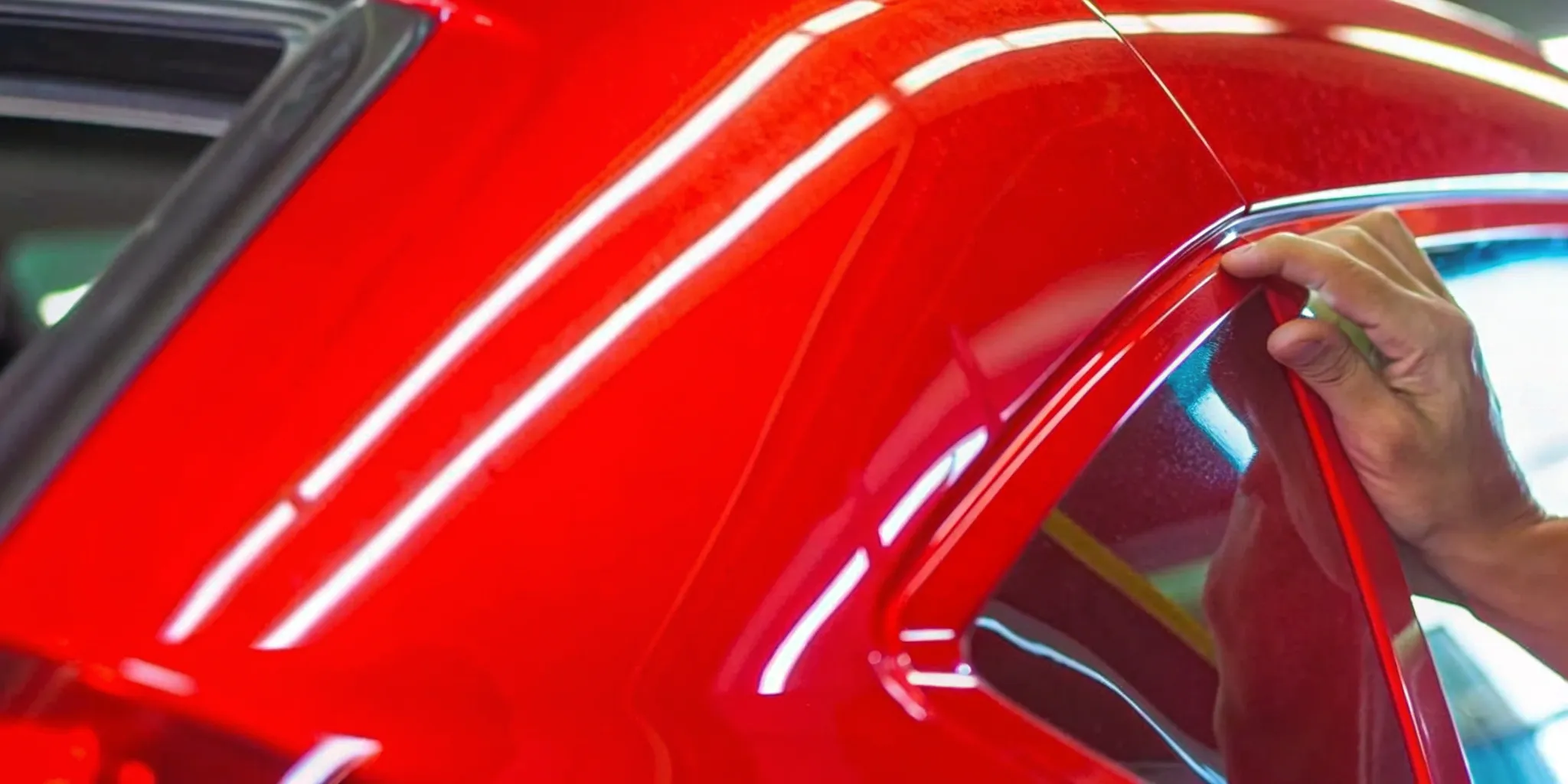
That small, triangular window behind your rear passenger door might be the most overlooked piece of glass on your car—until it breaks. Suddenly, a stray rock or an unfortunate accident leaves you with a hole that invites in wind, rain, and unwanted attention. While it may seem like a minor issue, this component, known as the quarter glass, is crucial for your vehicle's structural integrity and your visibility. This guide is your complete resource for tackling a rear quarter glass replacement. We'll walk through everything from identifying the signs of damage to a step-by-step installation process, helping you decide if this is a project you can handle yourself or when it’s time to call in the pros for a safe, secure fit.
Key Takeaways
- Prioritize Quarter Glass Replacement: Unlike a windshield, this tempered safety glass cannot be repaired. Any chip or crack requires a full replacement to ensure your vehicle's structural integrity and safety.
- Weigh DIY vs. Professional Repair Carefully: Replacing quarter glass is often more complex than it looks. If you need a warrantied repair, are using insurance, or are uncomfortable removing interior trim, calling a professional is the most reliable option.
- Never Skip the Curing Time: For a DIY installation to succeed, you must let the adhesive cure completely before driving. Rushing this step is the most common mistake and will likely result in leaks, wind noise, and an insecure window.
What Is Rear Quarter Glass, Anyway?
Ever noticed that small, fixed window behind your rear passenger doors? That’s the rear quarter glass. It might not get as much attention as your windshield, but it’s a surprisingly important part of your vehicle’s design and safety system. Let's take a closer look at what it does and why you should care if it gets damaged.
Its Role in Your Car's Structure
Think of the rear quarter glass as more than just a window—it's a key piece of your car's puzzle. Designers use it to complete the vehicle's shape, helping with aerodynamics and giving you a clearer view of your surroundings. This small panel contributes to the overall strength of your car's frame. Because it's fitted so precisely into the body, replacing it can be tricky. Our technicians often need to carefully remove interior trim and panels to access it, which shows just how integrated it is. It’s a small but mighty component of your car's complete auto glass system.
Why It's Key for Safety
When it comes to safety, the rear quarter glass pulls its weight. First, it helps you see better by reducing blind spots, which is crucial for changing lanes or backing up. Second, it’s made from tempered safety glass. Unlike your windshield, which is laminated, tempered glass is designed to shatter into tiny, pebble-like pieces on impact. This prevents large, sharp shards from flying around during an accident. That’s why even a small chip or crack means the entire panel needs to be replaced to keep you safe. At Avision, our commitment is to ensure every piece of glass on your car meets safety standards.
Signs It's Time for a Replacement
You might not think much about that little window in the back of your car, but your rear quarter glass plays a big role in your vehicle's safety and structure. It's easy to ignore minor damage on such a small pane, but even a tiny issue can become a major headache, affecting everything from your visibility to keeping rain out of your car. If you’re not sure whether that chip is a big deal, here are the clear signs that it’s time to schedule a replacement.
Cracks, Chips, and Shatters
The most obvious red flag is visible damage. A rock from the highway or a stray baseball can leave a chip, crack, or even shatter your quarter glass. While this glass is designed to break into small, less harmful pieces, any crack compromises its structural integrity. Unlike a windshield, which can sometimes be repaired, this tempered glass almost always requires a full replacement. For your safety, it's crucial to get a professional replacement right away. Ignoring it leaves your car vulnerable to theft and the elements, and a compromised window won't protect you in an accident.
Leaks and Unwanted Wind Noise
Have you noticed a new whistling sound on the highway or a mysterious damp spot after it rains? These are classic signs that the seal around your quarter glass has failed. Over time, the adhesive holding the glass in place can degrade, creating tiny gaps. These gaps let in wind and water, leading to annoying noises, water damage, and even mold growth inside your car's panels. While a bad seal is sometimes the only problem, it often points to a flawed installation, making a full replacement the safest and most effective solution.
Blocked or Distorted Views
That small piece of glass is more important for your visibility than you might realize, helping you check blind spots when changing lanes or backing up. If the glass is covered in deep scratches, has a hazy film, or is distorted from a poor repair, it can seriously obstruct your view. Your safety depends on having a clear line of sight all around your vehicle. Don't compromise on visibility. If you can't see through your quarter glass clearly, it's time to have licensed and insured technicians install a new one to restore your view and keep you safe.
Get Your Toolkit Ready
Before you dive in, let’s talk prep. Just like a chef lays out all their ingredients before cooking, getting your tools and materials in order will make this entire process smoother and safer. Having everything within arm's reach prevents you from scrambling mid-job and helps you focus on doing things right. This isn't a project you want to start and then realize you're missing a key item.
Essential Removal and Installation Tools
Replacing a quarter glass panel often requires more than just a screwdriver. To get the job done correctly, you’ll need to remove interior trim panels to access the glass. It’s also a smart move to disconnect your car’s battery as a safety precaution, especially if you’re working near any airbags. Here’s a solid starting list of what you’ll want to have on hand:
- Safety glasses and heavy-duty gloves
- A set of plastic trim removal tools (to avoid scratching your car’s interior)
- Socket and ratchet set
- Screwdrivers (both Phillips and flat-head)
- A utility knife or a specialized cold knife to cut through the old adhesive
- Glass suction cups for safely handling the new panel
- A shop vacuum for cleaning up any stray glass shards
The Right Adhesives and Sealants
The seal around your auto glass is a critical structural component, so this isn't the place to grab any old glue from the hardware store. You'll need a high-quality urethane adhesive specifically designed for auto glass services. This creates a strong, permanent, and waterproof bond that keeps you safe. Don't forget the primer—it helps the urethane stick properly to both the glass and the car's frame. Applying it correctly is just as important as the product itself. Rushing the application or not letting it cure fully can lead to leaks and wind noise down the road.
Must-Have Safety Gear
This should go without saying, but your safety always comes first. Broken glass is incredibly sharp, and the chemicals in primers and adhesives can be harsh. Before you start, make sure you have your safety gear ready to go. At a minimum, you’ll need thick, cut-resistant gloves to protect your hands and a pair of safety glasses or goggles to shield your eyes from flying debris. Working in a well-ventilated area is also a great idea, especially when you start working with the adhesive and primer. A little preparation here goes a long way in preventing accidents.
How to Safely Remove the Old Glass
Alright, with your tools and safety gear ready, it’s time to tackle the removal. This is where patience really pays off. Rushing through these steps can lead to damaging your car’s interior or, worse, injuring yourself. The goal is to get the old, damaged glass out cleanly so you have a perfect surface for the new panel. We’ll break it down into three main stages: prepping your car, getting the interior trim out of the way, and finally, removing the glass itself. Remember to work in a well-lit area and give yourself plenty of space. If you’re feeling unsure at any point, it’s always better to pause and reassess than to push forward and cause more problems. Taking your time here will make the installation process much smoother.
Prep Your Car and Workspace
First things first: safety. Before you touch a single tool, disconnect your car’s battery. This is a crucial step to prevent the side curtain airbags from accidentally deploying while you’re working, which can be incredibly dangerous. Once the battery is disconnected, clear out the area around the quarter glass, both inside and outside the car. Remove any personal items, car seats, or clutter that might get in the way or get covered in glass shards. A clean workspace is a safe and efficient workspace. Our team of licensed and insured technicians makes this a priority on every job to ensure a flawless and safe repair.
Remove Interior Panels and Trim
To get to the quarter glass, you’ll need to remove the interior plastic panels and trim surrounding it. This process can vary a lot depending on your vehicle’s make and model. Usually, it involves carefully prying off the interior pillar panels or parts of the door panel. You might need a trim removal tool to pop the clips without breaking them. In some cars, you may even need to remove the main door window and the vertical divider to access the quarter glass fasteners. Take it slow, and if you’re unsure, look up a guide specific to your vehicle. This careful disassembly is a standard part of most auto glass services.
Extract the Glass and Clear Debris
With the trim removed, you can now see how the quarter glass is held in place. It’s typically secured with a strong adhesive and sometimes a few bolts or fasteners. Carefully cut through the old urethane adhesive with a utility knife or a specialized cold knife. Once the adhesive is cut, you can gently push the old glass out from the inside. If the glass is shattered, your job is now to meticulously clean every last bit of debris from the frame and your car’s interior. A vacuum with a crevice tool is your best friend here. A perfectly clean frame is essential for the new adhesive to bond correctly. If this step feels overwhelming, don't hesitate to get in touch with us for a hand.
Install the New Glass: A Step-by-Step Guide
With the old glass out of the way, you’re ready for the main event: installing the new panel. This is where precision is everything. A sloppy installation can lead to leaks, wind noise, or even an insecure piece of glass. The goal is to create a bond that’s just as strong and seamless as the original factory seal. It might seem straightforward, but getting the details right requires a steady hand and a bit of patience.
Take your time with each of these steps. Rushing through the installation is the quickest way to make a mistake that’s difficult to fix later. From prepping the frame to letting the adhesive cure, every part of the process plays a role in the final result. If at any point you feel unsure, remember that our licensed and insured technicians are always ready to help. Let’s walk through how to get that new glass fitted perfectly.
Prepare the Frame for a Clean Fit
A perfect seal starts with a perfectly clean surface. Before you even think about picking up the new glass, you need to prepare the vehicle’s frame. This means getting rid of every last bit of the old urethane adhesive. Use a utility knife or a specialized scraper to carefully cut away the old material, making sure you don’t scratch the paint. Once the bulk of it is gone, wipe the frame down with a primer or solvent designed for auto glass installation. This step ensures the new adhesive will form a strong, lasting bond. Don’t forget to clear out any leftover glass shards or debris from the area.
Apply the Adhesive and Position the Glass
Now it’s time to apply the new urethane adhesive. Using a caulking gun, lay down a consistent, even bead of adhesive around the entire perimeter of the frame where the glass will sit. The key here is consistency—no gaps, thin spots, or bubbles. Once the adhesive is in place, you need to work efficiently. Carefully pick up the new quarter glass, line it up, and press it firmly into the adhesive. It’s often helpful to use suction cups for a better grip. Gently push along the edges to ensure the glass makes solid contact all the way around, creating a watertight seal.
Secure and Align the New Panel
With the glass in place, the final step is making sure it’s perfectly aligned and secure while the adhesive cures. Some vehicles require you to reinstall a vertical divider or other trim pieces to hold the stationary glass. Check that the gaps around the glass are even on all sides. You can use painter’s tape to hold the glass securely against the frame, preventing it from shifting or sliding while the urethane sets. This alignment is critical for preventing future leaks and ensuring all your auto glass services result in a factory-quality finish.
Ensure a Watertight, Weatherproof Fit
You’re almost at the finish line! With the new quarter glass in place, it’s tempting to call it a day. But these final steps are what separate a temporary fix from a lasting, professional-quality repair. Ensuring a perfect seal is non-negotiable, as it protects your car’s interior from water damage, reduces road noise, and maintains the structural integrity of your vehicle. A small gap or a weak bond can lead to frustrating and costly problems down the road, like rust, mold, or electrical issues. This is where patience and attention to detail really pay off. Taking the time to test, cure, and inspect your work will give you peace of mind and ensure your repair holds up against Kansas City’s unpredictable weather.
Test for Leaks and Gaps
First things first: let’s make sure your new glass is completely sealed. The easiest way to do this is with a gentle water test. Use a garden hose on a low-pressure setting and run water over the edges of the new glass. Have a friend sit inside the car with a flashlight to watch for any drips or moisture seeping through the seal. Pay close attention to the corners, as these are common trouble spots. Remember, some vehicles make accessing the quarter glass a real challenge, requiring you to remove interior trim or even seats. When you put everything back together, it’s easy to create a tiny gap. Running your fingers along the interior trim can also help you feel for drafts that indicate a poor seal. If you find a leak, you’ll need to address it before the adhesive fully cures.
Let the Adhesive Cure (Don't Rush It!)
I know you’re eager to get back on the road, but this step requires patience. The urethane adhesive that holds your glass in place needs time to cure and form a strong, permanent bond. Driving too soon after installation is one of the most common mistakes that can compromise the entire repair. A sudden jolt from a pothole or the simple vibration of the road can shift the glass and break the seal before it’s fully set. Check the adhesive manufacturer’s instructions for the recommended cure time. Most will have a minimum "safe drive-away time," often within a few hours, but a full cure can take 24 hours or more. During this period, avoid slamming doors, washing your car (especially with a pressure washer), or leaving it parked on an uneven surface.
Run Through a Final Inspection
Once the adhesive has had time to cure, it’s time for one last look. This final inspection ensures everything is exactly as it should be. Start by visually checking the exterior—is the glass sitting flush with the body of the car? Is the adhesive bead neat and uniform? Next, move inside. Re-examine all the interior panels and trim you removed. Are they snapped in securely? Are there any new rattles or squeaks? If you had to disconnect the battery or any wiring, confirm that all electronic components are working correctly. A professional repair always includes a thorough check of these details, which is why Avision offers a lifetime workmanship warranty on our work. Taking a few extra minutes to confirm every clip and screw is back in place will ensure your car looks and feels just like it did before the damage.
Common Mistakes That Can Ruin Your Hard Work
You’ve followed the steps, you have the right tools, and you’re feeling accomplished. That’s great! But before you call it a day, let’s talk about a few common missteps that can turn a successful installation into a frustrating do-over. Getting the new glass in is a huge part of the job, but the final steps—and the ones you take right before you start—are just as critical. Avoiding these simple mistakes ensures your hard work pays off with a secure, leak-free fit that lasts for years to come.
Driving Before the Adhesive Cures
This is probably the most tempting mistake to make. You’ve finished the job, and you’re ready to get back on the road. But hitting the highway too soon can completely undermine the installation. The urethane adhesive needs time to cure and form a rock-solid, watertight bond between the glass and your car’s frame. Driving before it's fully set can cause the glass to shift, creating gaps that lead to leaks or wind noise. Even worse, it compromises the structural integrity of the glass, which is a major safety issue. Always check the adhesive manufacturer’s instructions for the recommended cure time and give your car the rest it needs.
Rushing the Prep Work
It’s easy to get excited about putting the new glass in, but rushing the prep work is a recipe for problems. Quarter glass can be tricky to access, often requiring the careful removal of interior trim, seats, or other components. If you skip these steps or hurry through them, you risk damaging your car's interior or failing to create a clean surface for the new adhesive. A proper installation depends on a perfectly prepared frame, free of old sealant and debris. Taking your time here ensures the new glass sits correctly and the adhesive forms a perfect seal, preventing future headaches like leaks or rattles.
Forgetting Important Safety Steps
Your safety should always be the top priority. One of the most critical but easily overlooked steps is disconnecting the car battery before you begin. Many vehicles have side-impact or curtain airbags located near the rear quarter glass. Failing to disconnect the power source creates a risk of accidental airbag deployment, which can cause serious injury. Beyond that, always wear your safety glasses and gloves to protect against sharp edges. Double-checking these safety measures takes only a few moments, but it’s essential for protecting yourself and ensuring the job goes smoothly. If you feel unsure at any point, it's always best to contact a professional for your auto glass services.
Challenges You Might Face (and How to Solve Them)
Even the most straightforward DIY project can throw you a curveball. Replacing your rear quarter glass is no exception, especially since every car model has its own quirks. Some challenges are just minor annoyances, while others can quickly turn your weekend project into a major headache. Knowing what to look out for can help you decide if you’re ready to tackle the job or if it’s time to call in a pro.
Let’s walk through a few common hurdles you might encounter. The key is to work slowly, stay organized, and never force a part that doesn’t want to budge. If you find yourself stuck, remember that our team has seen it all and can get your car back to perfect condition without the stress.
Reaching Hidden Fasteners
One of the first tricky spots you’ll likely hit is getting to the glass itself. Unlike a windshield, quarter glass is often tucked behind layers of interior trim. Depending on your vehicle, you might need to remove interior panels, fold down or even completely take out the back seats, or disassemble parts of the cargo area just to access the fasteners holding the glass in place.
The solution here is patience. Use a plastic trim removal tool to gently pry panels off without scratching them. It’s a great idea to take photos as you go and keep all your screws and clips in a labeled container. This little bit of organization will save you a ton of frustration when it’s time to put everything back together.
Handling Wires and Weather Stripping
Modern cars are packed with technology, and sometimes that tech lives near your quarter glass. You might find defrost lines, antennas, or sensor wires running along the edge of the window. It’s incredibly important to handle these with care. Before you start, it’s always a smart move to disconnect the car battery. This simple step can prevent an accidental airbag deployment, which can be triggered when you’re working near the interior panels. You’ll also need to carefully remove the old weather stripping to ensure the new glass gets a perfect, watertight seal. If the old stripping is brittle or damaged, you’ll need to replace it.
Cleaning Up Shattered Glass Safely
If your quarter glass shattered, you’re left with a big mess. Tempered glass is designed to break into thousands of tiny, pebble-like pieces. While this is safer than large shards, those little bits get everywhere—deep in the carpet, inside the door frame, and in every hidden crevice. A household vacuum might not be powerful enough to get it all. You’ll need a shop vac and a lot of patience to thoroughly clean the area. Skipping this step can leave dangerous glass particles behind for your passengers to find later. This is often the most tedious part of the job, and it’s one of the best reasons to trust a professional with your auto glass services.
When to Skip the DIY and Call a Professional
While tackling a car repair yourself can be incredibly satisfying, some jobs are best left to the experts. Replacing your rear quarter glass often falls into that category. Before you find yourself surrounded by car parts with a tube of adhesive you’re not sure how to use, it’s worth considering if a DIY approach is the right fit for your situation. A professional can handle the entire process, from sourcing the right glass to ensuring a perfect, leak-proof seal.
Sometimes, the time, risk, and potential for costly mistakes just aren’t worth the savings. If you’re dealing with a complex vehicle design, want to use your insurance, or simply need the peace of mind that comes with a warranty, calling a professional is your smartest move. At Avision Auto Glass, we provide mobile auto glass services throughout the Kansas City area, bringing the solution right to your driveway.
Your Vehicle Has a Complex Design
Modern vehicles are packed with technology, and what seems like a simple piece of glass can be tied into complex structural and electronic systems. Accessing the rear quarter glass often requires more than just popping off a panel. In many cars, you might need to remove interior trim, take out seats, or even disassemble parts of the cargo area just to reach the mounting frame. One wrong move could damage a clip, scratch your interior, or interfere with a sensor. A professional technician has the experience and specialized tools to handle these intricate jobs without causing collateral damage.
You Want to Use Your Insurance
If you plan on filing an insurance claim for the damage, doing the work yourself can create major headaches. Most insurance providers prefer, and may even require, that repairs be completed by a licensed and insured technician to ensure the work meets safety standards. A DIY mistake, like driving too soon after installation or failing to properly seal the glass, could lead to leaks or structural issues down the road. These problems might not be covered by your policy and could even complicate your initial claim, leaving you to pay for everything out of pocket. Working with a trusted company like Avision Auto Glass ensures the job is done right and your claim process goes smoothly.
You Need a Guaranteed, Warrantied Repair
When you complete a DIY project, you’re on your own if something goes wrong. If a leak appears after the first rainstorm or you start hearing wind noise on the highway, you’ll have to spend more time and money to fix it. Professional auto glass companies stand behind their work. For example, we offer a lifetime workmanship warranty on our installations. This guarantee gives you complete peace of mind, knowing that if any issues arise from the repair, you’re covered. You can drive away confidently, knowing the job was done correctly and is backed by a promise of quality. If you’re ready for that level of assurance, you can get a free quote today.
Keep Your New Glass Looking Great
You’ve put in the work to replace your rear quarter glass, and now it’s time to make sure it stays in pristine condition. With the right cleaning techniques and a few preventative habits, you can keep your new glass looking crystal clear for the long haul. Proper care not only maintains visibility but also protects your investment and keeps your car looking sharp. A little bit of attention goes a long way in preventing future damage and ensuring your hard work pays off.
The Right Way to Clean Your Glass
To get a streak-free shine without causing any harm, start with the right supplies. Grab an ammonia-free auto glass cleaner and a clean microfiber towel. Ammonia-based cleaners can damage window tints and protective coatings over time, so it’s best to avoid them entirely. Instead of spraying the cleaner directly onto the glass, which can cause overspray on your car’s interior, spray a light mist onto your microfiber towel first. Wipe the glass in smooth, even strokes to remove dirt and grime. Using a second, dry microfiber towel to buff the glass afterward is a great way to get a perfect finish.
Tips to Prevent Future Chips and Cracks
Maintaining your new glass is easier than you think. First, try to clean your windows in a shaded area rather than in direct sunlight. The heat from the sun can cause the cleaner to evaporate too quickly, leaving behind stubborn streaks and residue. Second, remember that less is more when it comes to cleaner—a small amount is usually all you need. Finally, make it a habit to regularly wipe down the glass with a dry microfiber cloth. This simple step removes the dust and debris that can cause tiny scratches over time. These small habits are the key to extending the life of your auto glass and keeping your view unobstructed.
Related Articles
- 4 Ways a Cracked Windshield Puts Your Safety at Risk
- FAQ | Avision Auto Glass
- Blog | Avision Auto Glass
- Auto Glass Replacement Service Kansas City, MO
- Auto Glass Repair Service Olathe, KS | Avision Auto Glass
Frequently Asked Questions
Can a small chip in my rear quarter glass be repaired like a windshield chip? This is a great question because the answer is almost always no. Your windshield is made of laminated glass, which allows for resin repairs. Your quarter glass, however, is tempered glass. It's designed to shatter into small, pebble-like pieces upon impact for safety. Any chip or crack compromises its entire structure, so a full replacement is the only safe solution to ensure it performs as intended in an accident.
How long will I be without my car for a professional quarter glass replacement? One of the best parts about professional service is the efficiency. A skilled technician can typically replace a rear quarter glass in about an hour. After that, you'll need to wait for the adhesive to cure before you can safely drive. This "safe drive-away time" is usually just a few hours, meaning you can get back to your day with minimal disruption.
Is it okay to drive my car if the quarter glass is just cracked or completely shattered? Driving with a damaged quarter glass isn't a good idea. If it's shattered, your car is exposed to weather and theft. Even if it's just cracked, the glass has lost its structural strength, which can affect your car's overall safety in a collision. It also creates a significant blind spot. It's best to get it replaced as soon as you can to keep your car secure and your drives safe.
Why is using a specific auto glass adhesive so important? The adhesive used for auto glass is much more than just glue; it's a structural component of your vehicle. Professional-grade urethane creates a permanent, waterproof bond that helps maintain the rigidity of your car's frame and ensures safety systems, like airbags, function correctly. Using the wrong product can lead to dangerous leaks, wind noise, or even the glass detaching in an accident.
Will my insurance cover the cost of a rear quarter glass replacement? In many cases, yes. Most comprehensive auto insurance policies cover damage to all your car's glass, not just the windshield. It's always a good idea to check your specific policy details or give your insurance agent a call. Professional auto glass shops are experienced in handling insurance claims and can often manage the paperwork for you, making the process much simpler.
Double-click to edit...
