
Classic Car Auto Glass Installation: A Step-by-Step Guide
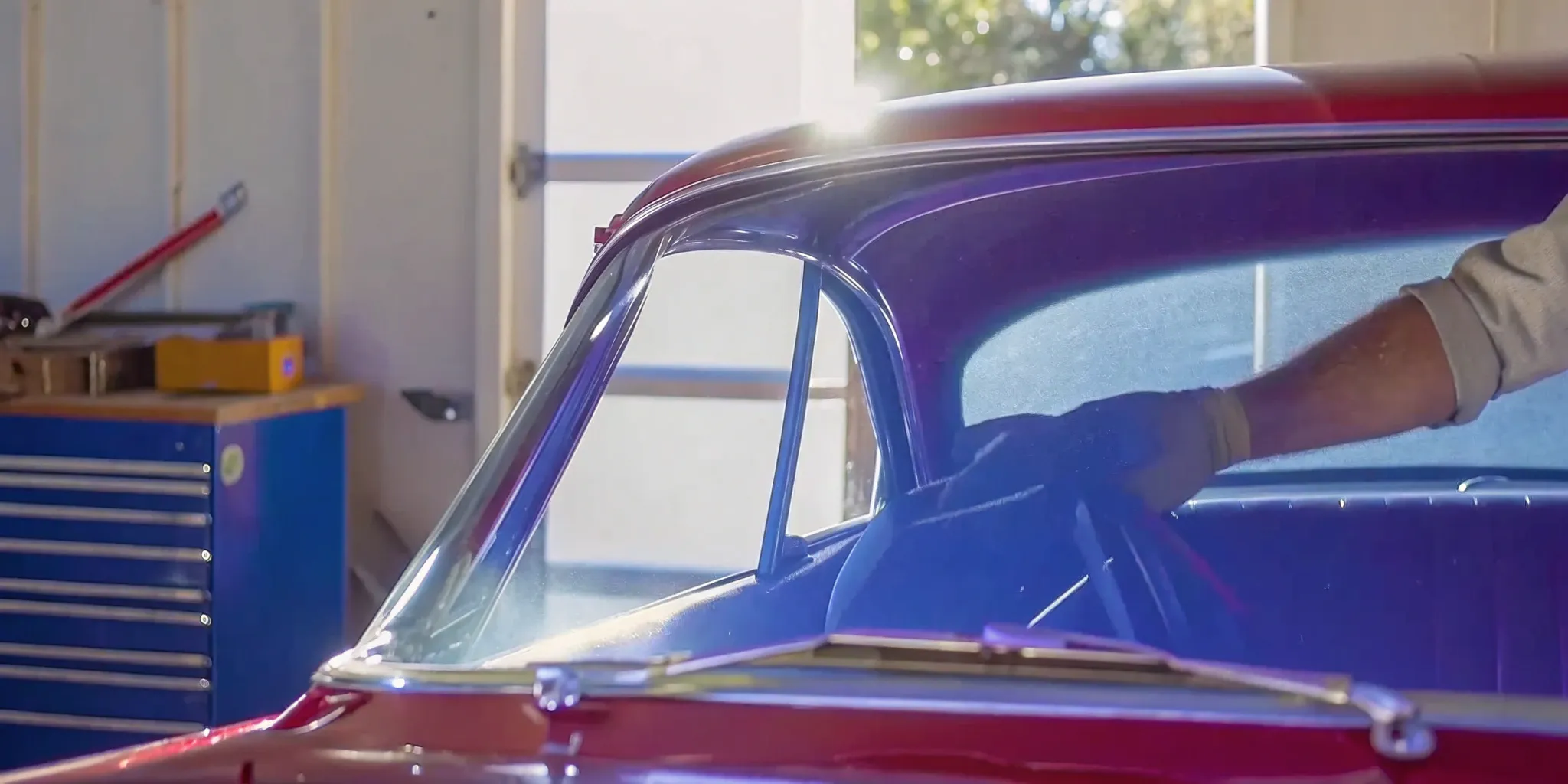
A poorly installed piece of glass on a classic car can create a cascade of problems. It might start with a subtle wind noise on the highway or a small water spot on the dash after it rains. Before you know it, that tiny leak has caused rust to form in the window frame, leading to a much more expensive and complicated repair down the road. Using the wrong sealant can damage original paint, and forcing a bad fit can crack the glass. A correct classic car auto glass installation from the start is the only way to prevent these costly headaches and protect your vehicle’s long-term health.
Key Takeaways
- Classic Glass Requires a Specialized Approach: Your vintage car's glass is not interchangeable with modern parts; it involves different materials, safety considerations, and custom shapes that demand an expert's touch for both sourcing and repair.
- The Installation Process Is a Meticulous Craft: Forget modern adhesives. Classic car glass installation often relies on period-correct techniques like using rubber gaskets and the "rope-in" method, a delicate process that demands precision to ensure a perfect, leak-proof seal.
- Vet Your Technician to Protect Your Investment: The most critical decision is choosing an installer with proven experience working on classic cars. Be sure to ask about their sourcing process, their familiarity with your car's model, and their workmanship warranty.
Why Classic Car Glass Is in a League of Its Own
Working with a classic car is worlds away from servicing a modern vehicle, and the auto glass is no exception. The materials, safety standards, and installation techniques are completely different. Unlike today’s cars, which use standardized, laminated safety glass, older vehicles often featured single-pane or early-generation tempered glass with unique specifications. This means that a simple replacement requires a deep understanding of vintage materials and a little extra know-how.
Properly handling these projects takes a special touch. From sourcing the right parts to using period-correct installation methods, every step is critical to preserving the car's integrity and ensuring your safety on the road. That’s why specialized auto glass services are so important for protecting your investment.
Original vs. Reproduction: What's the Difference?
When you need to replace glass on a classic, you’ll face the choice between original and reproduction parts. Original glass, often referred to as OEM (Original Equipment Manufacturer), is the authentic glass installed at the factory. Finding it can be a treasure hunt, but it’s the top choice for purists aiming for a perfect restoration. Reproduction glass, on the other hand, is newly manufactured to match the original specifications. High-quality reproductions are excellent alternatives, especially when original parts are impossible to find. The key is working with a technician who knows how to source the best reproduction glass and can spot the subtle differences in fit and finish.
Understanding Vintage Safety Glass Standards
Safety is a major consideration with classic cars. The glass in older vehicles simply wasn't made to the same standards we have today. Many vintage windshields lack the laminated layer that prevents shattering, and side windows might not be tempered. While maintaining originality is important, upgrading to modern laminated or tempered glass can be a smart move for anyone who plans to drive their classic regularly. This update significantly improves the vehicle's structural integrity and protects you and your passengers in an accident, all while maintaining the classic look you love.
The Challenge of Flat vs. Curved Designs
One of the most striking things about classic cars is their unique design, and the glass is a huge part of that. Designers in the past weren't limited by the mass-production constraints of today, resulting in beautiful and complex flat or curved glass shapes. This aesthetic diversity creates a real challenge for installers. Sourcing these near-obsolete windshields and side glass pieces can be difficult and time-consuming. Furthermore, installing these unique shapes requires precision and specialized techniques to ensure a perfect, leak-proof fit without damaging the glass or the vehicle’s frame.
Types of Glass You'll Find in a Classic Car
The glass in your classic car is more than just a window—it’s a piece of automotive history. Unlike modern vehicles that use standardized glass types, classic cars feature glass that reflects the manufacturing and safety standards of their time. This means a '57 Bel Air and a '72 Mustang could have entirely different glass compositions. Understanding what you’re working with is the first and most critical step in any restoration or repair project.
Identifying the correct glass is essential for maintaining your car's authenticity and, more importantly, its safety. Early automotive glass was often just simple, single-pane glass, which offered little protection in an accident. As technology evolved, so did the glass, with manufacturers introducing laminated and tempered options that dramatically improved driver and passenger safety. When you need a replacement, knowing whether your car requires a specific type of laminated windshield or custom-cut tempered side glass ensures the job is done right. This is where professional expertise in auto glass services becomes invaluable, as a trained technician can identify the original materials and recommend the best modern equivalent for a perfect, secure fit.
Laminated Windshields
If you look closely at a modern windshield, you’ll see it’s like a glass sandwich: two layers of glass with a thin layer of vinyl (polyvinyl butyral, or PVB) pressed between them. This is laminated safety glass. Its genius is that when it breaks, the vinyl interlayer holds the shards together, preventing sharp pieces from flying into the cabin. While this technology is standard today, many older classic cars originally came with single-pane or early-version laminated glass that doesn't offer the same level of protection. Upgrading to a modern laminated windshield replacement is one of the most significant safety improvements you can make to your vintage ride.
Tempered Side and Rear Windows
For the side and rear windows, many classic car manufacturers used tempered glass. This type of glass is made by heating it to extreme temperatures and then rapidly cooling it. The process creates tension within the glass, making it about four times stronger than standard glass. Its real safety feature, however, is how it breaks. Instead of shattering into large, dangerous shards, tempered glass crumbles into small, pebble-like pieces with dull edges. This significantly reduces the risk of injury during an impact. If you need work on your classic car's side or rear windows, a technician can verify if tempered glass is the right fit for your vehicle's make and model.
Specialty Glass for Unique Models
Owning a rare or unique classic car is a special experience, but it can also present unique challenges, especially when it comes to sourcing parts. Many vintage vehicles, particularly those from limited production runs or with unconventional designs, require custom-cut glass or specific types that are no longer in production. Finding the right piece isn't as simple as looking up a part number. It often involves working with specialty suppliers and technicians who have the skills to shape glass for a perfect fit. This is where true craftsmanship comes into play, ensuring your one-of-a-kind car gets the one-of-a-kind auto glass solution it deserves.
The Classic Car Glass Installation Process, Step-by-Step
Replacing the glass on a classic car is nothing like working on a modern vehicle. It’s a meticulous process that feels more like restoration than simple repair. Unlike today’s cars that rely heavily on urethane adhesives to bond the windshield directly to the frame, vintage models often use rubber gaskets, intricate moldings, and specialized setting techniques. This requires a completely different skill set and a deep appreciation for the car’s original construction.
The goal is always to preserve the vehicle's integrity, safety, and authentic look. A rushed or improper installation can lead to leaks, wind noise, or even damage to the car’s body and irreplaceable trim pieces. That’s why we follow a careful, step-by-step method to ensure every classic car we work on gets the attention it deserves. From the initial assessment to the final polish, each stage is handled with precision and expertise. Let’s walk through what a professional installation looks like.
Step 1: Assess and Prep the Vehicle
Before any tools come out, the first step is a thorough inspection. We look at the condition of the existing glass, the surrounding paint, and the interior upholstery to make sure we protect every part of your car. We also examine the window frame and pinchweld for any signs of rust or damage that might compromise the new installation. Because classic cars require specialized techniques to maintain their authenticity, this initial prep work is key. We carefully cover the dashboard and seats, and we protect the paint around the work area to prevent any accidental scratches.
Step 2: Remove the Old Glass and Molding
This is where patience really pays off. We start by carefully taking off the interior garnish moldings and any exterior trim pieces. These components are often original to the car and can be very delicate. Once the moldings are safely set aside, we can access the old glass and its seal. Using specialized tools, we gently cut through the old gasket or adhesive and lift the glass out of the frame. The entire process is done slowly and deliberately to avoid putting any stress on the car’s body or breaking hard-to-find trim clips.
Step 3: Clean the Frame and Pinchweld
With the old glass out, we can get a clear look at the pinchweld—the metal ridge on the car’s body where the glass sits. This area needs to be perfectly clean for the new seal to be effective. We meticulously remove every trace of the old gasket, sealant, and any debris. If we find any surface rust, we treat it to prevent it from spreading. A thoroughly prepped pinchweld is essential for creating a strong, watertight bond that will protect your car’s interior and structural integrity for years to come.
Step 4: Install New Gaskets and Seals
Unlike modern cars, most classics use a rubber gasket to hold the glass in place. Fitting a new gasket is an art form. We start by fitting the new rubber seal around the edge of the replacement glass. These gaskets have a specific channel that the glass sits in and another that fits over the car’s pinchweld. Getting this right requires a bit of finesse and extra know-how, as an improperly seated gasket can cause leaks or stress cracks in the glass down the road.
Step 5: Position the Glass with the Rope-In Method
This is a classic technique for a classic car. To install the glass and gasket assembly, we use what’s called the "rope-in" method. We tuck a strong nylon cord into the gasket’s pinchweld channel, leaving the two ends of the cord inside the car. Then, we carefully position the glass assembly in the window opening. While one technician applies steady pressure from the outside, another slowly pulls the cord from the inside. This action pulls the lip of the rubber gasket over the metal pinchweld, seating the glass securely in place.
Step 6: Secure the Glass and Make Final Checks
Once the glass is roped in, the job is almost done. We perform a final check to ensure the gasket is seated evenly all the way around. If the original design calls for it, we apply a bead of sealant to create an extra layer of protection against water. Finally, we reinstall all the interior and exterior moldings, clean the new glass, and remove all protective coverings from your car. This complete installation procedure ensures your classic car not only looks great but is also safe and ready for the road.
The Right Tools and Materials for the Job
Working on a classic car isn't like servicing a modern vehicle, and that’s especially true when it comes to auto glass. The right tools and materials aren't just a suggestion; they're essential for protecting your car's integrity, value, and classic look. Using generic tools or modern adhesives can easily damage delicate chrome trim, scratch original paint, or result in a poor seal that leads to leaks and rust down the road.
A professional installation relies on a specific set of equipment designed for the unique challenges vintage vehicles present. From specialized tools that gently pry away old molding to period-correct sealants that work with rubber gaskets, every component plays a critical role. This is where experience truly matters. A technician who understands the nuances of classic cars will have the right gear on hand to ensure the glass is set perfectly, the seals are watertight, and the finished job looks like it came straight from the factory floor decades ago. It’s about precision, patience, and having the right supplies for a job that leaves no room for error.
Specialized Removal and Installation Tools
You can't just grab any old tool from the box when you're working with vintage glass and trim. Specialized interior and glass tools are designed to carefully remove delicate moldings and gaskets without bending or breaking them. Tools like molding removal sets, nylon pry tools, and professional-grade suction cups are must-haves. They allow a technician to safely handle the glass and surrounding components, preventing costly damage to irreplaceable parts. Using the correct equipment ensures every piece of trim can be reinstalled securely, preserving the car's authentic appearance and preventing any new rattles or gaps.
High-Strength Adhesives and Sealants
Modern cars rely on urethane adhesives to bond the windshield directly to the frame, but classic cars are a different story. Most vintage vehicles use a rubber gasket system that requires a specific type of sealant, often a bedding and glazing compound. This material is designed to create a waterproof seal between the gasket, the glass, and the car's body while remaining flexible. This flexibility is key, as it allows for the natural expansion and contraction of the materials without breaking the seal. Using the wrong adhesive can result in leaks, which can quickly lead to rusted floor pans and pinchwelds—a much bigger problem than foggy glass.
Materials Made Specifically for Classic Cars
Finding the right piece of glass is often the biggest hurdle. The size, curvature, and even the tint of glass on a classic car are unique, and a modern replacement simply won't do. That’s why it’s so important to work with technicians who know how to source high-quality materials made for vintage vehicles. Whether it's a laminated windshield with the correct date code or tempered side glass that matches the original specifications, using authentic or high-quality reproduction parts is crucial. Professionals understand that classic cars require a special touch and have access to suppliers who specialize in these hard-to-find components, ensuring a perfect fit and a historically accurate restoration.
Who Makes the Best Glass for Classic Cars?
When you’re restoring a classic car, the glass you choose is just as important as the paint or the engine parts. It’s a finishing touch that defines the vehicle’s character and authenticity, and getting it right is crucial. You want glass that not only fits perfectly but also matches the original look and safety standards of its era. The challenge is that original glass can be nearly impossible to find, and not all reproduction glass is created equal. Quality matters immensely—poorly made glass can have distortions, fit improperly leading to leaks, or fail to meet modern safety expectations.
The good news is that several reputable manufacturers specialize in or produce high-quality glass suitable for vintage vehicles. Knowing who they are can help you make an informed decision for your project, whether you're aiming for a factory-correct restoration or a reliable daily driver. Working with a professional installer is key, as they often have established relationships with these suppliers and can source the exact piece you need. At Avision Auto Glass, we handle the entire process, from finding the right glass to ensuring a flawless mobile installation that protects your investment. Let’s look at some of the top names in the classic car glass world.
Pilkington Classic Glass
If there’s one name that’s synonymous with classic car glass, it’s Pilkington. They’ve been making windscreens for vintage cars since the late 1950s, so they understand the nuances of older vehicles better than anyone. Pilkington Classics offers an extensive range of glass specifically for restoration projects, ensuring you can find a piece that maintains your car’s authentic look. They are known for their dedication to historical accuracy and quality. If you have a particularly rare model, they are an excellent resource for tracking down hard-to-find glass, helping you complete a restoration that might otherwise stall.
PPG Industries
PPG Industries is a giant in the glass manufacturing world, and their reputation for quality is well-earned. While they produce glass for all types of modern vehicles, their commitment to high standards makes them a trusted choice for classic car restorations. PPG glass is known for its clarity, durability, and precise fit. If you’re looking for a replacement that meets or exceeds original factory specifications, PPG is a solid option. Their products are a go-to for restorers who prioritize performance and longevity without compromising on a clean, classic appearance for their vehicle.
Guardian Glass
Similar to PPG, Guardian Glass is another leading manufacturer recognized for its innovation and quality control. They produce a wide array of glass products, including high-quality automotive glass that is well-suited for classic cars. Choosing Guardian means you’re getting a product from a company with a global reputation for excellence. Their glass provides the strength and clarity you need to feel safe on the road while preserving the aesthetic integrity of your vintage ride. For many restorers, Guardian offers a perfect balance of modern manufacturing quality with a respect for classic design.
Finding Specialty Reproduction Glass Suppliers
For extremely rare or unique models, sometimes the major manufacturers just don’t have the specific piece you need in their catalog. This is where specialty reproduction glass suppliers come in. These are often smaller, dedicated companies that focus entirely on creating accurate glass for classic and antique vehicles. Finding them can take a bit of research, and classic car forums or clubs are great places to get recommendations. As professionals in the field, we’ve built relationships with many of these niche suppliers, allowing us to source the perfect glass for even the most challenging classic car projects.
How to Choose a Pro for Your Classic Car
Your classic car isn't just a vehicle; it's a piece of history and a labor of love. When it comes to replacing its glass, you can't hand the keys over to just any shop. The process for vintage cars is worlds away from a modern windshield swap. It demands a technician with a specific skill set, a gentle touch, and a deep respect for the vehicle's originality. Finding the right professional is just as crucial as sourcing the perfect piece of glass.
You need a partner who understands the nuances of older models, from the way the glass is sealed to the delicate nature of aged metal frames. A technician experienced with classic cars will know how to handle brittle trim, work with rubber gaskets, and prevent damage to your precious paint job. This isn't a job for speed—it's a job for precision. Taking the time to vet your options will ensure your classic car gets the expert care it deserves and maintains its integrity for years to come.
Look for Specific Vintage Vehicle Experience
When you’re searching for a technician, the first thing to look for is direct experience with classic cars, preferably your make and model. Replacing glass on a vintage vehicle requires different materials and a little extra know-how compared to modern cars. An experienced pro understands the unique requirements of older models, like working with butyl tape and rubber gaskets instead of the urethane adhesives used today. They’ll know how to use a rope-in method for gasket-set glass and how to handle delicate chrome trim without bending or breaking it. This specialized knowledge is what separates a smooth, leak-free installation from a potential disaster that could damage your car's frame or interior. Ask potential installers about their company history and the types of classic cars they’ve worked on before.
Check for Proper Certification and Insurance
Any technician working on your classic car should be licensed and insured. This is non-negotiable. It protects you and your vehicle in the unlikely event that something goes wrong. A professional shop invests in certified technicians and the right tools for the job, from specialized cut-out tools to precision suction cups that prevent scratches and ensure a perfect fit. A reputable company will also stand behind its work. Look for a lifetime workmanship warranty, which guarantees the installation is free from defects. This shows that the company is confident in its skills and committed to quality, giving you peace of mind that your investment is protected. High-quality auto glass services always come with this level of professionalism.
Key Questions to Ask Before You Hire
Before you commit, have a conversation with the installer and ask a few key questions. One of the biggest challenges with classic cars is the availability of replacement glass, so you’ll want to understand their sourcing process.
Start with these questions:
- Have you worked on this specific make, model, and year before?
- Where do you source your glass for vintage vehicles? Can you find OEM or high-quality reproduction glass?
- What is your process for removing the old glass and preparing the frame to prevent rust?
- What kind of warranty do you offer on your workmanship and the glass itself?
A trustworthy professional will be happy to walk you through their process and answer your questions clearly. Their responses will give you a good sense of their expertise and whether they’re the right fit for your project. When you're ready, you can contact a local expert to get the conversation started.
Common Hurdles in Classic Car Glass Installation
Installing glass on a classic car is more of an art form than a routine repair. Unlike modern vehicles, these beauties come with their own unique set of quirks and challenges that demand a specialized touch. From tracking down rare parts to working with period-correct materials, a successful installation requires patience, expertise, and a deep respect for the car’s history. Understanding these potential roadblocks is the first step to getting the job done right and preserving the integrity of your vintage ride.
Sourcing Original Specifications
One of the biggest challenges is simply finding the right piece of glass. Production for many classic models ended decades ago, making original, factory-stamped glass incredibly rare and often expensive. While high-quality reproduction glass is available, it’s crucial to find a supplier who can match the original specifications for tint, thickness, and curvature. This hunt can feel like a treasure hunt, requiring deep industry connections and a keen eye for detail. An experienced technician can help you weigh the pros and cons of original versus reproduction parts, ensuring the final choice honors your car’s authenticity while meeting your auto glass service needs.
Working with Old-School Sealing Methods
Modern cars rely on strong urethane adhesives to bond the windshield to the frame, making it a structural component. Classic cars, however, were built differently. They typically use rubber gaskets, butyl tape, and intricate chrome moldings to hold the glass in place. These materials require a completely different installation technique, often involving a delicate "rope-in" method and manual sealing. This process is far more hands-on and less forgiving than modern methods. Using the wrong sealant or failing to properly seat the gasket can lead to water leaks, wind noise, or even a cracked windshield down the road. It truly takes extra know-how to get it right.
Making Modern Standards Work with Vintage Designs
Classic cars were designed in an era where style often came before standardization. Their glass featured unique curves and shapes that you just don’t see on today’s vehicles. This aesthetic diversity means there’s no one-size-fits-all solution for replacement. Furthermore, the original glass may not meet modern safety standards. Many owners choose to upgrade to laminated or tempered glass for better protection, but this presents a new challenge: fitting modern, safer glass into a vintage frame without compromising the car’s original design. A skilled professional knows how to bridge this gap, custom-fitting new glass to the vehicle’s exact dimensions.
Why Temperature and Environment Matter
The materials used to install classic car glass are highly sensitive to their environment. Rubber gaskets can become stiff and difficult to work with in the cold, while sealants may not cure properly in high humidity or extreme heat. Performing an installation in the wrong conditions can compromise the integrity of the seal, leading to frustrating leaks and potential damage later on. That’s why a professional will always assess the weather, ensuring the temperature and humidity levels are just right for the materials to set correctly. It’s a small detail that makes a huge difference in the quality and longevity of the installation.
Installation Mistakes to Avoid at All Costs
Installing glass on a classic car is a craft that demands precision. Unlike modern vehicles, there’s often little room for error. A small mistake can lead to big problems, from annoying leaks to irreversible damage to your car’s frame or trim. When you’re investing in your classic, the last thing you want is a shoddy installation that detracts from its value and beauty.
That’s why knowing what not to do is just as important as knowing the right steps. A professional technician understands these risks and has the experience to sidestep them completely. Here are the most common and costly installation mistakes that a true classic car specialist will always avoid.
Setting the Glass at the Wrong Height or Position
Getting the glass placement just right is one of the most critical parts of the job. It’s not just about making it look good; it’s about ensuring a perfect fit. For many classic cars, "setting the height of the glass so the stainless moldings fit properly with the surrounding bodywork" is essential for a seamless finish. If the glass is even a few millimeters off, it can throw off the alignment of the entire trim, create unsightly gaps, or cause the moldings to sit improperly. This can lead to wind noise, water leaks, and a look that just isn't quite right. A meticulous technician takes the time to measure and dry-fit the glass to guarantee it sits exactly where the original designers intended.
Using the Incorrect Materials and Adhesives
You can’t use modern materials on a vintage vehicle and expect perfect results. As experts note, "replacing glass on classic and vintage cars takes different materials and a little extra know-how." The sealants, gaskets, and adhesives used on older cars are often completely different from the urethane adhesives used today. Using a modern adhesive on a classic car without the proper primer can lead to paint damage or rust formation in the pinchweld. An experienced technician knows which materials are compatible with vintage metal and paint, ensuring the auto glass services you receive preserve your car’s integrity for years to come. It’s about using the right tools for a specialized job.
Rushing the Sealing and Curing Process
Patience is a virtue, especially when it comes to auto glass adhesive. After the glass is set, the sealant needs adequate time to cure and form a strong, watertight bond. Rushing this process is a recipe for failure. That’s why it’s so important to "avoid high-pressure car washes for at least 24 hours after installation." Driving too soon or exposing the new seal to intense pressure can compromise the bond, leading to leaks or even a complete seal failure down the road. A professional installer will always give you clear aftercare instructions, including a safe drive-away time, to ensure the adhesive cures properly and your new glass stays put for the long haul.
What Goes Into the Cost of Classic Car Glass Service?
Figuring out the cost for classic car glass service isn't like getting a quote for a new sedan. Several unique factors come into play that you just don't see with modern vehicles. From the rarity of the glass itself to the detailed, hands-on work required for installation, every step is a bit more specialized. It’s less about a standard price list and more about a custom assessment of your car’s specific needs. When you're dealing with a piece of automotive history, the goal is to get it right, and that requires a different approach to pricing.
The main things that influence the final price are the type of glass your car requires and how hard it is to find, the complexity of the installation process, and whether you opt for original or reproduction glass. Each of these elements carries its own weight. Understanding them can help you see why preserving the authenticity and safety of your classic car is a true investment. At Avision, we provide comprehensive auto glass services for all vehicle types, and we believe in transparency. Let’s walk through what goes into a quote for your vintage ride.
How Glass Type and Availability Affect Price
One of the biggest cost factors is the glass itself. Classic cars weren't built with the standardized, mass-produced parts we see today. Their windshields and windows often have unique curves and dimensions, making them much harder to source. Finding a replacement can be a real hunt. Unlike modern vehicles that use uniform shapes for cost-efficient production, vintage glass is a specialty item. This scarcity directly impacts the price. If your car needs a rare piece of glass that's no longer in production, the cost will naturally be higher than for a common, modern windshield.
Factoring in Labor Complexity and Time
Installing glass on a classic car is a craft that demands patience and expertise. It’s a far more delicate and time-consuming process than on a modern vehicle. Technicians often have to carefully remove old, brittle moldings and work with vintage window channels and sealing methods. These specialized installation techniques are essential to maintain the car's integrity and prevent damage to the frame or paint. This meticulous, hands-on labor requires a skilled technician with experience in classic cars, and the time it takes is reflected in the overall cost of the service.
The Price Difference: Original vs. Reproduction
When replacing classic car glass, you’ll often face a choice between original and reproduction parts. Finding authentic, original glass that matches the car's specifications can be a major challenge and is usually the most expensive option. For many enthusiasts, it's worth it for the authenticity. However, reproduction glass is a more common and accessible solution. High-quality reproductions are designed to fit and function just like the original, but at a lower price point. The key is working with a shop that can source top-tier reproduction glass and ensure a perfect fit. Ready to see your options? Contact us for a free quote and we can discuss what's best for your car.
How to Care for Your New Classic Car Glass
Once your beautiful new glass is installed, the job isn’t quite done. Taking care of it properly is key to preserving that crystal-clear finish and protecting your investment for years to come. Classic car glass has unique needs, and a little bit of mindful maintenance goes a long way. It’s not about spending hours every weekend; it’s about using the right products and techniques to keep your view pristine and your vehicle looking its absolute best. Think of it as the final, ongoing step in a successful restoration.
The Right Way to Clean Your Glass
When it comes to cleaning, less is often more. Start with a high-quality, non-abrasive glass cleaner and a few soft microfiber cloths. Avoid ammonia-based products at all costs, as they can damage older seals and any tinting you might have. For a streak-free shine, try to clean your glass in the shade where the cleaner won’t evaporate too quickly. Use one towel to apply the cleaner and a separate, dry one to buff it out. Following these simple techniques for cleaning car windows ensures you’re gently removing dirt and grime without accidentally scratching the surface or leaving behind frustrating streaks.
Protecting Your Glass from the Elements
Your classic car deserves a shield against whatever the Kansas City weather throws its way. Applying a quality glass protectant or sealant is a fantastic way to do this. Products like these create a super-slick, hydrophobic surface that causes rain to bead up and roll right off, which is a huge help for visibility during a downpour. This protective layer also makes it harder for dirt, grime, and water spots to stick, meaning your glass stays cleaner for longer. It’s a simple step that not only makes driving safer but also cuts down on your cleaning time, keeping your classic looking sharp with less effort.
Tips for Long-Term Care and Inspection
Long-term care is all about being proactive. Make it a habit to regularly inspect your glass for any new, tiny chips or scratches, especially after a long drive. Catching a small rock chip early means you can get it repaired before it spreads and requires a full replacement. If you spot something, our team offers expert chip repairs to stop damage in its tracks. When you clean, always use multiple fresh towels to avoid dragging grit across the glass. This is a core principle of any good auto detailing guide, as it prevents you from accidentally causing the very scratches you’re trying to avoid. A little vigilance goes a long way in preserving your classic’s integrity.
Related Articles
- Auto Glass Replacement Company Overland Park, KS
- FAQ | Avision Auto Glass
- Auto Glass Replacement Service Kansas City, MO
- Windshield Replacement Overland Park, KS | Kansas City, MO
- Auto Glass Repair Service Olathe, KS | Avision Auto Glass
Frequently Asked Questions
Can I upgrade my classic car's glass to be safer? Absolutely. This is one of the most common and smartest updates you can make, especially if you plan on driving your car regularly. We can replace old, single-pane glass with modern laminated or tempered safety glass. This gives you the significant safety benefits of today's technology while being carefully fitted to maintain your car's original, classic appearance.
Will replacing the glass hurt my car's value? Quite the opposite. A cracked, leaking, or improperly installed windshield can lead to rust and interior damage, which will definitely lower your car's value. A professional installation using high-quality reproduction or pristine original glass protects your investment. It ensures the car is safe, structurally sound, and looks its best, which helps maintain or even increase its value.
How long does it take to replace the glass on a classic car? It takes significantly longer than on a modern car. The process is much more delicate and requires a great deal of precision. We have to carefully remove old trim that might be brittle, thoroughly clean the frame, and use specific techniques like the rope-in method for rubber gaskets. Rushing the job is the fastest way to cause leaks or damage, so we take the time needed to do it perfectly.
Is it better to find original OEM glass or use a reproduction? This really depends on your goals for the car. If you're aiming for a perfect, factory-correct restoration for shows, hunting down original glass is the purist's choice. However, for most owners who want a safe, beautiful car to drive, a high-quality reproduction is an excellent and more practical solution. The best reproductions are made to the exact specifications of the original and fit flawlessly.
Why can't I just use a regular auto glass shop for my vintage car? Classic cars require a completely different skill set. Most modern shops are set up for speed and use urethane adhesives to bond glass to the frame. A classic car specialist understands how to work with rubber gaskets, source period-correct parts, and handle delicate, often irreplaceable trim without causing damage. It's a craft that respects the vehicle's history and construction.
