
Rain Sensor Windshield Replacement: A Driver Guide
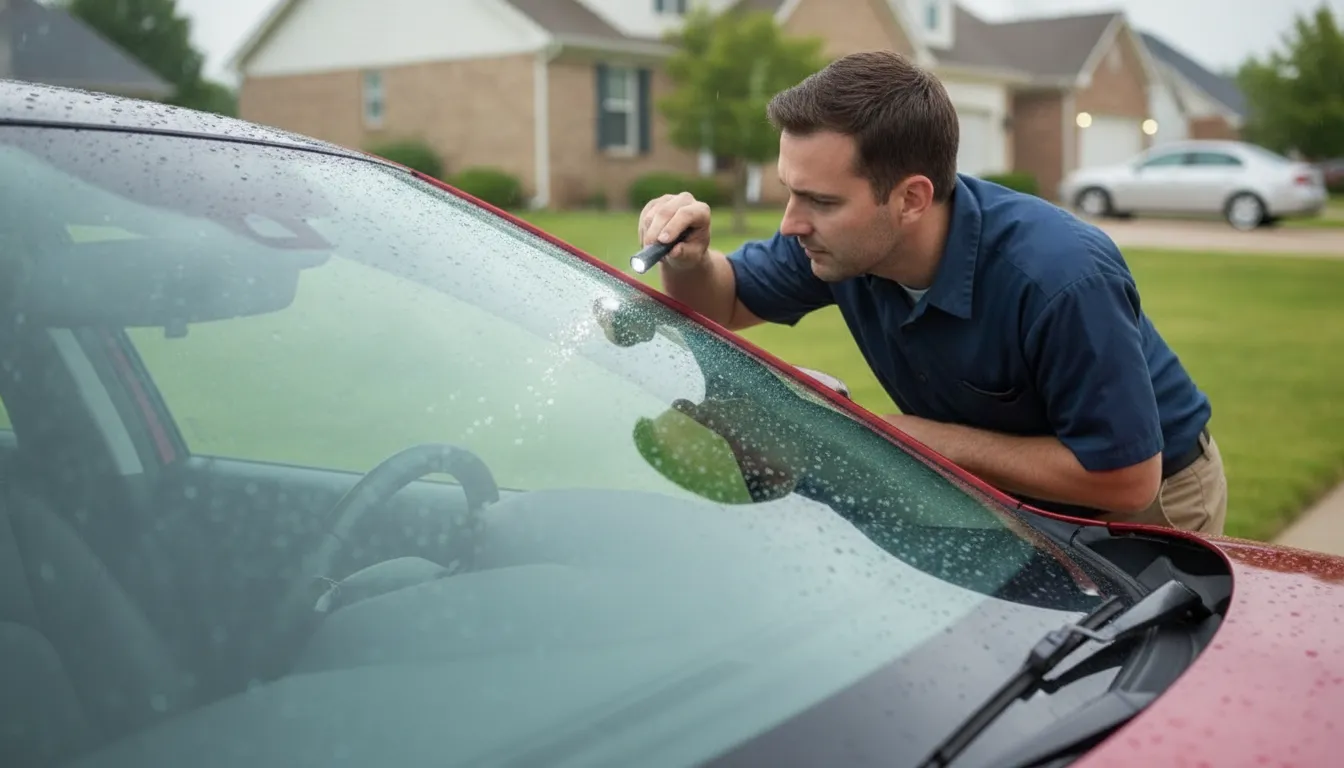
A windshield can do more than block wind and rain. On vehicles with rain-sensing wipers, the glass also supports a sensor that helps determine when the wipers should sweep and how quickly they should operate. That means replacement is not only about selecting glass that fits the vehicle opening.
Request a free same-day quote or call (913) 314-5720.
Rain sensor windshield replacement should be treated as a vehicle-specific service: the sensor must couple correctly to the replacement glass, and any related driver-assistance requirements should be checked before work begins. The exact glass, mounting materials, and post-service checks can vary by year, make, and model.
Avision Auto Glass serves Kansas City metro drivers with mobile windshield service, but the right questions come first. Understanding what the sensor detects makes it easier to discuss fit, sensor handling, and any separate calibration needs before scheduling service.
What Does a Rain Sensor Do on a Windshield?
A rain sensor is a windshield-mounted system that detects moisture and helps control the vehicle's automatic wipers. Rather than requiring you to reach for the wiper switch every time rain begins, the system responds to the amount of water it detects and adjusts the wiper timing and speed. In the vehicle-specific example described by the National Highway Traffic Safety Administration-hosted service bulletin, the wipers can operate intermittently, at low speed, or at high speed, then stop based on the rainfall detected.
Most drivers notice this as a convenience feature, but it also changes what you should consider during windshield service. The sensor is part of the vehicle's windshield system, so tell the glass provider that your vehicle has automatic rain-sensing wipers before requesting a quote. The correct replacement approach can depend on the vehicle and its equipment. A careful provider should review the vehicle-specific requirements rather than assume every rain sensor is handled the same way.
Why sensitivity settings matter
The sensitivity setting affects how much rainfall triggers a wiper sweep. At a lower setting, the windshield may need a steadier amount of rain before the wipers respond. At the highest setting in the cited Honda example, even a single raindrop on the front windshield could trigger a sweep. That does not mean every vehicle uses the same sensitivity range or response pattern. It is a useful reminder that automatic wipers may appear to react differently depending on the setting and the vehicle.
When arranging rain sensor windshield replacement in the Kansas City area, mention the feature, the vehicle year, make, and model, and any recent change in wiper behavior. Those details help the provider identify the right service questions before work begins, without assuming that a rain sensor automatically requires the same procedure as other windshield-mounted technology.
How Can Windshield Replacement Affect a Rain Sensor?
A rain sensor reads moisture through the windshield and helps the vehicle choose when to activate the wipers. During windshield replacement, the sensor is not simply an electronic part that can be placed anywhere behind the glass. Its position, contact with the windshield, and vehicle-specific mounting materials can all affect how accurately the system responds.
For example, a National Highway Traffic Safety Administration-hosted Honda bulletin explains that the rainfall sensor in the cited system must sit flush against the glass. If it does not, the system may not respond properly. The same bulletin describes a silicon sheet between the sensor and windshield. That sheet helps create the intended interface between the sensor and the glass, so it should not be treated as an optional spacer or generic adhesive.
That interface also needs a careful visual check. The cited guidance says to inspect the silicon sheet for tears, misalignment, air bubbles, or a missing section from either the sensor body or windshield. If a defect is present, the bulletin directs technicians to replace the sheet. These details come from a vehicle-specific procedure, but they illustrate why a properly fitted rain-sensor interface matters when planning service.
What can go wrong with the fit?
A sensor that is slightly out of position, separated from the glass, or affected by trapped air may not interpret water consistently. You might notice wipers that respond too late, activate unexpectedly, or fail to change speed as conditions change. Those symptoms can have more than one cause, so they should be reported rather than used as proof of a particular defect.
Incomplete seating is another possibility. In the same Honda example, the instructions identify a rainfall sensor that is not fully snapped into place as a possible reason for improper wiper operation. Other vehicles may use a different sensor, coupling material, clip, bracket, or installation sequence. Before booking rain sensor windshield replacement, provide the vehicle year, make, and model so the glass and sensor interface can be reviewed together.
A rain sensor is not automatically the same as a forward-facing ADAS camera. If your vehicle has other systems behind the windshield, ask which checks may apply after installation. Our guide to windshield calibration after replacement covers that related issue without assuming every rain-sensing system needs calibration.
Why Vehicle-Specific Glass and Sensor Procedures Matter
A rain sensor is not an interchangeable add-on with one universal installation method. The windshield shape, sensor interface, mounting hardware, and vehicle instructions can all change by year, make, model, and trim. That is why a technician needs the exact vehicle information before confirming a rain sensor windshield replacement.
A 2016 Honda Civic Touring bulletin provides one example. It advises using an OEM replacement windshield for that specific procedure and replacing the silicon sheet when installing the rainfall sensor. The same guidance emphasizes that the sensor must fit correctly against the glass. Those instructions describe the cited Civic system, not every vehicle equipped with automatic wipers. Read the NHTSA-hosted Civic bulletin for the documented scope.
A separate bulletin for 2023 Entegra Coach Aspire, Anthem, and Cornerstone units shows a different approach. It addresses a sensor and mounting-ring assembly rather than simply describing a replacement silicon sheet. The procedure calls for:
- Stable, clean, dry bonding surfaces.
- Cleaning the window with isopropyl alcohol.
- Centering the mounting ring in the decal cutout.
- Checking for dust, fingerprints, and visible air bubbles.
- Clipping the sensor to the ring and reconnecting the wiring.
The parts listed for that Entegra procedure include a rain-sensor decal, a rain-function windshield sensor, a support or mounting ring, and an adhesive element. This is a useful illustration of why a replacement may involve vehicle-specific components, not just selecting glass that appears to have the same shape. The NHTSA-hosted Entegra bulletin documents those particular instructions.
For larger vehicles, glass dimensions and equipment can add another layer of variation. Our guide to vehicle-specific windshield replacement explains why truck and SUV service should be assessed around the actual vehicle, its glass, and its installed features. The practical takeaway is simple: provide the full year, make, model, and trim, and ask which sensor or mounting components the procedure requires before service begins.
What Should You Verify Before Rain Sensor Windshield Replacement?
A few details collected before the appointment can help the installer identify the correct glass and understand how the windshield connects to your vehicle's safety and convenience systems. Use this checklist when booking service or discussing the job with a Kansas City auto glass provider.
- Confirm the vehicle details. Provide the year, make, model, trim, and any relevant package information. Tell the provider that the vehicle has rain-sensing wipers, and point out where the sensor is mounted if you are not sure it is included in the replacement request. A thorough vehicle assessment should happen before installation, according to the AGRSS guidance excerpt used for this article: vehicle assessment should precede auto-glass installation.
- Ask how the replacement glass is being matched. Verify that the windshield is compatible with the vehicle's affected systems, not merely the correct overall size. AGRSS guidance says replacement glass should be compatible with ADAS that may be affected by the replacement. Rain-sensor requirements and forward-facing camera requirements are not automatically the same, so ask what applies to your specific vehicle.
- Discuss the sensor interface and related parts. Ask whether the job requires a coupling sheet, mounting ring, adhesive element, decal, cover, clips, or another vehicle-specific component. These parts are not universal. In one NHTSA-hosted vehicle procedure, the sensor must sit flush against the glass and a silicon sheet sits between the sensor and windshield. That example shows why the provider should verify the exact procedure rather than assume the same parts fit every model: NHTSA rain-sensor service bulletin.
- Clarify possible ADAS implications separately. Ask whether the vehicle has a forward-facing camera or another ADAS feature positioned near the windshield, and whether replacement may require recalibration. ADAS may require recalibration after glass replacement, but that does not mean every rain sensor needs recalibration. If recalibration is not provided, AGRSS guidance says the owner should be advised before and after installation. Do not treat a rain-sensor check as proof that a separate camera system has been calibrated.
- Ask what documentation and instructions you will receive. Request the glass and component information, the work record, and any vehicle-specific post-service instructions. AGRSS guidance calls for retaining records for each replacement and following current, comprehensive written instructions from the retention-system manufacturer or private labeler. Keep those records with your vehicle information.
- Agree on the post-service check. Ask what you should observe before driving normally, including whether the rain-sensing wipers respond as expected and whether any warning appears. Report unusual operation, visible fit concerns, or a sensor that does not appear properly seated promptly. The provider can then compare the result with the vehicle manufacturer's procedure instead of guessing at a repair.
What Are Signs the Rain-Sensing Wipers Need Attention After Service?
Rain-sensing wipers do not always react the same way in every shower. Sensitivity settings can change how much water triggers a sweep. On one Honda system, the highest setting may respond to a single raindrop, while a lower setting may wait for steadier rainfall. A different response is not automatically a service problem.
Report the issue if the wipers consistently respond poorly in conditions where they previously worked as expected. Examples include no automatic response, wipers that remain stuck in one intermittent behavior, or a loss of speed control. One vehicle-specific Honda procedure explains that an incorrect post-replacement ignition state can place the system in failsafe mode, causing intermittent operation and preventing speed control. That example applies to the cited system, not every vehicle.
Also look through the glass at the sensor area from outside the vehicle. Visible air bubbles, an apparent gap, or obvious misalignment can indicate that the sensor interface is not sitting correctly. A NHTSA-hosted Honda bulletin says the sensor must sit flush with the glass and identifies tears, misalignment, air bubbles, or a missing coupling sheet as conditions to inspect. It also notes that an incompletely fitted sensor may cause improper wiper operation. Read the vehicle-specific bulletin for its documented examples.
Other procedures can involve different mounting rings, clips, cleanliness requirements, or wiring connections. A 2023 Entegra bulletin, for example, calls for checking the mounting area for dust and fingerprints, confirming that clips secure the sensor, reconnecting wiring, and ensuring no bubbles are visible after installation. Those details show why you should report an incomplete fit or new visible defect rather than assume the same remedy applies to your vehicle.
Do not try to reposition the sensor or remove the coupling material yourself. Photograph anything unusual, note the weather and wiper setting, and contact the installer for a vehicle-specific inspection.
What Questions Should You Ask Your Auto Glass Provider?
Before booking service in the Kansas City area, give the provider your vehicle's year, make, model, trim, and windshield features. Then ask questions that reveal whether the replacement plan accounts for the rain sensor, the glass, and any other equipment mounted near the windshield.
Can the replacement be completed at my location?
If you prefer service at home or work, ask whether your driveway or parking area is suitable for mobile work. The technician may need a level, accessible location with enough room around the vehicle. You can learn more about arranging a mobile windshield replacement service before selecting a site.
Which glass and sensor components are compatible?
Ask what glass specification matches your vehicle and whether the provider will inspect the sensor mounting area during removal and installation. A NHTSA-hosted bulletin for a specific 2016 Civic Touring system explains that the rainfall sensor must sit flush against the glass and uses a silicon sheet between the sensor and windshield. That is not a universal procedure, but it shows why compatible glass and vehicle-specific components matter.
Ask whether the existing coupling sheet, mounting ring, decal, clips, or other parts should be reused or replaced for your vehicle. Also ask how the provider will check alignment, fit, cleanliness, and visible air bubbles after installation. The relevant manufacturer procedure should guide those decisions, not a one-size-fits-all assumption. Vehicle-specific windshield replacement can involve different considerations across vehicle types.
Does my vehicle have a separate ADAS requirement?
Ask whether your vehicle has a forward-facing camera or another driver-assistance system that may require calibration after glass replacement. A rain sensor and a forward-facing ADAS camera are not automatically the same component. Ask which systems are present, what the manufacturer procedure calls for, and whether calibration is included, referred out, or handled separately. If the provider does not perform a required calibration, ask what documentation or next step you should receive.
What will I receive with the quote and records?
Request a written, quote-based summary showing the vehicle information, glass specification, sensor-related work, included checks, warranty terms, and any excluded calibration or follow-up. Ask how to report a concern after service and retain the invoice and installation records. If you are ready to compare service details, request a Kansas City windshield replacement quote with your exact vehicle information. For a direct question, Avision Auto Glass can be reached at (913) 314-5720.
Why Choose a Mobile Kansas City Auto Glass Service?
Windshield service is easier to manage when the work comes to you. Avision Auto Glass is a family-owned mobile provider serving the Kansas City metropolitan area, including communities in both Kansas and Missouri. Depending on your location and vehicle, a technician may be able to work at your home, office, or another suitable site instead of asking you to rearrange your day around a shop visit.
That convenience still starts with a careful quote. Share your vehicle year, make, model, windshield features, and service location so the team can review the job before scheduling. Avision describes its pricing as quote-based, with vehicle specifications, glass type, insurance coverage, and service complexity affecting the final quote. The company also states that free same-day quotes and next-day availability may be available, but appointment timing depends on the specific job and location.
For a vehicle with rain-sensing wipers, ask how the glass and sensor interface will be addressed during your replacement. Avision lists ADAS calibration among its capabilities, but a rain sensor is not automatically the same as a forward-facing ADAS camera, and the correct procedure depends on the vehicle. The team should confirm what applies to your vehicle rather than promise a particular sensor transfer, reset, calibration, or outcome before inspection.
Local service also gives you a clear point of contact if you have questions after the work. Avision states that it provides a written lifetime workmanship warranty for the duration of vehicle ownership. Ask what that warranty covers for your specific installation, and keep your service records with the vehicle documents.
Need to confirm rain-sensor glass and related systems? Talk with Avision Auto Glass at (913) 314-5720 before scheduling.
Request a free same-day quote or call (913) 314-5720 to discuss your Kansas City windshield service needs.
Frequently Asked Questions
What does a rain sensor on a windshield do?
A rain sensor detects moisture on the windshield and helps control automatic wiper timing and speed. The system may adjust how quickly the wipers respond based on the sensitivity setting and the amount of rain. The NHTSA-hosted Honda bulletin used for this article describes that vehicle-specific behavior, so your owner's manual remains the best reference for your system.
Can windshield replacement affect a rain sensor?
Yes. The sensor must interface correctly with the replacement glass, and the required coupling sheet, mounting surface, clips, or wiring can vary by vehicle. If the sensor is not flush, aligned, clean, or fully secured, automatic wiper operation may not respond properly. Ask the installer to confirm the vehicle-specific procedure rather than assuming every sensor is handled the same way.
Does a rain sensor need recalibration after windshield replacement?
Not necessarily. A rain sensor and a forward-facing ADAS camera are different systems, and calibration requirements depend on the vehicle and the equipment affected by the replacement. Before service, ask whether your vehicle requires an ADAS calibration, a rain-sensor check, or another post-installation procedure, and ask what documentation you will receive.
What should I verify before rain sensor windshield replacement?
Provide the exact year, make, model, trim, and sensor location. Then verify that the proposed glass is compatible with the vehicle's features, that any required sensor interface parts are included, and that the provider will check operation after installation. Also ask whether mobile service is suitable at your Kansas City location and whether the service record will identify the glass and procedures used.
Ready to Plan Your Windshield Replacement?
Rain-sensing systems can involve vehicle-specific glass, sensor placement, and post-service checks. Sharing your vehicle details before booking can help clarify the right questions for your replacement. Request a free same-day quote for rain sensor windshield replacement, or call Avision Auto Glass at (913) 314-5720 to discuss your vehicle-specific service questions before booking.
