Truck Glass Repair Near Me: How Kansas City Fleets Should Compare Providers
If you manage work vehicles, searching for truck glass repair near me is only the first step. The right provider should be able to explain what they can service, where they can meet your vehicles, how scheduling works, and what information your team will receive afterward. A little preparation helps you compare options without choosing on proximity alone.
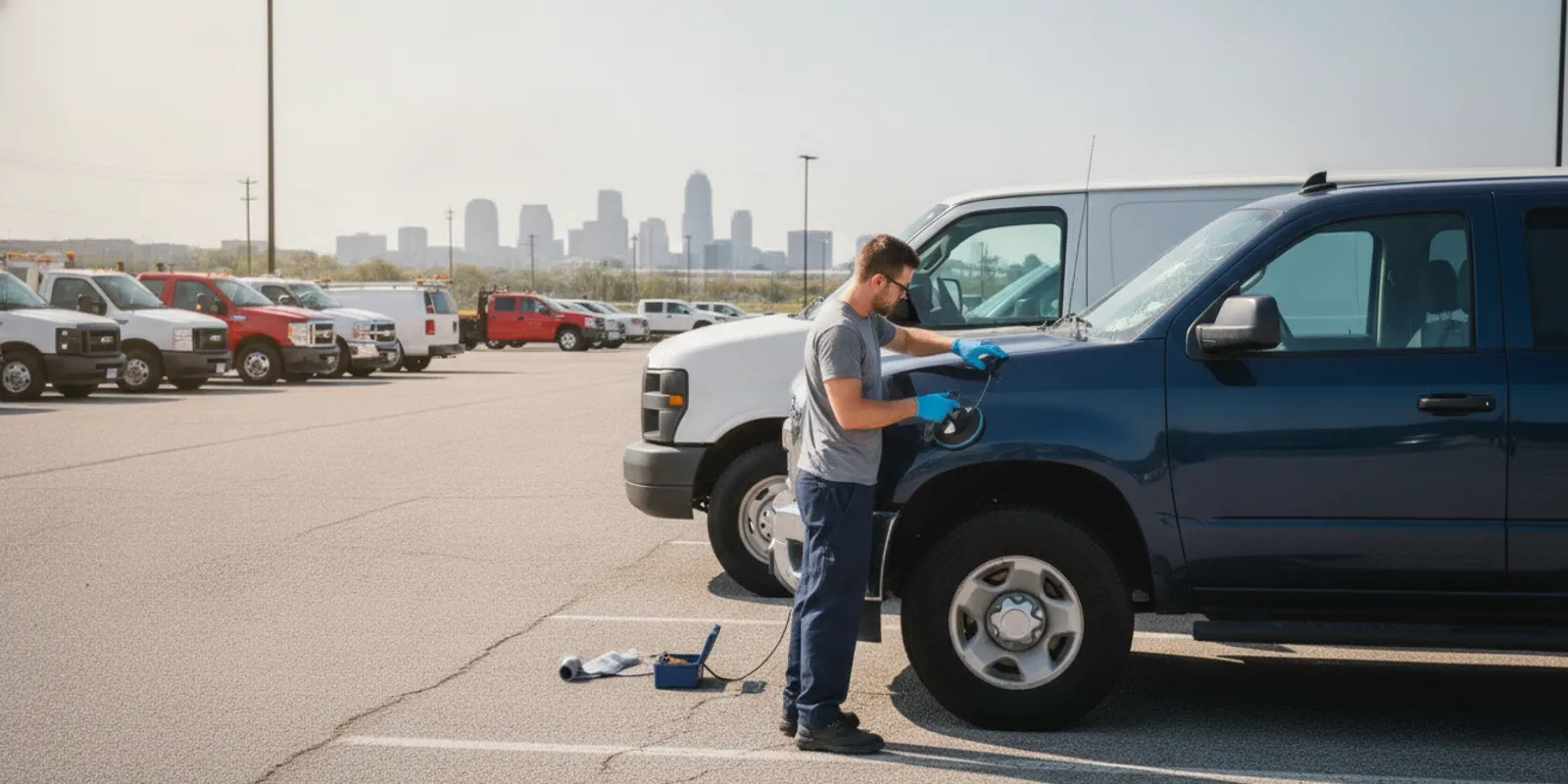
What Should Kansas City Fleets Compare When Looking for Truck Glass Repair Near Me?
For a fleet, a glass repair decision affects more than one driver. The work may involve a truck that is needed for a route, a vehicle parked at a job site, or several units that need attention over time. Compare providers against your operation's practical needs, not just a map result or a broad promise.
Start with these questions:
- Do they service your vehicle type? Describe the truck and the damaged glass. Ask whether the provider handles that kind of vehicle and repair or replacement.
- Can they meet your vehicles where they are? Confirm mobile service coverage for your yard, office, or job location.
- Can scheduling fit your workday? Explain when the vehicle is available and whether it must return to service by a particular time.
- Is the quote clear? Ask what details the price depends on and what is included.
- Will you receive useful job records? Ask how the work and vehicle will be identified on the invoice or service confirmation.
These checks help you find out early whether a provider is a fit. A nearby business may still be a poor match if it cannot service your truck, reach your location, or work within your operating window.
Does the Provider Service Your Specific Truck and Glass?
“Truck” can mean different things to different fleets. It may refer to a pickup, a service-body vehicle, a delivery vehicle, or a heavier commercial truck. The glass can also vary by vehicle configuration. Do not assume that a provider's general auto glass service covers every truck in your fleet.
When you ask for an estimate, share the details you have:
- Year, make, and model
- Vehicle identification number, if available and appropriate to share
- Which piece of glass is damaged: windshield, door glass, back glass, or another window
- Whether the damage is a chip, crack, or a break that has left an opening
- Any visible features around the glass, such as a camera or sensor near the windshield
- Your photos of the damage and the vehicle, if the provider can use them to assess the job
Details help the provider identify the right glass and determine whether the job is a repair or replacement. A photo is useful, but it may not answer every vehicle-fit question. Ask what else is needed before a visit is scheduled.
For general vehicle-safety information, you can also consult the National Highway Traffic Safety Administration. For a service-specific conversation about a truck's glass, share the vehicle details directly with the provider rather than relying on a general online search result.
Is Mobile Truck Glass Service Available at Your Location?
Mobile service can reduce the need to move a vehicle to a shop, but “mobile” does not automatically mean a provider can work at every site or in every situation. Confirm the exact service address and the conditions at the location before you book.
Tell the provider whether the truck will be at a fleet yard, a customer site, an office, or another location. Mention any access rules, gate hours, parking limits, or need to coordinate with a site contact. If several vehicles are parked together, identify the units and explain how the technician can find them.
Also ask whether the planned work can be completed at that location. The available work area, access to the vehicle, and the type of glass service may affect the plan. If the truck is at an active job site, discuss a safer, accessible place to meet the technician instead of assuming a roadside or restricted-area visit will work.
Avision Auto Glass describes its service as mobile across the Kansas City area. Fleet managers can review its fleet auto glass service information and confirm their own location and vehicle needs when requesting a quote. For coverage in specific communities, see the Kansas City service-area information.
How Should You Plan Scheduling Around Routes and Downtime?
Before contacting providers, decide which vehicle can be made available and when. A short, specific scheduling request is easier to evaluate than “as soon as possible.” Include the vehicle's location, the time window when it will be parked, and the latest time your team needs an answer about the appointment.
For one vehicle, you might ask whether a technician can meet a truck at your yard on a particular morning. For several vehicles, consider grouping them by location and availability. Ask whether work can be arranged in a sequence that avoids pulling every truck out of service at once. Do not assume that every unit can be handled in one visit; confirm the provider's capacity and the job details first.
Ask the provider to distinguish among three timing points:
- Quote timing: When can they review your vehicle information and provide an estimate?
- Appointment timing: What dates or time windows are available for the actual service?
- Vehicle return-to-work timing: What should your team expect after the glass work, and are there any instructions before the vehicle is used?
That last question matters for planning. Follow the service provider's vehicle-specific instructions and make sure the driver or fleet contact receives them. Avoid promising a route time to a customer until you have confirmed the service window and any relevant return-to-use guidance with the provider.
If you operate across the metro, a provider's local coverage can matter as much as appointment availability. Avision lists service in Kansas City and nearby communities, including Overland Park, Olathe, and Lee's Summit. Confirm the exact address and schedule directly, especially if vehicles move between locations.
What Should a Fleet Glass Quote Explain?
A quote is useful when it lets you understand what work is proposed and what information could change the estimate. Ask for the quote in writing and check that it identifies the vehicle and the affected glass. If the provider needs more details before confirming a price, ask which information is missing.
Use this checklist when reviewing an estimate:
- Does it name the vehicle or include enough identifying detail to connect it to the correct truck?
- Does it state whether the proposed work is repair or replacement?
- Does it identify the glass or relevant vehicle configuration?
- Does it say where the mobile service will take place?
- Are labor, parts, taxes, or other charges explained, where applicable?
- Does the estimate describe any assumptions, exclusions, or details that still need confirmation?
- Is the expected scheduling window clear?
Vehicle specifications, glass type, insurance coverage, and service complexity can affect pricing. If you are comparing quotes, make sure they describe comparable work for the same vehicle. A lower number may not be a like-for-like estimate if one quote is based on incomplete information or a different scope.
If the vehicle is insured, ask your insurer what your policy requires and whether you should follow a particular claim process. Do not assume that a provider's estimate guarantees coverage or payment. The fleet contact responsible for claims can keep the estimate and any insurer instructions with the vehicle's records.
Which Service Records Should Your Team Keep?
Clear records make it easier to coordinate vehicles and answer later questions. Decide in advance who on your team will approve the work and where the paperwork should go. This is especially helpful when the person arranging the appointment is not the driver or the person who handles fleet maintenance.
After the appointment, keep the quote, invoice, service confirmation, and any instructions provided for the vehicle. Make sure the records identify the unit and date of service. If the provider documents the work performed or warranty terms, retain that information with the vehicle's maintenance history. Ask for clarification if a document does not explain what was completed.
Assign one person to close the loop: confirm that the vehicle was available, tell the driver what to expect, and make sure the relevant paperwork reaches the fleet file. A short internal note can include the unit number, service date, location, provider contact, and any follow-up action. These simple steps help prevent a quote or service record from being separated from the vehicle it concerns.
How Can You Compare Providers Fairly?
Use the same basic request with each provider. Give them the same vehicle information, damage description, photos if available, location, and requested time window. Then compare the response, not only the quoted price.
- Coverage: Did the provider clearly confirm your location and truck type?
- Communication: Did you get direct answers about the work, price assumptions, and next steps?
- Scheduling: Is the proposed window workable for your route or job schedule?
- Documentation: Can the provider give your team clear service and billing records?
- Follow-up: Do you know whom to contact if the appointment details change or you have a question afterward?
For example, one provider may offer an earlier appointment but need more vehicle information before confirming the scope. Another may provide a more complete estimate but have a later opening. Your best choice depends on your truck's needs, the operating schedule, and how much certainty your team needs before taking a vehicle off its route.
Keep the comparison focused on verifiable details. Avoid relying on vague claims such as “best” or “fastest” unless the provider explains what those terms mean for your specific truck and appointment. Ask for clear answers and document any timing or scope that matters to your fleet.
What Should You Do Before the Technician Arrives?
Once the appointment is confirmed, prepare the truck and coordinate access. Tell the driver or site contact when and where the service is expected. Park the vehicle in an accessible area if possible, and make sure the technician can identify the correct unit without searching through a busy lot.
- Confirm the appointment date, location, and contact person.
- Make sure the vehicle is available during the agreed window.
- Share gate or site access instructions in advance.
- Remove items that block access to the affected glass, where practical.
- Keep the estimate and vehicle details available in case the technician needs clarification.
- Tell the driver to follow the provider's instructions after service.
If the damage changes before the appointment, or the vehicle must move to another location, contact the provider. A new crack, a missing window, or a change in access can affect the planned work. Updating the provider before arrival is better than discovering a mismatch after the technician reaches the site.
When Should You Request Truck Glass Repair Near Me?
Contact a provider when glass damage interferes with the driver's view, when a window is broken, or when you are unsure whether the damage can be repaired. Do not rely on a quick online description to decide whether a truck is safe to operate. Have the vehicle assessed, and follow applicable fleet and safety procedures while you arrange service.
When you call or send a request, lead with the vehicle details, the location, and what the driver sees. Then ask what information the provider needs to decide on repair versus replacement and to offer a realistic appointment window. If the truck is part of a scheduled route, explain that constraint so you can plan around the vehicle's availability.
For broader auto glass options in the area, you can review Avision's Kansas City windshield repair and replacement information or its auto glass replacement service details. Use those pages as a starting point, then confirm the service fit for your particular truck directly.
How Can You Set Up a Repeatable Fleet Glass Process?
If your team handles glass issues more than once in a while, a simple intake process can save time. Choose one point of contact for repair requests and decide which vehicle information that person should collect. Drivers can report damage through the same channel each time instead of sending incomplete messages to several people.
A useful intake note can include:
- Vehicle number and year, make, and model
- Driver name and best contact method
- Damage location and a short description of what happened
- Current vehicle location and the hours it will be accessible
- Route or job commitments that affect scheduling
- Photos, if available and safe to take
Once you have that information, the fleet contact can send a consistent request to the provider, track the quote, and tell the driver what to expect. Keep a basic log of the request date, appointment status, and completed service record. This does not need to be complicated; even a shared maintenance file can help your team see which trucks are waiting for an estimate and which are ready to return to normal scheduling.
For a fleet with vehicles at multiple locations, add the site contact and access instructions to the request. Review the process after a service appointment: Were the details enough for the provider to identify the glass? Did the appointment window work for the route? Did the invoice clearly identify the unit? Use those answers to improve the next request, without assuming every truck or repair will follow the same timeline.
Request a free same-day quote or call (913) 314-5720
Frequently Asked Questions
Can a mobile provider repair truck glass at a fleet yard?
That depends on the provider, the vehicle, and the site. Give the provider the exact address and explain any access requirements. Confirm that the location and work area are suitable before the appointment is set.
What information should I have ready when requesting a truck glass quote?
Have the year, make, model, affected glass, damage description, and service location ready. Photos may help, and the provider may ask for additional vehicle details to confirm the correct glass and scope of work.
Should I schedule repair or replacement based on a photo?
A photo can help describe the damage, but it may not provide enough information to determine the right service. Share it with the provider and ask what else is needed to assess the vehicle. Follow the provider's guidance and your fleet's procedures.
How can I reduce downtime when several trucks need glass service?
Group vehicles by location and availability, identify which units are most time-sensitive, and ask the provider whether appointments can be coordinated. Confirm the schedule for each vehicle rather than assuming every unit can be completed in one visit.
What should I compare besides price?
Compare whether the provider services your truck and location, how clearly the estimate defines the work, appointment availability, communication, and the service records your team will receive. Make sure every quote reflects the same vehicle and scope.
A practical provider comparison gives your fleet a clear view of service fit, timing, cost assumptions, and follow-up before a truck is taken out of rotation. Gather the vehicle details, confirm the location and appointment window, and keep the resulting quote and service record with your fleet file.