
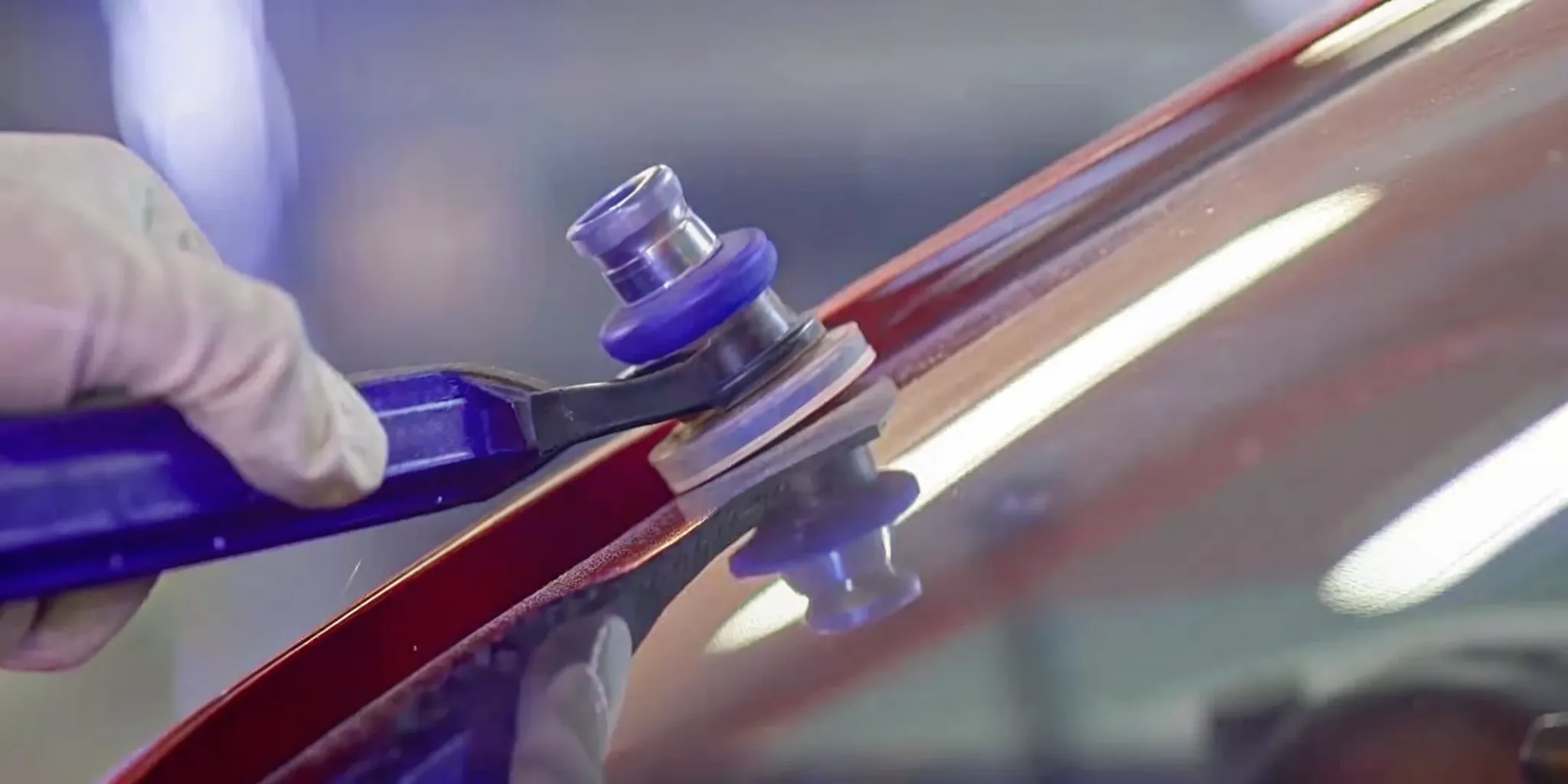
You’ve seen the DIY kits promising professional results for a fraction of the cost. It’s a tempting offer, but what’s the real difference between the small tube of resin in that box and what a trained technician uses? The answer is: a lot. The windshield crack repair resin used by professionals is a highly engineered product, tested for strength, clarity, and resistance to temperature changes and UV light. It’s designed to create a bond that’s often stronger than the original glass itself. This article compares the materials in store-bought kits to the superior formulas used in professional services, helping you understand why a quality repair is an investment in your vehicle’s safety and longevity.
Key Takeaways
- Not all resins are created equal: A successful repair depends on a resin that creates a strong, clear bond and resists yellowing from the sun. Professional-grade formulas are designed for this, while the resin in a DIY kit may not provide a lasting or invisible fix.
- A cheap kit can lead to an expensive mistake: DIY repairs often fail due to common errors like trapping air bubbles or using old resin. A botched job can cause the crack to spread, turning a simple fix into a full windshield replacement.
- Prioritize safety over a quick fix: Your windshield is a critical safety feature. For any damage in your direct line of sight, or for cracks larger than a small chip, calling a professional is the safest and most reliable choice.
What is Windshield Crack Repair Resin?
When a rock flies up and chips your windshield, that spiderweb of cracks can be incredibly frustrating. Your first thought might be about the cost of a full replacement, but many times, a simple repair is all you need. This is where windshield crack repair resin comes in. Think of it as a specialized, clear adhesive designed specifically to bond with glass. Its purpose is twofold: to restore the structural integrity of your windshield and to make the damage much less noticeable. The resin flows into the break, filling the air gaps and creating a smooth, clear surface that blends in with the rest of the glass.
A strong, intact windshield is a critical part of your vehicle's safety system. It provides structural support to the roof in a rollover and helps your airbags deploy correctly in an accident. A professional-grade resin doesn't just patch the problem; it chemically bonds to the glass, and some lab-tested resins have even been shown to be stronger than new windshield glass itself. Using a high-quality resin is the key to a durable, long-lasting fix. When you need a reliable fix, our auto glass services use top-tier materials to ensure your windshield is safe and secure, getting you back on the road with confidence.
How Does It Work?
The process of repairing a windshield with resin is quite precise. First, a technician thoroughly cleans the damaged area to remove any debris or moisture. Then, using specialized tools, they inject the liquid resin directly into the chip or crack. The goal is to completely fill every tiny air pocket within the break. This step is crucial because any trapped air can weaken the repair and remain visible.
Once the resin has fully penetrated the damage, a UV light is used to cure and harden it. This curing process creates a powerful, unbreakable bond with the surrounding glass, effectively stopping the crack from spreading further. The quality of both the resin and the tools makes all the difference. As a family-owned business, we know that lasting repairs build trust, which is why our licensed technicians at Avision Auto Glass only use professional-grade equipment to deliver a clear, strong, and permanent fix.
What Types of Cracks Can Resin Fix?
Windshield repair resin is surprisingly versatile and can handle more than just tiny dings. It’s effective for various types of damage, including small chips like bullseyes and star breaks, as well as combination breaks. In many cases, it can even be used to repair long cracks, preventing them from spreading across your entire windshield. As a general rule, if a chip is smaller than a quarter or a single crack is just a few inches long, it’s likely a good candidate for repair.
However, not all damage is repairable. If a crack has spread to the edge of the windshield or if it directly obstructs the driver's line of sight, a full replacement is usually the safest option. The age and contamination of the crack also play a role. The sooner you get it fixed, the better the outcome will be. If you're unsure whether your windshield needs a repair or a replacement, the best thing to do is get a professional opinion. You can contact us for a free, same-day quote, and we’ll help you find the right solution.
A Look at Common DIY Windshield Repair Kits
When you walk into an auto parts store or search online, you'll find a surprising number of DIY windshield repair kits. Each one promises a quick, easy, and affordable fix for that annoying chip or crack. It can be tough to know which one to choose, as they all claim to deliver professional-level results. While these kits can be a temporary solution for very minor damage, the quality of the resin inside is what truly determines the strength and clarity of the repair.
Different brands use different formulas, and some are better suited for certain types of damage than others. Some resins are thinner to fill tight star breaks, while others are thicker for filling larger chips. Understanding what makes each brand unique can help you manage your expectations if you decide to try a DIY repair. Let's look at a few of the common names you'll encounter and what they bring to the table. This isn't an endorsement, but rather a guide to help you understand the options out there before you commit to a repair. Remember, for any damage that's directly in your line of sight or larger than a quarter, your safest bet is always to contact a professional.
Ultra Bond Crack Repair Solutions
Ultra Bond is a name that often comes up in discussions about professional-grade materials. Their kits are known for containing high-quality resins that have a strong track record in the field. According to their own customer reviews, users report very few failures, which speaks to the resin's effectiveness, especially for cracks. For a DIYer, using a product with a reputation for reliability might offer a little more peace of mind. The goal is to create a bond that prevents the damage from spreading, and a quality resin is the first step in achieving that.
GlasWeld Windshield Repair Resin
GlasWeld puts a heavy emphasis on the science behind their products. Their long crack repair resin is specially formulated and goes through rigorous testing to ensure it performs well. The company aims for a formula that creates strong, lasting, and clear repairs, which are the three things everyone wants from a windshield fix. When a resin is engineered for clarity, it means you're less likely to end up with a cloudy or discolored spot on your windshield. This focus on durability and appearance is what makes their resin a popular choice for those trying to get a near-invisible repair at home.
Delta Kits Windshield Repair Products
Delta Kits is another brand that focuses on performance, offering a range of specialized windshield repair resins. They state that their products undergo extensive laboratory and field testing to ensure they outperform standard industry offerings. This is important because not all cracks and chips are the same. Having access to different resin types means you could theoretically match the resin to the specific damage on your windshield, like a bullseye versus a small crack. For the average person, this might be more detail than needed, but it shows a commitment to creating effective, targeted solutions for different repair scenarios.
Rain-X Windshield Repair Kit
You've probably seen the Rain-X brand on shelves for all sorts of car care products, and they offer a DIY windshield repair kit too. One of its standout features is its unique waterproof resin. This is a key factor because moisture is the enemy of a good windshield repair. If water gets into the crack before or during the repair, it can compromise the bond and affect the final clarity. A resin designed to repel water can help ensure the repair stays clear and strong, which is especially helpful for anyone new to the windshield repair process in a place like Kansas City where we get our fair share of rain and humidity.
Permatex Windshield Repair Resin
Permatex is another household name in the automotive world, and their windshield repair kits are widely available in most auto parts stores. These kits are generally marketed as an easy-to-use, all-in-one solution for small chips and bullseyes. They are designed for the driver who wants a quick fix to stop a small spot of damage from spreading. While they may not have the specialized formulations of some other brands, their accessibility makes the Permatex windshield repair kit a common choice for a first attempt at a DIY repair. The focus is typically on providing a simple, straightforward process for minor damage before it becomes a bigger problem.
How Do DIY Repair Resins Compare?
When you start looking at DIY windshield repair kits, you’ll notice the main component is a small tube of resin. It might seem like they’re all the same, but the quality of that resin is the single biggest factor in whether your repair will be successful and long-lasting. The claims on the packaging can be impressive, promising a quick and easy fix that saves you money. But the results often vary wildly from one kit to another, and a failed repair can end up costing you more in the long run.
So, what’s the real difference between the resin in a $15 kit from the auto parts store and the materials a professional technician uses? It comes down to a few key characteristics: how strong the final bond is, how clear it looks once cured, how it handles the application process, and its ability to withstand Kansas City’s changing weather. Understanding these differences will help you see why some repairs hold up for years while others fail in a matter of weeks, putting your safety and your wallet at risk. A professional repair isn't just about filling a crack; it's about restoring the structural integrity of your windshield with superior materials.
Strength and Durability
The primary job of a repair resin is to create a bond that’s at least as strong as the original glass. Professional-grade resins are engineered to be incredibly tough; some are even tested and proven to be stronger than new windshield glass itself. This level of strength is what prevents a small chip or crack from spreading further under the stress of daily driving, like hitting a pothole or dealing with vibrations on the highway.
On the other hand, using a low-quality resin from a basic DIY kit can give you a false sense of security. It might fill the crack visually, but it often won't create a durable, structural bond. This weak patch can easily fail, allowing the original damage to spread and turning a simple repair into a full windshield replacement. The strength of the resin is what truly determines the longevity and reliability of the repair.
Final Clarity and Appearance
A successful repair shouldn't just be strong; it should also be nearly invisible. The goal is to restore the windshield’s optical clarity so your vision isn’t obstructed. High-quality resins are formulated to have the same refractive index as glass, which means they bend light in the same way, helping them blend in seamlessly once cured.
Unfortunately, this is where many DIY kits fall short. Cheaper resins are prone to trapping tiny air bubbles during application, which can permanently obstruct your vision. Others can react with any moisture left in the crack, resulting in a cloudy or yellowed finish that stands out on your windshield. If the damage is anywhere in your line of sight, a clear, professional repair is essential for safe driving.
Curing Time
Curing is the chemical process where the liquid resin hardens into a durable solid, and it requires ultraviolet (UV) light to work. For this to happen correctly, the right tools and conditions are critical. Professional technicians use specialized UV lamps that emit light at a specific wavelength, ensuring the resin cures completely and forms the strongest possible bond throughout the entire depth of the crack.
Most DIY kits instruct you to let the resin cure in direct sunlight. While sunlight does contain UV rays, it’s not as consistent or powerful as a professional curing lamp. Factors like cloud cover, the time of day, and the angle of the sun can lead to an incomplete cure. This results in a weaker repair that’s more likely to fail when put under pressure.
Resistance to Temperature Changes
Your windshield is constantly expanding and contracting with temperature fluctuations, from scorching summer afternoons to freezing winter mornings. A quality repair resin needs to be flexible enough to handle this movement without breaking its bond with the glass. Professional resins are designed to perform reliably in all kinds of weather, maintaining their integrity through extreme heat and cold.
This is especially important here in the Kansas City area, where we see a wide range of temperatures throughout the year. A cheap resin that isn't formulated for thermal stress can quickly degrade, causing the repair to fail and the crack to reappear or spread. If you have questions about whether your chip can handle another season, it's always a good idea to get a free quote from a professional.
Key Features of a Quality Repair Resin
When you're dealing with a cracked windshield, the repair is only as good as the resin used to fill it. It might seem like all clear, sticky liquids are the same, but there's a whole science to what makes a quality repair resin. The right formula will create a bond that's strong, durable, and practically invisible, restoring the structural integrity of your glass. A low-quality one, however, can lead to a weak repair that fails over time, spreads, or leaves an ugly yellow mark on your windshield. Think of it like this: you wouldn't use craft glue to fix a broken chair and expect it to hold up. The same principle applies to your vehicle's glass. Choosing the right resin is about ensuring the safety and longevity of your windshield. At Avision Auto Glass, we only use professional-grade resins that meet the highest standards for all our auto glass services. Understanding the key features of a quality resin can help you appreciate what goes into a professional repair and know what to look for if you're ever tempted by a DIY kit. From its ability to withstand sunlight to how well it flows into tiny crevices, every detail matters. Let's break down the four most important characteristics of a top-tier repair resin.
UV Resistance
You’ve seen it on old plastic containers or phone cases: that unappealing yellow tint that develops over time. You definitely don't want that happening to your windshield repair. A high-quality resin has excellent UV resistance, which means it’s formulated to withstand the sun's rays without discoloring. This is crucial for maintaining a clear, nearly invisible repair for years to come. A repair that yellows not only looks bad but can also become a distraction in your line of sight. Professional-grade resins are specifically tested to ensure they remain crystal clear, preserving both the look and the safety of your windshield.
Viscosity and Flow
Viscosity is just a technical term for how thick or thin a liquid is. For windshield repair, it’s a critical factor. A resin needs to have the right viscosity to flow completely into every nook and cranny of the crack. A very thin, low-viscosity resin is perfect for seeping into tight starburst cracks, while a thicker, high-viscosity resin might be better for filling a larger chip. Some professional systems even use a range of resins with different viscosities to match the specific type of damage, ensuring the crack is filled completely for the strongest possible bond.
Crack Type Compatibility
Not all cracks are created equal, and a one-size-fits-all resin often falls short. The best repair resins are engineered to be compatible with specific types of damage, whether it's a long crack, a bullseye, or a combination break. Formulations designed for long cracks, for example, have properties that help them bond and hold the glass together under the stress of road vibrations and temperature changes. In fact, some advanced resins are tested to create a bond that is even stronger than the original windshield glass itself. This specialization is key to a successful and durable repair that truly restores the windshield's integrity.
Shelf Life and Storage
Like most chemical products, windshield repair resin has a shelf life. Over time, it can lose its effectiveness, especially if it isn't stored correctly. Heat and exposure to light can degrade the resin, affecting its ability to cure properly and form a strong bond. While most professional resins have a shelf life of a year or two when stored in a cool, dark place, this is something to be aware of with DIY kits. An old or improperly stored kit from a store shelf might contain expired resin, leading to a failed repair. It’s another reason why trusting a professional who uses fresh, properly stored materials is so important.
Common Mistakes to Avoid with DIY Windshield Repair
The idea of a quick, inexpensive DIY windshield repair is definitely appealing. You see a small chip, grab a kit from the auto parts store, and hope to have it fixed in under an hour. While the ambition is admirable, the process is filled with potential missteps that can turn a small problem into a much bigger one. A botched repair can look messy, fail to stop the crack from spreading, and even make a professional repair impossible later on. Before you start, it’s worth knowing the common mistakes that can compromise the safety and integrity of your windshield.
Using a Low-Quality Resin
When it comes to windshield repair, the quality of the resin is everything. It might be tempting to grab the cheapest kit on the shelf, but this is one area where you truly get what you pay for. Low-quality resins often lack the strength and optical clarity needed for a durable, invisible repair. These cheaper formulas can fail to properly bond with the glass, leaving the crack vulnerable to spreading. Over time, they can also yellow when exposed to sunlight, making the damage more noticeable than it was before. A successful repair depends on a resin that can restore the windshield's strength, and a cheap kit will almost always fall short.
Skipping Proper Surface Prep
Think of a windshield repair like painting a wall; you would never apply paint to a dirty surface. The same principle applies here. Before injecting any resin, the damaged area must be perfectly clean. Any speck of dust, road grime, or moisture left in the chip will get trapped by the resin. This contamination prevents the resin from forming a strong bond with the glass, which can lead to a failed repair down the road. A proper cleaning process is a critical first step that many DIY kits don't emphasize enough. Our professional auto glass services always include a meticulous preparation phase to ensure a perfect, lasting bond.
Working in the Wrong Conditions
Your work environment plays a surprisingly large role in the success of a DIY repair. Applying resin in direct, hot sunlight can cause it to cure too quickly, before it has a chance to seep into every tiny fissure of the crack. This results in an incomplete, weak repair. On the other hand, trying to fix a chip in a damp or humid environment is just as bad. Moisture can get trapped inside the damage, mixing with the resin and causing it to appear cloudy. The ideal setting is a shaded, dry, and temperate space, like a garage, which gives the resin time to work properly.
Trapping Air Bubbles in the Repair
One of the biggest challenges with DIY kits is preventing air bubbles from getting trapped in the resin. These tiny pockets of air create weak spots in the repair and can obstruct your vision, which is a serious safety concern. Professional technicians use specialized tools that create a vacuum over the damaged area, sucking all the air out of the crack before injecting the resin. This process ensures the resin fills the entire void without any air pockets. Most store-bought kits lack this technology, making it incredibly difficult to achieve a bubble-free, structurally sound repair. If you're concerned about getting a clear, safe result, it's always best to contact a professional.
How Effective Are DIY Resin Kits, Really?
So, you've seen the DIY windshield repair kits at the auto parts store and are wondering if they actually work. It’s a fair question. The promise of a quick, cheap fix is tempting, but the results can be a mixed bag. The effectiveness of these kits really depends on the type of damage, the quality of the resin, and your own application technique. While they might seem like a great deal, it's important to understand their limitations before you try to tackle a repair yourself. Let's break down what you can realistically expect.
Success Rates for Different Cracks
When you look at reviews for DIY kits, you'll find they are often mixed. For a very small, simple bullseye chip, a kit might do a decent job of sealing the damage and preventing it from spreading, at least for a while. However, their success rate tends to drop with more complex damage like star breaks or small cracks. Professional technicians use high-pressure injectors and premium resins that are far more effective at filling every tiny fissure. While a DIY kit might make a chip less noticeable, it often can't match the structural integrity and clarity of a professional-grade repair.
Professional Repair vs. a DIY Kit
The biggest difference between a professional repair and a DIY kit comes down to expertise and equipment. A technician uses a vacuum and pressure cycle to remove all the air from the chip, ensuring the resin fills the entire void. This is crucial for a strong, permanent bond. If you trap air or moisture, or if the resin doesn't cure properly, the repair can fail. A poorly repaired chip can easily spread, turning a simple fix into a costly windshield replacement. With a professional service like ours, you get the peace of mind that comes with high-quality materials, proven techniques, and a lifetime workmanship warranty, something no DIY kit can offer.
When Might a DIY Repair Make Sense?
While a professional repair is always the best long-term solution, there might be a rare occasion where a DIY kit could serve as a temporary patch. The most important thing is to repair cracks as soon as possible to stop them from spreading. If you get a tiny chip while on a road trip, for example, and can't get to a shop right away, using a kit could help stabilize the damage until you can schedule a proper repair. Think of it as first aid for your windshield, not a permanent cure. It’s a way to buy yourself some time and hopefully prevent a small problem from becoming a big, expensive one.
The DIY Route: What to Expect from Store-Bought Kits
When you spot a new chip in your windshield, grabbing a DIY repair kit can feel like a smart, proactive move. They’re available everywhere and promise a quick, inexpensive fix. But before you add one to your cart, it’s helpful to understand what you’re really getting into. While these kits can seem like a straightforward solution, the results often depend on the quality of the materials, the type of damage, and a bit of luck.
The truth is, a successful DIY repair is far from guaranteed. The process requires a steady hand and a clean environment, two things that are hard to come by when you’re working in your driveway. Even a small mistake can trap air bubbles or fail to completely seal the damage, leaving you right back where you started, or sometimes, in a worse position. Let's break down what you can expect from these store-bought solutions.
What You'll Find Online vs. In-Store
Walk into any auto parts store or browse online, and you'll find a variety of windshield repair kits. They all promise to be a simple, low-cost solution for small chips and star-shaped cracks. Most kits include a small amount of resin and an applicator tool designed to inject it into the damaged area. While some people report decent results for very minor blemishes, online reviews are often mixed. The biggest challenge is that you, the user, are responsible for the entire process, from cleaning the surface to correctly curing the resin. This leaves a lot of room for common mistakes that can compromise the repair.
Understanding the True Cost of a DIY Repair
The sticker price of a DIY kit is appealing, but it doesn’t tell the whole story. The biggest risk is a failed repair. If the resin doesn't fully penetrate the crack or if it's a low-quality formula, the damage can continue to spread. A poorly repaired chip can easily turn into a long crack, especially with temperature changes or road vibrations. What could have been a simple, professional fix now becomes a much more expensive windshield replacement. A professional repair from a company like Avision uses commercial-grade resins and specialized tools to ensure the chip is completely and permanently sealed, protecting your glass and your wallet in the long run.
When to Skip the Kit and Call a Professional
DIY repair kits can seem like a quick and cheap solution, and for very minor damage, they sometimes are. But your windshield is a critical piece of safety equipment, and some situations just aren't worth the risk of a DIY fix. Knowing when to put down the resin and pick up the phone can save you from a bigger headache down the road. If the damage is more than a tiny, superficial chip, or if you're just not confident in your ability to do the job right, it's always smarter to call in a professional. At Avision Auto Glass, we offer auto glass services that prioritize your safety and convenience.
If the Crack Impedes Your View
Any crack or chip directly in your line of sight is an automatic red flag. This area, often called the driver's primary viewing area, needs to be perfectly clear. When you attempt a DIY repair, it's easy to make small mistakes. Improperly applied resin can leave behind bubbles, streaks, or a hazy finish that creates distortions in the glass. While it might seem minor, any imperfection can catch the light unexpectedly or blur your view of the road, which is the last thing you want while driving. A professional technician has the right tools and experience to ensure the repair is as close to invisible as possible, restoring clarity without compromising your vision.
Why Your Safety is the Top Priority
Your windshield does more than just block wind and rain; it’s a key component of your vehicle's structural integrity. It helps support the roof in a rollover and ensures your airbags deploy correctly. A failed DIY attempt on a chip can easily make things worse, causing the damage to spread across the windshield. What started as a small, repairable issue can quickly become a large crack that requires a full, and more expensive, replacement. Professionals use specialized resins and vacuum-injection tools to restore the glass's strength. If you're not completely comfortable with the repair process or if the damage seems too significant for a kit, it's always best to get a professional opinion. Your safety is worth it.
Related Articles
- DIY Windshield Chip Repair: A Complete Guide — Avision Auto Glass
- Why a Small Windshield Chip Spreads & How to Stop It — Avision Auto Glass
- When To Replace a Windshield vs. Repair — Avision Auto Glass
Frequently Asked Questions
Is the resin in a store-bought kit the same as what professionals use? Not at all. Professional-grade resins are highly engineered chemical compounds designed for specific tasks, like bonding with glass to restore its original strength. They are formulated for maximum clarity and durability, often undergoing rigorous testing to prove they can withstand temperature changes and road stress. The resin in a typical DIY kit is more of a general-purpose formula that often can't provide the same level of structural integrity or achieve that nearly invisible finish.
What happens if my DIY repair doesn't turn out well? A botched DIY repair can unfortunately create a bigger problem. If the resin doesn't fill the crack completely or traps air and moisture, it creates a weak spot. This not only looks messy but also prevents a professional from being able to properly fix it later. The damage is very likely to continue spreading, especially with changes in temperature, turning what could have been a simple, inexpensive repair into a full, costly windshield replacement.
Can I really fix a long crack myself with one of these kits? Attempting to fix a long crack with a standard DIY kit is very risky. Long cracks are under a lot of tension and require specialized, flexible resins and precise application techniques to stop them from spreading further. The simple applicators and one-size-fits-all resins in store-bought kits usually aren't equipped to create a bond strong enough to hold the crack together permanently, making failure much more likely.
How do I know if the damage is too severe for a repair? A good rule of thumb is that if the damage is directly in the driver's line of sight, has spread to the edge of the windshield, or involves a chip larger than a quarter, a full replacement is usually the safest route. The age and contamination of the crack also matter. If you're ever unsure, the best course of action is to get a professional opinion to ensure you're making the safest choice for your vehicle.
Why is it so important for the resin to be applied correctly? The application process is just as critical as the resin itself. A professional technician uses specialized tools to create a vacuum over the chip, which removes all the air and moisture from the break before the resin is injected. This step is essential for ensuring the resin fills every microscopic fissure. Without it, you'll get air bubbles that create weak points and obstruct your view. Proper application is the key to a strong, clear, and permanent repair.
Double-click to edit...
