
Windshield Chip Repair: DIY Kit or Call a Pro?
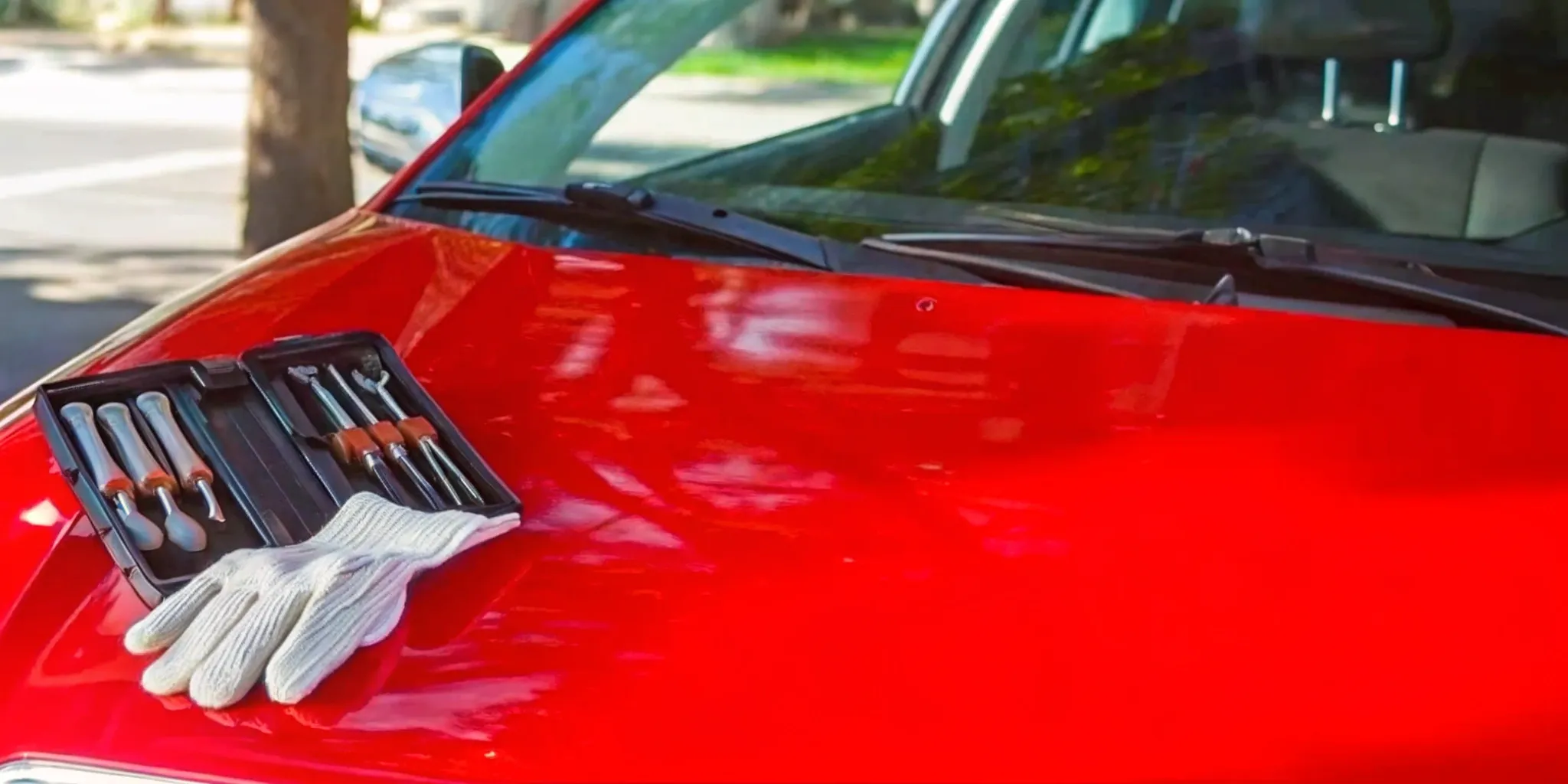
When a rock chips your windshield, one of the first thoughts is usually about the cost. A $20 DIY kit can seem like the most budget-friendly option, especially when you compare it to the potential price of a professional service. But what if a guaranteed, professional repair didn’t cost you anything out of pocket? Many drivers don’t realize their comprehensive auto insurance will often cover the full cost of a windshield chip repair with no deductible. Before you spend your money on a kit, let’s explore the true costs and show you how a professional fix might be the smarter—and surprisingly, freer—choice.
Key Takeaways
- A Professional Repair is Often the Smarter Choice: While a $20 DIY kit is tempting, a professional service restores your windshield's structural integrity, includes a lifetime warranty, and is frequently covered by auto insurance at no cost to you.
- Address Chips Immediately to Prevent a Crack: Waiting to fix a small chip allows dirt to get in and risks it spreading into a large, unrepairable crack from simple road vibrations or temperature changes, forcing a more expensive windshield replacement.
- Reserve DIY Kits for Minor Damage Only: A DIY kit is best suited for a simple, clean bullseye chip smaller than a quarter. Any damage that is larger, has spreading cracks, or is in your direct line of sight requires a professional to ensure a safe and effective fix.
What Is a Windshield Chip Repair?
When a rock or piece of debris flies up and smacks your windshield, that sickening thwack often leaves behind a small chip or crack. A windshield chip repair is the process of fixing that specific spot to keep it from getting worse. A technician injects a special, clear resin into the damaged area. This resin fills the tiny air pockets within the chip, effectively bonding the glass back together. Once the resin is cured, it restores the structural strength of your windshield and makes the blemish much less visible. It’s a fast and effective way to handle minor damage, saving you from the cost and hassle of a full replacement down the road.
Identifying Different Types of Windshield Damage
Before you can decide on a fix, you need to know what you’re looking at. Windshield damage comes in a few common shapes and sizes. You might see a circular "bullseye," a "star break" that has small cracks branching out from the center, or a combination of the two. Sometimes it’s just a small surface chip or a short, straight crack. The good news is that repair is an option for many types of damage, like small chips, bullseyes, and star-shaped cracks. As a general rule, if the chip is smaller than a quarter and not directly in the driver's line of sight, it’s likely a great candidate for a simple repair.
Should You Repair or Replace Your Windshield?
This is the big question for most drivers, and the answer is almost always to repair if you can. Professionals will try to repair your windshield first because it's often cheaper and much faster than replacing the entire thing. A repair also has a key safety advantage: it maintains the original factory seal on your windshield, which is crucial for your car's structural integrity. The most important takeaway is to act fast. Fixing a chip or crack as soon as possible can stop it from spreading and becoming a bigger, more expensive problem. A simple pothole or a change in temperature can turn a tiny chip into a large crack, forcing you into a full replacement.
How Much Does Windshield Chip Repair Cost?
When you spot a chip in your windshield, one of the first questions that comes to mind is, "How much is this going to set me back?" The answer really depends on which path you take: doing it yourself or calling in a professional. Both options have very different price points, and the best choice for you involves more than just the initial cost. Let's break down the numbers so you can make a smart decision for your car and your wallet.
The Price of a DIY Kit
You can find DIY windshield repair kits at most auto parts stores or online, and they’re definitely the cheapest option upfront. Typically, these kits will cost you between $10 and $20. For a small, simple chip, this might seem like a no-brainer. The low price is tempting, especially if you're comfortable with a little hands-on work. However, it's important to remember that the price reflects the quality of the materials and the fact that you're providing the labor. While it saves you money in the short term, the real question is whether it provides a lasting, safe repair.
The Cost of Professional Service
Having a professional technician handle your windshield chip repair typically costs between $50 and $150. The final price depends on the size, type, and location of the chip. While this is more than a DIY kit, you’re paying for much more than just the repair itself. You're paying for a technician's expertise, commercial-grade resin, and specialized tools that ensure the chip is filled correctly and permanently. A professional chip repair restores the structural integrity of your windshield, which is a critical safety feature of your vehicle. Plus, with a service like ours, you get a lifetime workmanship warranty for total peace of mind.
Will Your Insurance Cover It?
Here’s a piece of good news you might not be expecting: a professional repair might not cost you anything out of pocket. Many comprehensive auto insurance policies cover the full cost of windshield chip repairs without requiring you to pay a deductible. Why? Because insurance companies know that fixing a small chip now prevents a much more expensive windshield replacement later. Before you decide on a DIY kit based on price, take a few minutes to call your insurance agent or check your policy details. You might find that you can get a guaranteed, professional repair for free.
The Best DIY Windshield Chip Repair Kits
If you’ve decided to try fixing that chip yourself, you’ll find plenty of options at your local auto parts store or online. Walking down the aisle can feel a bit overwhelming, but most DIY kits are built around the same principle: injecting a clear resin into the chip to fill the space and prevent it from spreading. While they can’t match the quality and durability of a professional repair, some kits have earned a reputation for being user-friendly and effective for very minor damage.
Keep in mind that the success of any DIY kit depends heavily on following the instructions perfectly and the specific type of damage you have. Here are a few of the most popular and well-regarded kits you’re likely to come across.
Rain-X Windshield Repair Kit
You’ve probably seen the Rain-X brand before, and their repair kit is just as common. It’s often cited as a best-selling windshield repair kit online, largely due to its availability and brand recognition. This kit is designed to work on all types of laminated windshields and is best suited for small, simple bullseye or star-shaped chips no larger than a quarter. The multi-step process involves a suction-cup-style applicator to create a vacuum and push the resin into the chip. While popular, it requires patience and a steady hand to get the application just right. It’s a go-to for many first-time DIYers looking for a quick fix for minor damage.
Permatex Windshield Repair Kit
Permatex is another big name in the automotive adhesive and sealant world. The company is known for its effective DIY windshield repair kits that are designed to be user-friendly, even for those who aren’t particularly handy. The kit typically includes a plunger-style syringe system that helps force the resin into the chip. Many users find this design a bit more straightforward than other applicators. It’s made to handle a few different types of damage, including small chips and cracks up to a few inches long. If you’re looking for a kit with clear instructions and a solid reputation, Permatex is a strong contender.
Blue-Star Windshield Repair Kit
The Blue-Star kit is often recommended as a reliable option for DIY repairs because it focuses on a simple, effective process for small chips. Like other kits, it’s intended for minor damage and aims to restore the structural integrity of the glass and improve clarity. The application process is similar to others, using a pedestal and syringe to inject the resin. What makes it stand out for many is its simplicity and effectiveness on small, clean breaks. If you have a very recent, uncomplicated chip and want a no-fuss kit, Blue-Star is a dependable choice that gets the job done without too many complicated steps.
Versachem Windshield Repair Kit
Versachem offers another solid choice for those looking to tackle a windshield chip on their own. This kit is known for its straightforward application process and is often praised for its effectiveness on small bullseye and star-shaped chips. The system is designed to minimize air bubbles in the repair, which is a common issue with DIY kits that can lead to a cloudy or weak finish. While it may not be as widely known as Rain-X or Permatex, Versachem provides a quality resin and a simple process that can yield good results on the right kind of damage. It’s a great alternative if you’re looking for a reliable kit with a focus on a clear, strong finish.
Do DIY Repair Kits Actually Work?
So, what’s the real deal with those DIY windshield repair kits you see at the auto parts store? The short answer is: sometimes. For a very small, simple chip, a DIY kit can be a decent temporary fix that prevents the damage from spreading immediately. It’s an affordable option that can get the job done if the stars align perfectly—you have the right kind of damage, a good quality kit, and a steady hand.
However, the results are rarely as clean or durable as a professional repair. The process is more technical than the packaging lets on, and there’s a real risk of making the problem worse. A failed DIY attempt can make it impossible for a professional to properly fix the chip later, forcing you into a full windshield replacement. Think of it as a trade-off: you save a few dollars upfront, but you sacrifice the peace of mind and guaranteed quality that comes with a professional service. The success of a DIY repair ultimately hinges on three key factors: the quality of the resin, the clarity of the instructions, and the specific type of damage you’re trying to fix.
Comparing Resin Quality and Strength
The magic behind any windshield repair is the resin, a clear liquid that fills the chip and hardens to bond the glass back together. But not all resins are created equal. The resin in a typical DIY kit is a one-size-fits-all solution, while professionals use a variety of high-viscosity, optically clear resins designed for different types of breaks and temperatures. In fact, multi-stage kits often outshine single-step kits when it comes to preventing cracks from spreading. A professional-grade resin creates a stronger, more durable bond that restores the structural integrity of your windshield, while a DIY resin might just be a cosmetic patch.
Ease of Use and Instructions
A repair is only as good as the person performing it. While many kits are designed to be user-friendly, there’s no substitute for experience. Applying the perfect amount of pressure to inject the resin without trapping air bubbles is a skill that technicians spend years perfecting. It’s easy to misalign the applicator, under- or over-fill the chip, or fail to cure the resin properly in the sun. A small mistake can leave you with a cloudy spot or a weak bond that fails a few weeks later. A professional technician uses specialized vacuum tools to ensure the resin fully penetrates the damage, a step that’s simply not possible with a basic DIY kit.
Success Rates for Different Chip Types
DIY kits are most effective on very specific types of damage. They are generally designed for small, clean bullseye or star-shaped chips that are smaller than a quarter and not in the driver’s direct line of sight. For this kind of minor damage, a kit can be a great tool for repairing small chips and preventing them from getting worse. However, if you’re dealing with a long crack, a combination break (a chip with cracks radiating from it), or any damage with crushed glass, a DIY kit is not the right tool for the job. Attempting to fix complex damage yourself often leads to a failed repair and a much bigger problem down the road.
How to Choose the Right Repair Kit
Walking down the auto parts aisle, you’ll see a handful of windshield repair kits that all promise a quick and easy fix. But they aren't all the same. The success of your DIY repair hinges on picking the right product for the job. A kit that works wonders on a small bullseye chip might be useless against a star break. To get a result that’s both strong and nearly invisible, you need to look past the flashy packaging and consider a few key factors. Think about the specific damage on your windshield, the quality of the repair resin, the tools included, and what other drivers have to say about the kit. Taking a few extra minutes to choose wisely can be the difference between a lasting repair and a crack that just keeps spreading.
Match the Kit to the Damage
The first rule of a successful repair is to match the kit to the damage. Most DIY kits are designed for small, specific types of chips like bullseyes or small star breaks, typically no larger than a quarter. It’s crucial to fix a small chip in your windshield quickly before it spreads into a larger crack that can’t be repaired. If you’re dealing with a long crack, multiple chips, or damage directly in your line of sight, a DIY kit is not the right tool. Be honest about the extent of the damage; trying to fix a complex crack with a simple chip kit will only waste your time and money.
Check the Resin and Curing Method
The magic of a windshield repair is in the resin. This liquid acrylic is what fills the chip and bonds the glass back together. High-quality resin cures clearly and creates a strong, durable bond that prevents the chip from spreading. Some kits use a single-step process, while others are multi-stage. Studies and user stories often show that multi-stage kits outshine single-step kits when it comes to preventing cracks from spreading and making the repair less noticeable. These kits often use a better quality resin and a more involved application process that pushes the resin deeper into the chip for a more permanent fix.
Look at the Included Tools
A great resin is useless without the right tools to apply it. A good kit should come with a sturdy applicator or injector that creates a vacuum seal over the chip. This is what removes the air from the break and allows the resin to flow into every tiny crevice. User-friendly kits with clear instructions and minimal setup time are often preferred by first-timers. Check to see what’s included—does it have curing strips, a razor blade for scraping excess resin, and a pushpin to clear away glass fragments? Having all the necessary windshield repair tools in one package makes the process much smoother.
Read Reviews for Pro-Grade Quality
Before you buy, spend a few minutes reading reviews from other people who have used the kit. Real-world feedback is one of the best ways to gauge a product's effectiveness. Look for comments on the clarity of the instructions, the quality of the tools, and, most importantly, the final result. Did the repair hold up over time? Was it truly invisible? Some kits, like the popular Rain-X Windshield Repair Kit, consistently get high marks for their reliability. Seeing what works for others can help you choose a kit that delivers professional-grade quality and avoid the ones that don’t live up to their promises.
Your Step-by-Step Guide to DIY Windshield Repair
If you’ve weighed the options and decided to tackle that rock chip yourself, you’ll want to do it right. A successful DIY repair depends on patience and carefully following instructions. While it might not match a professional job, a well-executed repair can stop a chip from spreading and keep your windshield stable. Think of it as first aid for your auto glass. The goal is to create a clear, strong bond that prevents the damage from getting worse.
Before you start, make sure you’re working in the right conditions. Most kits require a shaded, dry area for the application process and then direct sunlight for the final curing stage. Read your specific kit’s instructions from start to finish before you even open the resin. This will help you understand the full process and avoid any surprises mid-repair. Getting it right the first time is crucial, as you really only get one shot.
Step 1: Prep and Clean the Damaged Area
The first and most important step is preparing the glass. Any dirt, moisture, or loose glass fragments left in the chip will get trapped by the resin, weakening the repair and leaving a cloudy finish. Start by using a pushpin or the tip of a razor blade to gently pick out any tiny, loose shards of glass from the point of impact. Be careful not to make the chip any larger. Then, thoroughly clean the area around the chip with rubbing alcohol and a clean microfiber cloth. Let it air dry completely; trapping moisture is a common mistake that can ruin the repair.
Step 2: Apply the Resin Correctly
This is where things get technical. Your kit will come with an applicator, usually a suction-cup-style tool that centers over the chip. Attach it firmly to the windshield. The goal is to create a seal that allows the resin to be forced deep into every crevice of the damage. Add the recommended number of resin drops into the applicator and screw in the plunger. This creates pressure that pushes the resin into the chip. Following the kit’s instructions precisely is key, as each brand has a slightly different process for creating the pressure and vacuum needed for a solid fill.
Step 3: Cure and Finish the Repair
Once the resin has fully penetrated the chip, it’s time to harden it. You’ll remove the applicator and immediately place a clear curing strip over the wet resin. This strip holds the resin in place and creates a smooth, flat surface. Now, you need UV light. Move your car into direct sunlight for the amount of time specified in your kit’s instructions, which is typically 10 to 15 minutes. This UV exposure is what transforms the liquid resin into a hard, durable material that bonds with the glass. After it’s cured, use the provided razor blade to carefully scrape off the excess resin and the curing strip, holding the blade at a 45-degree angle to get a flush finish.
Step 4: Know Your Post-Repair Care
You’re almost done. The repair might look complete, but the resin can continue to fully settle for up to 24 hours. During this time, it’s best to be gentle with your windshield. Avoid washing your car, especially with a high-pressure washer, and try to prevent any sudden, extreme temperature changes, like blasting the defroster on a cold morning. Give the repair a final inspection to ensure it’s clear and smooth to the touch. If the chip is still visible or you’re not happy with the result, it might be time to call in a pro for a guaranteed fix. Professional auto glass services can often address repairs that didn't go as planned.
Common DIY Repair Mistakes to Avoid
Even with the best intentions and a seemingly straightforward kit, a DIY windshield repair can quickly go sideways. It’s easy to make a small mistake that compromises the repair, wastes your money, and potentially makes the damage worse. Before you start, it’s helpful to know the common pitfalls so you can steer clear of them. Being aware of these frequent errors will help you decide if you’re truly up for the task or if it’s time to call in a professional. From misreading the damage to simply waiting too long, here are the key mistakes to watch out for.
Misjudging the Damage
One of the most common mistakes is underestimating the severity of the chip. Many DIY kits are only designed for small, simple bullseye or star-shaped chips. If the damage is larger than a quarter, has long cracks spreading from it, or is directly in your line of sight, a DIY kit is not the right tool for the job. Trying to fix complex damage with a basic kit can lead to a failed repair that can’t be redone by a professional. It’s crucial to assess the damage accurately from the start. If you’re unsure, it’s always best to get a professional opinion before you begin.
Using a Low-Quality Kit or Improper Prep
Not all repair kits are created equal. Opting for the cheapest one on the shelf often means you’re getting low-quality resin and flimsy tools that won’t create a strong, lasting bond. Beyond the kit itself, failing to properly prepare the windshield is a recipe for failure. Any dirt, moisture, or debris left in the chip will get trapped by the resin, weakening the repair and leaving a cloudy finish. A thorough cleaning is a non-negotiable first step that many people rush through. Professionals use specialized tools and techniques to ensure the area is perfectly clean, which is a major reason their chip repairs are so effective.
Rushing the Application
Patience is key when you’re working with resin. Rushing the application process is a guaranteed way to get a bad result. If you inject the resin too quickly, you can trap air bubbles that weaken the structural integrity of the repair and make the original damage look even more obvious. It’s also important to give the resin enough time to fully cure according to the kit’s instructions—don’t cut corners. An uneven or incomplete cure means the repair won’t hold, and the chip could start spreading again the next time you hit a pothole or use your defroster.
Waiting Too Long to Make the Repair
That tiny chip might not seem like a big deal, but waiting to fix it is one of the biggest mistakes you can make. Over time, dirt and moisture will work their way deep into the chip, making a clean and effective repair much more difficult to achieve. Temperature fluctuations and normal driving vibrations can also cause a small chip to quickly spread into a large crack. Once that happens, a simple repair is off the table, and you’ll be looking at a full windshield replacement. Acting fast is your best defense against a more expensive fix down the road.
When to Call a Professional Instead
DIY kits can be a great solution for tiny, simple chips, but they have their limits. For certain types of damage, trying to fix it yourself can make the problem worse or even compromise your safety. Knowing when to put down the kit and pick up the phone is key to a successful and lasting repair. If you find yourself in one of the following situations, it’s time to call for professional backup.
For Complex Damage or Safety Concerns
Take a close look at the chip. Is it larger than a quarter or does it have long cracks spreading out? If so, a DIY kit won’t be strong enough. More importantly, any damage directly in the driver’s line of sight should be handled by a professional. Your windshield is a critical safety feature—it provides structural support and helps your airbags deploy correctly. A faulty repair on complex damage can weaken the glass. A trained technician can assess the damage and determine if a safe repair is possible or if a full replacement is the better option, ensuring your vehicle’s integrity and your safety on the road.
To Use Your Insurance Coverage
Before you spend money on a DIY kit, check your auto insurance policy. Many comprehensive plans cover the cost of a windshield chip repair with no deductible, meaning the fix could be completely free for you. Insurers prefer that you get chips repaired professionally to prevent them from spreading and requiring a more expensive windshield replacement. Professional auto glass shops are experienced in handling insurance claims and can manage the paperwork for you. This makes the process simple—you just get a free quote, schedule the service, and let the pros take care of the rest without you paying out of pocket.
For a Guaranteed, Warrantied Repair
One of the biggest advantages of hiring a professional is the peace of mind that comes with a warranty. When you use a DIY kit, you’re on your own; if the repair fails or spreads, you have no recourse. Reputable auto glass companies stand behind their work. At Avision, we provide a lifetime workmanship warranty on all our repairs. This guarantee ensures the repair is done correctly with high-quality materials and will hold up over time. A professional, warrantied repair means you can be confident that the chip is sealed properly and won’t cause you problems down the road.
How to Prevent Future Windshield Chips
While you can’t dodge every stray rock on the highway, you can take some simple steps to protect your windshield from chips and cracks. A little prevention goes a long way in saving you time, money, and the headache of a repair. By being mindful of how you drive and care for your car, you can significantly reduce your chances of ending up with a damaged windshield. Think of it as proactive care for one of your car’s most important safety features. These habits are easy to adopt and can make a real difference in the long run, keeping your view clear and your glass intact.
Practice Safe Driving Habits
The best way to avoid a chip is to stay out of the line of fire. Debris kicked up by other vehicles is the number one cause of windshield damage, so your driving habits matter more than you might think. The easiest change you can make is to increase your following distance, especially behind large trucks or vehicles on gravel roads. A good rule of thumb is to maintain at least a three-second gap between you and the car ahead. This gives rocks and other debris more time to fall back to the pavement before they can hit your glass. Also, be sure to slow down in construction zones where loose gravel is common. A clear, undamaged windshield is essential for visibility and can even be a factor in passing state vehicle inspections.
Keep Up with Windshield Maintenance
Taking care of your windshield is just as important as any other routine car maintenance. Start by keeping your glass clean, inside and out. A clean windshield makes it easier to spot tiny chips before they have a chance to spread. You should also replace your wiper blades regularly—about once a year. Old, worn-out blades can drag dirt across the glass, causing small scratches that weaken its integrity over time. If you do spot a chip, the most important thing is to act fast. A small chip can quickly turn into a large, unrepairable crack. Getting it fixed promptly by a professional is the best way to stop the damage in its tracks. Many comprehensive insurance plans even cover the cost of chip repairs, so it’s always worth checking your policy.
Be Mindful of Extreme Temperatures
Your windshield is surprisingly sensitive to sudden temperature changes. Glass expands when it’s hot and contracts when it’s cold, and forcing it to do either too quickly creates stress that can easily turn a tiny, invisible flaw into a massive crack. Never pour hot water on a frozen windshield to de-ice it. Instead, use your car’s defroster on a low setting and allow the glass to warm up gradually. The same logic applies in the summer—avoid blasting ice-cold air conditioning directly onto a scorching hot windshield. Whenever possible, park in a garage or in the shade to protect your car from the most extreme temperature swings. This simple habit helps reduce the overall stress on the glass, making it less vulnerable to cracking.
Related Articles
- Why Delaying Windshield Replacement Can Cost You More in the Long Run
- Auto Glass Chip Repair Services | Kansas City, MO
- 4 Ways a Cracked Windshield Puts Your Safety at Risk
- Windshield Repair Kansas City, MO | Avision Auto Glass
- Windshield Repair | Shawnee, KS | Avision Auto Glass
Frequently Asked Questions
Is it really better to call a professional if my insurance might cover the repair for free? Yes, absolutely. If your comprehensive insurance policy covers chip repairs without a deductible, using a professional service is the smartest move. You get a repair performed by a trained technician using commercial-grade materials, which ensures the structural integrity of your windshield is restored. It also comes with a workmanship warranty for peace of mind, something no DIY kit can offer.
How long can I wait to fix a chip in my windshield? You should get a chip repaired as soon as you possibly can. A chip is a weak point in your windshield, and it can spread into a large crack at any time. Normal driving vibrations, hitting a pothole, or even a sudden temperature change from your defroster can be enough to turn a simple, inexpensive repair into a full and costly replacement.
Will the chip be completely invisible after it's repaired? The primary goal of a repair is to restore the strength of the glass and prevent the damage from spreading. While the process makes the chip much less noticeable, a faint blemish may still be visible if you know where to look. The final cosmetic result often depends on the size, type, and age of the initial damage.
What if I try a DIY kit and it doesn't work? Can a professional still fix it? Unfortunately, it's often not possible. When a DIY repair fails, it usually contaminates the chip with low-quality resin and traps air bubbles inside. This prevents a professional technician from being able to properly clean out the damage and inject their own high-quality resin. In many cases, a failed DIY attempt means a full windshield replacement becomes the only safe option.
How long does a professional windshield chip repair take? A professional chip repair is surprisingly fast. From the moment the technician starts to the moment you can safely drive away, the entire process typically takes less than 30 minutes. It's a quick and convenient fix that can easily be done during a lunch break, especially with a mobile service that comes to you.
