
Scratch Car Window Repair: A DIYer's Guide
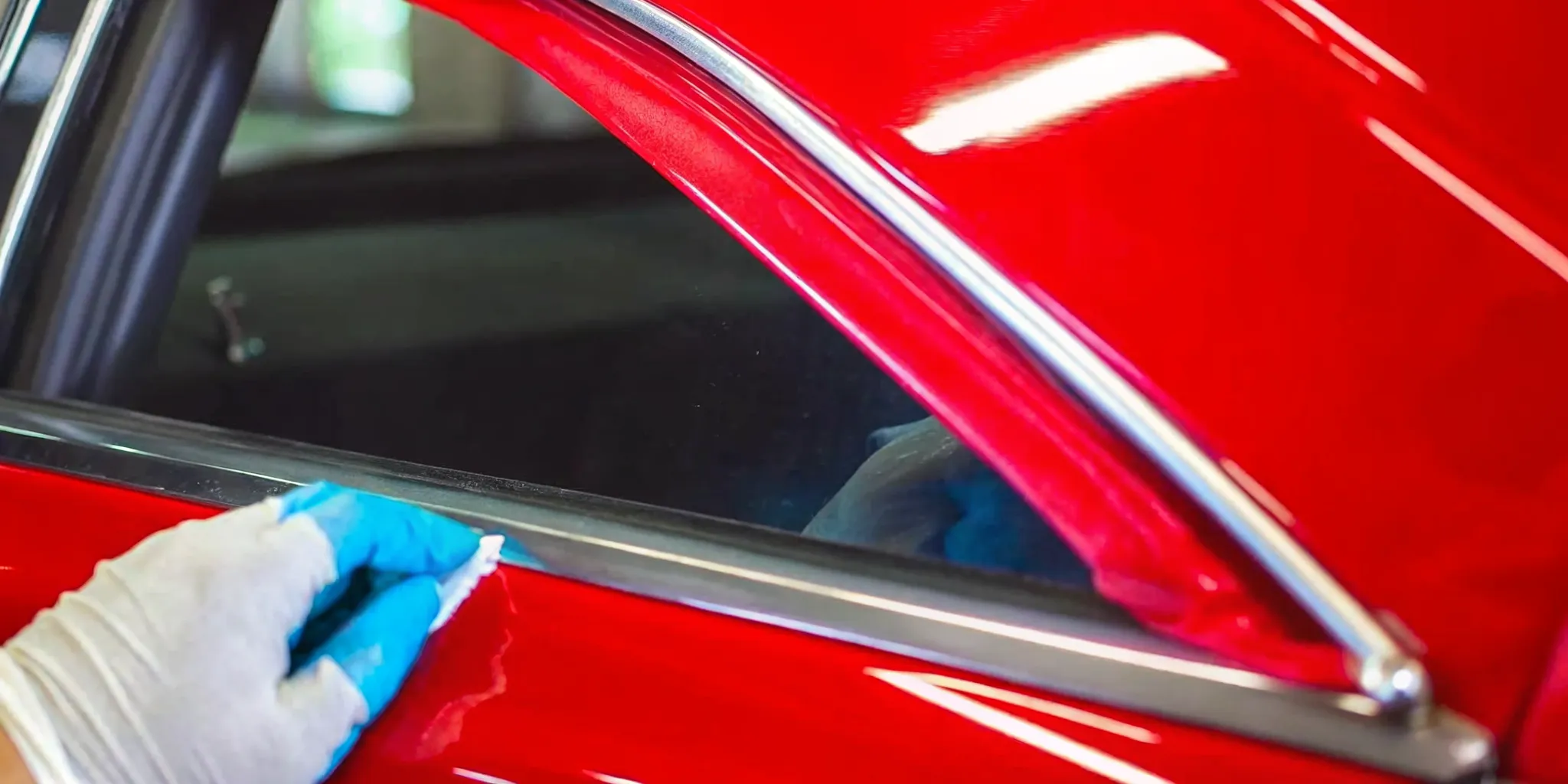
Here’s a simple trick the pros use to instantly gauge the severity of a window scratch: the fingernail test. Gently run your fingernail across the mark. If your nail glides over it without catching, you’re likely dealing with a light surface scuff that might be a candidate for a DIY fix. However, if your nail catches in the groove, the scratch is too deep for a simple home remedy. This single test can save you from wasting time on a fix that won’t work or, worse, from creating a distorted spot in your glass by trying to polish out a deep gouge. This article will explain what to do based on the results of that test, outlining safe DIY methods for minor marks and explaining why a professional scratch car window repair is the only safe option for deeper damage.
Key Takeaways
- Assess the Damage Before You Act: Use the simple fingernail test to determine a scratch's depth. If your nail glides over the mark, you might be able to polish it out yourself; if it catches, the scratch is too deep for a safe DIY fix.
- Prevention Is Simpler Than Repair: You can avoid most common scratches with a few good habits. Always use clean microfiber cloths for washing, replace worn wiper blades regularly, and keep a safe following distance on the highway to avoid road debris.
- Prioritize Safety for Deeper Scratches: A deep scratch is more than a cosmetic flaw; it's a safety risk. Attempting to fix it can create a dangerous distortion in the glass, which is why a professional replacement is often the most responsible solution.
Where Do Car Window Scratches Come From?
You wash your car, the sun hits the glass just right, and there it is: a scratch you swear wasn't there yesterday. Car window scratches can feel like a mystery, but they usually trace back to a few common sources. Understanding where they come from is the first step in preventing them and knowing how to handle the ones you already have. Most scratches are caused by either everyday use and maintenance habits or by debris and weather from the world outside.
Everyday Culprits Behind Window Scratches
It’s frustrating, but some of the most common scratch culprits are items we use on our cars all the time. Your windshield wipers, for instance, are a primary offender. Over time, the rubber blades wear down, exposing hard plastic or metal that can scrape across your windshield with every swipe. Another source is improper cleaning. Grabbing a dry paper towel or a dirty rag to wipe off dust can drag abrasive grit across the surface, leaving fine scratches behind. Even a well-intentioned ice scraper can cause damage if it’s old, chipped, or has debris frozen to its edge. Taking a moment to check these items before you use them can save you a lot of headaches.
How Weather and Debris Damage Your Glass
Your car is constantly exposed to the elements, and that takes a toll on your auto glass. Driving on Kansas City highways means dealing with road debris. Small rocks and sand kicked up by the tires of other cars can easily cause fine scratches or even small chips on your windshield. These issues are a common reason people need professional auto glass services. It’s not just the front glass, either. Dirt and grit can build up in your side window tracks. When you roll the windows up or down, that trapped debris gets dragged against the glass, creating those tell-tale vertical scratches. Even something as simple as a tree branch brushing against your parked car can leave a mark.
What Scratches Can You Fix Yourself?
Finding a scratch on your car’s window is frustrating, and your first instinct might be to search for a quick fix. Before you grab a polishing kit, it’s important to figure out what kind of scratch you’re dealing with. Some minor scuffs are perfect for a weekend DIY project, but deeper gouges often require a professional touch to avoid making things worse. The key is learning how to tell the difference.
The depth of the scratch determines your next steps. A light surface mark that hasn't penetrated the glass is usually manageable. However, a deep scratch that you can feel with your finger is a different story. Attempting to fix a deep scratch yourself can weaken the glass or create a distorted spot that impairs your vision while driving. Taking a moment to assess the damage will help you decide whether to tackle it yourself or call in an expert. If you're ever unsure, getting a free quote can give you a clear idea of what you're up against.
Surface Scratches vs. Deep Gouges
Not all scratches are created equal. A surface scratch is a minor scuff that only affects the very top layer of the glass. You can see it, but it hasn’t created a significant groove. Think of it as a light blemish that hasn't truly dug into the material.
On the other hand, a deep gouge is a more serious issue. This type of scratch penetrates the glass, creating a noticeable channel or groove. You can often feel it with your finger, and it’s much more visible than a simple surface mark. These deeper scratches are the ones that can potentially compromise the structural integrity of your window and are not good candidates for a simple DIY repair.
The Fingernail Test: How Deep Is the Scratch?
Here’s a simple, no-fuss way to gauge the severity of a scratch on your auto glass: the fingernail test. It’s a reliable method that mechanics and detailers have used for years.
To do it, just run your fingernail gently across the scratch. If your nail glides over the mark without catching, you’re likely dealing with a minor surface scratch. This is the kind of blemish you might be able to polish out yourself. However, if your fingernail catches in the groove of the scratch, that’s a clear sign it’s too deep for a simple at-home fix. This simple test gives you a quick and accurate assessment before you decide what to do next.
When a Scratch Compromises Your Glass Integrity
A deep scratch does more than just look bad; it can create a genuine safety hazard. The only way to remove a deep gouge is to grind down the surrounding glass until it’s level with the bottom of the scratch. This process removes a significant amount of material, which can create a "lens effect" in the glass. The result is a wavy or blurry spot that distorts your view of the road.
This distortion is incredibly dangerous, especially if it’s in your line of sight. For this reason, if a scratch is deep enough to catch your nail, replacement is often the safest solution. A professional auto glass service can assess the damage and determine if a repair is possible or if a full window replacement is needed to keep you safe.
DIY Fixes for Light Scratches
If you’ve spotted a minor scratch on your car window, your first instinct might be to try and fix it yourself. For very light surface scuffs, a few household items can sometimes do the trick. These methods are best for scratches you can’t feel with your fingernail. Before you start any DIY repair, make sure your window is completely clean and dry to avoid grinding any dirt into the glass and making the problem worse. Remember, these fixes are for cosmetic touch-ups, not deep damage. If you’re ever in doubt, it’s always safer to get a professional opinion.
The Toothpaste Trick for Minor Scuffs
You might have heard about this one, and for good reason. It can work on the faintest of scuffs. The key is to use a non-gel toothpaste that contains baking soda, which acts as a gentle abrasive. Apply a small dab of toothpaste to a clean, damp microfiber cloth. Rub it into the scratch with firm, circular motions for about a minute, but don't press too hard. Afterward, wipe the excess toothpaste away with a clean part of the cloth and spray the area with water to rinse it completely. This might temporarily hide a tiny scratch, but it won’t work on anything significant.
Using a Glass Polish Kit
For a scratch that toothpaste can’t handle, a dedicated glass polish kit is your next step. These kits usually contain a compound with cerium oxide, a fine powder known for its glass-polishing abilities. You’ll typically mix the powder with water to create a paste. Applying it often requires a polishing pad attached to a drill on a low setting, so this method takes more effort and care. While it can be effective on light scratches, it’s not a solution for deep gouges. Be careful not to overdo it, as you can create an uneven surface on your window.
Trying a Gentle Abrasive Cleanser
Another option for very shallow scratches is a gentle abrasive cleanser, like Comet. This works on the same principle as toothpaste, using a mild abrasive to buff out the imperfection. Sprinkle a small amount of the cleanser onto a damp rag and gently rub it over the scratch. Use a light touch and circular motions. This method is only suitable for scratches you absolutely cannot feel with your fingernail. If you can feel the scratch, an abrasive cleanser won't be enough to fix it and could even make the surrounding area look hazy if you’re not careful.
Essential Tools and Safety Tips
No matter which DIY method you try, always use clean microfiber cloths to avoid introducing new scratches. The biggest risk with any DIY glass repair is creating distortion. When you try to remove a scratch, you are essentially sanding down the glass around it. If you remove too much material, you can create a wavy or blurry spot in the window. This distortion can be incredibly dangerous, as it impairs your vision while driving. If a scratch is deep enough to catch your nail, it’s past the point of a safe DIY fix. Your best bet is to have our professional auto glass services take a look to ensure a clear, safe repair.
When Is It Time to Call a Professional?
While it’s tempting to tackle every car issue yourself, some jobs are best left to the experts, especially when it comes to your auto glass. DIY fixes for scratches have their limits, and pushing them too far can create bigger, more expensive problems. If you’ve tried a few home remedies without success or you’re just not sure if your scratch is a DIY-friendly fix, it’s probably time to get a professional opinion. A trained technician can assess the damage accurately and recommend the safest solution, whether it’s a specialized repair or a full replacement. This ensures the job is done right and your visibility on the road is never compromised.
Signs Your Scratch Needs an Expert
So, how do you know when a scratch is beyond a simple DIY fix? The easiest way to tell is the fingernail test. Run your fingernail gently across the scratch. If your nail catches in the groove, the scratch is likely too deep for an at-home polishing kit to handle. Deep scratches require removing a significant layer of glass to smooth them out, a process that can create optical distortion, or a wavy look in the glass. This distortion can be incredibly dangerous, as it impairs your vision while driving. If the scratch is in your direct line of sight or covers a large area, it’s always best to call for professional auto glass services.
What Does Professional Repair Cost?
The cost of a professional scratch repair can vary quite a bit, depending on the depth and location of the damage. Generally, fixing a few minor surface scratches might cost anywhere from $50 to $150. For more moderate scratches that require more intensive work, you could be looking at a price between $150 and $400. If the damage is severe enough to weaken the glass or obstruct your view, a full windshield replacement might be necessary. The best way to get an accurate price is to have a technician look at it. You can always contact us for a free, same-day quote to understand your options.
The Safety Risks of a Damaged Window
Trying to fix a deep scratch on your own isn't just about the risk of making it look worse; it’s a genuine safety concern. A deep gouge can compromise the structural integrity of your entire window, making it more susceptible to shattering from a minor impact. Furthermore, any scratch, big or small, that is directly in the driver's line of sight can create glare from sunlight or headlights, dangerously obstructing your view of the road. Your windshield is a critical safety component of your vehicle, and it’s just not worth the risk to attempt a repair that could fail. Trusting a professional ensures your glass is sound and your vision is clear.
How to Prevent Future Window Scratches
After you’ve gone through the trouble of fixing a scratch, the last thing you want is to find a new one. The good news is that preventing future scratches is often easier than you think. A few simple habits can go a long way in keeping your auto glass clear and damage-free, saving you from the headache of another repair. Think of it as preventative care for your car that protects your investment and keeps you safer on the road. Scratches aren't just cosmetic issues; they can weaken the glass and create distracting glares from sunlight or oncoming headlights, which is a real safety concern. By being mindful of how you clean your windows, maintain your wipers, and even where you park, you can drastically cut down the risk of damage. These next few tips are practical, easy to follow, and will help you protect your windows from the everyday hazards that cause those frustrating nicks and scuffs.
Clean Your Windows the Right Way
It might sound basic, but improper cleaning is a top cause of fine scratches on auto glass. Grabbing a paper towel or an old, gritty rag can drag tiny particles of dirt across the surface, leaving a web of scuffs behind. Instead, always use a clean microfiber cloth with a quality, ammonia-free auto glass cleaner. Spray the cleaner onto the cloth, not directly onto the window, to prevent drips from damaging your car’s interior. Work in straight lines, flipping the cloth to a clean side often. This simple change in your routine ensures you’re lifting dirt away from the glass, not just pushing it around.
Maintain Your Wipers and Remove Ice Safely
Your windshield wipers can be your glass’s best friend or its worst enemy. Worn-out wiper blades become hard and brittle, and their metal components can scrape against the glass. Even worse, a faulty wiper can trap dirt and debris, dragging it back and forth with every swipe. Check your wipers every six months and replace them if you see any signs of cracking or wear. When winter hits Kansas City, resist the urge to use a metal shovel or sharp object to clear ice. Always use a plastic ice scraper or, even better, let your defroster do the heavy lifting before you gently scrape away the rest. If a bad wiper has already left its mark, our team can assess the damage and recommend the best course of action for your auto glass services.
Simple Ways to Protect Your Auto Glass
A little mindfulness on the road can make a big difference. Keep a safe following distance from other vehicles, especially trucks, to avoid getting pelted by rocks and road debris they kick up. Try to keep your windshield clean from built-up dirt and grime, as these abrasive materials can easily cause damage over time. It’s also smart to be mindful of where you park. Avoid parking directly under trees where branches, nuts, or sap can fall and potentially scratch or stick to your glass. Despite your best efforts, accidents happen. If you spot a new scratch, don't wait for it to get worse. You can always contact us for a free quote and expert advice.
What to Expect from a Professional Repair
Sometimes, a scratch is just too much for a DIY fix. When you’ve tried the home remedies and the scratch is still staring back at you, it’s time to call in a professional. Handing the job over to an expert not only saves you time and frustration but also ensures the repair is done safely and correctly. A trained technician has the right tools and experience to handle scratches that DIY methods can’t, giving you peace of mind that your window is in good hands.
How a Pro Assesses the Damage
When a technician arrives, their first step is to perform a detailed assessment of the damage. They go beyond the simple fingernail test you might have done at home. A professional will examine the scratch’s depth, length, and location to determine if it has compromised the structural integrity of the glass. They’ll also check for any signs of distortion or other issues that could affect your visibility. This thorough evaluation is a key part of our auto glass services and allows them to recommend the most effective and safest solution for your specific situation.
Repair or Replace: Making the Right Call
Based on the assessment, the technician will recommend either repairing the scratch or replacing the window. While polishing can remove minor surface scratches, deeper gouges often require a full replacement. Trying to grind down a deep scratch can distort the glass, creating a "funhouse mirror" effect that impairs your vision and makes driving unsafe. As many mechanics will tell you, replacing the glass is often the best and safest solution for significant damage. A trustworthy professional will explain your options clearly so you can make an informed decision.
Why a Workmanship Warranty Matters
Any reputable auto glass company will stand behind its work with a warranty. A workmanship warranty is your protection against defects in the repair or installation process. It’s a promise that the job was done right and that the company will fix any related issues that might come up later. At Avision Auto Glass, we are a family-owned business that provides a lifetime workmanship warranty because we believe in the quality of our work. When you’re choosing a service, always ask about the warranty. It’s a clear sign that you’re working with professionals who prioritize quality and customer satisfaction.
Related Articles
- DIY Windshield Chip Repair: A Complete Guide — Avision Auto Glass
- When To Replace a Windshield vs. Repair — Avision Auto Glass
- Car Window Repair Shawnee KS: A Complete Guide — Avision Auto Glass
- Side Window Replacement 101: A Complete Guide — Avision Auto Glass
- FAQs — Avision Auto Glass
Frequently Asked Questions
My fingernail catches on the scratch. What should I do now? If your nail catches, it's a clear sign the scratch is too deep for a DIY fix. The next step is to get a professional opinion. A trained technician can properly assess the depth and location to see if a safe repair is possible or if a full window replacement is the better choice to ensure your safety and clear vision on the road.
Why is it so bad to fix a deep scratch myself? Won't it save me money? Attempting to polish out a deep scratch yourself is risky because it requires grinding down a significant amount of glass. This can create a permanent wavy or blurry spot in the window, which is incredibly dangerous as it distorts your view. While it might seem cheaper initially, compromising your safety and potentially needing a full replacement anyway isn't worth the savings.
Are the DIY toothpaste or cleanser tricks actually safe for my glass? These home remedies are only suitable for the absolute faintest surface scuffs, the kind you can see but not feel at all. For anything more significant, they are not effective. There's also a risk of making things worse by rubbing too hard or using a dirty cloth, which can create a hazy area or more fine scratches on the glass.
If I get a scratch repaired, will it be completely invisible? A professional repair will dramatically improve the appearance of a scratch and restore the structural integrity of the glass. For many light to moderate scratches, the repair will be nearly invisible. However, with deeper scratches, a faint trace may still be visible under certain lighting. A technician can explain what results to expect after they assess the damage.
How can I tell if my wiper blades are causing scratches? You might see fine, curved scratches that follow the path of the wiper's movement. You can also check the blades themselves. If the rubber edge is cracked, stiff, or peeling away from the metal arm, it's time for a replacement. Running your finger along the blade (when it's clean) can also reveal hardened spots or embedded grit that could be damaging your windshield.
Double-click to edit...
