
Rock Repair Windshield: A Step-by-Step Guide
Your windshield does a lot more than just block wind and rain; it’s a critical part of your car’s safety system. It provides a significant amount of your vehicle's structural strength in a rollover accident and is essential for proper airbag deployment. When a rock creates a chip or crack, it compromises that structural integrity. That’s why treating a damaged windshield as just a cosmetic issue is a serious mistake. Driving with a compromised windshield puts you and your passengers at risk. Understanding the importance of a timely and professional rock repair windshield service is key to maintaining your vehicle’s safety features. Let’s look at why this small repair has such a big impact on your well-being on the road.
Key Takeaways
- Address chips right away: A small chip is a weak point that can easily spread due to road vibrations or temperature changes, turning a simple, affordable repair into a costly full windshield replacement.
- Know your repair options: A repair is often possible for chips smaller than a quarter that don't block your view, but larger cracks or damage in your direct line of sight typically require a full replacement to keep your car safe.
- Drive defensively to protect your glass: You can lower your risk of future damage by keeping a safe distance from other cars, especially trucks, and driving carefully on gravel roads or through construction areas.
Why Did My Windshield Chip?
It’s a sound every driver dreads: the sharp ping of something hitting the windshield. One second, you’re cruising down the highway; the next, you’re staring at a new, star-shaped blemish in your line of sight. The immediate frustration is real. A perfect piece of glass is now flawed, and that tiny spot can feel like a major distraction. While it’s easy to blame bad luck, windshield chips usually happen for a few specific reasons. Understanding what causes them can help you know what to watch out for and why getting a small chip fixed quickly is so important.
Most of the time, the culprit is an object kicked up from the road. But other factors, like sudden temperature shifts or even the quality of your windshield’s last installation, can play a major role. A tiny, almost invisible flaw can easily become a weak spot, just waiting for the right amount of stress to turn into a full-blown crack. It’s not just about aesthetics; a chip compromises the structural integrity of your windshield, which is a key safety feature of your vehicle. Let’s look at the most common causes for that frustrating windshield damage.
Road Debris and Other Hazards
This is the number one cause of windshield chips. You’re driving behind a large truck on I-35, and a piece of gravel gets flung from its tires right into your glass. Road debris, such as rocks, pebbles, and other small, hard objects, can easily strike your windshield and cause a chip. It happens in an instant and is often completely unavoidable. Construction zones, unpaved roads, and even freshly paved highways can be hot spots for this kind of damage. While you can’t control what’s on the road, leaving a safe following distance between you and the vehicle ahead can sometimes give you a little more reaction time or space for debris to fall.
Extreme Temperature Changes
Have you ever noticed a small chip suddenly get bigger overnight? Temperature changes are likely to blame. Your windshield glass expands in the heat and contracts in the cold. Rapid fluctuations in temperature put a lot of stress on the glass, especially if there’s already a weak spot like a chip. Blasting the air conditioning on a sweltering Kansas City summer day or using hot water to defrost an icy windshield in the winter can cause a tiny chip to spread into a long crack. This is why it’s so important to get even minor chip repairs handled promptly before the weather turns them into a much bigger problem.
Flaws in a Previous Installation
Sometimes, the problem isn’t what hit your windshield, but the windshield itself. A poor installation job can leave your auto glass vulnerable to damage. If the previous technician used low-quality adhesive or didn’t seal the windshield correctly, it creates stress points that can’t withstand normal driving pressures. Flaws in a previous installation can create vulnerabilities, making your windshield much more likely to chip or crack from a minor impact. This is why choosing a reputable company with licensed technicians is so critical. At Avision, our work is backed by a lifetime workmanship warranty, so you can trust your glass is installed correctly from the start.
Should You Repair or Replace Your Windshield?
So, you've got a chip. The big question now is whether you're looking at a quick repair or a full windshield replacement. It’s tempting to hope for the easier, cheaper option, but making the right call is crucial for your safety and your wallet in the long run. The answer isn't always straightforward and depends on a few key factors: the size and location of the damage, the type of crack or chip you're dealing with, and how it impacts your ability to see the road clearly. Let's walk through what you need to look for to make an informed decision. Understanding these details will help you know what to expect when you call a professional for help.
Check the Chip's Size and Location
When it comes to windshield damage, size definitely matters. As a general rule, a chip that is less than an inch in diameter (think smaller than a quarter) is usually a great candidate for repair. Anything larger than that, and you’re likely looking at a replacement. Location is just as important. If the chip is directly in your line of sight while driving, most technicians will recommend a replacement. Even the best repairs can leave a tiny distortion, and you don’t want anything obstructing your view. Damage near the edge of the windshield is also tricky, as it can weaken the entire structure and is more likely to spread. Our team can assess your specific situation and recommend the safest auto glass services for your vehicle.
Identify the Type of Damage
Not all windshield blemishes are created equal. Take a close look at the damage. Is it a small, round chip, or is it a crack that looks like a line? Small chips are often simple to fix. Cracks, on the other hand, are a bit more complicated. If a single crack is shorter than about three inches, a repair might still be possible. However, longer cracks, or multiple cracks branching out from one point (often called a star break), usually mean the windshield's integrity is too compromised for a simple fix. The goal of a repair is to restore strength and prevent the damage from spreading, but some types of damage are just too severe to be safely repaired.
Consider Your Safety and Line of Sight
This is the most important factor of all. Your windshield does more than just block wind and rain; it's a critical safety feature of your car. A damaged windshield can weaken your vehicle's entire frame, which is especially dangerous in a rollover accident. It also plays a vital role in proper airbag deployment. If your windshield is compromised, your airbags might not work as intended during a collision. That's why we take a safety-first approach. As a family-owned business, we believe in treating our customers like our neighbors, and that means prioritizing your well-being on the road. Any damage that obstructs your view or compromises the structural safety of your car points directly to a replacement.
How Do Professionals Repair a Rock Chip?
When a rock nicks your windshield, it’s tempting to ignore it or try a quick fix. But a professional repair is about more than just looks; it’s about restoring your windshield’s strength and keeping you safe. Unlike DIY kits, which can be messy and unreliable, a professional technician uses specialized tools and a precise process to ensure a durable, nearly invisible repair. They have the experience to handle different types of chips and prevent them from spreading into larger cracks.
The process involves a few key stages, from carefully preparing the damaged area to injecting a high-quality resin and curing it for a permanent bond. Each step is crucial for restoring the structural integrity of the glass. A professional chip repair not only saves your windshield but also saves you the higher cost of a full replacement down the road. It’s a quick and effective solution that gets you back on the road safely, with a clear view ahead.
Step 1: Assess and Clean the Damage
The first thing a technician does is take a close look at the chip. Even if the damage seems minor, it’s important to have a professional assess it. They’ll determine if the chip’s size, depth, and location make it a good candidate for repair or if a full replacement is the safer option.
Once they confirm a repair is possible, the technician thoroughly cleans the area. Using special tools, they carefully remove any tiny glass fragments, dirt, and moisture from inside the chip. This step is critical because a clean surface allows the repair resin to form a perfect bond with the glass, ensuring a strong and long-lasting fix.
Step 2: Inject the Repair Resin
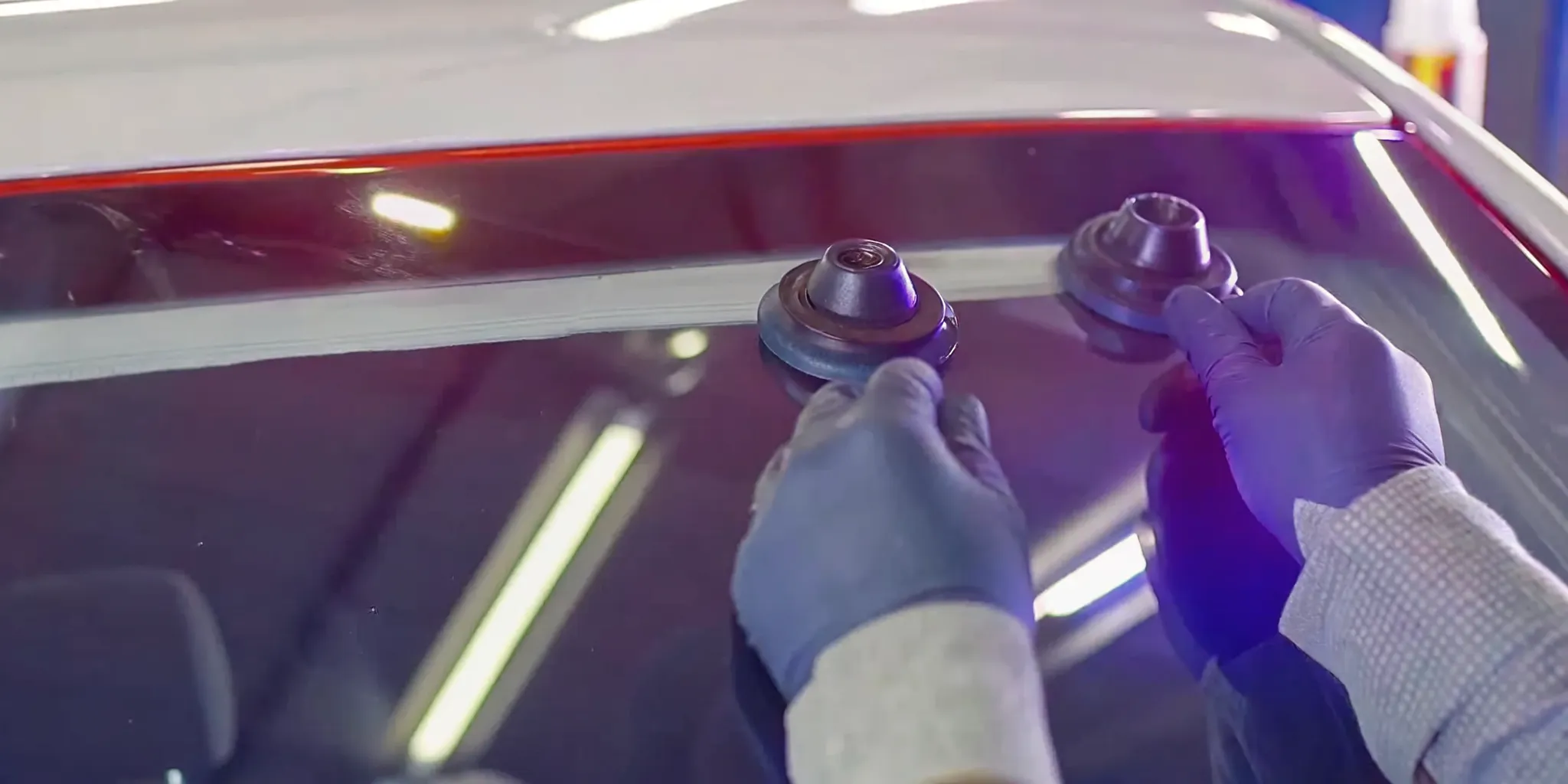
Next, the technician injects a special, high-quality liquid resin into the chip. They use a tool that mounts directly over the impact point, creating a seal against the windshield. This device allows them to inject the resin and create a vacuum, which is a key part of the professional process.
Pulling a vacuum on the chip removes any trapped air, allowing the resin to flow into every tiny crack and crevice. Without this step, air bubbles could get trapped, weakening the repair and leaving it more visible. This professional-grade technique ensures the resin completely fills the damage, restoring the windshield’s strength and clarity.
Step 3: Cure and Polish for a Smooth Finish
After the resin has completely filled the chip, it’s time to harden it. The technician applies a curing strip over the area and uses an ultraviolet (UV) light to cure the resin. This process typically takes just a few minutes and hardens the resin into a durable material that bonds with the surrounding glass.
Once cured, the technician carefully scrapes away any excess resin with a razor blade, leaving a perfectly smooth surface that’s level with the rest of the windshield. A final polish makes the repair nearly invisible. When you’re ready for a professional fix, you can get a free quote to get started.
Thinking of a DIY Windshield Repair?
If you’ve spotted a new rock chip on your windshield, your first thought might be to handle it yourself. A DIY fix seems quick, easy, and budget-friendly, and sometimes it can be the right move. The most important thing is to act fast. A tiny chip might not look like a big deal, but it’s a weak spot in your windshield. Everyday driving, from hitting a pothole to simple changes in temperature, puts stress on the glass. This pressure can cause a small chip to spread into a long crack, turning a simple repair into a full replacement.
Before you head to the store, take a moment to assess the damage. Most DIY kits are only designed for minor blemishes. If you're looking to fix small windshield cracks on your own, the general rule is that the chip should be smaller than a quarter and any single crack should be shorter than three inches. If the damage is larger, more complex, or directly in your line of sight, it’s best to pause and consider calling a professional. A faulty repair can be difficult or impossible to correct later, so it’s worth getting it right the first time.
What's Inside a DIY Repair Kit?
When you pick up a DIY windshield repair kit, you’ll find a few key tools designed for a specific job. These kits are meant to handle small, simple damage, so be sure your chip or crack fits the size guidelines. Inside the package, you’ll typically find a resin injector or applicator, which is a device that helps you force the repair liquid into the chip. You'll also get the repair resin itself, a special adhesive that fills the damaged area and hardens to restore the glass's integrity. Finally, the kit usually includes a small razor blade for scraping away any excess resin after it has cured, ensuring a smooth finish.
Other Supplies You'll Need
The kit itself is just the starting point. To do a thorough job, you’ll need to gather a few extra supplies before you begin. Start with a good glass cleaner and a clean microfiber cloth to make sure the area is completely free of dirt and oils. You might also need a pin or needle to carefully pick out any tiny glass fragments or debris from the impact point. To properly cure the resin, you'll need a UV lamp or direct, bright sunlight. It’s also a good idea to have some masking tape on hand to protect the paint around your windshield. Most importantly, always wear safety glasses and gloves to protect yourself during the process.
Common Mistakes to Avoid
A successful DIY repair requires a bit of care and attention to detail. One of the most common mistakes is trying to do the repair in the wrong conditions. Never attempt to fix your windshield if it’s raining or the glass is wet, as moisture will prevent the resin from bonding correctly with the glass. Another critical point is safety. The resin is a chemical adhesive, so if you get any on your skin or in your eyes, be sure to rinse the area thoroughly with water. If irritation continues, it’s best to seek medical attention. When done correctly, a DIY repair can last for years, but a small mistake can lead to a failed fix or a crack that continues to spread.
What Does Windshield Repair Cost?
Figuring out the cost of a windshield repair can feel tricky because it’s not a one-size-fits-all price. The final bill depends on a few key things: the type of damage your windshield has, whether you hire a professional or try a DIY kit, and what your car insurance will cover. Let's break down what you can expect so you can make the best choice for your car and your budget.
Factors in Professional Repair Pricing
When you call a professional, the price is based on the specifics of the damage. A small, simple rock chip (usually smaller than a quarter) is the most affordable fix, typically costing between $80 and $150. Longer cracks are more complex and start at around $120, with the price increasing based on length. The location also matters. A chip in the driver’s direct line of sight or near the edge of the windshield might require more specialized work or even a full replacement. The best way to get an accurate number is by getting a free quote from a trusted technician who can assess the damage firsthand.
How DIY Costs Compare
At first glance, a DIY repair kit from an auto parts store seems like the cheapest route. These kits are designed only for minor damage, like chips smaller than a quarter or cracks shorter than three inches. If the damage is any larger, a kit won't be effective. Keep in mind that the kit itself isn't all you'll need. You’ll also have to gather other supplies like a razor blade, glass cleaner, and microfiber cloths. While it can save you money upfront, a failed DIY attempt can make the chip worse and impossible for a professional to repair later, forcing a more expensive full windshield replacement.
Will Your Insurance Cover It?
Here’s some good news: there's a good chance you won't have to pay much, if anything, out of pocket. Many auto insurance policies with comprehensive coverage include auto glass repair. Because fixing a small chip is much cheaper for insurance companies than replacing the entire windshield later, they often encourage repairs. In many cases, your provider might even waive your deductible completely for a repair service. It’s always a smart move to check your policy details or call your agent to confirm your coverage before scheduling a repair. A professional auto glass shop can also help you navigate the claims process.
Why You Shouldn't Wait to Repair a Chip
It’s so easy to put off small car repairs. That tiny rock chip in your windshield seems harmless, like a minor cosmetic issue you can deal with later. But waiting to fix it is one of the biggest mistakes you can make. A small chip is a weak point in your auto glass, and it rarely stays small for long. Everyday driving conditions, from bumpy roads to sudden temperature shifts, put stress on your windshield. This pressure can quickly turn a simple, inexpensive repair into a major crack that requires a full, costly replacement. Addressing the problem right away isn't just about looks; it's about safety, saving money, and preventing a minor annoyance from becoming a serious hazard.
How a Small Chip Becomes a Big Crack
Think of a rock chip as a tiny fracture in your windshield. While it might look stable, the glass around it is under constant pressure. Simple things like driving over a pothole, closing your car door too hard, or even the vibrations from your engine can cause that fracture to spread. Temperature changes are a major culprit, especially here in Kansas City where the weather can swing dramatically. Blasting the AC on a hot day or the defroster on a cold one creates a sudden temperature difference between the inside and outside of the glass. This thermal stress is often all it takes for a chip to "run," creating a long crack that can't be repaired.
The Safety Risks of a Damaged Windshield
Your windshield does more than just block wind and rain; it’s a critical part of your car’s safety system. It provides up to 60% of your vehicle's cabin strength in a rollover accident, preventing the roof from caving in. A chip or crack compromises this structural integrity. Furthermore, the passenger-side airbag is designed to deploy against the windshield to protect the passenger. If the glass is already weakened by damage, it can shatter on impact, causing the airbag to deploy improperly and potentially leading to serious injury. Driving with a damaged windshield simply isn't worth the risk to you or your passengers.
How Waiting Costs You More
From a purely financial standpoint, procrastinating on a chip repair just doesn't make sense. A small chip can often be fixed quickly and affordably. In many cases, your auto insurance will even cover the full cost of a repair without you having to pay a deductible. However, once that chip spreads into a crack, a simple repair is no longer an option. You'll be looking at a full windshield replacement, which is significantly more expensive. By taking care of the damage right away, you can get a simple auto glass repair and avoid the much higher cost of replacing the entire windshield down the road. It's a small investment that prevents a much bigger expense.
How Long Does Windshield Repair Take?
When you spot a new chip in your windshield, one of the first questions is, "How long will this take to fix?" You have a busy schedule, and a lengthy repair is the last thing you need. The good news is that most rock chip repairs are surprisingly quick. The exact time depends on whether you call a professional or tackle it yourself, the complexity of the damage, and even the weather. Let’s break down what you can expect.
Professional Repair Timelines
If you call in a professional, you can expect the entire repair to be done in about 30 to 60 minutes. Technicians have the process down to a science, using specialized tools to inject a high-quality resin that makes the damage nearly invisible. Because they do this every day, they work efficiently and effectively. With a mobile service, a technician comes to your home or office, so you can carry on with your day while they handle the repair. This convenience means your auto glass services are completed without disrupting your schedule.
Estimating Your DIY Repair Time
Thinking of trying a DIY kit? You should also set aside about 30 minutes to an hour. The process requires patience and careful attention to the instructions. Rushing can result in a messy application or an incomplete seal, which might not stop the chip from spreading. Remember, DIY kits are only designed for small damage, like chips smaller than a quarter. If the damage is larger, it’s always best to get a professional opinion. A botched DIY job can sometimes make a professional repair impossible later on.
How Weather Affects the Process
Believe it or not, the weather plays a big role in how well your windshield repair turns out. The resin used to fill the chip needs to cure properly, and temperature is key. The ideal range is between 50°F and 75°F. If it’s too cold, the resin won’t set correctly, and if it’s too hot, it can cure too fast. That’s why it's best to apply the resin in the shade and then move the car into direct sunlight to help it cure. An experienced technician knows how to manage these conditions to ensure a strong, lasting bond.
When to Call a Professional Instead of DIY
DIY repair kits can seem like a quick and cheap fix, and for very minor damage, they can sometimes do the trick. But your windshield is a key safety feature of your car, and some jobs are just too important to leave to chance. Knowing when to put down the DIY kit and call for professional auto glass services can save you time, money, and a lot of frustration. It’s about making the safest choice for you and everyone else on the road.
If the Damage is Too Big or Complex
Take a close look at the damage. Is the chip bigger than a quarter? Is there a crack that’s longer than a dollar bill? If so, a DIY kit won’t be enough. These kits are designed for small, simple bullseye or star-shaped chips. When the damage is extensive, like a large crack or shattered glass, a full windshield replacement is usually necessary to restore your car's structural integrity. Trying to patch up a large or complex crack yourself can fail, allowing the damage to spread and forcing a replacement anyway. It’s always better to get an expert opinion from a team you can trust.
If the Chip is in Your Line of Sight
Location is just as important as size. If the chip or crack is directly in your line of sight while driving, it’s time to call a professional. Your direct line of sight is the critical area you look through to see the road, roughly the width of your steering wheel. Even a perfectly executed DIY repair can leave a small distortion or haze in the glass. While this might not be noticeable on a passenger-side chip, it can be a dangerous distraction in your primary field of vision. For safety reasons, most technicians will recommend a full replacement for damage in this area.
For a Guaranteed, High-Quality Fix
Sometimes, the damage looks small, but it’s hard to know for sure what’s needed. A professional technician can tell you if a simple repair will work or if a replacement is the safer option. They use specialized tools to inject a high-quality liquid resin into the chip, which is then cured and polished until it’s smooth and clear. This process creates a much stronger, more durable, and less visible repair than what most DIY kits can achieve. Plus, with a professional service, you get a lifetime workmanship warranty, giving you peace of mind that the job was done right.
How to Prevent Future Windshield Damage
Dealing with a chipped windshield is a hassle, but the good news is you aren't completely at the mercy of the road. While you can't control every stray rock, a few simple adjustments to your driving and maintenance routines can significantly lower your chances of getting another chip. Think of it as a little defensive driving for your auto glass. Taking these small steps can save you time, money, and the headache of another repair. It’s all about being mindful of your surroundings and giving your windshield a little extra care.
Adjust Your Driving Habits
The easiest way to protect your windshield is by changing how you interact with the road. Start by giving the car in front of you plenty of space. This is especially true for large trucks and vehicles hauling gravel or construction materials, as they’re notorious for kicking up debris. Keeping a safe following distance gives you more time to react and lets loose stones fall to the pavement before they can hit your glass. It’s also smart to be extra cautious in construction zones or on unpaved roads where gravel is common. When possible, stick to well-maintained routes to reduce your exposure to potential hazards and keep your glass in great shape.
Simple Tips for Windshield Care
A little proactive care goes a long way in preventing small problems from becoming big ones. Make it a habit to inspect your windshield regularly, perhaps every time you wash your car. Look closely for any new, tiny chips or dings. Catching them early means you can get a simple repair before they spread. Also, be mindful of extreme temperature changes. Blasting the defroster on high on an icy morning or washing a hot windshield with cold water can cause a small chip to crack across the entire glass. If you do spot damage, don't wait. Getting a professional auto glass service to look at it quickly is the best way to avoid a full replacement.
Related Articles
- DIY Windshield Chip Repair: A Complete Guide — Avision Auto Glass
- Why a Small Windshield Chip Spreads & How to Stop It — Avision Auto Glass
- When To Replace a Windshield vs. Repair — Avision Auto Glass
- Auto Glass Repair Liberty MO: A Complete Guide — Avision Auto Glass
Frequently Asked Questions
Will my insurance rates go up if I file a claim for a chip repair? This is a common worry, but you can usually relax. Most insurance companies with comprehensive coverage actually prefer that you repair a chip right away. A simple repair is much less expensive for them than a full windshield replacement down the road. Because of this, they often waive your deductible for the repair and don't treat it as a standard claim that would affect your rates. It's always a good idea to call your agent to confirm your specific policy details.
Can I drive my car immediately after a professional chip repair? Yes, in most cases, you can. The special resin used in a professional repair is cured with an ultraviolet light, which hardens it in just a few minutes. This creates a strong, permanent bond, and your car is typically safe to drive as soon as the technician is finished. They will give you any specific instructions you might need, but you shouldn't have to plan for any downtime.
What happens if my DIY repair attempt fails? Can a professional fix it then? This is a risky situation, and unfortunately, the answer is often no. If a DIY repair doesn't work correctly, it can trap low-quality resin, air, or moisture inside the chip. This contamination makes it impossible for a professional technician's high-grade resin to properly bond with the glass. In many cases, a failed DIY attempt means a simple repair is no longer an option, forcing you to get a more expensive full windshield replacement.
Is a repaired chip as strong as the original windshield? A professional repair is designed to restore the structural integrity of the glass. The main goal is to stop the chip from spreading and to reinforce the weak spot so it can withstand the normal pressures of driving. While the process also makes the damage much less noticeable, its primary purpose is to bring back the strength and safety of your windshield.
Why can't a chip in my line of sight be repaired? Safety is the simple answer. Even the most flawless repair can leave a very slight distortion or haze in the glass. If that blemish is located anywhere else on the windshield, you would likely never notice it. However, if it's directly in your primary field of vision, it can become a dangerous distraction while you're driving. To ensure a perfectly clear view of the road, safety standards require a full replacement for damage in that critical area.
