Repair Car Windshield Chip: A Practical Guide
Learn how to repair car windshield chip quickly and safely. Get expert tips on repair costs, insurance, and when to choose repair over replacement.
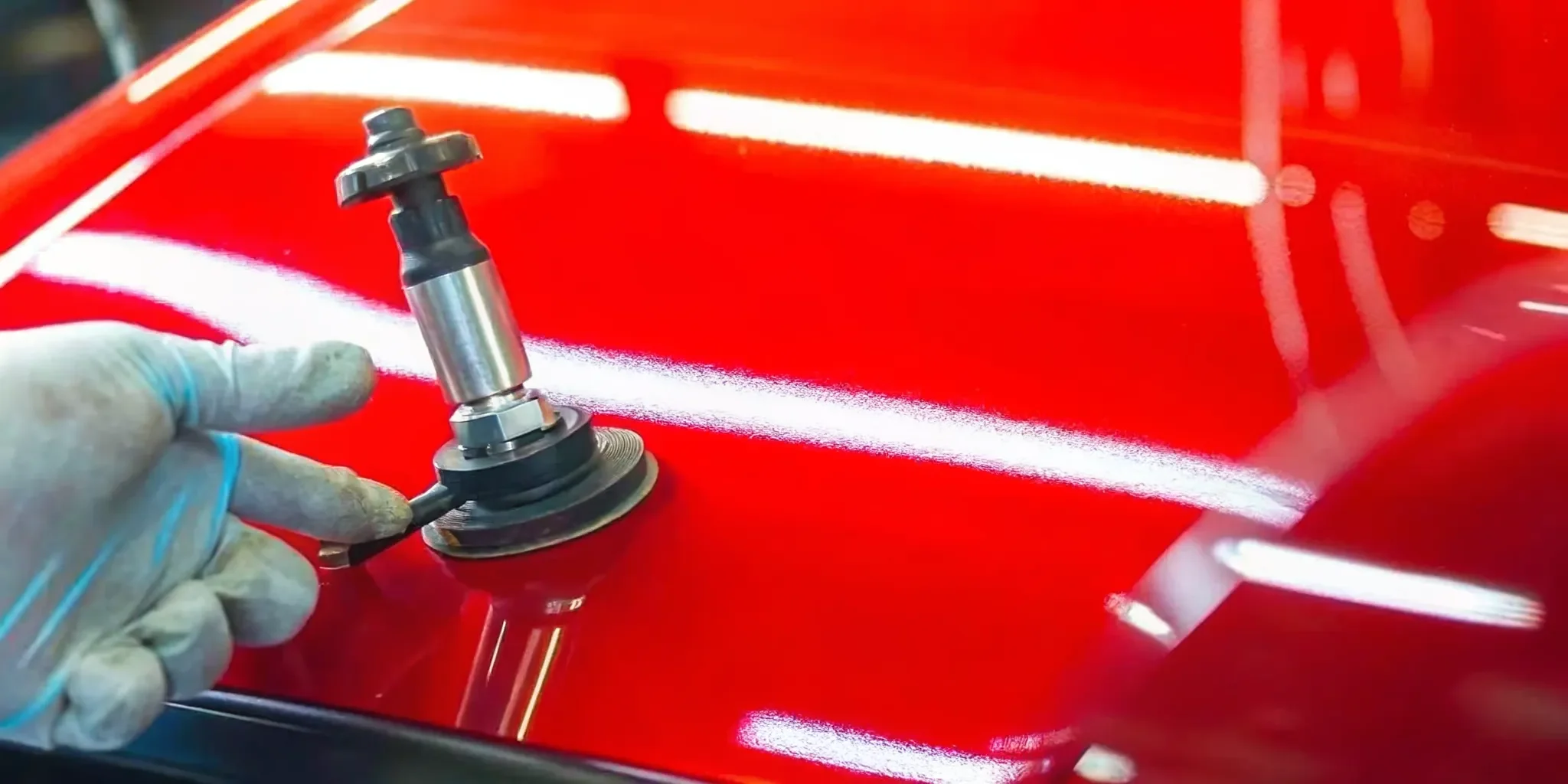
Your windshield does more than just block the wind; it’s a critical safety feature of your car. It provides up to 60% of your vehicle’s structural strength in a rollover accident and helps your airbags deploy correctly. When a rock creates a chip, it compromises that strength, creating a vulnerable point in a vital safety shield. That’s why a professional repair is about so much more than just looks. When you repair car windshield chip damage, you are restoring the glass to its original strength and ensuring it can protect you and your passengers as intended. This guide explains how the repair process works, when it’s the right choice, and what to look for in a qualified technician.
Key Takeaways
Opt for repair whenever possible: Fixing a small chip is significantly cheaper and faster than a full replacement. It also keeps your windshield's original factory seal intact, which is the safest option for your vehicle's structural integrity.
Count on a fast, convenient process: Most professional chip repairs are finished in under an hour. With mobile service, a technician can come to your location, allowing you to fix the damage without interrupting your work or daily routine.
Verify the quality of your service: Your safety is on the line, so always choose a company that uses licensed and insured technicians. A lifetime workmanship warranty and assistance with insurance claims are also key signs of a trustworthy professional.
What Is Windshield Chip Repair?
Think of windshield chip repair as first aid for your auto glass. When a rock or piece of debris hits your windshield, it creates a small chip or crack. It’s tempting to ignore it, but that tiny spot of damage can easily spread. Temperature changes, road vibrations, and even closing your car door a little too hard can turn a small chip into a long crack that spans your entire windshield. Once that happens, a full and more expensive replacement is usually your only option.
Windshield repair is a process that stops this damage in its tracks. It involves filling the chip with a special, clear resin that chemically bonds to the glass, restoring its structural integrity and making the blemish much less visible. The main goal is to fix the windshield to prevent the damage from spreading, which saves you from the higher cost and hassle of a replacement. For many drivers, a quick and effective repair is the smartest and most affordable choice. At Avision, we provide comprehensive auto glass services to handle these issues before they become bigger problems, keeping you safe on the road.
Common Types of Windshield Damage
Not every chip is a candidate for repair, but you might be surprised at what a skilled technician can fix. Generally, a chip can be repaired if it meets a few key conditions. The damage should be smaller than a quarter, and if it’s a single long crack, it should be shorter than six inches. You can typically repair up to three individual chips on a single windshield.
It’s a common misconception that a repaired windshield is weaker than before. In reality, the specialized resin used in the repair process chemically bonds to the glass, restoring its strength and preventing the chip from spreading. This makes the repaired area strong and durable, ready to handle the demands of the road.
How Does the Repair Process Work?
The repair process is straightforward and efficient. First, a technician carefully cleans the damaged area, removing any glass fragments and debris from the impact point. This ensures the resin can bond properly with the original glass. Next, they use a specialized tool to create a vacuum over the chip and inject a high-quality resin into the damaged area.
Once the chip is completely filled, the technician uses an ultraviolet light to cure and harden the resin. This process takes just a few minutes and causes the resin to bond with the glass, restoring its strength and clarity. Finally, the technician will scrape off any excess resin and polish the surface to a smooth, clear finish. The result is a structurally sound windshield with a barely visible repair.
Can Your Windshield Chip Be Repaired?
That sinking feeling you get when a rock flies up and leaves a mark on your windshield is universal. Your first thought is probably, "Can this be fixed, or do I need a whole new windshield?" The good news is that many chips and small cracks are easily repairable. The key is to act fast before the damage has a chance to spread.
Whether your windshield is a candidate for repair depends on a few key factors: the size and depth of the chip, its location on the glass, and how many points of damage you have. A professional technician can give you a definitive answer, but you can get a pretty good idea of what to expect by taking a quick look yourself. Understanding these criteria will help you know what your options are for auto glass services and why a technician might recommend one solution over another. Let's walk through what to look for.
Checking the Size and Depth
First, let's talk about size. As a general rule, a chip can usually be repaired if the impact point is smaller than a dime and any resulting crack is less than six inches long. If the damage is larger than that, the structural integrity of the windshield may be too compromised for a simple resin repair to be effective. The depth of the damage also matters. Your windshield is made of two layers of glass with a layer of vinyl in between. A repair is typically possible if the chip has only penetrated the outer layer of glass. If it goes all the way through, a full replacement is almost always the safest option.
Where Is the Chip Located?
The location of the chip is just as important as its size. If the damage is directly in your line of sight, most technicians will recommend a replacement. While a repair makes the chip nearly invisible, it can still leave a minor distortion that could distract you while driving. Damage near the edge of the windshield is also tricky, as these chips tend to spread quickly and can weaken the entire pane of glass. Additionally, many modern vehicles have cameras and sensors for advanced driver-assistance systems mounted near the rearview mirror. If a chip interferes with these systems, a repair might not be possible.
Dealing with Multiple Chips or Cracks
What if you have more than one chip? Generally, a windshield can handle up to three separate chip repairs, as long as they meet the size and location criteria. However, if you have several chips clustered together, it can weaken the glass in that area. The most important thing to remember is to address any damage right away. A tiny chip might seem like no big deal, but changes in temperature and vibrations from the road can cause it to spread into a large crack overnight. Getting it fixed quickly saves you from a more expensive replacement down the road. If you're unsure, it's always best to get a free, no-obligation quote from a professional.
How Much Does Windshield Chip Repair Cost?
Let's talk about one of the first questions on everyone's mind: the cost. When you see that little star or bullseye on your windshield, it’s easy to imagine your wallet getting a lot lighter. The good news is that repairing a chip is significantly more affordable than a full windshield replacement. It’s a small investment that protects the structural integrity of your glass and prevents a tiny issue from turning into a big, expensive crack.
At Avision Auto Glass, we believe in transparency, which is why we offer free, same-day quotes. You’ll know exactly what to expect before we even start the work.
A Look at Average Repair Costs
Generally, you can expect a professional windshield chip repair to cost somewhere between $50 and $150. The final price depends on a few things, like the size and complexity of the chip. A small, simple chip will naturally be on the lower end of that scale. While it might be tempting to ignore it, remember that this small repair cost is a fraction of what you would pay for a full replacement down the line. Think of it as preventative care for your car that saves you money and keeps you safe. For a precise price for your specific damage, it's always best to get a free quote.
Will Your Insurance Cover It?
Here’s some even better news: your insurance might cover the entire cost. If you have comprehensive coverage on your auto insurance policy, many providers will pay for chip repairs without requiring you to pay a deductible. Why? Because insurance companies know it’s much cheaper for them to cover a small repair now than to pay for a full windshield replacement later. We recommend calling your insurance agent to confirm your specific coverage. Our team at Avision has years of experience working with all major insurance providers, and we’re happy to help you with the claims process to make it as simple as possible.
How Long Does a Chip Repair Take?
One of the best things about getting a windshield chip fixed is that it’s incredibly fast. Unlike major car repairs that can leave you without your vehicle for days, a chip repair is a quick fix that barely disrupts your schedule. You won’t have to block off your entire afternoon or arrange for a rental car just to handle a small stone chip. The entire process, from assessment to the final polish, is designed for efficiency.
The actual time it takes can depend on the type of chip and the specific repair method used, but it’s almost always a speedy affair. This is great news for anyone with a busy schedule. Whether you opt for the convenience of a mobile technician coming to your location or you prefer to visit a traditional repair shop, the goal is the same: to restore the integrity of your windshield and get you back on the road safely. Let’s look at what you can expect from each type of service.
The Convenience of Mobile Service
Mobile service is a game-changer for busy drivers. Instead of you having to drive to a shop and wait, a technician comes directly to your home, office, or wherever you happen to be. This means you can carry on with your workday or handle things at home while the repair is done right in your driveway or parking lot. The repair itself is just as quick as an in-shop service, but you save all the travel and waiting time. It’s the ultimate convenience, turning a potential hassle into a simple background task that gets checked off your to-do list with minimal effort. This is why so many people prefer mobile auto glass repair for minor damages.
Typical In-Shop Repair Times
If you decide to take your car to a repair shop, you can still expect a quick turnaround. Most windshield chip repairs are completed in less than an hour, and many are finished in as little as 30 minutes. This is because the process of cleaning the chip, injecting the specialized resin, and curing it with UV light is highly efficient. You’ll likely spend more time driving to the shop than you will waiting for the actual repair. It’s a straightforward procedure that allows you to get back on the road with a clear, stable windshield in no time, making it an easy fix to fit into a lunch break or a quick errand run.
What to Expect During Your Repair
So, you’ve scheduled your mobile repair, and the technician is on their way. What happens next? The good news is that the entire process is quick, clean, and designed to get you back on the road safely without much disruption to your day. A skilled technician handles everything from start to finish, so you can sit back and relax while they work their magic.
The whole repair is a precise, multi-step process that focuses on restoring the strength and clarity of your windshield. It starts with a careful evaluation of the damage and ends with a polished, seamless finish. Understanding these steps can give you peace of mind, knowing your vehicle is in good hands. Let’s walk through exactly what a professional auto glass service involves.
Step 1: Assess and Clean the Damage
Before any work begins, the technician will take a close look at the chip. They need to confirm that it’s a good candidate for repair. Generally, a repair is possible if the damage is relatively small, isn't directly in your line of sight, and hasn't started to spread into a long crack. They’ll check the size, depth, and location to make sure a repair will be both safe and effective.
Once they determine the chip can be fixed, they’ll carefully clean the area. This involves removing any tiny bits of glass, dirt, or moisture from the impact point. A clean surface is essential for the repair resin to bond correctly and create a strong, lasting fix.
Step 2: Inject and Cure the Resin
This is where the actual repair happens. The technician will use a special tool that mounts directly over the chip, creating a vacuum seal. This process removes any air trapped inside the break. Next, a high-quality, clear resin is injected into the damaged area, filling every tiny crack and crevice completely. This resin is what restores the structural integrity of the glass.
After the chip is filled, the technician uses an ultraviolet (UV) light to cure and harden the resin. This only takes a few minutes, but it creates a powerful bond that prevents the chip from spreading and makes the glass strong again.
Step 3: Inspect and Polish the Finish
With the resin fully cured, the final step is to ensure a smooth, clear finish. The technician will carefully scrape off any excess resin from the surface of the windshield, making it level with the surrounding glass. They’ll then give the area a final polish to make the repair as invisible as possible.
Finally, they’ll perform one last inspection to make sure the repair is solid and meets quality standards. The goal is to restore your windshield’s strength and leave behind a clean, clear surface. Once they’re done, you’re ready to drive away safely. If you have a chip that needs attention, you can contact us for a free quote.
Why Repairing Is Often Better Than Replacing
When you spot a chip in your windshield, your first thought might be about the hassle and cost of a full replacement. But in many cases, a simple repair is all you need. Opting for a repair isn't just a temporary fix; it's often the smarter, safer, and more practical choice. Before you assume the worst, let's look at why repairing that small chip is frequently the best path forward for your vehicle and your wallet.
Save Money with a Simple Repair
Let's be honest, nobody likes unexpected car expenses. The good news is that repairing a windshield chip is a very cost-effective solution compared to a full replacement. Addressing a small chip right away prevents it from spreading into a long crack that can’t be fixed, saving you from a much larger bill later on. Many auto insurance policies will even cover the cost of a chip repair completely, meaning you might not have to pay anything out of pocket. It’s a small investment of time that can save you a significant amount of money.
Get Back on the Road Faster
Your time is valuable, and a damaged windshield shouldn't disrupt your entire day. A chip repair is incredibly fast, often taking less than an hour from start to finish. With a mobile service, a technician can meet you at your home or office in the Kansas City area, fixing the chip while you carry on with your day. There’s no need to drop your car off at a shop or wait around for hours. You can schedule a mobile repair that fits your life, not the other way around, getting you back on the road safely and quickly.
Keep Your Windshield's Original Factory Seal
Your car’s original windshield is installed at the factory under controlled conditions, creating a perfect, weatherproof seal. This seal is crucial for your vehicle's structural integrity, especially in a rollover accident. When you opt for a repair, that original factory seal remains intact. This is the safest option, as it preserves the precise fit and bond intended by your car's manufacturer. By choosing a repair from licensed and insured technicians, you ensure your windshield continues to provide the maximum level of safety it was designed for.
How to Choose the Right Repair Service
When you spot a chip in your windshield, your first thought is probably about getting it fixed quickly. But choosing the right repair service is just as important as the repair itself. A poor job can fail over time, cause the crack to spread, or even compromise your windshield's structural integrity during an accident. So, how do you sort through the options and find a company you can truly rely on? It’s about looking for specific signs of quality and professionalism that set the best technicians apart from the rest.
The right service doesn’t just fix the glass; they make the entire process seamless and stress-free. Think about what matters most to you as a vehicle owner. Does the company respect your busy schedule? Do they stand behind their work with a solid guarantee, or will you be on your own if the repair fails? Are their technicians actually qualified to work on your specific make and model? These aren't minor details; they are the cornerstones of a trustworthy repair business. By asking the right questions and knowing what to look for, you can avoid future headaches and ensure your vehicle gets the expert care it deserves. Let’s break down the three most important factors to consider when making your choice.
Look for Mobile Convenience
Let’s be honest, nobody has time to sit in a waiting room. That’s why mobile repair is such a game-changer. Instead of rearranging your day to drive to a shop, you can have a technician come directly to your home or office. This convenience means you can carry on with your work or daily tasks while your windshield is being repaired. A company that offers a robust mobile option understands that your time is valuable. They bring all the necessary tools and materials to perform a high-quality repair on-site, providing the same level of service you’d get in a traditional shop. When you're researching companies, make this a top priority. Check to see if they offer comprehensive mobile auto glass services that fit your schedule, not the other way around.
Insist on a Lifetime Workmanship Warranty
A warranty is more than just a piece of paper; it’s a promise from the company that they stand behind their work. When it comes to windshield repair, you should always look for a lifetime workmanship warranty. This type of guarantee protects you from any defects in the repair process, like issues with the resin or problems with the seal. If a company is confident in their technicians' skills and the quality of their materials, they won’t hesitate to back it up. A lifetime warranty shows that they are committed to a long-lasting solution, not a quick fix. Before you book a repair, ask about their guarantee. Learning about a company's commitment to quality can tell you everything you need to know.
Verify They Use Licensed and Insured Technicians
Who is actually working on your car? This is a critical question. Your windshield provides up to 60% of your vehicle's cabin strength in a rollover accident, so a proper repair is essential for your safety. Always choose a service that employs licensed and insured technicians. "Licensed" means they have the proper training and qualifications, while "insured" protects you and your vehicle from any accidental damage during the repair process. Don’t be afraid to ask a company about their team’s credentials. A reputable business will be proud to tell you about their technicians' expertise. If you have any questions about who will be handling your repair, a quick call to contact the company should give you all the answers you need.
Windshield Repair Myths vs. Reality
When it comes to windshield chips, a lot of misinformation can make it hard to decide what to do next. Should you grab a DIY kit? Will a repair weaken your windshield? Is dealing with insurance worth the trouble? Let's clear the air and separate the common myths from reality so you can make the best choice for your car. Understanding the facts can save you time, money, and a whole lot of stress down the road.
Myth: DIY Kits Work Just as Well as a Pro
It’s tempting to pick up a DIY repair kit from the auto parts store. They seem like a quick and cheap fix, but they rarely deliver the same results as a professional service. These kits often provide a temporary, cosmetic patch that doesn't fully restore the windshield's strength. An improper repair can trap air and moisture, making the damage worse over time and even preventing a professional from being able to fix it later. A certified technician uses specialized tools and high-quality resin to ensure the chip is completely filled and the structural integrity is restored, giving you a durable, long-lasting solution.
Myth: A Repaired Chip Is a Weak Spot
Many drivers worry that a repaired chip will always be a vulnerable point on their windshield. In reality, the opposite is true. When a professional injects specialized resin into the chip, it bonds with the glass on a molecular level. This process doesn't just fill the gap; it actually reinforces the damaged area. A properly repaired windshield is just as strong as it was before the damage occurred. You can drive with confidence knowing that the original factory seal is intact and the glass is structurally sound, protecting you and your passengers.
Myth: Filing an Insurance Claim Is a Hassle
The thought of paperwork and phone calls can make anyone hesitate, but filing an insurance claim for a windshield chip is usually much simpler than you think. Most insurance providers have streamlined the process for glass repair because they know it's cheaper than a full replacement. Many even waive the deductible for repairs, meaning the service could cost you nothing out of pocket. Reputable auto glass shops are experienced in handling insurance claims and can often manage the process for you. A quick call to a trusted local company can help you understand your coverage and get your repair scheduled without the headache.
When Is It Time to Replace Your Windshield?
While repairing a chip is almost always the preferred route, there are times when a full windshield replacement is the only safe option. Damage that’s too large, too complex, or in the wrong spot can compromise the structural integrity of your vehicle and your ability to see the road clearly. Knowing when to repair versus when to replace is key to keeping you safe behind the wheel.
When the Damage Is Too Severe to Fix
Size and location are the two biggest factors in determining if a chip is repairable. Most technicians can easily fix damage if it meets a few conditions: the impact point is smaller than a dime, the crack is less than six inches long, and you have three or fewer chips. If the damage is larger than that, a replacement is usually necessary.
Damage that sits on the edge of the windshield is also a red flag. Cracks and chips in this area can quickly spread and weaken the entire structure of the glass. The same goes for any damage that has penetrated both layers of the auto glass. When the damage is this significant, a full replacement is the safest solution to restore your vehicle’s integrity. Our team can assess the damage and recommend the right auto glass services for your situation.
If the Chip Affects Your Line of Sight
Your primary line of sight is the area directly in front of the driver’s seat, and any damage here is a serious safety concern. Even a perfectly repaired chip can leave a slight distortion in the glass. While this is barely noticeable elsewhere on the windshield, it can be a dangerous distraction in your direct field of vision. For this reason, most auto glass professionals will recommend a full replacement for any chips or cracks that obstruct your view.
A damaged windshield can also cause your car to fail a state vehicle inspection if the crack blocks your view. It’s always best to address these issues right away instead of waiting for them to become bigger problems. If you have damage in this critical area, it’s a good idea to contact us for a professional assessment.
How to Prevent Future Windshield Chips
Getting a rock chip is one of those frustrating moments every driver knows. While you can't control every piece of gravel on the road, you can build a few simple habits to protect your windshield. Taking a proactive approach can save you the headache and cost of a repair down the line.
The single best thing you can do is keep a safe distance from the vehicle in front of you. This is especially true when you’re behind large trucks or driving through construction zones, where loose rocks are common. A good rule of thumb is the three-second rule, which gives you more time to react and lets debris settle before you drive over it.
Your windshield wipers can be your glass’s best friend or worst enemy. Worn-out blades can drag hard plastic and metal across the surface, causing scratches that weaken the glass over time. Make it a habit to inspect your wipers every few months and replace them when they start to streak or skip. A clean windshield also helps, as dirt and grime can create microscopic pits that make the glass more vulnerable to chipping.
Drastic temperature changes put a lot of stress on your auto glass. Never pour hot water on a frozen windshield to de-ice it; that’s a recipe for a crack. Instead, use your car’s defroster to warm the glass gradually. The same goes for cooling down a hot car, so avoid blasting the AC on high directly at a sun-baked windshield.
If a chip does happen, the key is to act quickly. A small, ignored chip can easily spread into a large crack that requires a full replacement. To keep dirt and moisture out while you wait for a professional, you can place a piece of clear tape over the damage. Then, be sure to schedule a professional chip repair as soon as possible to restore the windshield's strength.
Related Articles
- DIY Windshield Chip Repair: A Complete Guide
- Why a Small Windshield Chip Spreads & How to Stop It
- Auto Glass Repair Liberty MO: A Complete Guide
- When To Replace a Windshield vs. Repair
Frequently Asked Questions
What will the chip look like after it's repaired? The main goal of a chip repair is to restore the structural strength of your windshield, not to make the damage completely disappear. While the repair will make the blemish significantly less noticeable, you may still see a small, faint mark where the impact occurred. Think of it as a tiny scar. The process clears up the damage considerably, but the final cosmetic result depends on the size, type, and age of the original chip.
Can I drive my car right after the repair is finished? Yes, you can. The specialized resin used to fill the chip is cured and hardened with an ultraviolet light, a process that takes just a few minutes. Once the technician gives the area a final polish, the bond is secure and your windshield is ready for the road. There is no downtime or waiting period required, so you can get back to your day immediately.
How do I know if I need a repair or a full replacement? A repair is usually the best option if the damage is small, typically a chip smaller than a quarter or a single crack less than six inches long. However, a replacement is the safer choice if the damage is directly in the driver's line of sight, as even a minor distortion can be a distraction. Damage on the very edge of the windshield or chips that have penetrated both layers of glass also typically require a full replacement to ensure safety.
Will filing an insurance claim for a chip repair make my rates go up? It's highly unlikely. Most insurance providers classify windshield repair as a "no-fault" claim under your comprehensive coverage, which is for damage not caused by a collision. Because repairing a chip prevents a more expensive replacement later, insurers often encourage it by waiving your deductible and not raising your rates. It's a win-win for both you and your insurance company.
What does a lifetime workmanship warranty actually cover? A lifetime workmanship warranty is a guarantee on the quality of the repair service. It protects you if the repair fails or if the original chip begins to spread after the work is done. This means the company stands behind the technician's skill and the materials used to fix the glass. It ensures that if there's an issue with the repair itself, they will take care of it for you.