Lane Keep Assist and Windshield Camera Safety Guide
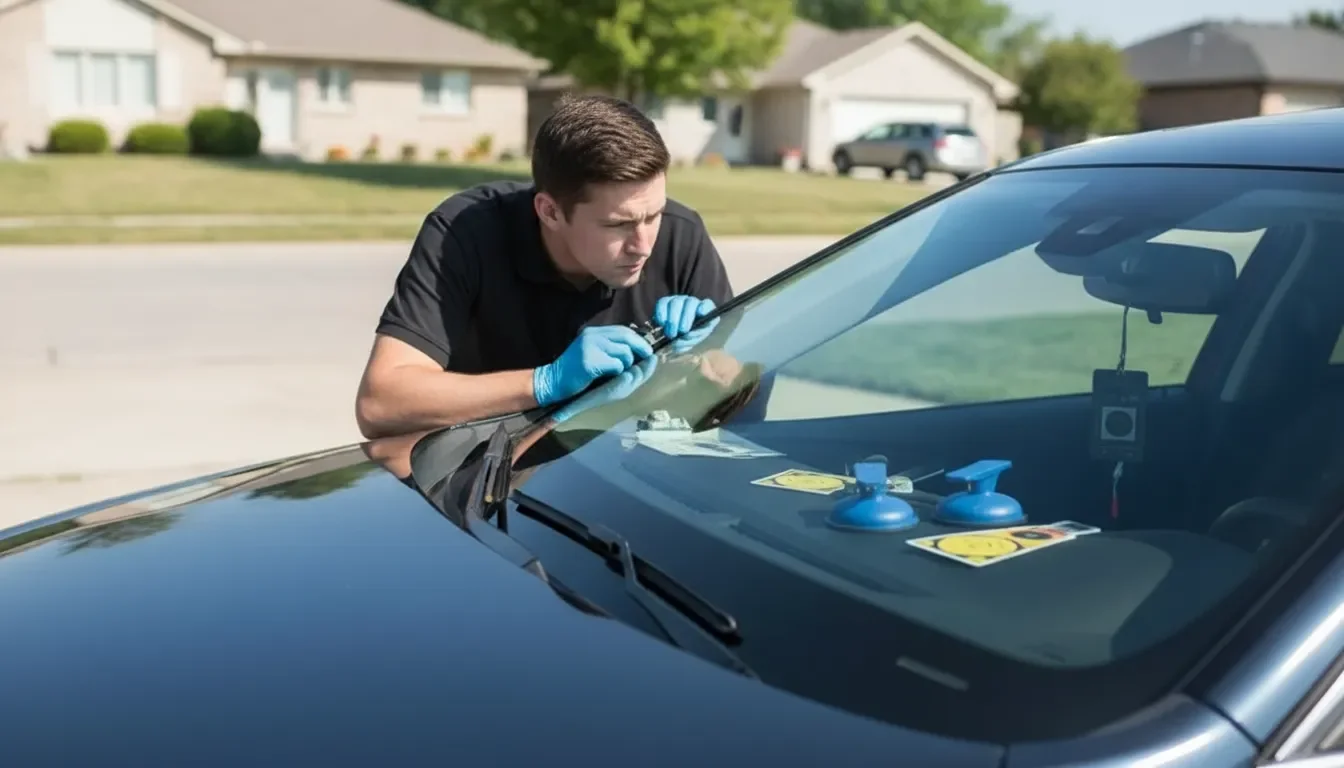
A windshield does more than block wind and road debris. On many newer vehicles, it sits in front of a camera that supports lane keep assist and other Advanced Driver Assistance Systems (ADAS). That means windshield replacement is also a camera-alignment concern for drivers whose vehicles use these features.
Lane keep assist uses a forward-facing camera behind the windshield to recognize visible lane markings. Depending on the vehicle, it can support corrective steering. If windshield replacement changes the camera's position, angle, or view, ADAS recalibration may be needed. The driver must remain attentive and in control whenever the feature is active.
This guide explains what the feature does, how the camera supports it, and what Kansas City drivers should ask about before and after auto glass work.
What Is Lane Keep Assist?
Lane Keep Assist is a driver-assistance feature that helps a vehicle remain within visible lane boundaries. Depending on the vehicle, it may warn when the car drifts or provide limited steering input to help guide the vehicle back toward the lane. The name, settings, warning style, and steering response vary by manufacturer and model.
Lane keep assist is part of the broader ADAS group. Other systems in that group can include lane departure warning, lane centering, forward collision warning, and automatic emergency braking. A single camera behind the windshield may support several of these functions. The vehicle's owner's manual is the best source for the exact features and operating conditions on a specific model.
The feature is designed to add support, not replace the driver. It may not recognize every lane line, road edge, construction pattern, or unusual traffic situation. Rain, snow, glare, faded paint, dirt, and blocked camera views can reduce the information available to the system. Continue steering, watching traffic, and responding to road conditions even when the system appears to be working normally.
Lane departure warning versus corrective assistance
Lane departure warning and lane keep assist are related, but they are not identical. A warning system alerts the driver when the vehicle appears to leave a lane. The alert may be visual, audible, or delivered through a steering-wheel vibration. Lane keep assist may add corrective steering when the vehicle approaches or crosses a lane boundary. Some systems use both warning and corrective functions.
Lane centering is another related function. Instead of waiting for the vehicle to drift, it may make ongoing steering adjustments to help position the vehicle between visible lane lines. The strength and duration of that assistance differ by vehicle. None of these systems makes the vehicle self-driving. The driver remains responsible for controlling the vehicle and staying focused on the road.
- Lane departure warning, alerts: Warns when the vehicle may be leaving a lane.
- Lane keep assist, corrective support: May provide limited steering input when lane drift is detected.
- Lane centering, positioning support: May make ongoing steering adjustments between visible lane lines.
How Lane Keep Assist Uses a Windshield Camera
Lane keep assist uses a forward-facing windshield camera to identify lane markings, estimate the vehicle's position between those markings, and determine whether assistance may be appropriate. The camera looks through a defined area of glass. Its field of view and mounting position help determine what the vehicle's software can interpret.
When the system is active, the camera captures the road ahead. Software analyzes visible lane boundaries and compares them with the vehicle's path. If the vehicle begins to move toward a lane line without an expected signal, the system may issue a warning or provide limited steering support. The exact response depends on the manufacturer, vehicle settings, road conditions, and whether the camera can identify usable markings.
Why the camera's view matters
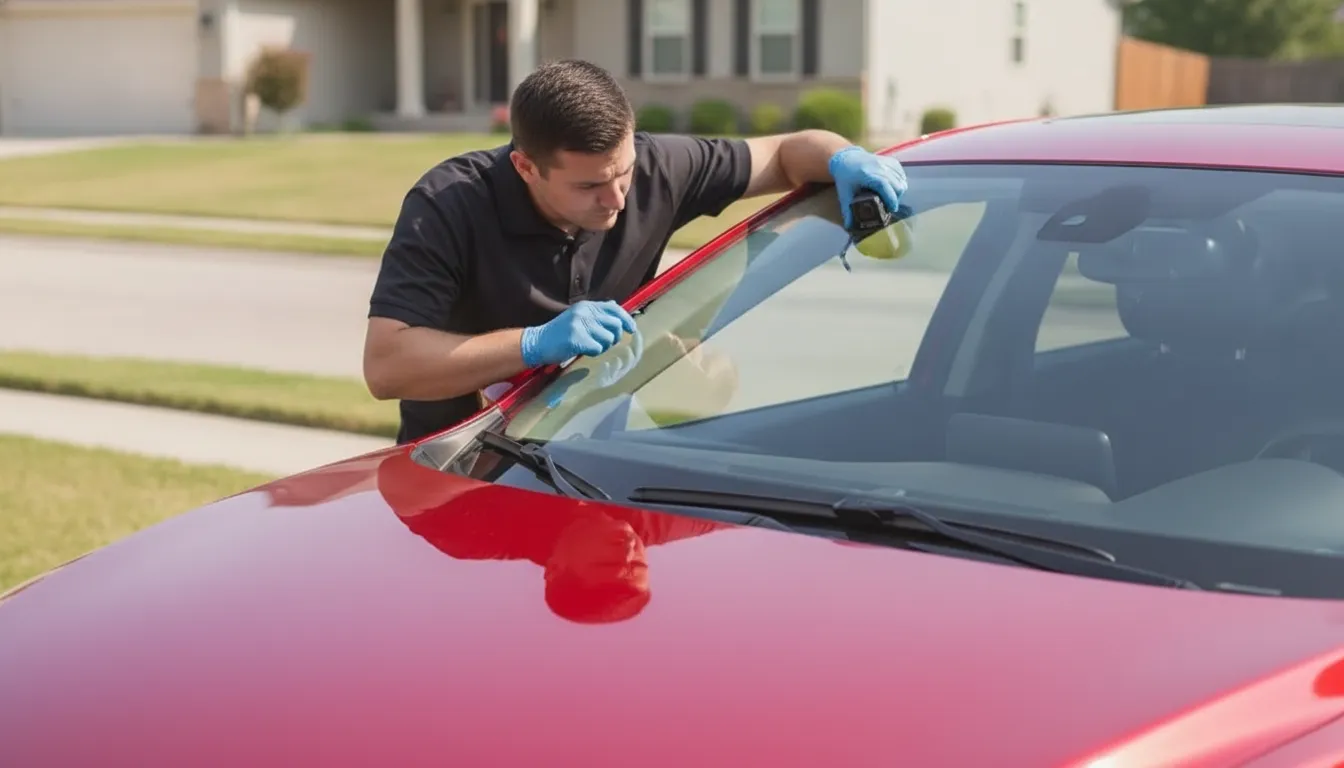
A camera does not need to move dramatically for its view to change. A small difference in angle, mounting position, or relationship to the windshield can place lane markings in a different part of the camera image. The system may then interpret the vehicle's position differently than it did before the glass work.
Visibility is also important. Dirt, stickers, condensation, damage, or an obstruction near the camera housing can limit the view. Road conditions can have a similar effect. A warning during heavy rain may have a different cause from a warning that starts immediately after a windshield replacement. Drivers should note when the behavior began and share that information with the service provider or vehicle manufacturer.
The National Highway Traffic Safety Administration explains that current consumer driver-assistance technology remains assistive and does not remove the driver's responsibility to operate the vehicle. Read the NHTSA vehicle safety guidance for more information about the limits of automated and assistive driving features.
Why Can Windshield Replacement Affect Lane Keep Assist?
Windshield replacement can affect lane keep assist when the new glass changes the windshield-mounted camera's angle, field of view, or mounting relationship to the road. Recalibration may be necessary so the camera-based system can interpret lane markings and related road information as the vehicle manufacturer intended.
In a vehicle with ADAS, the windshield is part of a carefully designed camera arrangement. The replacement glass must fit the vehicle and provide the intended optical path in front of the camera. The camera housing, bracket, glass curvature, and installation position all contribute to the system's view. A replacement that looks correct from the driver's seat can still require a calibration review.
This does not mean every windshield replacement produces an ADAS problem. It means the vehicle's requirements should be checked rather than assumed. Some vehicles specify calibration after glass replacement. Others may have additional requirements based on the camera, trim level, warning system, or type of service performed. The year, make, model, and equipment information helps determine the appropriate next step.
What can change after glass work?
The camera may see lane lines at a slightly different position if its angle changes. A mounting bracket may not sit in the same relationship to the replacement glass. The glass itself may have a different curvature or camera cutout specification from the original. Installation quality can also affect how the glass sits in the vehicle. These details are why a professional should evaluate the camera area whenever a windshield with ADAS is replaced.
Drivers should pay attention to new dashboard messages, changes in steering assistance, or a feature that becomes unavailable after service. A warning can also have another cause, such as weather or a dirty camera area, so it does not identify the problem by itself. Keep control of the vehicle and arrange an evaluation before relying on the feature again.
For a related explanation of calibration requirements, read Avision Auto Glass's guide to ADAS calibration after windshield replacement. If the vehicle also needs a new windshield, review the company's auto glass replacement service before requesting an estimate.
What Happens During ADAS Recalibration After Replacement?
ADAS recalibration aligns the windshield-mounted camera with the vehicle's new glass installation and confirms that the camera-based system can interpret its view as required for that vehicle. The procedure is vehicle-specific. There is no single universal calibration method for every car, truck, or SUV.
- Identify the affected equipment. The technician reviews the vehicle's year, make, model, trim, and available driver-assistance features. Lane keep assist may share a camera with lane departure warning or another system, so the full camera arrangement matters.
- Inspect the installation and camera area. The replacement glass, camera mount, surrounding trim, and viewing area should be checked. The glass must be properly installed, and the camera's view should be free from dirt or other obstructions.
- Confirm the vehicle's calibration requirements. The required process depends on the vehicle and system. Some procedures use controlled equipment, some use a road test, and some require both. The provider should follow the applicable vehicle-specific requirements rather than substitute a generic process.
- Perform the required calibration. The technician uses the appropriate procedure to establish the camera's relationship to the vehicle and the road. The goal is accurate system interpretation, not merely clearing a dashboard message.
- Check the system status. After the work, the provider checks for warning messages and confirms the relevant system reports the expected status. If a warning remains, the vehicle should not be treated as fully serviced until the concern is evaluated.
- Explain the driver's follow-up. The driver should review any instructions, indicators, or limitations described after service. Continue watching the road and remain prepared to intervene, even after a successful calibration.
Calibration is only one part of safe service. The glass still needs a proper fit, the camera area needs clear visibility, and the driver must understand that lane keep assist remains a support feature. Avision Auto Glass offers mobile auto glass service in the Kansas City metro area and can discuss whether ADAS calibration is relevant to a vehicle's windshield replacement.
What Are the Signs Lane Keep Assist Needs Attention?
New warning messages, unexpected steering corrections, an unavailable feature, or a blocked camera area can all indicate that lane keep assist needs attention. These signs do not prove a calibration issue, but they are reasons to stop relying on the feature until the vehicle and camera area have been evaluated.
Warning messages or an unavailable system
Watch for dashboard messages that mention lane keep assist, lane departure warning, camera visibility, or a driver-assistance system. Wording varies by vehicle, so check the owner's manual. A message that appears only during bad weather may relate to visibility. A message that begins after windshield replacement should be reported to the glass provider and reviewed against the vehicle's calibration requirements.
Changes in steering behavior
Unexpected steering input, repeated warnings on a clearly marked road, or no warning when the vehicle approaches a lane line all deserve attention. These symptoms can have several causes. Faded markings, construction zones, glare, road curvature, weather, and camera obstructions can affect the system. Note the driving conditions and avoid testing the feature by taking your attention away from the road.
A camera area that is dirty or blocked
Inspect only what is safe to inspect. The area in front of the camera should not be covered by stickers, dirt, condensation, or accessories. Do not remove or reposition the camera hardware yourself. If the concern began after glass work, ask the provider to check the installation and determine whether recalibration is required.
Until the concern is resolved, steer the vehicle yourself and leave extra room for changing conditions. A related Avision guide explains why quality auto glass installation matters for vehicle safety.
How Can Kansas City Drivers Protect Their Driver Assistance Systems?
Good planning makes windshield service easier and helps prevent surprises. Tell the provider about lane keep assist, lane departure warning, lane centering, forward collision warning, or any camera-related dashboard message before work begins. The provider can then check what the vehicle may require after the glass is replaced.
Share complete vehicle details
Provide the vehicle year, make, model, and trim level when requesting a quote. If you are unsure about the trim, share the vehicle identification number when the provider asks for it. Mention any driver-assistance features you use or any message that appeared on the dashboard. These details help the service team evaluate the glass and camera requirements more accurately.
Ask specific questions before the appointment
Useful questions include:
- Does this vehicle have a windshield-mounted camera?
- Will the camera area be inspected after installation?
- Does this vehicle require ADAS recalibration after windshield replacement?
- Is the required calibration process available for this vehicle?
- What should I do if a warning remains after service?
A clear answer is better than assuming all windshields or all camera systems follow the same process. If you are comparing repair and replacement options, Avision's guide to choosing affordable auto glass replacement can help you evaluate service questions without focusing only on a quoted amount.
Choose a service provider that understands mobile work
Mobile auto glass service can reduce unnecessary travel for Kansas City drivers and fleet managers. Convenience should still be paired with accurate vehicle information, careful glass installation, and a discussion of ADAS requirements. Avision Auto Glass is a family-owned local provider offering mobile windshield repair and replacement, side and rear window service, and fleet support.
For fleet vehicles, make the camera conversation part of the normal glass-maintenance process. Record the vehicle details, identify driver-assistance equipment, and ask whether calibration is needed each time a windshield is replaced. This creates a consistent process for vehicles that may be used by many drivers.
If insurance is involved, keep the focus on the vehicle's required glass and safety work rather than choosing a provider based only on a low initial estimate. Avision's windshield replacement insurance guide covers questions Kansas and Missouri drivers may ask about the claim process.
Request a free same-day quote for auto glass service
Frequently Asked Questions
Can you turn off lane keep assist?
Many vehicles allow the driver to turn lane keep assist off or adjust its settings, but the method depends on the vehicle. Use the owner's manual or the vehicle's controls for model-specific instructions. Turning the feature off does not repair a camera, windshield, or calibration concern. If a warning remains after windshield work, have the issue evaluated rather than treating the setting as a fix.
How do I know if my car has lane keep assist?
Check the owner's manual, dashboard menus, steering-wheel controls, or the vehicle's original equipment information. Some systems use a lane icon or a camera-related indicator. Features vary by year, trim, and market, so do not rely only on the vehicle's general model name. Tell the glass provider about any lane-related controls or messages when requesting service.
What is the difference between lane assist and steering assist?
Lane assist is a general term that may describe lane departure warnings, corrective steering, or lane-centering support. Steering assist usually refers to the part of the system that can provide limited steering input. The terms are not standardized across all manufacturers. Consult the owner's manual to learn which functions your vehicle includes and when they operate.
Is recalibration important after windshield replacement?
It can be important when the vehicle uses a windshield-mounted camera and the manufacturer requires calibration after glass replacement. Recalibration helps establish the camera's correct relationship to the vehicle and road. The requirement depends on the vehicle and the ADAS equipment. Ask the service provider to check your year, make, model, and trim instead of assuming that every replacement follows the same rule.
Ready to Protect Your Lane Keep Assist?
Windshield damage and ADAS questions often arrive together. Before scheduling service, share your vehicle details and mention any lane keep assist or camera warning. Avision Auto Glass can discuss mobile auto glass repair or replacement in the Kansas City metro area and help you identify the next step for your vehicle.