How to Fix a Very Small Chip in Your Windshield
Learn how to fix a very small chip in windshield glass with simple steps, tips for DIY repair, and advice on when to call a professional for help.
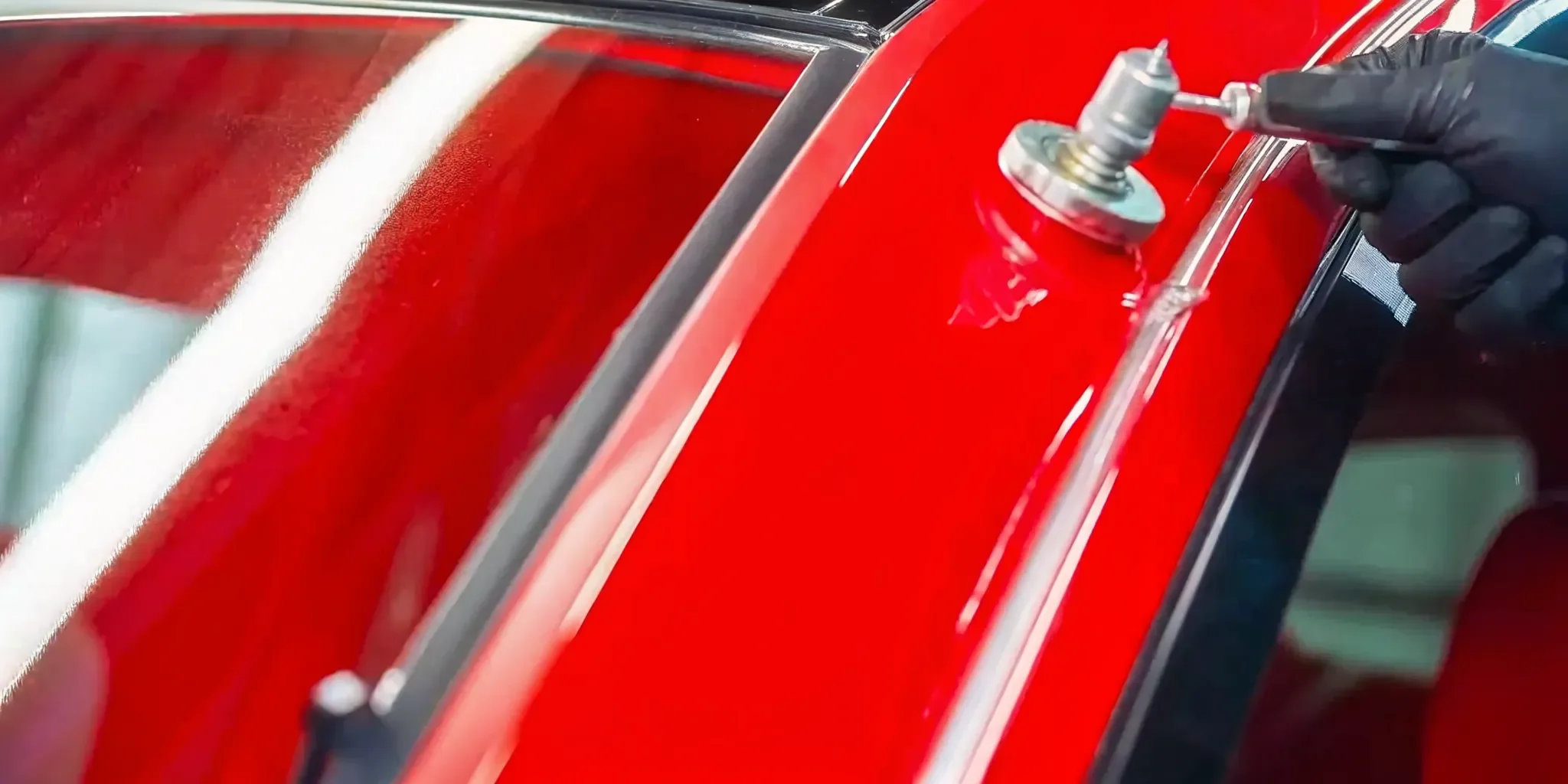
Your car’s windshield does more than just block wind and rain; it’s a vital piece of your vehicle’s safety system. It provides structural support during a rollover and ensures your airbags deploy correctly in a collision. That’s why even a very small chip in your windshield is a bigger deal than it looks. It creates a weak spot that compromises the integrity of the glass, putting you and your passengers at greater risk. Ignoring it isn't just a gamble against a crack spreading, it’s a gamble with your safety. Here, we’ll explain the real risks of minor windshield damage and what you should do to restore that essential layer of protection.
Key Takeaways
- Address chips immediately to prevent cracks: Even a tiny chip compromises your windshield's strength. Everyday driving and temperature changes can easily cause it to spread, turning a simple repair into a full replacement.
- A professional repair is the safest bet: While DIY kits can handle minor nicks, a professional should always fix damage in your line of sight. Their process restores the glass's structural integrity, and your insurance may even cover the entire cost.
- Prevent damage with smarter driving habits: You can avoid many chips by keeping a safe distance from trucks and construction vehicles. Making it a habit to scan your windshield for new damage helps you catch problems before they have a chance to spread.
What Causes Those Tiny Windshield Chips?
It’s one of the most frustrating sounds a driver can hear: that sharp tick against the windshield. You scan the glass and finally spot it, a tiny new chip that seemingly came from nowhere. While it might feel random, these little dings are usually caused by a few common culprits you encounter on the road every day. Understanding what causes them is the first step in knowing how to handle them.
Flying Rocks and Road Debris
We’ve all been there, driving behind a large truck on I-35 when a piece of gravel gets kicked up and smacks your windshield. This is the most common cause of chips. Loose rocks, pebbles, and other road debris become tiny projectiles at highway speeds. You’re at a higher risk when driving on gravel roads or behind construction vehicles, but it can happen anywhere. Even a small stone has enough force to create a chip that, if left untreated, can compromise your windshield's integrity. These impacts are why getting timely chip repairs is so important to prevent further damage.
Extreme Temperature Swings
Kansas City weather can be unpredictable, and those drastic temperature changes affect your auto glass. Your windshield expands in the heat and contracts in the cold. When this happens too quickly, it creates stress. Think about blasting the AC on a sweltering day or using hot water to de-ice your windshield in the winter. These sudden shifts can easily turn a minuscule, nearly invisible flaw into a noticeable chip or crack. Temperature swings are known to accelerate damage, making a small problem much bigger if you ignore it. It's always best to address chips before they have a chance to spread.
Flaws in the Glass
Sometimes, the problem isn't what hits your windshield but the glass itself. Although less common, tiny structural flaws can exist from the manufacturing process. These imperfections create weak points that are more susceptible to chipping under the normal stress of driving, like hitting a pothole or from temperature changes. You might not even notice an impact, but a chip can appear because the glass was already vulnerable. When you work with a trusted team, you can be sure you're getting quality materials and expert advice on any auto glass services you need.
Is a Tiny Windshield Chip Really a Big Deal?
We’ve all been there. You’re driving down the highway, maybe listening to your favorite podcast, when you hear that sharp ping of a rock hitting your windshield. A quick scan reveals a tiny, seemingly harmless chip. It’s tempting to ignore it and hope for the best. After all, it’s just a little mark, right? But that small imperfection can quickly become a major problem. Your windshield is a critical safety feature, and even minor damage can compromise its ability to protect you. It’s not just a piece of glass; it’s an engineered component of your car’s safety system, designed to provide structural support and ensure other safety features, like airbags, work properly.
Understanding why that little chip matters is the first step to keeping your car safe and sound. Ignoring it doesn't just risk a bigger crack; it can put you and your passengers in a more vulnerable position in an accident. At Avision Auto Glass, we've seen how small issues can escalate, which is why we believe in tackling them head-on before they become costly replacements. Let's look at exactly why that tiny chip is a bigger deal than you think.
How Chips Weaken Your Windshield
Your car’s windshield does more than just block wind and rain; it’s a key part of your vehicle's structural support system. It helps maintain the roof's integrity in a rollover accident and ensures your airbags deploy correctly. When a rock creates a chip, it creates a weak point in the glass. Even tiny chips can grow into much larger problems, spreading into cracks that weaken the entire structure. Addressing these small flaws with professional chip repairs restores the strength of the glass and prevents the damage from getting worse, keeping you and your passengers safe on the road.
When a Small Chip Blocks Your View
Location is everything when it comes to windshield damage. If the chip is in the driver's direct line of sight, it needs immediate attention. While it might seem small, any imperfection can catch the light or distract your eye from the road, creating a dangerous situation. Your brain naturally tries to look around the blemish, which can affect your focus and reaction time. A clear field of vision is non-negotiable for safe driving, so a chip in a critical spot should never be ignored, no matter how small it appears.
The Tipping Point: From Chip to Crack
That tiny chip is like a ticking clock. Everyday driving conditions can easily turn it into a full-blown crack. Hitting a pothole, driving over a speed bump, or even the vibrations from the road can cause the damage to spread. Temperature changes are another major culprit; the glass expands and contracts with heat and cold, putting stress on the weak point. Waiting too long can turn a simple fix into needing a whole new windshield. Repairing small chips quickly is the best way to stop them from growing into bigger cracks that are too large to fix.
How to Check the Damage Yourself
So, you've spotted a tiny chip on your windshield. Before you start picturing worst-case scenarios, take a deep breath. You can learn a lot about the damage with a quick check right in your driveway. Figuring out what you’re dealing with helps you decide on the next steps and whether you need to call a professional right away. Here’s how you can play detective and assess that little chip yourself.
Give It a Quick Visual Inspection
First, just take a good, close look at the chip. Is it a simple pit, or does it have little legs branching out from the center? Not every tiny mark requires an emergency repair, but it’s smart to pay attention. Waiting too long can turn a simple fix into a much bigger problem, potentially requiring a whole new windshield. A small chip today could easily become a large crack tomorrow, so a quick look can save you a lot of hassle down the road. If you see anything that looks like more than a surface-level nick, it’s time to consider your auto glass services options.
Try the Fingernail Test
This is a classic trick for a reason. Gently run your fingernail across the surface of the chip. If your nail glides over it smoothly without getting stuck, the damage is likely just on the surface. However, if your nail does catch, even slightly, it’s a sign that the damage has penetrated deeper into the glass. A chip that catches your nail has broken the surface tension of the windshield and is much more likely to spread. This simple test is a surprisingly effective way to gauge the severity and tells you it's probably time to have a professional take a look.
Consider the Chip's Size and Location
Size and location are two of the biggest factors in determining if a chip is repairable. As a general rule, if the damage is smaller than a half-dollar coin, a repair is often possible. Anything larger might require a full replacement. Also, think about where the chip is located. A chip directly in your line of sight can be a serious safety hazard, as it can distort your view of the road. Even a small chip in this critical area should be addressed immediately. If you're unsure, it's always best to get a free quote from a technician.
Spotting Signs the Chip is Spreading
It’s easy to dismiss a tiny chip as "too minor" to worry about, but that’s often how larger cracks begin. Look for any small lines or legs spreading out from the initial point of impact. These are clear signs the damage is getting worse. Big temperature swings, like using your defroster on a cold morning, can cause the glass to expand and contract, putting stress on the weak spot and encouraging the chip to spread. If you notice any changes in the chip's appearance, it's a signal that the structural integrity of your windshield is compromised and needs immediate attention.
Should You Repair That Chip or Wait?
You just noticed a tiny chip in your windshield. It’s easy to shrug it off, but that little nick can be deceiving. Deciding whether to fix it now or wait is a common dilemma for drivers. While some minor blemishes aren't an immediate emergency, ignoring the wrong kind of chip can lead to a much bigger, more expensive problem down the road. Understanding the difference can save you time, money, and a major headache.
Signs You Need to Act Fast
A good rule of thumb is to act quickly, especially if the chip is directly in your line of sight. Even a tiny mark can create a distracting glare. If the chip is larger than a quarter or has small cracks spreading from the center, it’s a clear sign you need a professional repair. Waiting too long can allow dirt and moisture to get into the chip, making a clean repair impossible and forcing a full windshield replacement. Run your fingernail over the spot. If your nail catches in the chip, it’s deep enough to compromise the glass and needs attention. Getting these types of chip repairs handled promptly is the best way to prevent a crack from spreading across your entire windshield.
When It's Okay to Keep an Eye on It
Not every single speck on your windshield requires an immediate call for service. If the damage is just a small pit, smaller than a dime, and isn't in your direct line of vision, you might be able to monitor it for a while. These tiny surface-level pits often don't have the cracks that are likely to spread. However, "keeping an eye on it" means just that. You should check it regularly, especially after driving on bumpy roads or during significant temperature changes. If you notice it getting any larger or see new lines forming, it's time to stop waiting and schedule a repair.
How Weather Makes Chips Worse
Kansas City weather can be tough on windshields. The dramatic temperature swings from one season to the next put a lot of stress on your auto glass. When you blast the heat on a frosty morning or run the AC on a sweltering summer day, the glass expands and contracts. This change puts pressure on the weak spot where the chip is, encouraging it to spread into a long crack. Even everyday driving contributes to the problem. Hitting a pothole or just the normal vibrations from the road can be enough to turn a tiny, stable chip into a major issue. If you're unsure, it's always best to get a free quote and have a professional take a look.
DIY vs. Professional Repair: What's the Right Call?
When you spot a tiny chip in your windshield, your first thought might be to grab a DIY kit and fix it yourself. Sometimes, that’s a perfectly fine solution. But in other cases, calling a professional is the smarter, safer, and even more affordable choice. The right call depends on the size, location, and type of damage you’re dealing with. Let’s break down when to tackle it yourself and when to leave it to the experts.
The Case for a DIY Kit
A do-it-yourself windshield repair kit can be a good option for very minor damage. If the chip is simple, circular, and smaller than a quarter, a DIY kit might do the trick. You can find these kits at most auto parts stores for around $10 to $20. The process is usually straightforward: you clean the area, apply the resin from the kit, let it cure, and then scrape away any excess. For a tiny, out-of-the-way blemish, this quick fix can stop the chip from spreading and is a very budget-friendly choice.
When to Call in the Pros
You should always call a professional if the chip is in your direct line of sight. A DIY repair can leave a small distortion, and you don’t want anything obstructing your view of the road. You should also skip the kit if you’re looking at a crack rather than a chip, or if the damage has multiple legs spreading from a central point. A professional technician uses industry-grade resin and specialized tools to create a vacuum, removing all the air from the chip. This process results in a stronger, clearer, and more durable repair. Getting a professional auto glass service ensures the structural integrity of your windshield is properly restored.
Comparing Costs and Checking Your Insurance
While a DIY kit is cheaper upfront, a failed repair can lead to the chip spreading into a large crack, forcing you to pay for a full windshield replacement. Before you decide, it’s worth checking your auto insurance policy. Many comprehensive insurance plans cover the full cost of a windshield repair without requiring you to pay a deductible. That means a professional repair could be completely free for you. A quick call to your insurance agent can clarify your coverage. Professional auto glass shops can even handle the insurance claim for you, making the entire process simple and stress-free.
Your Guide to DIY Windshield Repair
If you’ve inspected the damage and feel confident it’s a minor chip you can handle, a DIY repair might be on your mind. It can be a quick fix for small, simple chips, but it’s important to know what you’re getting into. The goal is to stop the chip from spreading and improve its appearance, but a DIY patch won't be as strong or as clear as a professional repair. Think of it as a temporary solution to prevent a bigger problem.
Before you start, make sure you have a clean, dry, and shady place to work. Applying the resin in direct sunlight can cause it to cure too quickly, before it has a chance to fully penetrate the chip. Patience is key here, so set aside enough time to follow the instructions carefully without rushing. If at any point you feel unsure, remember that a professional is just a phone call away.
Choose the Right Repair Kit
Walk into any auto parts store, and you'll find several DIY windshield repair kits on the shelf. Most of them work in a similar way, using a resin that fills the chip and hardens to prevent it from spreading. A popular and widely available option is the Rain-X Windshield Repair Kit, which many people have used for small touch-ups. When you pick a kit, read the packaging to make sure it’s designed for the type of damage you have, like a small bullseye or star chip. The kit should include everything you need: a cleaning tool, the resin, an applicator, and curing strips.
Follow These Step-by-Step Instructions
Every kit is a little different, so always read the manufacturer's instructions first. Generally, the process follows these four steps. First, clean any loose glass bits out of the chip with a push pin and wipe the area with alcohol to remove dirt and oils. Next, apply the resin. The kit will have an applicator that creates a vacuum to pull air out of the chip and then uses pressure to inject the resin deep into the damage. After the chip is full, add an extra drop of resin on top and cover it with a curing strip. Move your car into direct sunlight and let it sit for about 15 to 30 minutes to cure. Finally, use the provided razor blade to carefully scrape off any excess hardened resin until the surface is smooth.
Avoid These Common DIY Mistakes
The biggest mistake is underestimating the damage. Many people assume a tiny chip is no big deal, but that’s often how larger cracks begin, especially with the temperature swings we get in Kansas City. Another common error is attempting to fix a chip that’s directly in the driver’s line of sight. A DIY repair can leave a slight distortion, which could impair your vision. If the damage is a long crack or has multiple legs, a kit won't be enough. For anything more than a simple, small chip, a professional repair is the safest bet. If you're not sure whether your chip is a good candidate for a DIY fix, it's always best to get a professional opinion.
What to Expect from a Professional Repair
Deciding to call a professional for that tiny chip is a great move. It takes the guesswork out of the repair and gives you peace of mind that the job is done correctly. A professional repair isn’t just a cosmetic touch-up; it’s a technical process designed to restore your windshield’s strength and keep you safe. Technicians use commercial-grade equipment and resins that are much stronger than what you’ll find in a DIY kit. They are trained to properly assess the damage, ensuring the chip is a good candidate for repair and not a liability that requires a full replacement.
When you hire an expert, you’re paying for their skill and the quality of their materials. They’ll know how to handle the repair without making the damage worse, which is always a risk with at-home kits. A professional can cleanly and effectively fill the chip, preventing it from spreading and restoring the structural integrity of the glass. This is especially important for your safety, as the windshield plays a key role in your vehicle's stability during a collision. Ultimately, a professional repair means you can drive away confident that your windshield is secure.
The Professional Repair Process
When a technician arrives, they’ll start by thoroughly cleaning the chipped area to remove any debris or moisture. Next, they’ll use a special tool that mounts directly over the chip to create a vacuum, which pulls all the air out of the damage. Once the air is removed, a high-quality, clear resin is injected deep into every part of the chip. This resin is then cured and hardened with an ultraviolet light, bonding it with the surrounding glass. The process restores the windshield’s strength and makes the chip much less visible. This method works best on chips smaller than a quarter, as long as they aren’t directly in the driver’s line of sight. Our team provides a range of auto glass services to handle these common issues.
How to Find a Qualified Technician
A great repair is about safety, not just looks. When vetting a company, ask if their process restores the glass to its original strength. A qualified technician will always prioritize structural integrity over a purely cosmetic fix. You should also look for a company that employs licensed and insured technicians. This shows they are committed to high standards and protecting you and your vehicle. Experience is another key factor; you want a technician who has dealt with all kinds of windshield damage and knows how to achieve a lasting repair. Learning more about us and our family-owned business can help you feel confident you’re choosing a team with the right expertise.
Ask About Warranties and Guarantees
Any reputable auto glass company will stand behind its work with a solid warranty. Before you agree to a repair, ask if it comes with a written guarantee. A good warranty will typically cover the repair for the life of your windshield. This means if the chip ever starts to spread from the spot that was fixed, the company should resolve the issue, often by crediting the cost of the repair toward a replacement. A strong warranty is a clear sign that the company is confident in its materials and workmanship. Feel free to contact us to ask about our lifetime workmanship warranty; we want you to feel completely secure in your decision.
How a Small Chip Impacts Your Car's Safety and Value
It’s easy to dismiss a tiny chip in your windshield as a minor annoyance. You might think you can put off dealing with it, but that small blemish can have a surprisingly big impact on both your safety and your wallet. That little chip compromises two of your car's most important assets: its structural integrity and its resale value. Understanding the risks can help you see why a quick repair is one of the smartest moves you can make for your vehicle.
Your Windshield's Role in a Collision
Your windshield does a lot more than just keep bugs and rain out. It’s a critical safety feature that provides a significant amount of your vehicle's cabin strength in a rollover accident. Think of it as a key part of your car's structural support system. When a rock creates a chip, it creates a weak spot in the glass. Even a small chip can compromise the windshield's ability to protect you in a collision. A damaged windshield can also interfere with the proper deployment of your passenger-side airbag, which is designed to bounce off the glass. Our team provides expert auto glass services to restore that essential layer of protection and keep you safe on the road.
Protecting Your Car's Resale Value
Beyond safety, a pristine windshield is important for maintaining your car's value. When it comes time to sell or trade in your vehicle, every little detail matters. A chip or crack is an immediate red flag for potential buyers and appraisers, suggesting neglect and potentially leading to a lower offer. Fixing a small chip now is a simple and affordable process. If you wait, that chip can easily spread into a large crack, especially with Kansas City's fluctuating temperatures. A full windshield replacement is much more expensive and time-consuming. Taking care of small damage quickly is a smart investment that protects your car's value and saves you money in the long run. You can always contact us for a free quote to see how easy it is.
How to Prevent Future Windshield Chips
Getting a chip repaired is one thing, but avoiding them in the first place is even better. While you can’t control every rock on the road, a few simple adjustments to your driving and parking habits can make a big difference. Think of it as a little preventative care for your car that saves you time and money down the road. Taking these small steps can help keep your windshield clear and strong for years to come.
Drive Smarter to Avoid Debris
We’ve all been there: you’re driving down the highway, and a large truck ahead kicks up a spray of gravel. To protect your windshield, the best defense is a good offense. Try to keep a safe following distance, especially behind construction vehicles, dump trucks, or any vehicle carrying loose materials. Giving yourself more space creates a buffer zone, so flying debris has a chance to fall back to the pavement before it can hit your glass. Driving on unpaved or gravel roads also increases your risk, so slow down to minimize the chances of your own tires kicking up rocks that could damage other cars.
Protect Your Windshield When Parked
Where you park matters more than you might think. Parking in a garage or covered area is ideal, as it shields your car from falling branches, hail, or debris from nearby construction. If you have to park outside, try to avoid parking directly under trees with heavy branches or in areas where kids are playing ball. During Kansas City’s cold winters, never pour hot water on an icy windshield. The sudden temperature change can cause the glass to crack instantly, a phenomenon known as thermal shock. It’s much safer to use your car’s defroster or an ice scraper to clear your view.
Make Windshield Checks a Habit
Catching a chip early is the key to preventing it from turning into a full-blown crack that requires a replacement. Make it a habit to quickly scan your windshield for any new dings or chips, maybe while you’re filling up with gas or washing your car. Run your finger over the glass to feel for any small imperfections you might not see right away. If you find a chip, even a tiny one, getting it looked at quickly is your best bet. A fast chip repair is simple and effective, helping to stop the damage from spreading and saving you from a more costly replacement later.
Related Articles
- DIY Windshield Chip Repair: A Complete Guide
- Why a Small Windshield Chip Spreads & How to Stop It
- When To Replace a Windshield vs. Repair
- Auto Glass Repair Liberty MO: A Complete Guide
Frequently Asked Questions
How long does a professional chip repair usually take? A professional repair is surprisingly fast. In most cases, a technician can complete the entire process in about 30 minutes. They use a special ultraviolet light to cure the resin quickly, so the bond is strong and stable right away. You can typically drive your car as soon as the repair is finished, making it an easy fix to fit into your day.
Will the chip completely disappear after it's repaired? The main goal of a repair is to restore the windshield's strength and prevent the damage from spreading. While the process dramatically improves the chip's appearance, it may not make it completely invisible. You can expect the blemish to be about 80 to 95 percent less noticeable, leaving just a faint mark where the impact was.
Will filing an insurance claim for a chip repair make my rates go up? It's a common worry, but you can relax. Most insurance companies consider windshield repair a part of your comprehensive coverage, not a collision claim. Because these repairs prevent more costly replacements and keep you safer, insurers often waive the deductible and filing a claim won't affect your rates. It's always smart to double-check your specific policy, but it's usually covered without any penalty.
Can a windshield chip be repaired in the rain or cold? For the repair to be successful, the glass needs to be completely dry. A technician can't perform a repair in the rain unless your vehicle is under a cover like a garage or carport. Extreme cold can also complicate the process, but a skilled professional knows how to warm the glass to the right temperature to ensure the resin sets properly and creates a durable bond.
Is it really unsafe to drive with just a tiny chip? Yes, it's a risk you shouldn't take for long. That small chip is a weak point in a critical piece of safety equipment. Your windshield provides structural support during an accident, and any damage compromises that strength. Plus, a simple bump or temperature change can cause that tiny chip to spread into a large crack without warning, so it's always safest to get it fixed right away.