How to Fix a Small Crack in Windshield: A Guide
Learn how to fix a small crack in windshield with simple steps, repair tips, and advice on when to call a professional for safe, clear auto glass.
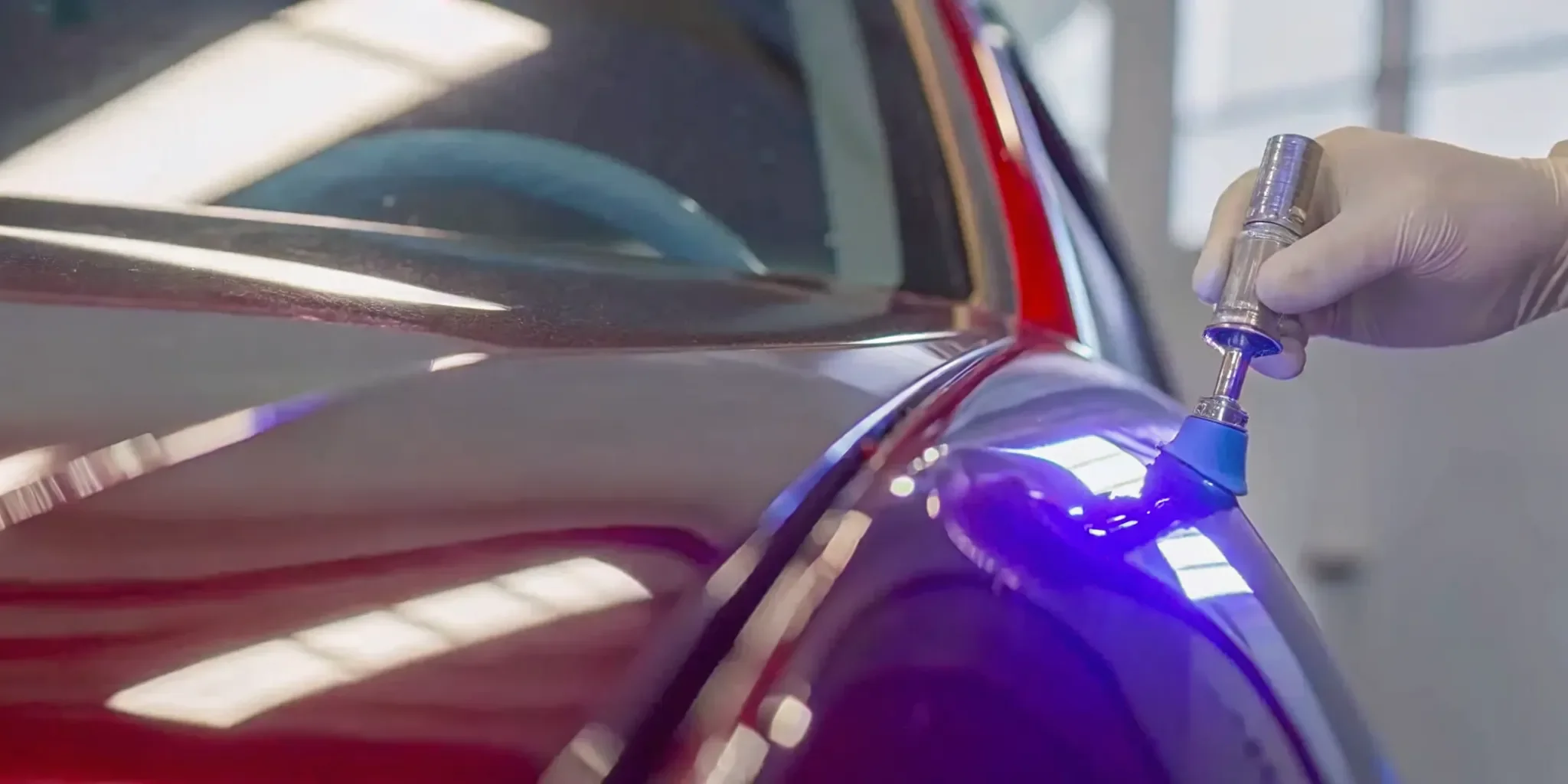
That little line on your glass seems harmless enough. It’s tempting to add "fix windshield" to the bottom of your to-do list and forget about it for a while. But ignoring a small crack in your windshield is one of the riskiest things you can do for your vehicle. That minor imperfection can quickly spread, compromising your visibility and the structural safety of your car. Before a minor annoyance turns into a major expense and a serious safety hazard, let’s talk about the real risks of waiting and why a quick, simple repair is always the smartest move you can make.
Key Takeaways
Act on small chips quickly: Seemingly harmless damage can easily spread from temperature shifts and road vibrations, transforming a simple repair into a more costly replacement.
Recognize the limits of DIY repairs: A DIY kit is only suitable for very small chips. For any damage that is large, in your line of sight, or touches the edge of the glass, calling a professional is the safest choice.
Use your insurance for repairs: Your comprehensive auto insurance policy will often cover the entire cost of a chip repair without requiring a deductible, saving you money and preventing a more expensive claim later.
What Causes Small Windshield Cracks?
That tiny chip or crack in your windshield might seem like it appeared out of nowhere, but there’s always a cause. Understanding what leads to these small imperfections is the first step in preventing them from becoming big problems. From weather fluctuations to everyday driving hazards, several factors can put stress on your auto glass. Knowing the culprits can help you protect your windshield and know when to call for a quick repair before the damage spreads. Here are the most common reasons you might find a new crack in your glass.
Extreme Temperature Changes
Have you ever noticed a tiny chip suddenly become a long, snaking crack overnight? Drastic temperature shifts are often to blame. Your windshield glass expands in the heat and contracts in the cold. These fluctuations put a lot of stress on the glass, especially if there's already a weak spot like a small chip. The source of the problem is that "small cracks in a car's windshield can quickly spread, especially with temperature changes (hot sun during the day, cool at night)." Blasting the AC on a hot day or using the defroster on a frosty morning can cause a sudden temperature shock, turning a minor issue into a major one that requires a full replacement.
Flying Rocks and Road Debris
It’s the sound every driver dreads: the sharp thwack of a rock hitting the windshield. It’s a common experience on Kansas City highways, and unfortunately, it happens more often than you might think. Modern windshields are designed for safety, but this can sometimes mean they use softer glass. If you're "experiencing windshield cracks from rocks? It happens to all vehicles more and more often." Gravel, pebbles, and other debris kicked up by the tires of other cars can easily cause chips and cracks upon impact. Even a tiny impact point can compromise the glass, creating a starting point for a crack that can spread over time.
Minor Accidents and Impacts
You don’t need a major collision to damage your windshield. Even a minor fender bender can send a shockwave through your vehicle's frame, twisting it just enough to crack the glass. Other impacts, like a stray baseball, falling branch, or even a severe hailstorm, can also cause chips and cracks. It’s important to address this damage right away. "Driving with a cracked windshield poses significant risks that can compromise your safety on the road, including impaired visibility and increased crash risk." What starts as a small crack from a minor incident can weaken the structural integrity of your windshield, which is a key safety feature of your car.
Repair or Replace? Making the Right Call
When you spot a new chip or crack in your windshield, your first thought might be about the cost and hassle. But figuring out your next step doesn't have to be complicated. The decision to repair or replace your windshield comes down to a few key factors: the size, location, and type of damage. Acting quickly is always the best move, as a small chip can easily spread into a large crack that requires a full replacement. Understanding the difference can save you money and keep you safe on the road. Let's walk through what to look for so you can make the right call for your vehicle.
When a Repair is Possible
Good news, a small chip doesn't automatically mean you need a whole new windshield. In many cases, a quick and effective repair is all you need. Generally, if the damage is smaller than a dollar bill and isn't directly in your line of sight, a repair is a great option. Think of chips that are dime-sized or small cracks under six inches long. The key is that the damage hasn't reached the edge of the windshield, as that can compromise the glass's structural strength. A professional windshield repair not only stops the damage from spreading but also restores the integrity of your windshield, making it a safe and budget-friendly choice.
Signs You Need a Full Replacement
Sometimes, the damage is just too significant for a simple fix. If a crack is longer than a dollar bill, it's usually time for a replacement. Cracks that start at the edge of the windshield or have spread to it are also serious red flags, as they weaken the entire structure. Another critical factor is location. Any chip or crack that obstructs your direct line of vision as a driver will require a full replacement to ensure your view is clear and safe. The same goes for damage that interferes with cameras or sensors for your car's advanced safety systems. Ignoring these signs isn't just risky; a compromised windshield can also cause you to fail a vehicle inspection.
What an Expert Looks For
When you call a professional, they run through a mental checklist to give you the best recommendation. A technician will assess the damage based on its size, depth, and location. They'll check if there are multiple chips and whether the damage has penetrated more than halfway through the glass. They also look at the type of crack, as some complex breaks are harder to fix reliably. With modern vehicles, technicians also have to consider any technology embedded in your windshield. If the damage is over a sensor for your driver-assist features, a replacement is often necessary to ensure those systems function correctly. When in doubt, getting a free quote from an expert is the easiest way to know for sure.
The Risks of Ignoring a Small Crack
It’s tempting to put off fixing a small windshield crack. Life gets busy, and that little line in your glass can seem like a minor annoyance you’ll get to later. But letting even a tiny crack go unaddressed can lead to bigger, more expensive, and even dangerous problems down the road. Understanding the risks can help you see why a quick repair is always the smartest move.
Compromised Safety and Visibility
First and foremost, a cracked windshield is a safety hazard. Any damage in your line of sight can obstruct your view of the road, creating dangerous blind spots. Beyond just visibility, your windshield is a critical part of your vehicle's structural integrity. It helps support the roof in a rollover accident and ensures your airbags deploy correctly. A crack weakens the glass, making it more likely to fail under pressure. This structural compromise puts you and your passengers at greater risk in a collision. Taking care of your glass is a key part of vehicle safety, and our auto glass services are designed to keep you safe.
Staying Legal on the Road
Did you know that driving with a cracked windshield could get you a ticket? In many places, including Missouri and Kansas, it’s illegal to drive if the damage obstructs the driver’s view. While it’s typically considered a non-moving violation, it’s still an avoidable expense and a hassle you don’t need. Law enforcement officers can issue a citation if they determine the crack is significant enough to impair your ability to drive safely. Getting a timely repair not only protects your wallet from a potential ticket but also ensures you’re following the rules of the road.
Why Small Cracks Get Bigger
A small chip or crack rarely stays that way for long. Everyday driving conditions put constant stress on your windshield, causing the damage to spread. Hitting a pothole on a Kansas City street, slamming your car door, or even sudden temperature changes from using your defroster can turn a simple fix into a major problem. Waiting allows dirt and moisture to get into the crack, making a clean repair more difficult. What could have been a quick and affordable fix can easily become a full, and more costly, windshield replacement if you wait too long. Getting a professional windshield repair stops the damage before it gets worse.
Fixing a Small Windshield Crack Yourself
If you’ve caught a small chip or crack early and feel up for a little project, a DIY repair might be an option. This approach works best for very minor damage, like bullseye or star-shaped cracks smaller than a quarter. Tackling it yourself can be a quick fix, but it requires careful attention to detail to get it right. Before you start, make sure you have a clean, dry, and shady place to work, as direct sunlight can cure the repair resin too quickly and interfere with the process.
What You'll Need for a DIY Repair
To get started, you’ll need a dedicated windshield repair kit, which you can find at most auto parts stores for around $10 to $15. These kits are specifically designed for small cracks, typically those under six inches long. Inside, you'll usually find a special resin, an applicator tool like a pedestal or syringe, a curing strip, and a small razor blade. It’s also a good idea to have a pin or needle handy to clear out any tiny, loose glass fragments from the crack before you begin the repair process.
Your Step-by-Step DIY Guide
With your kit ready, you can follow these steps for a successful repair. First, clean the glass around the crack thoroughly and use a pin to gently pick out any debris. Next, place the adhesive seal and pedestal directly over the center of the crack. Fill the pedestal with the provided resin. Use the plunger to create a vacuum for about 10 minutes, which pulls air out of the crack. Then, apply pressure with the plunger for another 20 minutes to push the resin deep into the damaged area.
After the Fix: Care and Curing
Once the resin is in, remove the tool and apply one final drop over the repair spot. Place the curing strip on top and move your car into direct sunlight. The UV rays are what harden the resin, so let it cure for about 15 to 30 minutes. After it’s fully cured, use the razor blade to carefully scrape away any excess resin until the surface is smooth. Remember, a DIY fix is often a temporary solution for minor damage. If the crack starts to spread or your view is still obstructed, it’s best to seek professional auto glass services.
Understanding the Cost of Windshield Repair
When you spot a chip in your windshield, one of the first questions that comes to mind is, "How much will this cost to fix?" The answer depends on a few key factors, including the size of the damage and whether you choose to handle it yourself or call a professional. Understanding your options can help you make a smart decision that saves you money and keeps you safe on the road. Let’s break down what you can expect to pay for a windshield repair.
Cost Breakdown: Pro Repair vs. DIY Kits
You generally have two paths for fixing a small chip: a do-it-yourself kit or a professional service. A DIY kit from an auto parts store typically costs between $10 and $15. While it’s the cheaper option upfront, the quality of the repair depends on your skill and the kit itself. For a professional repair, you can expect to pay between $60 and $90 for a single small chip. The price can increase for larger or more complex cracks. The benefit of a pro is peace of mind; an experienced technician can often complete the job in under an hour, ensuring the repair is done correctly and will last.
Will Your Insurance Cover It?
Here’s some good news: you might not have to pay anything for a professional repair. Many comprehensive insurance policies cover the full cost of chip repairs without requiring you to pay a deductible. Insurers do this because fixing a small chip now prevents a more expensive windshield replacement later. It’s always a good idea to check your policy details or call your agent to confirm your coverage. A professional auto glass shop can also help you navigate the claims process, making it a hassle-free experience. This is a major advantage over a DIY repair, which is an out-of-pocket expense.
Comparing the Costs: Repair vs. Replacement
A repair will always be more affordable than a full replacement. However, a repair isn’t always possible. Generally, a chip or crack can be repaired if it’s smaller than a dollar bill, isn’t directly in the driver’s line of sight, and doesn’t reach the edge of the windshield. If the damage is larger than 6 to 12 inches or has penetrated more than halfway through the glass, a replacement is usually necessary for safety. An expert technician can assess the damage and recommend the right solution. Choosing the correct auto glass services ensures your vehicle’s structural integrity and your visibility are fully restored.
Common Myths About Small Windshield Cracks
When you get a small chip in your windshield, it’s easy to fall for some common myths that can lead to bigger problems down the road. Misinformation can convince you to delay a simple fix, which often results in a more expensive replacement. Let's clear up a few of these misconceptions so you can make the best decision for your vehicle and your safety. Understanding the truth behind windshield damage helps you act quickly and confidently.
Ignoring a small crack because you think it’s harmless, trying a DIY kit that isn’t right for the job, or worrying about insurance rates are all common pitfalls. The reality is that addressing damage early is almost always the smartest, safest, and most cost-effective choice. Knowing the facts empowers you to protect your windshield's integrity and avoid unnecessary expenses. When you're ready for a professional opinion, our auto glass services are here to help you find the right solution.
Myth: "It's Just a Small Crack"
It’s tempting to dismiss a tiny chip or crack as a minor cosmetic issue, but even small damage can compromise your windshield's structural integrity. A windshield does more than just block wind; it’s a key safety component that supports the roof in a rollover and helps airbags deploy correctly. According to experts, even a dime-sized windshield crack can spread due to road vibrations or temperature fluctuations. What starts as a quick fix can easily turn into a full replacement if you wait too long. Addressing it promptly is the best way to keep the damage contained and ensure a simple, effective repair.
Myth: DIY Kits Are Always Enough
While DIY repair kits can seem like a convenient and budget-friendly option, they aren't a one-size-fits-all solution. These kits are designed for very specific, minor damage. For example, many sources suggest the best way to fix a cracked windshield yourself is only when the damage is smaller than a quarter. If the crack is complex, in the driver's line of sight, or larger than recommended, a DIY fix may not hold. An improper repair can fail, trap air and moisture, or make the damage look worse. For a permanent and safe solution, a professional technician has the right tools and materials to get the job done right the first time.
Myth: A Repair Will Raise My Insurance Rates
Many drivers put off repairs because they’re worried about their insurance premiums going up. Fortunately, this is almost always untrue. Most insurance companies actually prefer that you repair a small chip rather than replace the entire windshield because it costs them less. In fact, many comprehensive insurance policies will cover windshield damage and waive your deductible for a repair, meaning the fix could be completely free for you. Getting a chip repaired is a proactive step that saves both you and your insurer money in the long run, without affecting your rates.
When to Call a Professional
DIY repair kits can be a great solution for the tiniest of dings, but they have their limits. Knowing when to step back and call in a professional isn't just about getting a better-looking repair; it's about ensuring your vehicle is safe and the fix will actually last. A trained technician can assess the damage with an expert eye, use professional-grade materials, and guarantee the structural integrity of your windshield is restored. They can spot underlying issues you might miss and ensure the repair doesn't compromise your car's safety systems.
Sometimes, what looks like a simple fix is more complex than it appears. A professional service gives you peace of mind that the job is done correctly, backed by experience and often a warranty. For anything beyond a very minor chip, trusting an expert is the safest bet for you and your passengers.
Signs You Need Expert Help
It’s time to put down the DIY kit and pick up the phone if the damage is significant. If a crack is longer than a dollar bill or if a chip is larger than a quarter, a professional repair is necessary. The location of the damage is also critical. Any crack that reaches the edge of the windshield can compromise its structural strength, making a replacement the only safe option.
You should also call for auto glass services if the damage is directly in your line of sight. A repair in this area can leave a slight distortion, which can be distracting and dangerous while driving. Furthermore, many modern vehicles have cameras and sensors mounted near the windshield for advanced safety features. Damage in these areas requires expert attention to ensure those systems continue to function correctly after the repair.
The Convenience of Mobile Service
One of the biggest hurdles to getting a windshield fixed is finding the time to take your car to a shop. That’s where mobile service changes the game. Instead of rearranging your day to sit in a waiting room, a technician comes directly to you, whether you’re at home or at the office. This means your car can be repaired while you’re working, taking care of things around the house, or even having lunch.
This convenience saves you time and eliminates the hassle of driving with a damaged windshield. A quick phone call is all it takes to get a free quote and schedule an appointment that fits your life, not the other way around. A licensed and insured technician arrives with everything they need to get the job done right on the spot, making professional auto glass repair easier than ever.
How to Prevent Future Windshield Cracks
While you can’t always avoid a stray rock on the highway, you can take simple steps to protect your windshield from common sources of damage. A little bit of preventative care goes a long way in avoiding the hassle and cost of repairs. By being mindful of where you park and how you drive, you can significantly reduce the chances of developing new chips and cracks, keeping your glass clear and your car safe. These habits are easy to adopt and can save you from future headaches.
Smart Parking and Temperature Tips
Extreme temperature shifts are a major enemy of your auto glass. When glass heats up or cools down too quickly, it expands or contracts, creating stress that can easily turn a tiny, unnoticed chip into a full-blown crack. In the summer, try to park in a garage or in the shade to avoid the intense sun. In the winter, avoid pouring hot water on an icy windshield. Instead, use your defroster on a low setting to warm the glass gradually. If you already have a small chip, it's especially important to address it before a temperature swing makes it worse. Getting prompt, professional auto glass services can stop a small problem from spreading.
Safe Driving Habits to Protect Your Glass
Your habits behind the wheel play a big role in your windshield’s health. One of the easiest ways to prevent chips is by keeping a safe distance from large trucks, especially on highways or near construction zones where they might kick up rocks and debris. Be mindful of road conditions, too. Hitting a pothole or driving too fast on a gravel road can send vibrations through your car that are strong enough to crack the glass. Even something as simple as gently closing your car doors instead of slamming them can reduce stress on the windshield. Maintaining clear, undamaged glass is crucial for safe driving and visibility, so if you spot any damage, it's always best to get a free quote for a repair.
Related Articles
- When To Replace a Windshield vs. Repair
- Why a Small Windshield Chip Spreads & How to Stop It
- Different Types of Windshield Cracks
- DIY Windshield Chip Repair: A Complete Guide
- Got a Cracked Windshield on the Road?
Frequently Asked Questions
How long does a professional windshield repair take? One of the best parts about a professional repair is how quickly it can be done. In most cases, a technician can fix a small chip or crack in under an hour. If you opt for a mobile service, the whole process is incredibly convenient because the work can be completed in your driveway or office parking lot while you go about your day.
Will the chip be completely invisible after the repair? The main goal of a repair is to restore the structural strength of your windshield and prevent the damage from spreading. While the process significantly improves the appearance of the chip, making it much less noticeable, you might still be able to see a faint blemish where the damage was. A successful repair makes the glass safe and clear for driving again.
Is it safe to drive with a small chip before I get it fixed? It's best to get a chip repaired as soon as you notice it. While it might seem harmless, the glass is already weakened. Hitting a pothole or even a sudden temperature change can cause that small chip to spread into a large crack without warning. Addressing it quickly is the safest and most cost-effective choice.
My insurance policy covers repairs. How does that process work? If you have comprehensive coverage, your insurer will likely pay for the full cost of a repair without you needing to pay a deductible. The process is usually very simple. A professional auto glass shop can often contact your insurance company directly to verify coverage and handle all the paperwork, making it a hassle-free experience for you.
What happens if a crack spreads after it has been repaired? A professional repair is designed to be a permanent solution that stops the damage from spreading. When you choose a reputable company, they should stand behind their work. Look for a service that offers a lifetime workmanship warranty, which gives you the peace of mind that if the repair fails for any reason, they will take care of it.