
Heated Windshield Wipers: How They Work and When You Need Them
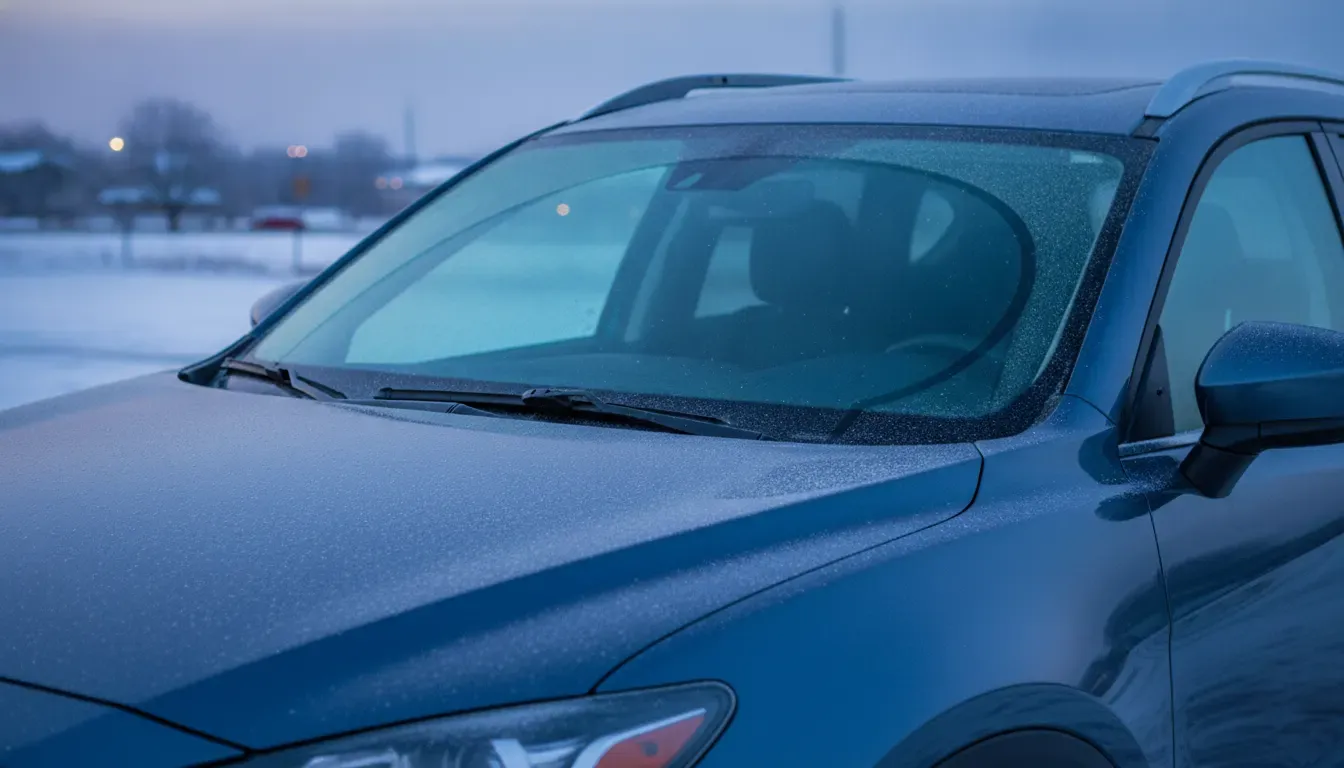
Winter weather can freeze the lower edge of your windshield and lock your wiper blades in place before you leave the driveway. Heated windshield wipers, also called a heated wiper park or wiper de-icer system, are designed to warm that high-contact area so frost, snow, and ice are easier to clear. The feature can be useful on cold Kansas City mornings, but it is not included on every vehicle and it does not replace safe winter driving habits.
What Are Heated Windshield Wipers?
Heated windshield wipers are a vehicle feature that uses electrical heat near the wiper resting area to help loosen ice and snow from the lower windshield and blades. Depending on the vehicle, the heating element may be integrated into the wiper park area, wiper arm, or blade assembly. The name and controls vary, so the owner's manual is the best source for your specific system.
The phrase can describe more than one design. Some vehicles warm the section of glass where the blades rest. Others use heated wiper blades or arms. A heated windshield may also have a separate electrically conductive layer across a larger section of glass. These are related winter visibility features, but they are not interchangeable.
Chevrolet's official heated wiper park guide explains that its system heats the bottom of the windshield and wiper blades. It also notes that the system may activate with remote start, pre-conditioning, or the rear defrost control, depending on the vehicle. Your vehicle may operate differently, so confirm the instructions before using the feature.
How Do Heated Windshield Wipers Work?
When activated, a heated wiper system sends electrical current through a resistance-based heating element, which produces controlled warmth around the blade parking zone. That warmth helps soften frost and ice where the blades sit against the glass. Once the bond between the ice and the surface is reduced, the wipers can move with less strain and the defroster can finish clearing the windshield.
- Activation: The driver starts the feature through a dedicated control, rear defrost button, remote start sequence, or automatic temperature logic, depending on the vehicle.
- Localized heating: The system warms the lower windshield area, wiper arms, blades, or a combination of those components. It usually does not heat the entire windshield at the same rate.
- Ice release: Frost and thin ice become easier to loosen. The system is meant to support the vehicle's defroster and proper scraping, not to replace them in every storm.
- Automatic shutoff: Many systems run for a limited period or turn off when conditions change. Chevrolet, for example, describes timed shutoff periods for its heated wiper park system.
The electrical load is managed by the vehicle's charging and control systems. Do not modify the wiring or install an aftermarket heating element without confirming compatibility. A poorly matched system can interfere with the wiper mechanism, glass, trim, or vehicle electronics.
What Is the Difference Between Heated Wipers and a Windshield Defroster?
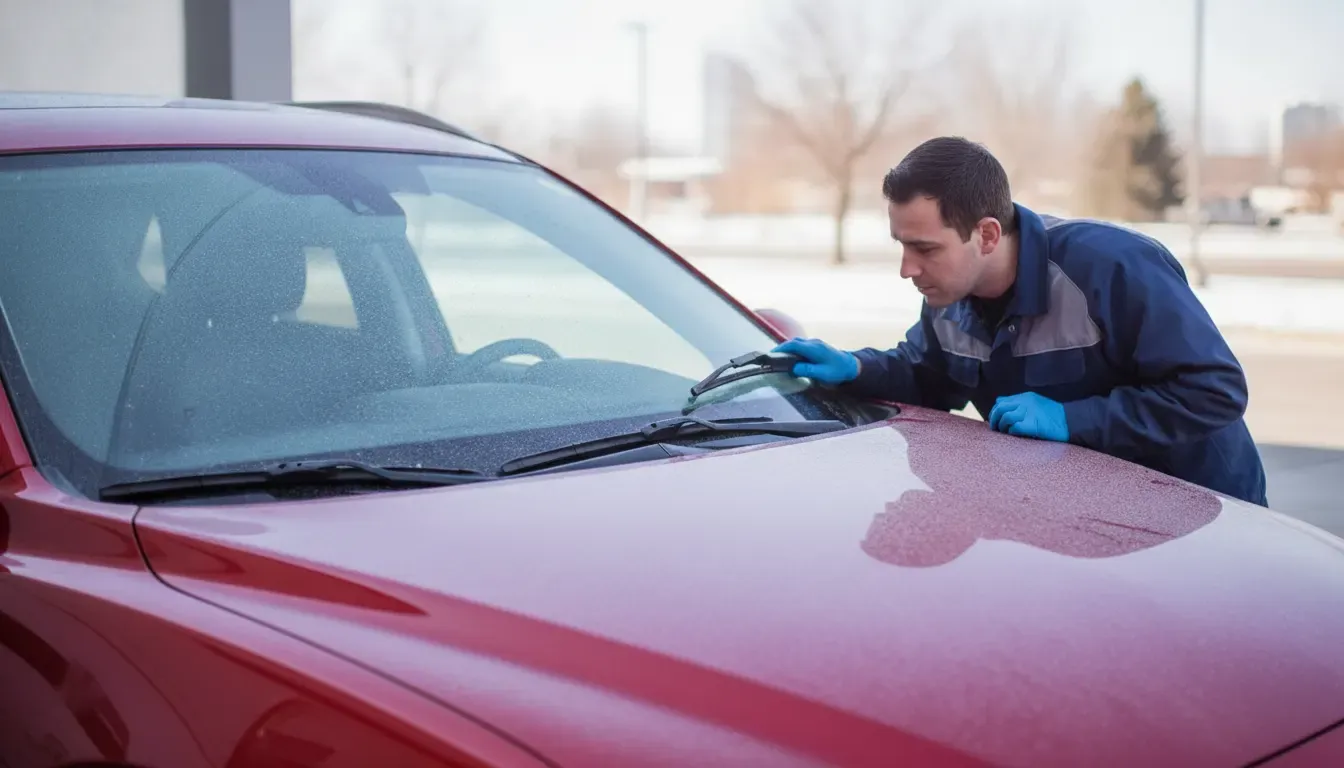
Heated wipers focus heat near the blade resting area, while the windshield defroster moves warm air across the inside of the glass. The two systems can work together, but they solve different parts of the same visibility problem.
- Heated wiper park: Helps release ice near the outside lower edge of the windshield and the area where the blades rest.
- Heated wiper blades or arms: Adds warmth at the blade assembly on vehicles designed with that equipment.
- Front defroster: Directs conditioned air at the inside of the windshield to clear interior fog and frost.
- Rear defroster: Uses electrical heating elements in the rear glass on equipped vehicles. Its button may also control the front heated wiper park on some models, but not all.
- Ice scraper and brush: Remove heavier accumulation from the outside surface when electronic systems cannot clear it quickly.
Using the right tool for the condition matters. Never force frozen wipers across the glass. Lift the blades only if the owner's manual permits it, brush away loose snow, run the vehicle's approved defrost cycle, and use a proper scraper for remaining ice. Pouring hot water over cold automotive glass can create a rapid temperature change and may contribute to cracking.
When Do Heated Windshield Wipers Help in Kansas City?
Heated windshield wipers are most useful when overnight temperatures leave frost, freezing rain, or light snow concentrated around the lower windshield and wiper blades. Kansas City drivers can encounter fast-changing winter conditions, including a cold commute after a wet evening. A heated park area can reduce the time and effort needed to free the blades before driving, especially when the vehicle is parked outdoors.
The feature is helpful in situations such as:
- Frost has formed along the lower edge of the windshield.
- Freezing rain has bonded the wiper blades to the glass.
- Light snow has collected in the wiper park area overnight.
- Repeated winter starts make manual scraping inconvenient.
- You need to preserve clear visibility before entering local streets or highways.
It is not a substitute for clearing the entire windshield, hood, roof, lights, or mirrors. Loose snow can blow onto the glass while driving, and uncleared ice can obstruct your view. The National Highway Traffic Safety Administration recommends checking that defrosters and windshield wipers work before winter weather and keeping winter washer fluid available.
For Kansas City drivers, the practical benefit is faster preparation and less stress around the blade resting area, not an automatic guarantee that every winter windshield will clear on its own. Leave enough time for a complete visibility check before pulling away.
Get help with windshield damage before winter weather spreads it
What Are the Limitations of Heated Windshield Wipers?
Heated windshield wipers do not melt every type of accumulation instantly, and the feature only works on vehicles equipped with the correct hardware and controls. Heavy snow, thick ice, packed road salt, and ice extending beyond the heated zone still require manual clearing and time.
Important limitations include:
- Limited coverage: Most heated wiper systems concentrate warmth near the wiper park area rather than heating the complete windshield.
- Vehicle-specific operation: Activation temperatures, button locations, run times, and automatic shutoff behavior differ by make, model, and trim.
- Electrical dependence: A weak battery, charging problem, blown fuse, or control fault can prevent the system from operating correctly.
- Blade condition still matters: Worn, split, or hardened rubber cannot restore clear wiping simply because the wiper area is heated.
- Glass compatibility: A replacement windshield may need specific features, dimensions, brackets, sensors, or conductive elements for the vehicle to function as designed.
Do not assume a heated wiper setting is active because the windshield has a defrost icon. Check the manual and look for a clear indicator on the climate control panel or instrument display. If the feature does not activate, avoid repeatedly cycling the control while driving in poor visibility. Have the electrical system or glass-related components inspected by a qualified professional.
How Should You Maintain Heated Windshield Wipers?
Maintain heated windshield wipers by keeping the blades in good condition, using winter-rated washer fluid, clearing snow by hand, and following the vehicle manufacturer's operating instructions. The heating element is only one part of the visibility system. Clean glass, working defrosters, flexible blades, and adequate washer fluid all contribute to safer winter preparation.
- Inspect the blades: Replace blades that chatter, skip, leave untreated areas, or show splits and hardened edges.
- Use approved washer fluid: Select a winter formula with de-icing capability that is compatible with your vehicle and local temperatures. Do not substitute household cleaners.
- Remove loose snow first: Brush snow from the windshield and wiper area before activating the blades. Do not ask the motor to push a heavy load.
- Do not pry frozen blades: If a blade is bonded to the glass, use the vehicle's defrost process and a proper scraper rather than pulling aggressively on the arm.
- Keep the lower glass clear: Leaves, grit, and road debris can collect under the cowl and interfere with the wiper park area.
- Read the owner's manual: Confirm the correct control, temperature behavior, shutoff timing, and blade replacement procedure.
After a windshield replacement, ask which glass features and sensor systems apply to your vehicle. A properly matched windshield matters when the glass includes a camera mount, rain sensor, acoustic layer, tint band, or heated section. Avision Auto Glass provides mobile windshield replacement and repair throughout the Kansas City metro area, with OEM or equivalent quality glass based on vehicle requirements.
When Does a Windshield Need Professional Attention?
Contact an auto glass professional when a crack reaches the wiper area, damage is in the driver's viewing zone, the glass feature stops working, or the wipers do not move normally after an ice event. A small chip can spread after temperature changes, vibration, or moisture enters the damage. Early evaluation can clarify whether repair is appropriate or whether replacement is safer.
Request an inspection if you notice:
- A chip or crack near the lower edge of the windshield or beneath a wiper blade.
- A crack that is lengthening after a freezing morning or defrost cycle.
- Cloudiness, delamination, or a damaged area that affects visibility.
- Wiper chatter caused by a rough damaged surface rather than only a worn blade.
- A heated windshield or wiper park feature that no longer responds as expected.
- Glass damage near a forward-facing camera, rain sensor, or other Advanced Driver Assistance Systems component.
Use mobile auto glass replacement when the damage or vehicle requirements call for new glass. For smaller eligible damage, windshield chip repair may help preserve the original windshield. The correct choice depends on damage location, size, visibility, glass features, and the vehicle manufacturer's requirements.
Why Choose Avision Auto Glass for Winter Windshield Service?
Avision Auto Glass is a family-owned mobile auto glass service serving the Kansas City metro area since 2006. The team provides windshield repair, replacement, side and rear window service, and fleet auto glass support at homes, offices, and other convenient locations.
- Mobile convenience: Avision brings service to your location, which can reduce the need to drive with compromised visibility.
- Vehicle-specific planning: Quotes account for the make, model, year, glass type, and features that can affect the correct replacement.
- Written workmanship coverage: The business backs its work with a lifetime workmanship warranty, according to its service information.
- Clear next step: Drivers can request a free same-day quote before deciding between repair and replacement.
- Kansas City coverage: Mobile service reaches communities across the metro, including Kansas and Missouri locations.
Do not wait for a small winter crack to spread across your field of view. Avision Auto Glass can help evaluate windshield damage and explain the service options for your vehicle.
Request your free same-day quote from Avision Auto Glass or call (913) 314-5720 to discuss your vehicle's windshield needs.
Frequently Asked Questions
Do heated windshield wipers heat the entire windshield?
No. Most heated wiper systems focus on the lower windshield and blade resting area. Some vehicles have broader heated glass or heated blades, but the coverage depends on the make, model, and equipment package.
Can I add heated windshield wipers to any vehicle?
No. Heated wipers and heated wiper park systems require vehicle-specific hardware, electrical connections, controls, and compatible components. Check with the vehicle manufacturer or a qualified technician before considering an aftermarket modification.
Do heated windshield wipers replace an ice scraper?
No. The system can loosen frost and light ice near the wiper park area, but drivers still need to clear heavy snow and ice from the entire vehicle before driving. Never force frozen wipers across the glass.
Why are my heated windshield wipers not working?
Possible causes include an incorrect control sequence, a blown fuse, a battery or charging issue, a failed heating element, or a vehicle-specific temperature condition. Check the owner's manual first, then arrange an inspection if the feature remains inactive.
Can a cracked windshield affect heated wipers?
It can, especially when a crack reaches the lower windshield, wiper park area, sensor mount, or a heated section of glass. A professional can evaluate the damage and determine whether repair or vehicle-specific replacement glass is appropriate.
Sources: Chevrolet Heated Wiper Park guide and NHTSA winter driving guidance.
