
Car Mirror Replacement: A Step-by-Step DIY Guide
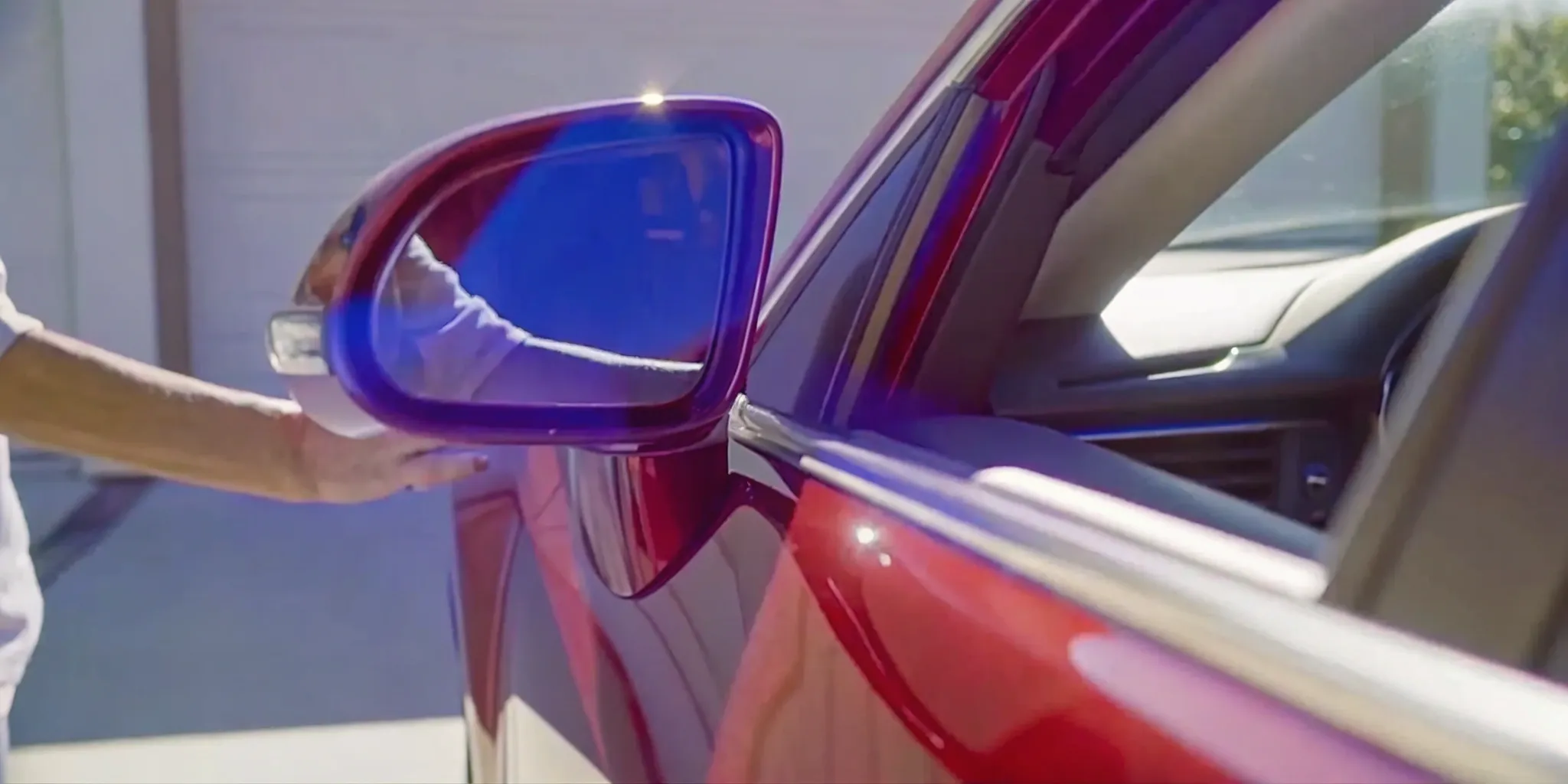
A car mirror seems simple enough—it’s just a piece of glass, right? Not anymore. Today’s mirrors are often packed with technology, from heating elements that melt ice on a cold Kansas City morning to blind-spot sensors that keep you safe on the highway. This complexity can turn a seemingly simple car mirror replacement into a tricky electrical job. Before you start, it’s crucial to understand what you’re working with. This guide will explain modern mirror features, help you identify what your car has, and walk you through the options for getting it fixed correctly, restoring both your view and your vehicle’s safety systems.
Key Takeaways
- Match the Mirror's Features, Not Just the Model: To get the right fit, you need to look past your car's make and year. Check for specific functions like heating, power-adjust, or turn signals to ensure the new mirror's wiring is compatible with your car.
- Your Mirror's Tech Determines the Cost: The price of a replacement isn't just about the glass—it's about the technology inside. A basic manual mirror is budget-friendly, but features like heating, auto-dimming, and blind-spot sensors can significantly increase the cost.
- Know When to DIY vs. Call a Pro: Replacing a simple manual mirror is a great DIY project. However, if your mirror has complex wiring for features like blind-spot detection or memory settings, calling a professional is the safest bet to avoid electrical damage.
What Are the Different Types of Car Mirrors?
Before you can tackle a replacement, it’s helpful to know exactly what you’re working with. Car mirrors have evolved quite a bit over the years, and the ones on your vehicle might have more technology packed into them than you think. Understanding the different types will help you find the right part and decide whether a DIY replacement is the right move for you. From the standard ones you check every day to specialty mirrors for specific needs, each plays a vital role in keeping you safe on the road.
Most cars are equipped with three main mirrors: two side view mirrors and one rearview mirror. However, depending on your vehicle and how you use it, you might also have specialized mirrors for towing or covering blind spots. Let’s break down what each one does and the features you might find. Knowing the difference is the first step in any successful auto glass service or repair.
Side View Mirrors
Your side view mirrors are your best friends for changing lanes safely. Mounted on the exterior of your car doors, they’re designed to give you a wide field of vision of the areas to the side and slightly behind your vehicle. You’ve probably noticed the classic warning: "Objects in mirror are closer than they appear." This is because the passenger-side mirror is often convex (curved outward) to cover more ground. Many modern side mirrors come with handy features like heating elements to melt away ice and fog, power adjustability controlled from inside the car, and even integrated turn signals to make your intentions clearer to other drivers.
Rearview Mirrors
The rearview mirror, mounted on your windshield, gives you a clear view of what’s happening directly behind you. While its basic function is simple, today’s rearview mirrors can be surprisingly high-tech. Many newer models have an auto-dimming feature that automatically reduces the glare from bright headlights, which is a real lifesaver during night drives. Some rearview mirrors also house displays for your backup camera, a compass, or even a connection to services like OnStar. Because of this integrated technology, replacing a rearview mirror can sometimes be more complex than it looks, especially if it involves reconnecting wiring harnesses.
Blind Spot and Towing Mirrors
Some vehicles come with specialty mirrors designed for specific situations. Blind spot mirrors are a great example; they are small, convex mirrors, often placed on the outer edge of your side view mirrors, that reveal vehicles lurking in your blind spots. Newer cars often have electronic blind spot monitoring systems that use sensors and warning lights instead. Towing mirrors are another common type. They are much larger and extend further out from the vehicle than standard mirrors, giving you the wide, unobstructed view you need to safely pull a trailer, boat, or camper.
How to Choose the Right Replacement Mirror for Your Car
Finding the right replacement mirror involves more than just picking one that looks right. To ensure it fits correctly, works with your car’s electrical system, and keeps you safe on the road, you need to match it perfectly to your vehicle. Getting these details right from the start will save you time, money, and a whole lot of frustration. Let's walk through the three key things you need to check to find the perfect replacement.
Check Your Car's Make, Model, and Year
This is the absolute first step. Car mirrors are designed for specific vehicles, so a mirror for a Ford F-150 won’t fit on a Honda Civic. Before you even start browsing for parts, find your car's exact make, model, and year. You can usually find this information on your vehicle registration, insurance card, or the sticker inside the driver's side door jamb. Having these details handy ensures that any mirror you look at is built to the right dimensions and mounting specifications for your car, guaranteeing a secure and proper fit.
Match the Features and Specs
Modern side mirrors do a lot more than just show you what’s behind. Does your current mirror have power-adjustability, a heating element for frosty Kansas City mornings, or an integrated turn signal? Some even include blind-spot detection lights. It's crucial to get a replacement that has the same features. A mirror with different wiring or connectors won't function correctly, even if it physically fits your door. Before you buy, carefully review the product specifications to confirm it matches your car’s original features and electrical setup.
Decide Between OEM and Aftermarket Parts
You’ll have two main options for parts: OEM or aftermarket. OEM (Original Equipment Manufacturer) parts are made by the same company that produced the original mirror for your car. They are a guaranteed match in fit, quality, and function but typically cost more. Aftermarket parts are made by third-party companies and are usually more budget-friendly. While many aftermarket parts are excellent, quality can vary. If you go this route, stick to reputable brands. Your choice depends on your budget and how important an exact factory match is to you. For peace of mind, our team at Avision can help you source a high-quality part that fits your needs and budget.
How Much Does Car Mirror Replacement Cost?
A broken side mirror is more than just a cosmetic issue—it’s a safety hazard. When it comes time for a replacement, one of the first questions on your mind is likely, "How much is this going to set me back?" The answer really depends on your vehicle and the type of mirror you need. The cost can range from less than a tank of gas for a basic manual mirror to over a thousand dollars for a high-tech version packed with sensors and cameras. Understanding the different types of mirrors and their associated costs will help you budget for the repair and decide whether to tackle it yourself or call in a pro. From simple glass replacement to a full assembly swap, there are various auto glass services available to get you back on the road safely. Let's break down the typical costs you can expect.
Budget-Friendly Mirrors ($40-$60)
If you're looking for the most cost-effective solution, a basic manual side mirror is your best bet. These typically cost between $40 and $60. Manual mirrors are the kind you adjust by hand, common on older vehicles or base model cars. They don't have any electronic components, which makes them simple and inexpensive to replace. If you just need a functional mirror without any bells and whistles, this is a straightforward and affordable fix that gets the job done without straining your wallet. It's an ideal choice for budget-conscious drivers who prioritize function over features.
Standard Power Mirrors ($150-$300)
For most modern cars, a standard power mirror is the default. You can expect to pay between $150 and $300 for one of these. This type of mirror allows you to adjust the angle electronically from inside the car, but it doesn't include more advanced features like heating elements or turn signal indicators. This price point reflects the added convenience and technology of powered adjustments. It's the middle-ground option that balances modern functionality with a manageable cost, making it the most common type of replacement for today's vehicles.
High-Tech Mirror Options ($1,000+)
If your car is equipped with the latest safety technology, replacing a side mirror can be a significant expense. High-tech mirrors with features like blind-spot sensors, integrated cameras, auto-dimming capabilities, or heating elements can cost $1,000 or more. These mirrors are complex electronic components that are deeply integrated with your car's computer systems. The high price reflects the sophisticated technology packed into the unit. While these features add a lot of safety and convenience, they also make replacement a much bigger investment that often requires professional expertise to install correctly.
Factoring in Labor and Installation Costs
Remember that the prices above are just for the mirror itself. Unless you're doing the replacement yourself, you'll also need to account for labor costs, which typically range from $50 to $200. While a DIY replacement is possible for simpler manual mirrors, the complex wiring in power and high-tech mirrors often makes professional installation the safer choice. Paying for an expert ensures the electrical connections are handled correctly and the mirror functions as it should. The best way to understand your total expense is to get a free quote that includes both parts and labor.
Where to Buy Replacement Car Mirrors
Once you’ve identified the right mirror for your car, the next step is figuring out where to buy it. You have a few solid options, each with its own set of benefits. Whether you prefer the convenience of online shopping, the hands-on help of a local store, or the ease of a professional service, there’s a path that fits your needs and comfort level. The key is to weigh the pros and cons of each to decide which route is best for you and your vehicle.
Online Auto Parts Retailers
For those who enjoy a good DIY project, online retailers are a fantastic resource. Websites like Amazon and AutoShack offer a massive selection of car side mirrors, often at competitive prices. You can browse through countless options for different makes and models right from your couch. The biggest advantage here is the sheer variety and the potential to save money. The downside is that you’re responsible for ensuring you order the exact right part. Double-check compatibility before you buy, and be prepared for shipping times and the possibility of a return if it’s not a perfect match.
Local Auto Parts Stores and Dealerships
If you prefer to see a part before you buy it, heading to a local auto parts store or your car’s dealership is a great choice. Places like AutoZone often have knowledgeable staff who can help you find the right mirror and offer advice on the replacement process. The main benefit is getting the part immediately and confirming it’s the correct one on the spot. Dealerships are your go-to for OEM parts, which guarantees a perfect fit and finish, though they usually come with a higher price tag. While convenient, local stores may not always have your specific mirror in stock, so it’s a good idea to call ahead.
Mobile Auto Glass Services
If you’d rather leave the entire process to an expert, a mobile auto glass service is your best bet. This is the most convenient, hands-off option. A professional technician comes directly to your home or office, brings the correct mirror, and handles the entire installation for you. This is especially helpful if your car has mirrors with complex features like heating elements or blind-spot sensors. Companies like Avision Auto Glass provide comprehensive mobile auto glass services, taking all the guesswork out of the repair and ensuring the job is done right with a lifetime workmanship warranty.
Understanding Modern Mirror Technology
Car mirrors have come a long way from being simple, reflective pieces of glass. Today, they are sophisticated components packed with technology designed to make driving safer and more convenient. When you need a replacement, it’s crucial to understand what features your current mirrors have so you can find a compatible match. These advanced systems often involve complex wiring and sensors that are integrated directly into the mirror housing, which can turn a seemingly simple swap into a tricky electrical job. Knowing what you're working with helps you understand the scope of the replacement and decide whether it’s a project you can handle yourself or one that’s better left to a professional.
From mirrors that automatically clear away frost to ones that alert you to cars in your blind spot, modern mirror technology is impressive. These features are not just for luxury; they are standard on many new vehicles and play a vital role in your car's overall safety system. If your mirror is damaged, you're not just losing visibility—you could be losing key functions like turn signal indicators or heating elements. That's why getting the right auto glass services is so important for restoring your vehicle's full functionality and keeping you safe on the road. It’s about more than just seeing behind you; it’s about ensuring all your car’s safety features are working as they should.
Auto-Dimming and Heated Mirrors
Tired of being blinded by bright headlights in your rearview mirror at night? Auto-dimming mirrors are the solution. They contain a special substance between two panes of glass that reacts to bright light, automatically darkening the mirror to reduce glare. This simple but brilliant feature makes nighttime driving much safer and more comfortable. Similarly, heated mirrors are a lifesaver in cold or foggy weather. Tiny heating elements behind the glass quickly clear away frost, ice, or condensation, ensuring you always have a clear view without having to scrape or wipe them down on a chilly Kansas City morning.
Power-Adjustable and Memory Settings
The convenience of power-adjustable mirrors is something most of us take for granted. With just the push of a button, you can perfectly position your side mirrors without leaning across the car. But the technology often goes a step further with memory settings. If you share your car with another driver, memory settings are a game-changer. They allow you to save your preferred mirror positions, so you can instantly restore them after someone else has been driving. This feature is tied into your car’s electrical system, making it one of the reasons a seemingly simple mirror replacement can get complicated if you're not familiar with wiring.
Integrated Turn Signals and Blind Spot Detection
Many modern side mirrors do more than just reflect—they communicate. Integrated turn signals are built directly into the mirror housing, making your intention to turn or change lanes much more visible to other drivers. Taking safety a step further, many cars now include blind spot detection systems. These systems use sensors to monitor the areas you can’t see, illuminating a warning light in your side mirror when a vehicle enters your blind spot. This technology is a huge help in preventing accidents during lane changes, giving you an extra set of eyes where you need them most.
The Tools and Parts You'll Need for a DIY Replacement
Getting ready to replace your car mirror is a bit like preparing for a recipe—having all your ingredients and tools laid out first makes the whole process go much smoother. Before you start unscrewing anything, take a moment to gather the right equipment. This simple prep work can save you from a mid-project run to the auto parts store and help you get the job done right the first time. It also ensures you can work safely and efficiently, turning a potentially frustrating task into a satisfying fix.
The Basic Tools for a DIY Job
For most side mirror replacements, you won’t need a massive, professional-grade toolbox. You'll primarily need a socket wrench to unbolt the old mirror from the door frame. If the job requires you to remove the interior door panel to access the wiring, a panel clip removal tool and a Philips screwdriver will be your best friends. These tools help you pop off the panel without breaking the delicate plastic clips. If you don't have a dedicated panel tool, a flat-head screwdriver carefully wrapped in a cloth can work in a pinch to avoid scratching the panel. Having a complete screwdriver set and a basic trim removal kit on hand will also make things easier.
Don't Forget Hardware and Safety Gear
Beyond the tools, the most critical part is, of course, the correct replacement mirror for your vehicle. Double-check that it matches your car's make, model, and year. Before you install it, it's a smart move to test any power functions or integrated signals to ensure they work. And please, don't forget your safety gear—a pair of safety glasses and gloves will protect you from any unexpected debris. When you're putting everything back together, be careful not to over-tighten the screws and take a moment to confirm the alignment is perfect before you secure it. If you run into any issues with complex wiring or just want a guaranteed fit, our mobile auto glass services are always here to help.
How to Replace Your Car Mirror, Step by Step
Ready to tackle this project yourself? Replacing a car mirror is often a straightforward job you can handle with a few basic tools and a little patience. It can be a satisfying project that saves you a trip to the shop and a bit of money on labor costs. While it’s a manageable DIY, remember that if you run into any complex wiring or just aren’t feeling confident, our team at Avision offers professional auto glass services right here in Kansas City to get it done for you. We understand that not everyone has the time or desire to get their hands dirty, and that's perfectly okay. Our mobile technicians can come to you and handle the replacement quickly and correctly. But if you’re ready to get started, we're here to guide you. This guide breaks down the process into three simple steps, from safely removing the old mirror to installing and testing the new one. Let's get to it.
Step 1: Safely Remove the Old Mirror
First, you’ll need to get the old, damaged mirror off your car. Start by looking inside your car where the mirror is attached to the door. Often, a small plastic cover hides the mounting hardware. You can usually pry this off gently with a flathead screwdriver. Most side mirrors are held in place by three screws or bolts. For some vehicles, you may need to remove the interior door panel to access the mirror’s connections. This sounds more intimidating than it is! You’ll typically need a Philips screwdriver and a panel clip removal tool to pop it off without causing damage. Look for hidden screws behind small circular tabs or square cutouts before you start pulling.
Step 2: Manage the Electrical Wires
If your mirror has features like power adjustments, heating, or a turn signal, you’ll see a wiring harness that needs to be disconnected. Before you unplug anything, take a moment to look at how the wires are connected. The best trick is to snap a quick photo with your phone so you have a perfect reference for later. Pay attention to the color coding of the wires. This will be your guide when you connect the new mirror, ensuring all its features work correctly. Once you’ve documented the setup, carefully disconnect the wiring harness. It usually has a small clip you can press to release it.
Step 3: Install and Test Your New Mirror
Now it’s time to put the new mirror on. The installation process is essentially the reverse of what you just did. Start by connecting the wiring harness on your new mirror, using the photo you took as a guide. Next, carefully position the mirror and tighten the screws or bolts to secure it to the door. Make sure your new mirror has a rubber guard or weatherstrip backing to create a seal that protects the internal components from moisture. Before you put the door panel back on, test everything! Turn on your car and check all the power functions—adjustments, heating, and turn signals—to confirm everything is working as it should. Once you’re satisfied, you can reattach the interior door panel and admire your work.
Common Mirror Replacement Mistakes to Avoid
Replacing a car mirror yourself can be a really satisfying project. But even the most straightforward DIY job has a few potential pitfalls that can turn a quick fix into a frustrating afternoon. Knowing what to watch out for can make all the difference and ensure your replacement goes smoothly from start to finish. Let's walk through a couple of the most common mistakes so you can steer clear of them.
Avoiding Electrical Connection Mistakes
Modern side mirrors often have wiring for power adjustments, heating elements, and integrated turn signals. It’s easy to get tripped up here. A common issue is failing to properly connect the electrical wires, which can leave you with features that don't work. Before you disconnect anything, take a quick photo with your phone. This gives you a clear reference for which color wire goes where. When you’re putting everything back together, be careful not to over-tighten the screws, as this can damage the delicate connections. Taking your time with the wiring ensures all your mirror’s features will work correctly, which is especially important for our frosty Kansas City mornings. If you run into trouble, our auto glass services are always here to help.
Ensuring Proper Fit and Compatibility
This might sound obvious, but ordering a mirror that doesn't quite fit is a frequent hiccup. Before you buy, always verify that the replacement part is compatible with your car's specific make, model, and year. Even mirrors that look identical can have different mounting brackets or connectors. A great pro tip is to test the new mirror's functions before you put the door panel back on. Connect the wiring, turn on your car, and check the power adjustments and any other features. An ill-fitting mirror can vibrate on the highway or create new blind spots, so taking a few extra minutes to confirm the fit is well worth it. If you’re unsure which part to order, you can always contact us for a free quote and expert advice.
When Should You Call a Professional for Mirror Replacement?
While tackling a car mirror replacement yourself can be a rewarding project, some situations are best left to the experts. Knowing when to put down the tools and pick up the phone can save you time, money, and a lot of frustration. If you find yourself in one of the following scenarios, calling a professional is your smartest move. It’s not about admitting defeat; it’s about making a practical choice to protect your vehicle and ensure the job is done right the first time.
If Your Car Has Complex Wiring
Replacing a basic, manual side mirror is often a straightforward task. However, modern vehicles pack a lot of technology into every component, and mirrors are no exception. If your mirror has complex wiring for features like heating, power adjustment, integrated turn signals, or blind-spot detection, the replacement process becomes much more delicate. One wrong move could damage the electrical system, leading to a bigger, more expensive repair. A professional technician understands how to safely disconnect and reconnect these intricate systems, ensuring all your mirror’s features work perfectly after installation. It’s worth getting expert help to handle these advanced auto glass services and avoid any electrical mishaps.
When You're Using Insurance or a Warranty
If you plan on using your auto insurance or a vehicle warranty to cover the replacement, having a professional handle the job is almost always the best path forward. Insurance companies and warranty providers have specific procedures and documentation requirements that a certified technician knows how to follow. This ensures your claim is processed smoothly without any hitches. Attempting a DIY repair could potentially void your warranty or complicate your insurance claim. Plus, reputable shops provide a workmanship warranty on their installations, giving you an extra layer of protection and peace of mind. To see how a professional can work with your insurance, you can always contact us for a free quote.
Related Articles
- Why Delaying Windshield Replacement Can Cost You More in the Long Run
- FAQ | Avision Auto Glass
- Auto Glass Replacement Company Overland Park, KS
- Auto Glass Replacement Service | Merriam, KS | Avision Auto Glass
- Auto Glass Replacement Service | Raymore, MO | Avision Auto Glass
Frequently Asked Questions
Can I just replace the mirror glass, or do I need the whole assembly? This is a great question, and the answer depends on the extent of the damage. If only the glass is cracked but the mirror housing and all the electronic features like power-adjustability are still working perfectly, you can often just replace the glass itself. This is a much more affordable fix. However, if the plastic housing is cracked, the mirror won't stay in place, or any of the tech features have failed, you'll need to replace the entire mirror assembly to restore its function and safety.
How long does a mobile mirror replacement service usually take? One of the best parts of a mobile service is how quickly it gets you back on the road. For most standard side mirror replacements, the entire process usually takes less than an hour. A skilled technician can arrive at your home or office, remove the old mirror, install the new one, and test all the connections efficiently. More complex mirrors with advanced sensors might take a little longer, but it's a repair that can easily fit into your day without a major disruption.
Will the new mirror match my car's paint color? Most aftermarket replacement mirrors come with a standard, neutral finish, which is typically a matte or gloss black plastic. Some also come with a primed cover that is ready to be painted. If you want a perfect match to your car's factory color, the mirror cap can be professionally painted. This is an extra step, but it's the best way to ensure the new part blends seamlessly with your vehicle's appearance.
Is it safe to drive with a broken or missing side mirror? Driving without a functional side mirror is a significant safety risk. Your side mirrors are essential for seeing vehicles in your blind spots when you change lanes or merge into traffic. Relying only on your rearview mirror leaves huge gaps in your visibility. While laws can vary by location, you could get a ticket for a missing or broken mirror, but the main reason to get it fixed quickly is to ensure you can see your surroundings and keep yourself and others safe on the road.
What happens if my mirror's high-tech features stop working after a replacement? This is a common concern with modern cars and exactly why professional installation is so valuable. A qualified technician ensures that all wiring and sensors are connected and calibrated correctly so your features work from the start. Reputable auto glass services also stand behind their work with a workmanship warranty. This means if you have any issues with the mirror's electronic functions that are related to the installation, they will resolve the problem for you.
Double-click to edit...
