
What Should a Fleet Ask About an Auto Glass Workmanship Warranty?
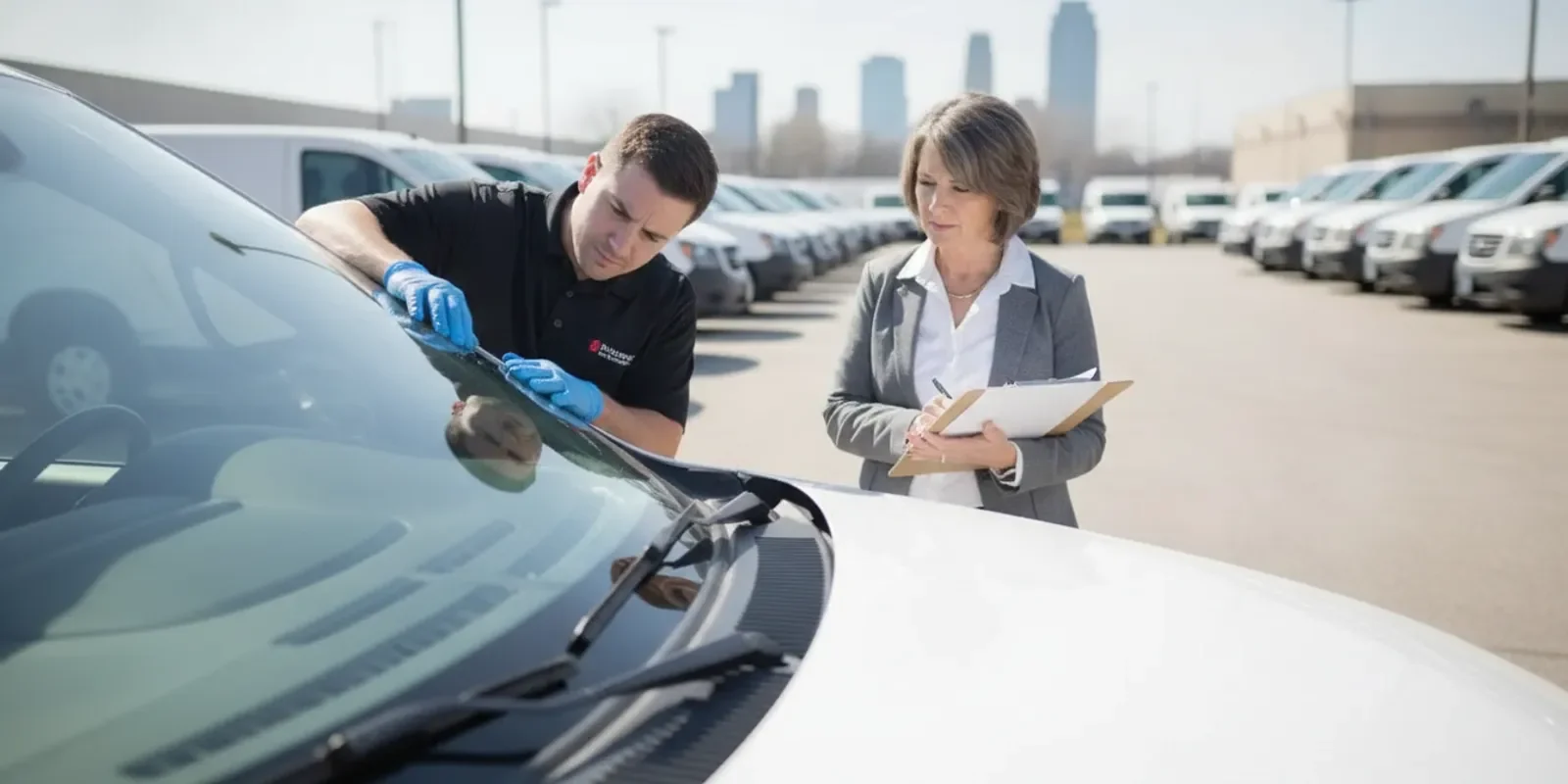
A fleet auto glass warranty can help clarify what happens if a repair or replacement has a workmanship issue later. Before approving service, ask what the warranty covers, which vehicles and work it applies to, and how to request a follow-up. The written terms matter more than a broad verbal promise.
Why should a fleet ask about workmanship warranty terms?
A fleet manager is responsible for keeping vehicles available and making service decisions that can be explained later. A clear warranty gives the manager a reference point if a concern comes up after the vehicle returns to work. It can also help prevent confusion between a workmanship issue and a new incident, a damaged part, or a concern unrelated to the glass service.
Start by separating three different things people may call a warranty:
- Workmanship coverage: The provider's stated commitment for the quality of its installation or repair work.
- Glass or parts coverage: Terms that may apply to the glass or other components supplied for the job. Ask who provides this coverage and where its terms are documented.
- Other service or vehicle coverage: A vehicle manufacturer, insurer, or another party may have separate terms. Do not assume these are the same as the auto glass provider's workmanship warranty.
Ask the provider to identify which of these it is describing. If a quote includes a windshield replacement, for example, ask whether the written warranty addresses the installation, the supplied glass, or both. The answer should identify the responsible party and explain what to do if a covered concern appears.
What work does the warranty cover?
Ask whether the terms apply to the specific service you are authorizing. A glass repair and a full replacement are different jobs, and warranty language may distinguish between them. The same question applies to windshields, side windows, rear glass, and other glass services. Do not assume a statement about one type of work automatically applies to another.
Ask for a plain-language list of the covered work. It should make clear whether coverage applies to the repair or installation itself, any related trim or components handled during the job, and any follow-up adjustment that may be needed. If the provider uses technical terms, ask what they mean in everyday language and request that the answer be included with the service paperwork.
It is also useful to confirm what the warranty does not cover. A new impact after service, unrelated damage, or a problem with a part may be treated differently from a defect in the original workmanship. The provider should explain how it distinguishes these cases and whether it will inspect the vehicle before deciding. Avoid relying on assumptions about what is included.
How long does coverage last, and which fleet vehicles qualify?
Ask how the coverage period is measured. It might be described by a fixed time period, by the period that a customer owns a vehicle, or by another condition. Confirm the start date and whether the time period differs by service type. If a provider says coverage lasts for a particular period, ask to see that duration in writing.
Fleet ownership creates practical questions that individual vehicle owners may not face. Confirm that the warranty applies to the business or fleet account, not only to a named driver. Ask whether every vehicle on the work order is covered, including vehicles serviced at different locations or on separate dates. For a multi-vehicle appointment, make sure the written records identify which job and vehicle each set of terms applies to.
Ask what happens if the fleet sells, replaces, leases, or reassigns a vehicle. Coverage may or may not transfer to a later owner or operator. Do not promise a future buyer or driver that a warranty transfers unless the written terms say so. If a vehicle is leased, check who is allowed to request warranty service and whether the fleet manager should retain the service record after the vehicle is returned.
What exclusions or conditions should a manager check?
Read the conditions that could affect a warranty request. Ask what the provider considers outside the covered work, what evidence is needed, and whether there is a time limit for reporting a concern. Check whether the terms require the fleet to contact the original provider before another shop works on the glass. If another repair is made first, it could make it harder to determine what happened, so ask for the procedure before a problem arises.
Request clear instructions for a vehicle that has new damage after service. A fresh chip, collision, or other impact may be a separate event rather than a workmanship issue. Ask how the provider wants the fleet to report it and whether the vehicle should be inspected before anyone makes a conclusion about coverage. Keep the description factual: note when the concern was found, what the driver observed, and whether a new incident occurred.
Conditions may also cover how quickly a concern must be reported, how the vehicle should be made available for an inspection, and whether the original work order is needed. Ask the provider to explain each condition in advance. If the terms are unclear, request a written answer rather than relying on a driver's recollection of a phone conversation.
What does the written warranty need to say?
A useful written record should connect the coverage to the specific service. Ask for the warranty terms along with an invoice or work order that shows:
- The fleet or business name and a way to identify the vehicle, such as its unit number or vehicle identification details in the provider's normal records.
- The date of service and the glass work completed.
- Whether the job was a repair or replacement and which area of the vehicle was serviced.
- The provider's coverage period, what work it covers, and the exclusions or conditions that apply.
- The steps and contact method for reporting a concern or requesting an inspection.
- Any separate parts or other coverage, with the responsible party identified.
Do not rely on a single line that says only “warranty included.” Ask for the full terms or a written explanation that can be saved with the service file. If the provider changes the terms for a particular job, save the version that applied when that work was approved. A simple document trail helps another manager understand the decision if the original contact is unavailable.
For a fleet with recurring glass needs, decide where these records will live. A shared vehicle file, fleet management system, or central service folder can work if staff know how to find it. Keep each invoice connected to the vehicle record, and note who approved the work. The goal is not extra paperwork; it is a usable record that helps dispatch, operations, and finance teams answer the same basic questions.
Give the people who handle incidents a simple filing routine. When a vehicle returns to service, the person closing the work order can attach the invoice and warranty terms, record the service date, and confirm the vehicle identifier. If a different employee manages warranty requests, note how that person can locate the record. A repeatable process matters when drivers, dispatchers, and managers change shifts or when a vehicle is assigned to another team.
For a larger fleet, it can help to keep a short index of recent glass jobs. The index might record the vehicle or unit number, service date, type of work, provider, and where the full documents are stored. It does not replace the invoice or warranty terms. It simply gives a manager a quick way to find them when a driver reports a concern or when a vehicle is sold or reassigned.
Before a job begins, decide who can approve additional work or a follow-up visit. A driver may be the first person to notice a concern, while a fleet manager may need to review the service record and contact the provider. Make that route clear to drivers so they know whom to notify and do not have to guess which office or vendor to call.
How should the fleet handle a concern after service?
Set a consistent reporting process before the first job. Tell drivers who to contact and what details to provide. A short report can include the vehicle or unit number, service date, location of the glass, the concern they noticed, and when they first noticed it. Ask drivers not to make a diagnosis about the cause. A clear description helps the provider decide what inspection is appropriate.
When a concern is reported, compare the details with the service record. Note whether there has been a new impact or other event since service, and avoid altering or arranging additional work on the affected area until you have asked the provider how to proceed. This is a practical way to preserve useful information; it does not decide whether a warranty applies.
Agree on how vehicles will be made available if an inspection is requested. A mobile provider may be able to coordinate at a fleet location, but confirm the location, timing, and scope when arranging service rather than assuming every follow-up works the same way. For broader scheduling or vehicle coordination needs, review the provider's fleet auto glass service information and ask how your particular job will be handled.
What should managers ask about calibration and related work?
Some vehicles have driver-assistance features that may involve additional checks after a windshield replacement. Ask whether the vehicle's equipment or service instructions indicate that calibration or another step is needed, who will determine that, and whether it is included in the quoted scope. Ask for any related documentation to be attached to the vehicle's service record. Do not treat a workmanship warranty as a substitute for confirming that the job's stated steps have been completed.
Discuss the scope before authorizing work. If the provider says additional work is required, ask what it is, why it is relevant to that vehicle, whether it is included in the quote, and what record will be provided after completion. A fleet can then document the service decision without assuming that all vehicles have identical equipment or requirements.
The U.S. Bureau of Labor Statistics lists automotive glass installers and repairers as an occupational group. Its occupational listing is general background, not a warranty standard or a substitute for asking about the provider's written terms and the work planned for a specific vehicle.
How can fleets compare warranty answers before choosing service?
Compare written answers, not just the word “warranty.” One provider may describe duration clearly but leave exclusions vague. Another may give a practical reporting process but not state whether the terms apply to every vehicle in a fleet visit. Ask the same core questions of each provider so the answers are easier to review:
- Which service and parts are covered, and which are not?
- How long does the coverage last, and when does it begin?
- Does it apply to all vehicles named on the work order and to the fleet account?
- What happens if a vehicle is sold, replaced, leased, or transferred?
- How does the fleet report a concern, and what inspection or documentation is required?
- Who is responsible for any separate parts coverage or additional service?
Also compare the service scope and the records that will be provided. A concise written response is more useful than a broad promise that cannot be matched to a vehicle or work order. If one detail is unclear, ask for clarification before approving service.
For several vehicles, ask how the provider will identify each job and communicate any difference in scope. One vehicle may need a repair while another needs a replacement, and the related paperwork should not leave the manager guessing which terms go with which service. Ask whether the quote or work order can list each vehicle separately and whether the final invoice will reflect the work actually completed.
It can help to assign one person to collect the answers and keep the approved terms with the service records. That person can note any unresolved question, such as transfer rules or a specific exclusion, and follow up before authorizing the work. If a decision is urgent, be explicit about which details need an answer first and which can be recorded with the completed job. Do not treat a quick verbal response as a replacement for the written terms.
Managers can use the same short checklist each time: confirm the service, identify the covered vehicle, review the duration and exclusions, save the written terms, and record how to report a concern. The checklist should be easy for the team to follow, rather than a substitute for reading the provider's actual warranty. If the written document conflicts with a verbal explanation, ask the provider to resolve the difference in writing before the service is approved.
For help understanding repair and replacement options, review the information on auto glass repair services and auto glass replacement. A manager arranging service in a particular area can also check the relevant pages for Overland Park, Olathe, or Lee's Summit.
What warranty information does Avision Auto Glass provide?
Avision Auto Glass states that its workmanship warranty lasts for the duration of the customer's ownership of the vehicle and is guaranteed in writing. Fleet managers should still confirm how those terms apply to the specific fleet service being requested, including which vehicles and work are covered, what exclusions apply, and how a fleet account should request follow-up. Do not assume that ownership, transfer, or other details have been answered until they are confirmed for your job.
When requesting a quote, provide the number and type of vehicles, where they are located, and what kind of glass damage or service is involved. Ask for the applicable workmanship terms and the job details in writing. The fleet service page explains how to submit a fleet inquiry, and the Avision Auto Glass FAQs may help with general service questions.
Request a free same-day quote for your fleet or call Avision Auto Glass at (913) 314-5720.
Frequently asked questions
Does a workmanship warranty cover new damage to the glass?
Not necessarily. A new impact or other event may be separate from the original workmanship. Ask the provider to explain its exclusions and inspection process, and report the concern before arranging additional work.
Does the warranty follow a fleet vehicle if it is sold?
It depends on the written terms. Ask whether coverage can transfer to a new owner or operator, and save the answer with the vehicle's service record. Do not assume coverage transfers unless the provider confirms it.
Should a fleet keep a separate warranty file for every vehicle?
Keep the service record easy to connect to each vehicle. That may be a separate file or a shared fleet system with a clear vehicle identifier. Include the invoice, warranty terms, work completed, and any follow-up notes.
What should a manager do if a driver reports a problem?
Record when the concern appeared and what the driver observed, then contact the provider using the written warranty instructions. Share the vehicle identifier and service date, and ask whether the vehicle should be inspected before anyone arranges other glass work.
Ready to review fleet glass service terms?
Before approving auto glass work, connect the warranty language to the vehicles, services, and records your team needs to manage. A written answer to the key questions can make follow-up clearer for both the fleet manager and the driver.
