
Multiple Vehicle Mobile Auto Glass Service: Can a Team Service Fleets?
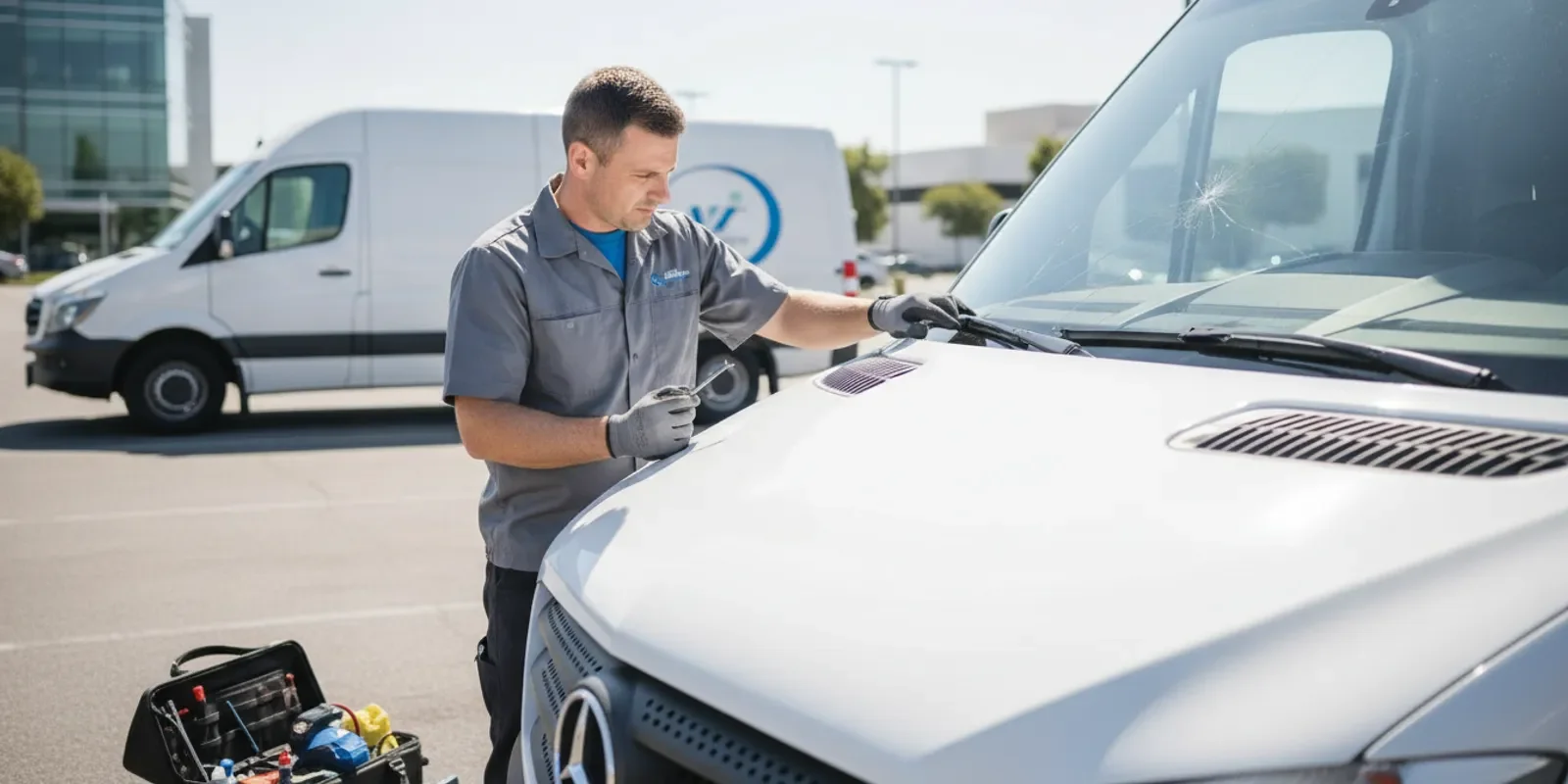
Yes, a mobile glass team may be able to service several fleet vehicles at one location, but the right plan depends on the vehicles, the type of glass work, the site, and the schedule. A little preparation helps the service provider assess whether the vehicles can be handled in one visit or should be divided into appointments. If you are comparing options for multiple vehicle mobile auto glass service, start by collecting details for every affected vehicle.
Can a mobile glass team service several fleet vehicles at one location?
Often, a fleet glass visit can be planned around more than one vehicle at the same site. That does not mean every request can be completed in a single block of time. The provider needs to understand what is damaged, which vehicles need attention first, and whether there is enough room to work safely around each vehicle.
Some vehicles may need a repair, while others need a full glass replacement. A technician must assess the damage and the vehicle before deciding which option is appropriate. The glass type, availability of the correct part, and vehicle features can also affect the plan. A windshield with a camera or other driver-assistance equipment, for example, may involve additional questions about calibration after replacement.
Avision Auto Glass offers fleet auto glass service in the Kansas City area. Its fleet auto glass service page is a place to start when you are arranging service for company vehicles. Share the full list of affected vehicles so the team can review the request rather than assuming that every unit can be handled in the same way.
What information should you gather before requesting service?
A concise vehicle list makes the first conversation more useful. It gives the provider a chance to understand the scope, identify missing details, and discuss a workable appointment plan. You do not need to diagnose the damage yourself. Describe what you can see and let a glass professional advise on the next step.
- Vehicle details: Record the year, make, model, and body style for every vehicle. If a vehicle has a trim or equipment package that may affect the glass, include it when known.
- Glass location: Note whether the damage is on the windshield, a side window, a rear window, or another glass panel.
- Damage description: Say whether you see a chip, a spreading crack, shattered glass, or a window that is missing. A photo can help explain what you see, but it does not replace an in-person assessment.
- Vehicle features: Mention windshield cameras, sensors, rain-sensing equipment, or other features near the glass if you know the vehicle has them. If you are unsure, say so rather than guessing.
- Vehicle identification: Have the VIN available if requested, and share it directly with the service provider. Do not post vehicle identification details in a public message.
- Priority and availability: Mark which vehicles are needed for a route, shift, delivery, or other time-sensitive use, and when each one can be made available.
- Site contact: Name the person who can meet the technician, move vehicles if needed, and answer questions during the appointment.
It can help to put this information in a simple spreadsheet or list. Give each vehicle a unit number or another identifier your team uses, then connect that identifier to its location, damage, and availability. This reduces mix-ups when several similar vehicles are parked together.
For one vehicle, a short description may be enough to begin a quote request. For a group, list every unit even if only some of the details are known. A provider can tell you what information is still needed before the appointment is confirmed.
For example, a fleet manager might use columns for unit ID, year and model, glass panel, visible damage, driver-assistance features, parking location, and earliest available time. Mark unknown items as “not sure” instead of leaving an ambiguous blank. When a manager sends the list, the provider can identify which units may need a follow-up question, such as a VIN or a closer view of the damaged area. Keep the working list limited to details needed to arrange the visit, and share sensitive vehicle identifiers directly rather than in a public or broadly shared document.
How should you plan the work at one location?
The best plan is the one that gives the technician clear access and gives your operation a realistic view of vehicle downtime. Before the appointment, agree on a service window, the number of vehicles under consideration, and how the vehicles will be presented. A mobile appointment is still a work site, so the parking layout and surrounding activity matter.
Choose a practical service area
Identify a level, accessible place where vehicles can be parked with enough room for the technician to approach the glass and move equipment. Avoid a spot blocked by loading activity, regular traffic, or vehicles that cannot be moved. If several units are involved, ask the provider how to stage them. The best arrangement may be to park them in a sequence rather than close together.
Tell the provider about access limits before the visit. Examples include a gated lot, a security check-in, a height restriction, limited parking, or a location where work must be coordinated with a property manager. Confirm who will arrange site access and whether the technician needs instructions on arrival.
Build a vehicle sequence
Decide which units should be considered first. A vehicle with broken or missing glass may need a different priority from one with a small chip. Describe the condition and intended use without declaring a vehicle safe or unsafe yourself. If there is a concern about driving a damaged vehicle, ask the glass professional what to do before moving it.
Share any fixed departure times and the latest time a unit can be unavailable. If the vehicles have different schedules, a staggered appointment or more than one visit may be more practical than bringing every unit to the site at once. Ask the provider which approach makes sense after reviewing the vehicle list.
Plan for people and keys
Make sure someone can identify each vehicle and provide access. Move personal items away from the work area, and tell drivers not to relocate a vehicle once the service sequence is underway unless the technician agrees. If vehicles are assigned to different teams, tell those teams about the appointment window and how long each unit may be unavailable.
Fleet operations often depend on organized maintenance and repair procedures. The Washington State Department of Enterprise Services describes its fleet operations as managing agency-owned and leased vehicles and offering repair services. That is a useful example of why a clear internal process can help coordinate fleet needs; it is not a rule that applies to every private fleet. See Washington DES fleet operations for its agency-specific overview.
Before confirming the location, walk through the route a technician would use to reach each unit. Check whether other vehicles can leave without crossing the work area, whether the site has enough space for a vehicle to be repositioned, and whether scheduled deliveries could block access. If the lot is busy, reserve a small group of spaces and tell the site contact when they must be clear. A simple sketch or marked-up site map can help explain the arrangement, especially when the parking area has multiple entrances or separate sections.
Will all vehicles be repaired or replaced in the same visit?
Not necessarily. The appropriate work depends on each vehicle's condition and glass requirements. A small chip on one windshield does not make another vehicle's long crack a repair candidate. A broken side window may require a different glass part and cleanup than a windshield replacement. Treat every unit as a separate assessment even when several vehicles are parked together.
Ask the provider to explain the recommended work for each vehicle. Useful questions include:
- Is the visible damage a candidate for repair, or does the glass need replacement?
- Does this vehicle require a specific glass configuration or feature match?
- Could a camera or other driver-assistance feature require calibration after windshield replacement?
- Is the required part available, or does this vehicle need a separate appointment?
- What should the driver know about using the vehicle after the work is completed?
Do not assume that a repair will be faster or that a replacement can always be completed the same day. The service provider can explain the options after reviewing the damage, vehicle information, and parts needs. Avision also provides windshield repair information and windshield replacement information for Kansas City-area drivers.
Grouping vehicles by the kind of work being considered can make the planning conversation clearer, but it does not determine the final service recommendation. For instance, you could flag three units with visible windshield chips and one with a broken side window. The provider can then ask focused questions about the chip locations and the separate glass part, rather than treating the group as one uniform job. Similarly, two vans of the same model may have different windshield features or glass configurations. Record each vehicle separately and let the provider confirm what is appropriate and which parts are needed.
In practical terms, one visit might include an assessment of all vehicles and completion of some work, while another unit waits for a part or a separate time slot. Ask whether the appointment is being planned as one coordinated visit, multiple visits, or a first visit to assess the group. Clarifying that distinction keeps drivers and supervisors from assuming that every unit will be finished at the same time.
How can you limit fleet downtime?
There is no single schedule that fits every fleet. A useful first step is to separate vehicles by urgency and availability, then discuss whether the provider can group compatible work. Avoid promising drivers a return-to-service time until the service plan and any post-service instructions are clear.
- List affected units. Include vehicles with visible damage, even if you are still deciding whether to request service for each one.
- Identify business constraints. Note route times, shift changes, delivery windows, or days when particular vehicles are not available.
- Ask about grouping. Find out whether the vehicles can be reviewed in one visit or whether different parts or work types call for separate scheduling.
- Prepare the site. Reserve appropriate parking, ensure access, and have a contact ready to meet the technician.
- Confirm instructions for each vehicle. Keep any work recommendations and post-service guidance with the relevant unit's record.
Keep a simple record of the date, unit identifier, reported damage, work discussed, and the next action. This can help your team track which vehicles have been assessed and which still need attention. It also makes future communication easier if the appointment must be changed or a part needs to be confirmed.
For fleets with vehicles in several Kansas City communities, check the service details for the relevant location. Avision lists areas such as Overland Park, Olathe, and Lee's Summit. You can also review the broader Kansas City service areas when vehicles are based at more than one site.
A practical way to set expectations is to work backward from the fleet's schedule. If a unit is needed for an early route, tell the provider its departure time and ask whether the proposed appointment can accommodate that constraint; do not assume it can. If another unit is used only on certain days, identify a window when it can remain parked. For a mixed schedule, consider whether the vehicles can be brought forward in smaller groups instead of taking several out of service together. The provider can then discuss whether that approach fits the required work and parts.
After service, record the instructions supplied for each vehicle and pass them to the driver or supervisor responsible for that unit. Do not use one vehicle's directions as a substitute for another's. If a driver notices a concern after service, document which vehicle it involves and contact the provider to ask what to do. This closes the loop between the appointment plan and the fleet's day-to-day handoff.
What should you ask about the quote and appointment?
When asking for a quote, provide the details for each vehicle and ask how the provider will handle differences among them. Pricing can vary with the vehicle, glass, insurance coverage, and work required, so do not rely on a single assumed per-vehicle price. Request a quote that explains the proposed work and any open questions before you approve the plan.
Before the appointment is set, clarify:
- Which vehicles are included in the request and which ones still need assessment.
- Whether the visit is intended for inspection, repair, replacement, or a mix of work.
- What vehicle or site information the provider still needs.
- How the appointment will be coordinated if the parts or recommended work differ by vehicle.
- Who your team should contact if a vehicle becomes unavailable or the site plan changes.
- What instructions the drivers should follow after each vehicle is serviced.
If insurance is involved, confirm your own policy and claim process with your insurer. Do not assume coverage, a deductible amount, or approval based only on another vehicle's past claim. The provider can discuss the service request, while your insurer can explain your coverage and claim decisions.
It can also help to agree on how updates will be handled on the appointment day. Name one fleet contact who can answer questions and relay changes to drivers, and share a reliable way for the provider to reach that person. If a unit is moved, becomes unavailable, or is found to have different damage than first reported, communicate the change promptly. Ask how any changes to the planned work or quote will be reviewed before the work proceeds. These small communication steps reduce the chance that a driver and the service team are working from different versions of the schedule.
When should a fleet manager request service?
Contact a glass service provider when damage is identified and you need help deciding what to do next. If glass is shattered, missing, or obstructing the driver's view, treat the situation as urgent and ask for professional guidance before putting the vehicle back into service. Do not rely on a general online description to determine whether a specific vehicle is safe to drive.
For a less urgent issue, documenting the damage and arranging an assessment promptly can help you plan around vehicle availability. If damage changes or spreads while you are waiting, update the provider rather than assuming the original description still applies.
Avision Auto Glass serves Kansas City, Missouri, and nearby Kansas and Missouri communities. For a multi-vehicle request, send the vehicle list, the address where the units are parked, and your preferred scheduling window through the contact page. A team member can review the request and discuss the next step.
Request fleet glass service or call (913) 314-5720
Frequently asked questions
Can a mobile team work on multiple vehicles in a parking lot?
It may be possible if there is suitable access and room to work, but the provider should review the site and vehicle details first. Share information about parking, gates, traffic, and the number of units when you request an appointment.
Should I send a separate description for each vehicle?
Yes. List each vehicle's year, make, model, glass location, visible damage, and availability when known. Damage and glass requirements can differ from one unit to another, even when the vehicles are the same model.
Can I ask for the vehicles to be handled in a particular order?
Yes. Explain which vehicles are tied to time-sensitive work and why. The provider can consider your priorities alongside the work needed, part availability, and the practical appointment sequence.
Does every windshield replacement require camera calibration?
Not every vehicle has the same equipment or requirements. Tell the provider about windshield cameras or driver-assistance features if you know the vehicle has them, and ask whether calibration is needed for that specific vehicle and replacement.
What if the fleet is spread across several locations?
Provide the address and vehicle list for each site. Ask whether separate appointments are needed and how to coordinate the vehicles so the service plan reflects where they are parked and when they are available.
With a clear vehicle list, a workable site plan, and realistic scheduling priorities, you can make a multi-vehicle glass request easier to assess and coordinate. Contact Avision Auto Glass to discuss the vehicles and arrange the next step for your Kansas City-area fleet.
