
When Is a Fleet Vehicle Unsafe to Drive After Glass Damage? A Fleet Vehicle Glass Safety Guide
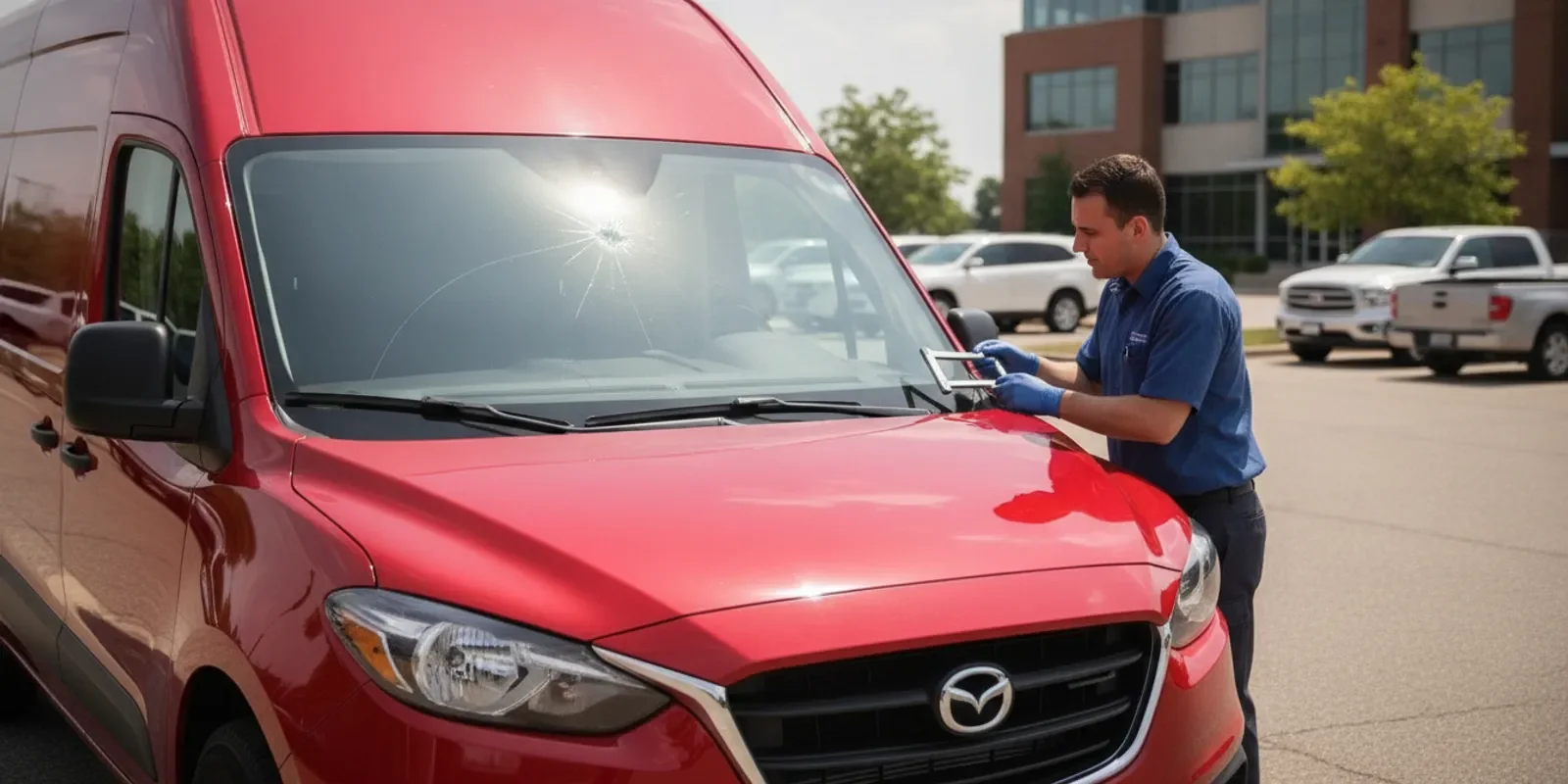
Fleet vehicle glass safety is a practical dispatch decision: can the driver see clearly, and is the glass stable enough for the trip? A small chip may not demand the same response as a spreading crack, but location, visibility, weather, and the condition of the rest of the glass matter. Use this guide to decide what to do next without guessing at a universal damage-size rule.
What makes fleet vehicle glass safety a dispatch decision after damage?
There is no single measurement that answers every case. The same mark can affect two vehicles differently depending on where it sits, how the driver is positioned, the vehicle’s design, and whether the damage is changing. A manager should treat the decision as a current operating check, not as a promise that the vehicle can finish a route because it was drivable yesterday.
Do not dispatch a vehicle when the driver cannot maintain a clear view through the areas needed to observe the road and operate safely. That includes damage that creates a distracting glare, distorts objects, blocks a useful view, or interferes with the driver’s ability to use the windshield and wipers. If glass is loose, broken through, shedding pieces, or appears likely to come away, keep people clear and do not continue the trip. Move the vehicle only if it can be done safely, such as repositioning it out of an immediate traffic hazard.
When the condition is uncertain, pause the route and get the vehicle assessed rather than asking a driver to judge risk while moving. Fleet teams can contact Avision through its fleet auto glass service page to discuss the vehicle and arrange next steps.
Which fleet vehicle glass safety signs call for parking the vehicle now?
Some warning signs make the decision straightforward. Stop the vehicle in a safe place and alert the manager if any of these conditions are present:
- The damage blocks or noticeably distorts the driver’s view of the road, traffic signals, pedestrians, or other important surroundings.
- A crack or damaged area is spreading while the vehicle is being used, or vibration and road conditions appear to be making it worse.
- Glass is loose, missing, caved in, sharply broken, or shedding fragments into the cabin or around the vehicle.
- The windshield wipers cannot clear the driver’s view because of the damage, or the damaged area makes rain, spray, or glare especially hard to manage.
- A side or rear window is missing or damaged in a way that creates a hazard, leaves occupants exposed, or prevents the driver from using required visibility checks.
- The driver feels unable to operate the vehicle safely or is distracted by the damage.
These are practical stop-and-assess indicators, not a substitute for an inspection or a legal ruling. If there is a crash, injury, or immediate roadside danger, follow the company’s emergency procedures and contact the appropriate emergency services. For a damaged windshield that may still be intact, park in a safe location and arrange an assessment before sending the vehicle back out.
Some glass damage is not immediately obvious from the driver’s seat. At the start of a shift, a brief walk-around can reveal a new impact, a crack extending from an edge, or a window that has shifted. Ask drivers to report damage as soon as they notice it, rather than waiting until a scheduled inspection or the end of a route.
How should a driver check visibility without taking a risk?
A driver should never test damaged glass by driving faster, braking hard, pressing on it, or deliberately exposing it to temperature changes. Begin while parked in a safe place. Sit in the normal driving position and check whether the damage sits in the driver’s view, changes the appearance of objects, or causes glare under the current light. Check the wipers and washer operation only if it is safe to do so. Do not touch a cracked area or loose glass.
Visibility can change with conditions. A mark that seems unobtrusive in a shaded lot may be distracting when sunlight hits it, or when headlights reflect from it at night. Rain and road spray may also make it harder to see through an already compromised area. If a route includes night driving, heavy rain, construction zones, or frequent backing and lane changes, take those operating conditions into account before assigning the vehicle.
Keep the check simple and repeatable: what is damaged, where is it, does it affect the driver’s usable view, and is it stable? If the driver cannot answer confidently, escalate the call to the fleet manager and seek professional guidance. A check from outside the vehicle can help locate damage, but it cannot confirm that a vehicle is safe under every driving condition.
Does a chip always mean a vehicle must be removed from service?
No. A chip that is small, stable, and outside the driver’s useful view may not require the same immediate response as a long crack or loose glass. But “small” by itself is not a safe-to-drive test. The location, shape, visibility effect, type of glass, and any change since the last check all matter. A chip can develop into a longer crack, and a driver may be affected by glare or distortion even when damage looks minor from outside.
Record the condition and arrange a timely assessment rather than leaving the decision open indefinitely. Avision’s information about auto glass chip repair can help a manager understand the repair service to ask about, while an individual vehicle’s damage still needs to be evaluated on its own facts. If the damage is in a driver’s critical view, is worsening, or creates uncertainty, park the vehicle until the next step is clear.
Fleet windshield condition also deserves routine attention, not just a response to a new impact. A National Highway Traffic Safety Administration evaluation reported that, in one fleet, an estimated 42 percent of windshields had moderate-to-heavy scratches and cuts after 15 months of operation. That finding is specific to the evaluation and is not a universal fleet rate or a pass/fail threshold; it is a reminder that accumulated glass wear can be worth checking. Read the NHTSA windshield evaluation.
What should a fleet manager do after a driver reports damage?
Give drivers a clear reporting path and make the first response consistent. The manager should gather enough information to decide whether to stop dispatch and arrange service, without asking a driver to diagnose the glass. A useful first report includes:
- Vehicle identification, location, driver name, and whether the vehicle is currently parked.
- Which pane is damaged: windshield, door glass, rear glass, or another area.
- Where the damage sits and what it looks like, using a photo taken only when the vehicle is safely parked.
- Whether the damage affects visibility, has loose pieces, or appears to have changed during the shift.
- Current route demands, weather, and whether the vehicle is carrying passengers, equipment, or a time-sensitive load.
Then make the operational choice: hold the vehicle, move it only to a safe nearby location if appropriate, or request an assessment before dispatch. Do not make a driver continue a route simply because replacement transportation is inconvenient. If the vehicle is held, notify dispatch, arrange a substitute vehicle or route adjustment, and tell the driver who will provide the next update.
For service planning, provide the vehicle details and damage description when requesting a quote. Avision offers auto glass repair services and auto glass replacement; the right option depends on inspection and the vehicle’s needs. Managers can also review the company’s auto glass service FAQs before contacting the team.
How can fleets keep routes moving without cutting corners?
Plan around the vehicle, not just the glass appointment. When a vehicle is held, consider whether the cargo or tools can be moved to another unit, whether a route can be split, or whether a lower-priority trip can be rescheduled. Tell dispatch what is known and what remains unconfirmed. Avoid giving an estimated return-to-service time until the provider has reviewed the vehicle and explained the work and any relevant after-service instructions.
When arranging service, share the make, model, year, vehicle identification number if available, glass location, and any relevant equipment or features. This information helps the provider understand which vehicle is involved and what questions to resolve before work is scheduled. For multiple vehicles, list each one separately and identify which units are most urgent. A coordinated request can help a fleet manager discuss service needs for vehicles at one location; it does not mean every vehicle will have the same damage or receive the same work.
Avision’s windshield repair information and windshield replacement service page provide more detail on those types of work. Avision provides mobile auto glass service, so a manager can ask whether a vehicle can be serviced at its current location. Confirm the appointment plan, vehicle access, and any instructions directly with the service provider.
Fleets across the Kansas City area can check the relevant Avision service area information when planning a request. For vehicles operating in the metro, the Kansas City auto glass page is another place to review service details. Coverage and scheduling should be confirmed for the vehicle’s actual location.
What should a fleet glass safety policy include?
A short written procedure is easier to follow during a busy shift than an informal rule that varies by supervisor. It should explain how a driver reports damage, who has authority to hold or release the vehicle, and how dispatch will handle a vehicle that cannot continue. Keep the instructions practical and available to drivers, supervisors, and anyone who assigns vehicles.
- Report promptly: Drivers report new damage as soon as practical and stop in a safe location if visibility or glass stability is a concern.
- Capture useful details: Record the vehicle, pane, location, apparent change, operating conditions, and a safely taken photo when useful.
- Escalate uncertainty: Name the manager or contact responsible for making the next decision and arranging an assessment.
- Control dispatch: Mark a held vehicle clearly in the fleet schedule so another dispatcher does not assign it inadvertently.
- Close the loop: Save the service outcome and any provider instructions before returning the vehicle to normal assignment.
Review the procedure after a close call, a recurring reporting delay, or a change in fleet operations. The goal is not to create a complicated checklist. It is to ensure a damaged vehicle is reported, assessed, and deliberately cleared for its next use rather than disappearing back into the schedule without a decision.
What information should go in the service record?
Keep the record useful for the next manager who needs to understand what happened. Note when the damage was discovered, the driver’s description, the vehicle’s location, and the decision made about dispatch. Save the service request, the work completed, and any instructions the provider gives about the vehicle after service. If a driver reports a later concern, connect that report to the original record.
Use consistent labels for the affected pane and vehicle identifier. A simple record can prevent confusion when a company has several similar units or when several reports arrive at once. It also helps a fleet see whether a particular route, parking area, or pattern of use deserves a closer look. Avoid treating a record as proof that a vehicle is safe; the operating decision still depends on the vehicle’s present condition and applicable professional guidance.
For businesses managing several vehicles, Avision describes its fleet glass service online. A manager can use the service page to start a conversation about fleet needs, then confirm the details for each vehicle directly.
Request a free same-day quote or call (913) 314-5720 to discuss fleet glass service.
Frequently asked questions
Can a driver take a vehicle to a nearby safe parking area?
Only if moving it is safe under the circumstances. If the damage blocks visibility, glass is loose, or the driver cannot operate confidently, do not continue the route. Follow the fleet’s roadside procedure and arrange assistance. A short move away from an immediate hazard is different from carrying on with a delivery route.
Should a fleet wait until the next scheduled inspection to report a chip?
No. Report newly noticed damage promptly so a manager can record it, consider visibility and stability, and arrange an assessment if needed. Waiting can make it harder to tell when the damage appeared or whether it has changed.
Can a manager decide from a photograph that a windshield is safe?
A photo can help show where damage is and support a service request, but it cannot fully reproduce the driver’s view, lighting, changing conditions, or the stability of the glass. Use it as information for an assessment, not as the sole basis for clearing a vehicle that may be unsafe.
What if the glass looks intact but the driver is distracted by the damage?
Take the report seriously. Distraction or glare can affect a driver even when there is no loose glass. Pause dispatch if the driver cannot maintain a clear, comfortable view, and arrange a closer evaluation before returning the vehicle to service.
What is the safest next step?
If damage affects visibility, appears unstable, or leaves the driver unsure, keep the vehicle out of service until the fleet has a clear next step. Record what happened, coordinate an assessment, and tell the driver and dispatch when the decision will be revisited. A consistent report-and-review process helps protect people while giving the fleet a practical way to manage glass damage and route disruption.
