
How Does Mobile Auto Glass Billing Work for a Small Business Fleet? A Fleet Auto Glass Billing Guide
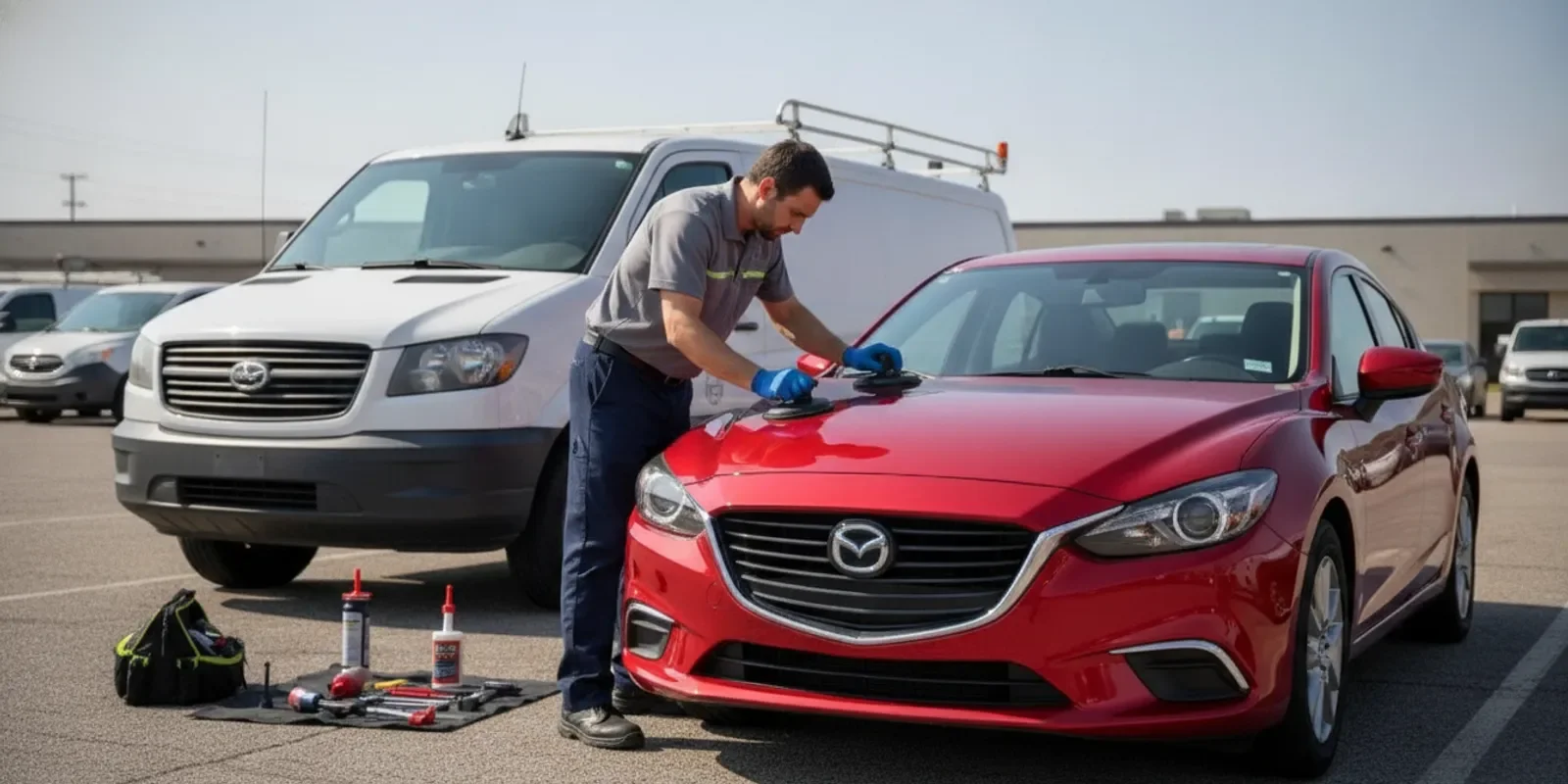
Fleet auto glass billing can be straightforward when a business confirms who can approve work, what each vehicle needs, and what documentation should appear on the bill. Before booking mobile service, set a simple process for collecting damage details, reviewing the quote, authorizing the work, and matching the final invoice to the vehicle serviced.
What does fleet auto glass billing usually include?
Fleet auto glass billing is the process a business uses to request glass service for one or more company vehicles, approve the work, and pay or otherwise settle the resulting charge. The exact arrangement depends on the provider, the vehicle, the glass damage, and any insurance or purchasing procedures the business uses. There is no single billing setup that applies to every fleet.
For a small business, the practical goal is to make each charge easy to understand and assign. A manager should be able to tell which vehicle was serviced, what work was authorized, who approved it, and how the final bill should be handled. This matters whether the request is for one damaged windshield or several vehicles that need attention over time.
Do not assume that a fleet account automatically means one flat rate, a single monthly bill, or direct insurer payment. Ask the glass provider to explain its billing process before the appointment. If your business has its own purchase-order, account, or invoice rules, explain those requirements before authorizing service.
How should a business prepare before requesting service?
Gather the information that helps the provider identify the vehicle and understand the damage. The details available to the driver may be incomplete, so record what you know and ask what else is needed to prepare a quote. Avoid delaying a request while trying to guess technical details.
Vehicle identification: Record the year, make, model, and fleet unit number if your business uses one. Confirm the correct vehicle with the driver or fleet manager.
Damage description: Note whether the issue is a windshield chip, a crack, or damage to a side or rear window. If the extent is unclear, say so rather than labeling it a repair or replacement yourself.
Location and access: Provide the vehicle’s current location and explain where a service vehicle can park or work. Avision provides mobile auto glass service, so the business can ask about service at a suitable customer location.
Availability: Identify when the vehicle can be made available and whether it has a required return-to-use time. This helps the provider discuss scheduling before work is arranged.
Business contact: Name the person coordinating the request and the person authorized to approve the quote. Keep their contact details with the request.
For several vehicles, put the details in a short list rather than combining them into one general request. A separate line for each unit helps prevent a quote, authorization, or invoice from being assigned to the wrong vehicle. If multiple vehicles are at one location, mention that when you contact the provider and ask how the work can be coordinated.
Businesses in the Kansas City area can review Avision’s fleet auto glass service information before requesting service. For location-specific information, see the Kansas City service-area overview or the pages for Overland Park, Olathe, and Lee’s Summit.
What should you confirm on a fleet auto glass quote?
A quote is an estimate of the proposed work and its charge; it is not the same as confirming the final invoice. Before approving it, make sure the description matches the vehicle and the service being proposed. If details change after inspection, ask how the provider will explain the change and obtain approval before additional work proceeds.
Review these points with the provider:
Vehicle and location: Does the quote identify the right fleet unit and service location?
Scope: Does it describe repair or replacement, and which piece of glass is involved? If the exact scope is not yet confirmed, ask what decision remains open.
Price basis: Ask what the quoted amount covers and whether any other charges could apply. Vehicle specifications, glass type, insurance coverage, and service complexity can affect quote details, so do not rely on a generic price for a different vehicle.
Approval point: Find out who must authorize the work and whether the provider will contact that person if the scope or quote changes.
Scheduling: Confirm the proposed service timing and how the vehicle should be made available. Ask what to expect if the appointment needs to change.
Billing arrangement: Confirm whether the business pays the provider, submits information to an insurer, or follows another process. Ask who is responsible for each step rather than assuming the provider or insurer will handle it.
Avision offers free same-day quotes, according to its service information. A quote can help a fleet manager decide what to authorize, but the manager should still confirm how payment, invoicing, and any insurance-related steps work for that particular job. For general service details, review Avision’s auto glass services.
How do authorization and payment fit into the process?
Set an authorization rule before sending a vehicle for service. A small fleet may allow one owner or manager to approve every request. A larger or distributed team may need drivers to report damage while a designated person approves the work. Whatever the arrangement, tell employees what they can request and what they cannot approve on their own.
A basic authorization sequence can look like this:
The driver reports damage and shares the vehicle information, current location, and a clear description.
The fleet contact gathers a quote or asks the provider what information is needed to prepare one.
The authorized person reviews the proposed work and cost, then gives approval using the method agreed with the provider.
If the scope or charge changes, the provider and business confirm who can approve the change before proceeding.
The business records the completed service and checks the final invoice against the approved work.
Ask the provider how it accepts payment and what appears on the invoice. Possible business processes may include paying per completed job or handling charges through an agreed account arrangement, but availability and terms are provider-specific. Get the actual terms directly; do not assume a fleet label creates credit terms or a consolidated billing option.
If a vehicle may be covered by insurance, confirm the process with the relevant insurer and the glass provider before authorizing work. Ask who will contact the insurer, what information the business must submit, whether the business may owe any amount, and how the final bill will be issued. Coverage, claim handling, and responsibility for payment can depend on the policy and circumstances. A provider’s estimate alone does not determine an insurer’s decision.
Keep the quote, approval, and final invoice together. If a payment question comes up later, this record shows what the business authorized and what was billed. If you need to clarify a quote or arrange service, use Avision’s contact page or call (913) 314-5720.
What should the invoice and service record show?
Good records make it easier to reconcile a bill and understand a vehicle’s service history. Ask what information the provider includes on its invoice, and add any internal fleet details the provider may not know. Use the same approach for each job so the process does not depend on one employee remembering what happened.
For each service, save:
Vehicle year, make, model, and internal unit number, where available.
Date of the request, approval, and completed service.
Reported damage and the work performed, as described by the provider.
The quote, any approved change, and the final invoice.
Name of the person who authorized the work and the business contact for questions.
Payment status and any insurer or claim reference the business is authorized to retain.
Any follow-up instructions or documentation supplied by the service provider.
Check that the invoice’s vehicle and work description match the approval. If an amount or line item is unclear, ask the provider to explain it before the business closes the record. If the invoice is being processed through an insurer, keep the provider’s invoice and the insurer’s communications together, while following the business’s normal privacy and record-retention practices.
Do not treat an invoice as a substitute for any technical or safety documentation you need. For work that may involve driver-assistance equipment, ask the provider whether the vehicle requires calibration or other follow-up and what documentation will be supplied. Requirements can vary by vehicle and work performed, so confirm the details for the specific vehicle instead of assuming every repair follows the same steps. For broader vehicle-safety information, consult the National Highway Traffic Safety Administration.
How can a small fleet avoid billing delays?
Most avoidable delays begin with missing information, unclear approval, or a mismatch between the quote and the person who can authorize payment. A repeatable intake process helps the provider answer questions sooner and helps the business keep work moving without skipping a review.
Give drivers one reporting route. Make it clear who receives a damage report and what information the driver should provide.
Name an approver and backup. If the main manager is unavailable, a backup contact can help prevent a vehicle request from sitting without an answer.
Share purchasing requirements early. Tell the provider if your business needs a purchase order, a specific billing contact, or a particular invoice reference. Confirm that the provider can accommodate the requirement before booking.
Keep requests separate by vehicle. Use a unit number or other internal identifier on each request and retain the same identifier with the invoice.
Resolve changes before work continues. Agree on how the provider will reach the authorized person if an inspection changes the proposed scope or quote.
Review open items promptly. Check whether the business, provider, or insurer still needs to supply information, and assign an owner for the next action.
Mobile service can reduce the need to take vehicles to a shop, but the business still needs to coordinate access and availability. Ask about scheduling and service timing for the specific request. Avision’s published information describes mobile service, free same-day quotes, and next-day service availability; confirm the timing for your vehicles when requesting a quote.
A useful internal check is to compare three records before closing a job: the approved quote, the completion information, and the final invoice. If the invoice differs from the amount or scope that was approved, ask for an explanation and save the response with the job record. That simple check creates a clear trail for the person processing the payment and for the manager who may need to review the vehicle’s history later.
Keep the workflow light enough that employees will use it. A shared request form or consistent email template can prompt staff for the vehicle unit number, location, damage description, approving manager, and any purchasing reference. The format matters less than capturing the same essential details each time and making sure the provider knows who can make the decision. For a small fleet, even a simple checklist can prevent confusion when the driver, manager, and person handling invoices are different people.
How should a fleet respond when several vehicles need glass service?
When more than one vehicle has damage, begin with a unit-by-unit list. Record the location, damage description, vehicle details, and urgency reported by the driver. The provider can then discuss whether the requests can be coordinated at one location or need separate appointments. Do not assume every vehicle will need the same repair, replacement, parts, or timing.
Ask the provider to explain how quotes and invoices will be separated or grouped. A business may prefer separate records for each vehicle even if service is coordinated at a single site. Another organization may have a purchasing process that uses one point of contact for several jobs. Confirm what documentation the provider can supply, then choose a method that lets your staff match each charge to the correct vehicle.
If vehicles are spread across multiple locations, identify which ones can be brought together and which cannot. Avision serves the Kansas City metropolitan area, including communities such as Liberty and Lenexa. Check the location and schedule with the provider before building a fleet service plan around a particular date.
For broader questions about service, the Avision Auto Glass FAQs may help. For questions tied to a specific vehicle, quote, or invoice, contact the business directly so the answer can reflect that job’s details.
Request a free same-day quote or ask about fleet billing through the contact page, or call (913) 314-5720.
Frequently asked questions
Does fleet auto glass billing always use one monthly invoice?
No. Billing formats and account terms depend on the provider and the business arrangement. Ask whether each job is billed separately or whether another billing format is available, and confirm the terms before scheduling.
Can a business use insurance for fleet glass service?
Possibly, depending on the vehicle’s policy and the circumstances. Confirm coverage, claim steps, and payment responsibility with the insurer and provider before authorizing work. Do not assume a quote means a claim is approved.
What should a driver do before a manager approves service?
The driver should report the vehicle details, location, and visible damage to the designated fleet contact. The manager or other authorized person can then gather the quote, review the proposed work, and approve it under the business’s process.
Can mobile glass service be arranged for multiple company vehicles?
Ask the provider about the number of vehicles, their locations, access, and scheduling. The provider can explain whether requests can be coordinated at one site or should be arranged separately.
What is a practical next step?
Choose a fleet contact, define who can approve work, and keep a record for each vehicle from quote through invoice. When you request service, share the vehicle and location details, ask what the quote includes, and confirm how billing and any insurance steps will be handled. That gives your business a clear path from a damage report to a documented service decision.
