
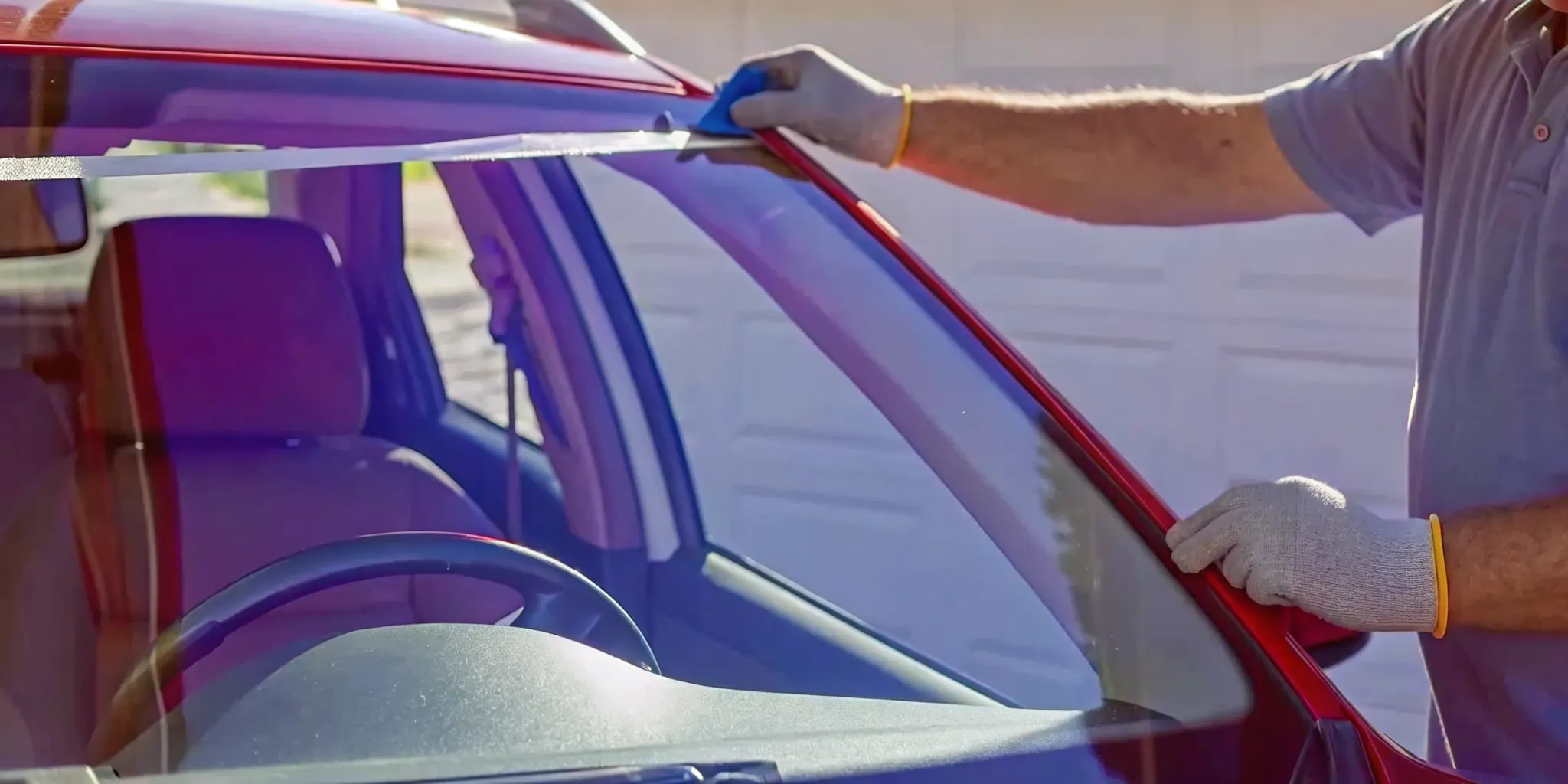
A slammed door, an early car wash, or driving too soon can put unnecessary stress on a freshly installed windshield. The first 48 hours matter because the adhesive needs time to cure and hold the glass securely in the vehicle frame.
Call or text Avision Auto Glass today if you notice a leak, wind noise, loose trim, or another concern after replacement.
Windshield replacement aftercare means protecting the fresh adhesive bond while it cures. Wait at least one hour before driving, follow your installer's instructions for protective tape, avoid slamming doors for 24-48 hours, and postpone high-pressure car washes. Report leaks, wind noise, gaps, loose trim, or sensor warnings promptly.
This first-48-hours checklist explains what to do, what to avoid, and when to contact your installer. Start with
Your first 48 hours of windshield replacement aftercare
Proper professional windshield replacement does not end when the expert finishes the job. The next two days are key for the safety of your car and the people inside. You must give the adhesive time to set so it stays strong and leak-free. After these simple steps, you will guard your new glass and keep your warranty in place. This short wait is worth the effort to keep your car safe on the road.
Wait before you drive
The main rule is to wait at least one hour before you start your car. The glue used to hold the glass needs this time to form a firm bond. If you drive too soon, the glass could shift or leak. This is the drive-away time that keeps you safe. Some types of cars or weather might need even more time to sit. Always ask your tech for their exact advice based on the heat and the parts used for your car.
Waiting is a key part of the work. If you have a fleet of cars, you know that downtime costs money. But skipping this wait can lead to much bigger costs later. A shifted windshield can even stop your airbags from working right in a crash. It is always best to let the car sit in a flat, safe spot for at least the first hour.
The first full day of care
During the first 24 hours, you need to watch how you treat your car doors. Air pressure can build up inside the car when you shut a door fast. This pressure can push against the fresh seal and cause it to fail. To stop this, you should keep one window open about an inch to let air out. This helps avoid pressurizing the cabin which could damage the new bond during the first day.
Close your doors with a soft touch. Slamming the door creates a shock that can move the glass. This is true for both small cars and large trucks. You want to keep the car as still as you can while the bond gets hard. This care makes sure that the seal stays tight for the life of the vehicle. That gentle approach reduces pressure on the fresh bond.
Also, leave the blue or clear tape on your car for at least a full day. This tape keeps the glass from moving while the seal is still soft. It may not look great, but it is a key part of the curing process. Do not pull it off early or touch the sticky edges. If you see the tape start to lift, do not worry, but let it stay as long as it can to do its job.
Avoiding stress on day two
By the second day, the seal is much stronger, but it is still not fully cured. You should still avoid high-pressure car washes for at least 48 hours. The strong jets of water can hit the seal and create small gaps. These gaps can lead to wind noise or water leaks inside your car. Hand washing is safer if you really need to clean your car during this window of time.
You should also skip using heavy sunshades or dash covers during this time. These items can lean against the glass and put pressure on the edges. In the Kansas City heat, the dash can get very hot. This heat can soften the seal again if it is not fully dry. Keep the area around the dash clear to help the air flow and cool the bond.
| Care Task | First Hour | 24 to 48 Hours |
|---|---|---|
| Driving status | Do not drive | Safe to drive |
| Window position | Keep one window open | Safe to close all windows |
| Car washing | No water | Hand wash only |
| Door use | Close with gentle touch | Normal door use |
| Retention tape | Leave tape on car | Remove after 24 hours |
How soon can you drive after windshield replacement?
Getting a new windshield is a key step for the safety of your car. But the job is not truly done the moment the glass is set. You must wait for the glue to bond before you hit the road. This wait time is known as the safe drive-away time.
Most pros suggest waiting at least one hour before you start your car. But some types of glue may need much longer to set. Safety groups like the National Highway Traffic Safety Administration often suggest a four-hour wait for a full cure. Moving too soon could mean the glass does not stay in place as it should.
The role of glue curing
The glue used to hold your glass in place is a strong urethane. It does more than just stop leaks or keep out the wind. It makes the glass a firm part of your car's frame. If you drive too soon, the glass could shift or even pop out during a crash. As the glue dries, it forms a tight seal that stops moisture from getting inside. That strong bond keeps your car safe and dry in any weather.
A firm bond is vital for your airbags to work right. It also helps the roof stay up if the car rolls over. While the glass looks solid right away, the bond inside is still soft and wet. Giving it time to dry ensures it can handle the stress of the road. If you skip this step, you risk the safety of everyone in the car. It is better to wait and be safe than to rush and have the seal fail.
Factors that impact wait times
Many things can change how fast the glue dries. Heat and moisture in the air often make the work go faster. Cold or dry air can slow it down a lot. Good shops use fast-curing glue to get you back on the road sooner.
Our team uses top-tier tools for every professional windshield replacement we do. We aim to make the work safe and fast for our Kansas City neighbors. If it is very cold or dry outside, your tech might tell you to wait an extra hour or two. This ensures the seal is strong enough to handle highway speeds and bumps.
First-day aftercare tips
Once you can drive, you still need to be careful with your car. For the first 24 hours, try to close your doors gently. Slamming a door can create a burst of air pressure that pushes against the fresh seal. It is a good idea to keep one window cracked open by an inch for the first day.
This lets air escape so the pressure stays low inside the cabin. You should also avoid car washes that use high-pressure water for at least two days. These small steps help the seal stay tight and leak-free for years to come. Always listen to the rules your tech gives you after our mobile windshield service is done.
Protect the seal, tape, and glass during the first day
Your new glass needs time to set. The first 24 hours are the most key part of your professional windshield replacement. During this time, the glue is still soft. You must be careful to keep the seal strong. If the glass moves even a tiny bit, it can lead to leaks or wind noise later. Good care now saves you from big fixes down the road.
Retention tape and the 24-hour rule
After a mobile windshield service, you will see blue or clear tape on the top of your car. This is called retention tape. It holds the glass in place while the glue dries. Do not pull this tape off early. You should leave it on for at least one full day. It may not look great, but it keeps the glass from shifting as the bond gets firm.
Also, try not to touch the tape or the area near the edge of the glass. The oils from your skin can mess with the bond. If it rains, the tape can handle the water. Just let it sit until the next day. After one day, you can peel it off slowly. This step is key for your windshield replacement aftercare.
- Wait at least one hour before driving.
- Follow your installer's instructions for protective tape.
- Avoid touching the adhesive near the glass edges.
- Close doors gently and avoid slamming them for 24-48 hours.
- Keep one window slightly cracked during the initial cure when advised.
- Postpone high-pressure and automatic car washes.
- Report leaks, wind noise, gaps, loose trim, or sensor warnings promptly.
Air pressure and door force
Air pressure is a hidden risk for new glass. When you shut a car door, air gets trapped inside. This creates a quick burst of force. If your windows are all up, that force pushes against the new seal from the inside. This can cause a gap to form in the glue. To stay safe, crack a side window about an inch. This lets the air escape when you shut the door.
You should also close your doors with care. For the first day, do not slam them. A gentle shut is all you need. This reduces the stress on the new bond. The NHTSA warns that a good seal is vital for your safety in a crash. Keeping the pressure low helps the glass stay exactly where the expert placed it.
Parking and dashboard habits
Where you park matters for your car. Try to park on a flat surface. If you park on a hill, the car's weight can put uneven stress on the frame. This might cause the glass to shift slightly. A level spot like a garage or a flat driveway is best for the first night. Flat ground keeps the glass even in its frame.
Also, keep your dashboard clear. Do not put heavy sunshades against the glass for at least two days. These shades can push on the new seal. You should also avoid putting covers over the outside of the car. Let the glass sit open to the air so it can dry. If you need to clean the inside of the car, wait a few days before you spray any cleaners near the new seal. This keeps the bond safe from harsh fluids.
When can you wash a car after windshield replacement?
After you get a new windshield, you may want to clean your car. But you must wait before you head to the car wash. Most experts say to wait at least 24 to 48 hours. This time lets the seal around your glass dry and set. Proper professional windshield replacement relies on a strong bond to keep you safe.
Wait for the seal to set
Your new glass is held in place by a strong glue called urethane. This glue needs time to cure. While it dries fast enough for you to drive, it is not fully hard right away. Experts suggest you avoid a high-pressure wash for two full days. This helps the seal stay tight against the car frame. A weak seal can lead to leaks or even air noise while you drive.
During this first day, you should also leave the tape on the glass. The tape helps hold the glass in place while the glue sets. Do not peel it off too soon. Keeping the glass still is a big part of windshield replacement aftercare. If you move the glass even a little, the seal might fail. A failed seal is a safety risk because the glass helps hold up the roof in a crash.
Dangers of high pressure
Machine car washes use powerful jets of water. These jets can hit the new seal with a lot of force. High pressure can push water under the seal or shift the glass. If the seal breaks, your windshield might not stay in place right. Per the National Highway Traffic Safety Administration, a loose windshield raises the risk of getting hurt in a wreck. The glass must be bonded well to protect everyone inside the car.
The soap used in many car washes can also be an issue. Some soaps have harsh chemicals. These can break down the fresh glue before it is fully hard. If you must wash your car, avoid the big machines. Stick to a simple rinse if you can. But the best plan is to wait 48 hours to be safe. This small wait makes sure your car stays dry and your glass stays put.
Rain and hand washing
You might worry if it starts to rain right after your service. The good news is that rain is usually okay. Rain falls with much less force than a car wash jet. It will not hurt the seal. In fact, some moisture can even help certain glues dry faster. If you get our mobile windshield service and it rains later that day, your car should be fine.
If you need to clean a spot on the glass, do it by hand. Use a soft cloth and a gentle touch. Do not press hard on the glass or the seal. Avoid the edges of the windshield where the glue is still soft. A gentle hand wash is much safer than a machine. Just keep it quick and stay away from the fresh trim. Once the two days are up, you can go back to your normal cleaning routine.
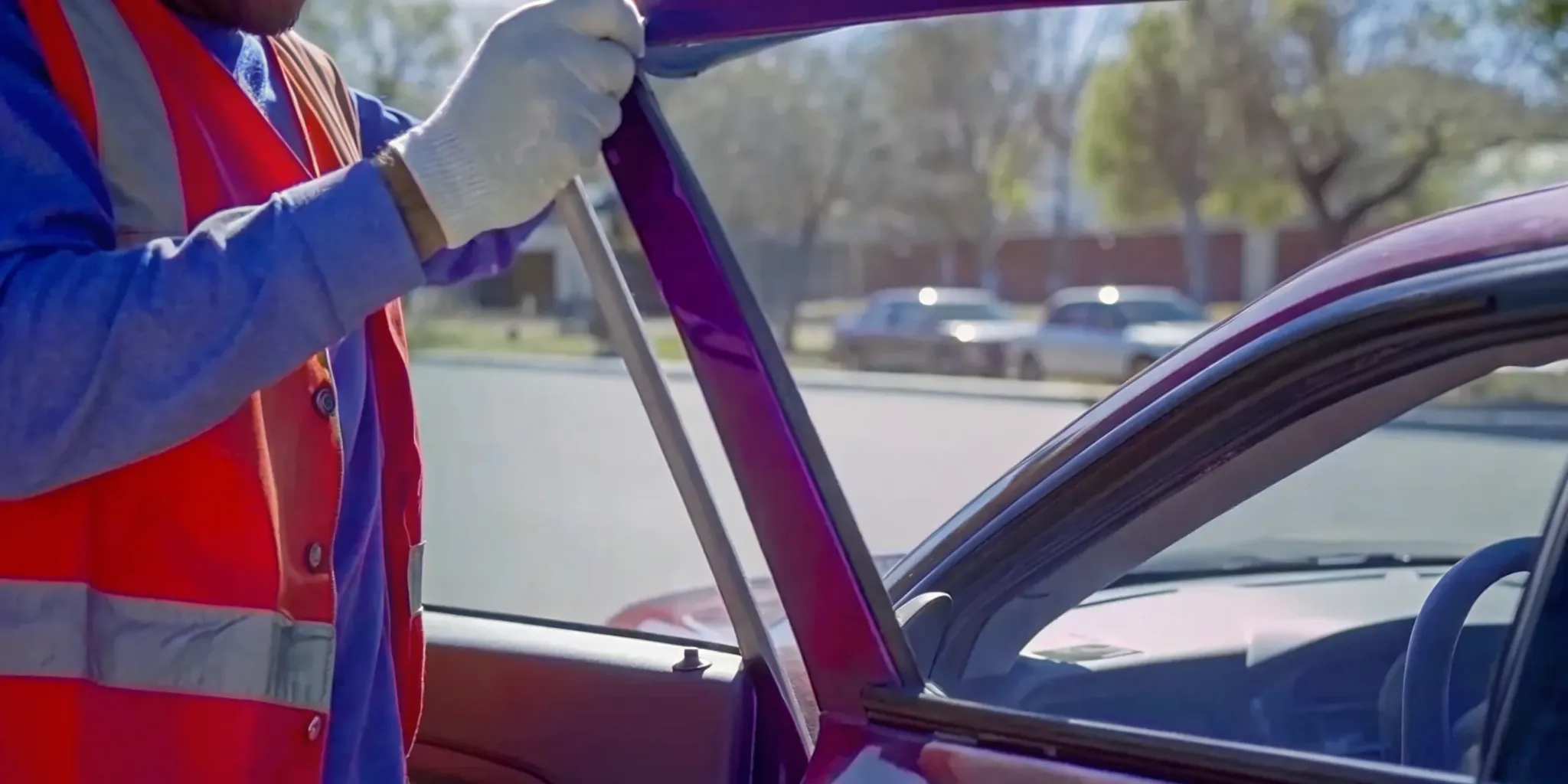
Warning signs to report to your installer
Most auto glass jobs go smoothly when you follow basic windshield repair vs replacement steps. But you should watch your car closely for a few days. If you notice any of the signs below, call your shop right away to fix the issue before it gets worse.
Water leaks and wind noise
A new seal should be tight and quiet. If you hear a whistling or rushing sound while driving, air may be getting through a gap. This usually means the glue did not bond well to the frame. You should also check for water inside the car after it rains. Wet spots on the dash or floor can mean the seal has a leak.
Water leaks are a serious issue for your car's safety. According to the National Highway Traffic Safety Administration, a poor bond can make the glass move during a crash. This raises the risk of injury for everyone inside. Reporting these leaks early helps keep the cabin dry and the glass secure.
Visible gaps or loose trim
Walk around the car and look at the edges of the new glass. The black trim pieces should sit flat against the body of the car. If you see gaps or trim that looks wavy, the glass might not be in the right spot. Loose parts can shake or even fly off when you drive at high speeds.
Check the retention tape that holds the glass in place. You should leave this tape on for at least 24 hours to keep the glass from shifting while the glue dries. If the tape peels off early and the glass looks like it moved, do not try to push it back yourself. Let a pro handle the professional windshield replacement check to ensure it stays in place.
Sensor and camera issues
Many modern cars use cameras and sensors that look through the windshield. These parts help with safety features like lane keeping and crash alerts. If these systems show a warning light on your dash, the glass or the camera might be out of line. You may need a tech to look at the setup to make sure everything works.
Issues with these safety tools often happen if the glass is slightly off or if the recalibration was not finished. It is best to reach out to your mobile windshield service expert to scan the system. They can check if the sensors can see the road correctly to keep you safe on the Kansas City roads.
Protect your new windshield beyond the first 48 hours
The first two days are key for a fresh windshield. But your care should not stop once the tape comes off. Long-term windshield replacement aftercare helps your glass stay clear and firm in its frame. Proper care ensures the seal does not fail over time. You should keep an eye on your car for many days to catch any signs of leaks or noise.
Keep the seal and glass clean
Wait at least 48 hours before you go to a high-pressure car wash. These washes use strong jets that can hurt a fresh seal before it is fully set. If you must wash your car, do it by hand with a soft cloth. You should also skip using heavy sunshades or dash covers for the first few days. These items can push against the glass and stress the bond.
You should also keep your wipers in good shape. Old or dirty wiper blades can scratch the new glass. Check the rubber and replace them if they are split or hard. This simple step keeps your view clear and protects the glass. Keeping the windshield clean also helps safety sensors work as they should.
Use quality wiper blades
Good wipers are vital for your safety on the road. They sweep away rain, snow, and dirt so you can see. If your blades are old, they can leave streaks or skip across the glass. This can make it hard to see in bad weather. Streaks can also confuse the safety cameras that look through your glass.
Replace your wiper blades at least once a year. When you install a new windshield, it is a great time to get fresh blades too. This ensures the soft rubber sweeps cleanly over the smooth glass. It is a quick and cheap way to protect your new investment and stay safe.
Watch for chips and cracks
Even with great care, rocks can still hit your glass on the road. If you get a chip, do not wait to fix it. A small chip can quickly grow into a large crack, especially in hot or cold weather. Fixing a chip early is much cheaper and faster than replacing the whole glass again.
Avision Auto Glass offers quick mobile windshield repair across the metro area. We can often fix a chip in less than 30 minutes. That fast work stops the damage from spreading. It keeps your seal safe and extends the life of your windshield.
Rely on a lifetime warranty
When you choose a professional shop, you get more than just a piece of glass. You get peace of mind. We back our work with a lifetime workmanship warranty. This warranty protects you if the seal fails or leaks over time.
If you have any issues with your new glass, reach out to us. We will inspect the work and make it right at no cost to you. That written guarantee shows our focus on quality and safety. We are proud to serve drivers across Kansas City with reliable, mobile-first service.
Ready to set up your next windshield replacement?
If you have a cracked windshield or need a chip repaired, do not wait. A safe car starts with a clear, solid windshield. Our mobile team is ready to help you anywhere in the Kansas City area.
Call or text Avision Auto Glass today to get a free same-day quote. we offer next-day mobile service to get you back on the road safely and quickly.
