
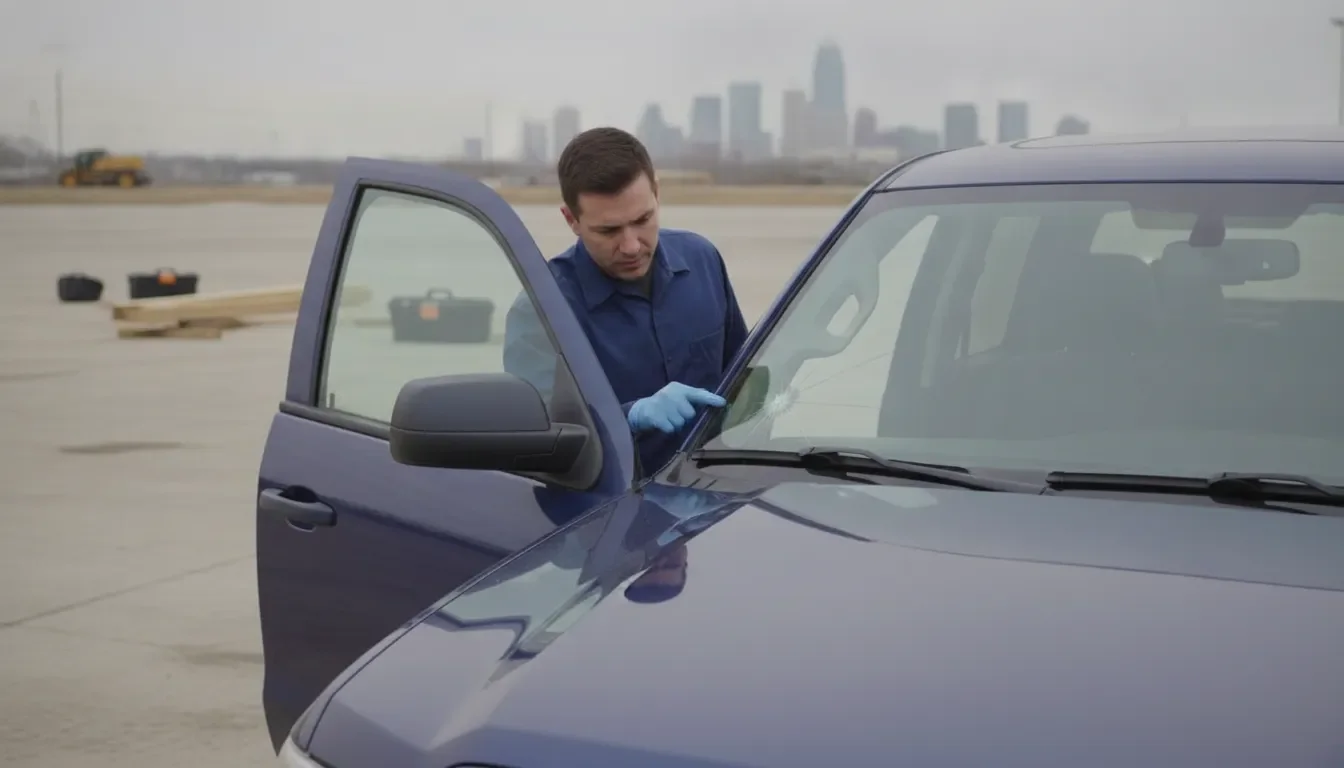
A windshield claim may be harder to assess when important facts are missing, the damage changes before it is documented, or work begins before the insurer explains its process. If you are asking what voids windshield insurance claim coverage, the practical answer is that there is no universal checklist that decides every case. Your policy, the reported facts, and the carrier’s review determine whether a particular loss is covered.
What does “voiding” a windshield claim actually mean?
A disputed or limited claim is not automatically the same as a void policy. An insurer may ask for more information, question whether the damage matches the reported event, apply a deductible, or decide that the policy does not cover a particular loss. Those outcomes differ from canceling a policy. Ask the carrier to identify exactly what it decided, explain the reason in writing, and point to the policy terms it applied.
People sometimes use “void” to describe a delayed, questioned, or denied claim. Do not assume that a question from an adjuster means all coverage is lost. Ask whether the concern applies only to this claim or affects the policy more broadly, and ask what review options are available if you disagree.
This guide focuses on preventing avoidable record and process problems around a windshield loss. It is not a step-by-step claim-filing or claim-appeal guide, and it cannot determine whether a particular policy covers your damage. If the insurer has already made a decision, ask for its written explanation and address the stated reason directly.
Which actions may complicate a windshield insurance claim?
Some gaps can make it harder for an insurer to assess what happened, when the damage appeared, and what work may be needed. They do not automatically defeat a claim. Their effect depends on the contract, the circumstances, and the information available to the carrier.
Waiting to report the damage
Policies may state how and when a loss must be reported. A long delay can make it harder to establish when damage occurred or whether it changed after you first noticed it. If you see a chip or crack, record the date you noticed it, take clear photos, and ask the insurer how to report it. If time has already passed, report the damage now and give an accurate timeline rather than guessing or leaving the date unexplained.
For example, suppose you first notice a small chip during a weekend and call the insurer several days later. Your record can simply state when you first saw it, when you called, and whether you know of an event that caused it. Do not describe a suspected cause as certain if you did not witness it. If the insurer asks why you waited, answer truthfully and provide relevant context.
Giving an incomplete or inconsistent account
Separate what you know from what you do not know. If you cannot identify when a chip appeared, say so. Do not invent a date, cause, or detail to sound certain. If you later notice an error in an account you gave, contact the insurer and ask how to correct the record. A prompt correction with an explanation is more useful than repeating information you now believe is inaccurate.
Write down the basic facts while they are fresh: when you first noticed the damage, where the vehicle was, what you observed, and whether you know of a specific event. Keep the description consistent across calls and forms, but accuracy matters more than repeating an earlier mistake. If the form asks for a detail you do not know, ask the carrier how to answer rather than filling in a guess.
Failing to preserve useful photos and records
Photos can help show the condition of the glass when you first noticed the damage. Take close views and wider views from more than one angle, including a view that places the damage on the vehicle. Save the original files and note when they were taken. Avoid cropping away context or adding marks to the only copy. If you take additional photos later, keep them as a separate set so the timeline stays clear.
Keep the claim number, correspondence, estimates, receipts, and written instructions together. If a technician inspects the vehicle or explains recommended work, request a written estimate or report that you can share with the carrier. Avision’s before-and-after glass photo gallery shows examples of glass work; for your claim, dated photos of your own vehicle are the useful evidence.
Make a simple record rather than relying on memory. A note can include the date, the person or department you contacted, the question you asked, the answer, and the next step. Save emails and text messages in their original form. If a representative gives important instructions by phone, politely ask where you can find them in writing or send a short follow-up message summarizing your understanding.
Starting work before checking the insurer’s process
Some insurers may ask for an inspection, photographs, or approval before repair or replacement begins. Proceeding without asking can lead to a disagreement about documentation, cost, or required steps. When safe and practical, contact the insurer first. Ask whether it needs to inspect the vehicle and what records you should keep before work starts.
If the glass presents an immediate safety concern, do not use this article as a reason to keep driving or delay appropriate action. Explain the situation to the insurer, ask for urgent guidance, and document the condition and steps taken. Keep receipts and notes of conversations. If repair or replacement is being considered, Avision’s windshield repair information and replacement overview describe service options, but the insurer must explain its own claim requirements.
Assuming all policies treat glass damage alike
Coverage depends on the policy terms, selected coverages, deductible, and facts of the loss. A policy may treat repair differently from replacement, and a deductible may affect what the insurer pays. A general online statement cannot guarantee that a specific loss is covered. Ask the carrier to confirm which coverage applies, whether a deductible or limit matters, and whether proposed work requires authorization.
Do not treat an estimate as a promise of insurance payment. A service estimate describes proposed work and charges; a coverage decision addresses what the carrier may pay after its review. If you are assessing whether a chip may be a repair candidate, Avision’s chip repair service details can help you understand the service category. Confirm the coverage decision and any payment terms with the insurer.
Misrepresenting facts or changing records
Provide truthful information and original records. Do not alter a photograph, estimate, receipt, date, or description to influence a decision. If a document is missing, explain that and ask what alternatives the insurer can consider. If a form requests something you do not know, ask the carrier how to respond instead of entering a guess.
Keep separate copies of documents if you need to add notes for your own use. Do not write on or edit the original file you plan to submit. If you discover that an estimate or photo includes a mistake, tell the insurer what is wrong and provide the corrected item with a clear explanation. The goal is a reliable record, not a record that makes the damage appear more certain than it is.
How can you protect the claim record from the first day?
A chronological file makes follow-up questions easier to answer. Keep first photos, reporting dates, the claim number, estimates, and written instructions together. A basic timeline also helps distinguish what you observed at the beginning from anything that changed later.
- Record your first observation. Note when you first saw the damage, where the vehicle was, and any event you personally know about. Mark uncertainty plainly.
- Photograph the glass promptly. Capture close and wide views in good light. Keep the original images and note the date.
- Report through the insurer’s stated channel. Follow the notice instructions in your policy or from the carrier and save the confirmation or claim number.
- Ask what must happen before work. Find out whether the insurer needs an inspection, photos, an estimate, or advance approval.
- Save each document in one place. Keep estimates, invoices, messages, forms, and call notes together, preferably in date order.
- Request an explanation if something is questioned. Ask which policy provision and facts support the concern, and what information the insurer still needs.
Consider using a folder with a few labeled sections: “photos,” “insurer,” “estimates and invoices,” and “timeline.” If you receive a new instruction, add it with the date rather than replacing the earlier note. This small habit can make it easier to answer questions weeks later and to spot a misunderstanding before it grows into a larger record gap.
If the damage changes, preserve the earlier record and create a new entry rather than treating the later condition as if it were present from the start. For instance, if a small chip becomes a longer crack before the vehicle is assessed, note when you first noticed the change, take a fresh set of photos, and tell the insurer what you observed. Do not edit the original pictures to make them resemble the new condition. A clear before-and-after sequence may help explain why the current estimate differs from what you initially reported.
Before sending a packet of documents, check that each item is readable and belongs to the correct vehicle and claim. Keep a copy of what you submit, note the submission date and method, and ask whether the insurer received it. If you send several files, provide a short list such as “first photos,” “updated photos,” and “repair estimate,” so the reviewer can see what each file represents. If you do not have a particular record, state that plainly instead of implying it exists.
For service context, see Avision’s auto glass service information and Kansas City service area overview. Those pages describe service availability, not insurance coverage; your insurer remains the source for policy requirements and claim status.
What should you ask the insurer before authorizing work?
Specific questions can clarify what the insurer expects before work begins. Write down the answers and ask for written confirmation when an instruction is given by phone. If the answer is unclear, repeat what you understand and invite the representative to correct it.
- What notice process and timing apply to my policy?
- Do you need photographs, an inspection, or an estimate before work begins?
- Does my policy cover this type of damage, and what deductible or limit applies?
- What provider-choice and documentation requirements apply?
- How should I proceed if the damage changes or there may be a safety concern?
- Which work or costs require approval, and how should I submit the estimate?
- If coverage or payment is questioned, which policy language and facts are relevant?
Note the answer and date for each question. Do not rely on a service provider’s estimate as a guarantee of insurance payment. Likewise, do not assume a general statement about glass coverage applies to your particular contract. Ask the carrier to explain your policy and the next step for your claim.
What if the insurer questions or denies the claim?
Ask for the decision and its reason in writing. Compare that explanation with your policy documents, the information you submitted, and your timeline. Check for factual errors, missing records, or a request you may have misunderstood. Then ask what additional information the carrier will review and whether it offers a formal reconsideration or appeal process. This is different from assuming that any one record gap automatically voided coverage.
If the explanation refers to an event date, compare it with your notes and explain any uncertainty. If it concerns the kind of work proposed, ask the service provider to clarify the estimate and ask the insurer what it needs to evaluate that difference. If it refers to a policy term, request the exact wording and ask how the carrier applied it. Keep each question focused on the stated issue rather than sending unrelated records without context.
The Kansas Insurance Department provides consumer information about insurance in Kansas. If your policy is issued in another state, consult that state’s insurance department for its consumer assistance resources. A state agency’s information does not replace legal advice or determine the outcome of an individual claim.
How should you compare a service estimate with an insurance decision?
A service estimate and a coverage determination answer different questions. The estimate describes the vehicle, the proposed work, and its charges. The insurer’s decision addresses what the policy may pay after the carrier reviews the loss. Ask the service provider to explain the proposed work; ask the insurer to explain covered amounts, the deductible, and any steps it requires before authorization.
Check that the estimate identifies the vehicle and the proposed glass work. If the insurer’s estimate differs, ask what accounts for the difference and whether more information is needed from the provider. A higher or lower estimate, by itself, does not establish whether a claim is valid or invalid. Keep revised estimates with their dates so you can tell which version each person reviewed.
If you are arranging an estimate in Johnson County, Avision’s Johnson County service information is available alongside its repair and replacement details. Share any insurer instructions before scheduling, so you can ask whether records or an inspection should be handled first.
When you need to discuss glass work separately from the coverage question, contact Avision Auto Glass or call (913) 314-5720. A quote can help you understand proposed service; it does not establish that an insurer will pay for it.
Request a quote for your glass damage or call (913) 314-5720 to discuss service options.
Frequently asked questions
Can a late report automatically void a windshield claim?
Not necessarily. Notice requirements and the effect of delay depend on the policy and circumstances. Report the damage, give an accurate timeline, and ask the insurer how the delay affects its review.
Can I repair a windshield before the insurer inspects it?
That depends on the carrier’s process and the circumstances. Before work begins, ask whether it requires an inspection, photos, or approval. If a safety concern affects timing, explain that to the insurer and keep records of the condition and actions taken.
Does an incomplete photo record mean the claim will be denied?
No single answer applies to every claim. Photos may help document damage, but the insurer considers the policy and available facts. Submit what you have, explain any gaps, and ask whether other records or an inspection can help.
Does a denied glass claim mean my policy is canceled?
A claim decision and policy cancellation are separate matters. Ask the insurer to state exactly what it decided and whether that decision concerns this claim, the policy, or both.
Keep the next step clear
When a windshield claim raises questions, report facts accurately, preserve available records, and ask the insurer to explain its requirements and decision. Coverage depends on the policy and carrier, so confirm your specific next step before authorizing work whenever circumstances allow.
