
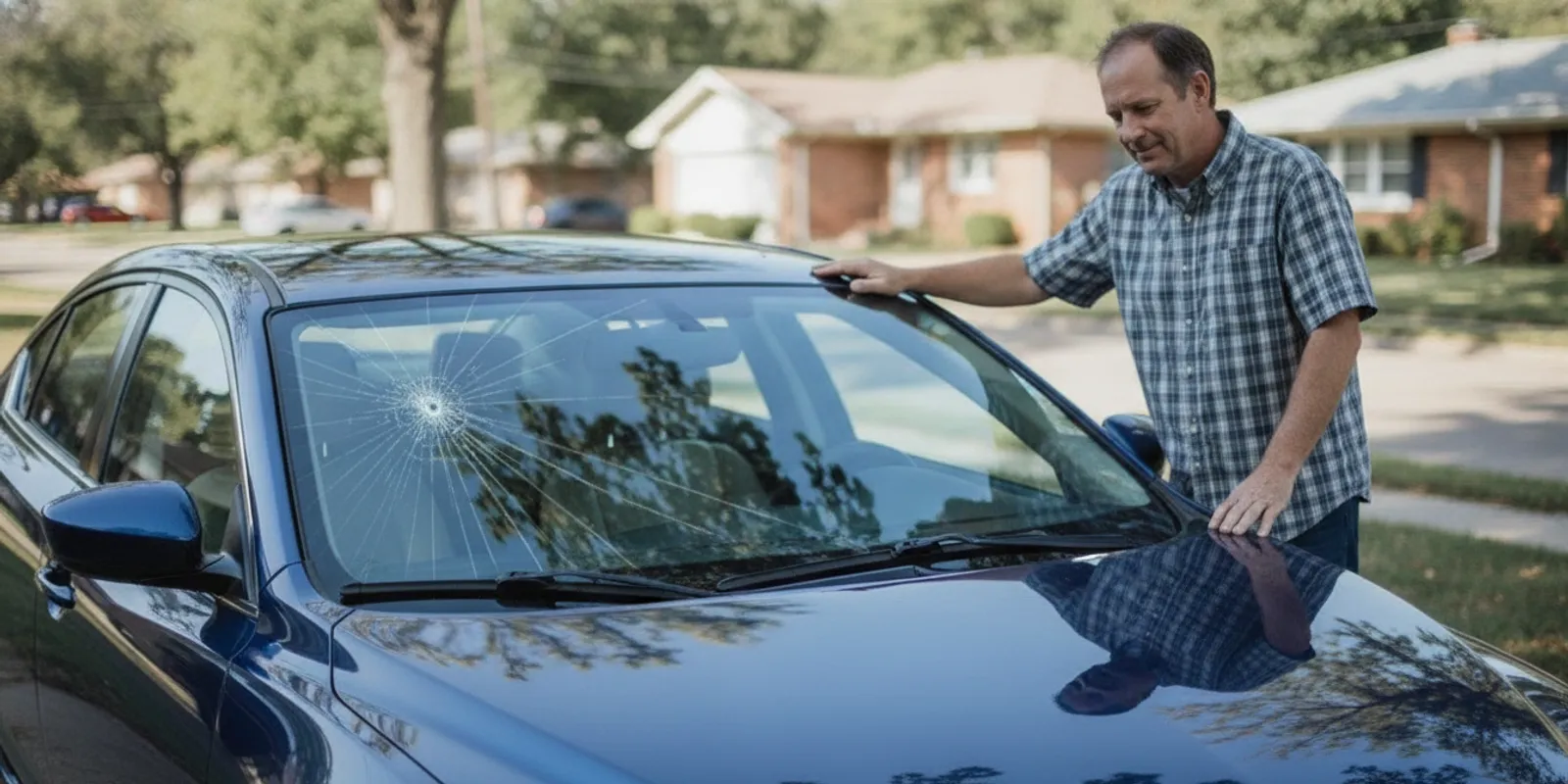
A cracked windshield can leave you wondering what to do next, especially if you plan to contact your insurer. The right steps are to protect your safety, document the damage, ask your insurance company what your policy covers, and then arrange an inspection or service based on its guidance. What to do when windshield cracked insurance questions come up depends on the damage and your specific policy, so avoid assuming a repair or replacement will be covered.
Is it safe to drive with a cracked windshield?
First, consider whether the damage is affecting your view or making the glass appear unstable. A crack in the driver’s line of sight, spreading damage, loose glass, or a windshield that seems to be separating from its frame deserves caution. Do not press on the damaged area or try to test its strength.
If visibility is reduced, the crack is growing quickly, or you are unsure whether the vehicle can be driven safely, avoid driving it until you have received appropriate advice. If you must move the vehicle out of an immediate hazard, do so only when you can see clearly and it is safe to operate. Keep passengers away from damaged glass, and do not use forceful cleaning or defrosting on the affected area.
A chip or short crack may seem minor, but changes in temperature, road vibration, and impacts can make damage worse. There is no single rule that makes every damaged windshield safe or unsafe to drive on. The location, size, and condition of the glass matter; a qualified glass professional can assess the damage. For general vehicle safety guidance, see the National Highway Traffic Safety Administration.
What should you document before calling your insurer?
Capture a clear record before the damage changes, if you can do so safely. Park in a safe place and take photos from outside and inside the vehicle. Include a wider view that shows where the damage sits on the windshield and close-ups from more than one angle. Avoid leaning on or touching the glass to get a picture.
- Photograph the full windshield and the damaged area in good light.
- Note when you first noticed the crack and where the vehicle was.
- Write down what you know about how it happened, without guessing if you are unsure.
- Save relevant receipts, claim correspondence, and service estimates.
- Record the vehicle year, make, model, and any features you know are built into the windshield.
Keep the original photos rather than editing them. If the damage changes before your appointment, take another set and note the date. Documentation can help you explain the situation, but it does not determine whether a claim is covered or approved. A simple timeline can help: write the date and time you first noticed the damage, what you observed, and any later changes. Keep those notes with the claim number and the insurer’s instructions so you can give consistent information during follow-up calls.
It can also help to organize the information in one place before you call. Keep the photos, your notes, policy documents, and any estimate together, either in a folder or on your phone. If another driver or passenger saw the incident, note their contact details and what they observed, if relevant. Do not delay seeking safety advice just to complete a perfect record; document what you reasonably can, then follow the insurer’s directions.
What should you ask your insurance company?
Contact your insurer or agent using the number or claim channel provided on your policy documents. Explain that the windshield is cracked, describe where the damage is, and ask what steps the insurer expects before work is scheduled. If you have already opened a claim, use the claim number when you call.
Useful questions include:
- Does my policy include glass damage, and what deductible or other out-of-pocket amount may apply?
- Do I need to open a claim or receive authorization before arranging service?
- Can I choose the glass service provider, or are there process requirements I should follow?
- Does the insurer need photographs, an inspection, or an estimate?
- How should I confirm what is covered and what I may owe?
- Will the claim affect anything else under my policy? Who can explain that for my situation?
Coverage, deductibles, claim steps, and provider choices vary by policy and insurer. Ask the insurer to explain your specific terms and, when possible, keep the answer in writing. Do not assume that a zero deductible applies, that a claim must be filed, or that the insurer will pay for a particular repair until the insurer confirms it. If the insurer directs you to a network or claims administrator, ask who makes the coverage decision, what information each party needs, and whether you should keep copies of estimates and correspondence. Record the date of each conversation and the name or department of the person you spoke with, if available.
Before ending the call, repeat back the next steps so you can check that you understood them. For example, confirm whether you should submit photos, wait for an inspection, or obtain an estimate before booking work. Ask how the insurer will communicate its decision and how long you should wait before following up. If a representative gives instructions by phone, ask whether the key points can also be sent through the insurer’s secure portal or by email. Keep the insurer’s response with your claim records; this makes it easier to distinguish a coverage decision from a preliminary estimate or general explanation.
How do you ask whether repair or replacement is appropriate?
Ask a glass professional to inspect the damage and explain whether repair is feasible or replacement is recommended. A repair may be possible in some situations, while damage in a critical viewing area, damage that is too extensive, or certain crack patterns may call for replacement. The professional should consider the vehicle and the actual condition of the windshield rather than promise a result from a photo alone.
Before deciding, ask:
- Can this damage be repaired, or is replacement the safer or more appropriate option?
- What factors in the location, size, or spread of the crack affect that recommendation?
- What work is included in the estimate, and are there any additional items to discuss with my insurer?
- Does my vehicle have a camera or driver-assistance feature that may require calibration after replacement?
- What should I do if the damage worsens while I wait?
Do not choose a repair solely because you expect it to be cheaper or covered. First confirm that the work is suitable for the damage and ask the insurer how the option fits your policy. For more background, review Avision’s windshield repair information and windshield replacement details. Ask the provider to explain what the estimate does and does not include. If replacement is recommended, ask whether vehicle-specific equipment or calibration needs to be considered, and request that the recommendation be documented for your insurer.
When comparing an estimate with the insurer’s instructions, look for the same scope of work in both. Confirm whether the estimate is for a repair or full replacement, whether any vehicle-specific features have been noted, and whether taxes or related work are listed separately. If the insurer has a preferred process, ask the provider how to share the estimate or inspection findings with the claims contact. Do not treat a preliminary price as a promise of reimbursement; get the insurer’s explanation of the amount it may pay and any amount that remains your responsibility.
A useful way to keep the decision clear is to separate three questions that are often blended together: what the damage needs, what the insurer will consider, and what you choose to authorize. The technician’s inspection addresses the condition of the glass. The insurer explains policy requirements and any potential payment. You decide whether to proceed after you understand the scope, timing, and expected responsibility. If those answers do not match, pause and ask both parties to clarify before work begins.
How should you schedule service after speaking with the insurer?
Once you understand the insurer’s instructions, share the claim status or authorization details with the service provider if relevant. Ask what information is needed to prepare an estimate and what appointment options are available. Avision Auto Glass provides mobile auto glass service in the Kansas City area, so you can ask whether service at your home or workplace is available for your location and vehicle.
When arranging an appointment, have these details ready:
- Vehicle year, make, model, and any relevant windshield features.
- A brief description of the damage and when you noticed it.
- Your insurer’s name and claim number, if a claim has been opened.
- Any instructions or documents your insurer has provided.
- Your preferred location and times when the vehicle can be inspected or serviced.
Ask the provider to explain the estimate and the next steps before authorizing work. Review the auto glass replacement service details if you are comparing service options, and check the Kansas City service area for local context. The auto glass FAQs may also help you prepare. Before the appointment, confirm where the vehicle will be parked, whether the provider needs access to keys, and how the estimate or insurer paperwork will be shared. Keep your own copies and ask who to contact if the appointment time or damage condition changes.
If mobile service is being considered, describe where the vehicle will be parked and whether the location is accessible for the appointment. Ask what conditions the provider needs in order to inspect or work on the vehicle, and whether you should move personal items away from the windshield area. Confirm the appointment window and how to notify the provider if the vehicle cannot be moved or the damage changes. These small details help prevent avoidable delays and give the provider the information needed to plan the visit.
Make a short checklist for the day of service: have the claim number and written insurer instructions available, ensure the vehicle is at the agreed location, and be ready to discuss the estimate before authorizing the work. If someone else will meet the mobile technician, share the relevant details with that person in advance. After the visit, keep the estimate, invoice, and any completion notes together with the claim correspondence. If the insurer later asks for documentation, having the service records organized can make it easier to respond accurately.
What if the crack changes while you wait?
Check the windshield visually before driving, without touching or pressing the damaged glass. If the crack spreads into your line of sight, visibility becomes poor, or glass appears loose, stop using the vehicle and seek guidance. Tell both the insurer and service provider that the condition has changed. If you are unsure whether the vehicle is safe to move, choose a safer alternative rather than taking a chance.
Keep the vehicle out of conditions that may worsen the damage when practical. Avoid slamming doors, sudden temperature changes, and rough roads where possible. These measures cannot guarantee that the crack will stay the same, so do not let temporary precautions substitute for an assessment. If you must leave the vehicle parked until it is assessed, choose a safe location and avoid placing items against the damaged area. Take a fresh photograph if the damage changes, and update the service provider before the appointment so the inspection can account for its current condition.
If an appointment is already booked, do not assume the original plan still fits after a significant change. Send the updated description or photo through the channel the provider recommends and ask whether the appointment should proceed as planned. If an insurer has already reviewed earlier photos, let the claims contact know that the damage has changed and ask whether it needs updated documentation. Keep the new information factual: describe what changed and when you noticed it, without trying to predict the repair outcome.
For instance, if a short line becomes noticeably longer after a cold morning, record the new appearance and time, then report the change before driving or going ahead with the appointment. Do not try to seal, bend, or press the crack yourself. If the new damage blocks your view, treat that as a safety issue first; sorting out paperwork can wait until the vehicle is in a safe situation. A fresh assessment may change the recommendation, so make sure the professional sees the current condition rather than relying only on an older photo.
Request a free same-day quote or call (913) 314-5720
Frequently asked questions
Should I call my insurer before booking windshield service?
Ask your insurer whether it requires a claim, authorization, inspection, or other step before service. The process differs by policy, so getting instructions first can help you avoid confusion about coverage and payment.
Will insurance pay for windshield repair or replacement?
That depends on your policy, deductible, claim circumstances, and the insurer’s decision. Ask the insurer to explain your specific coverage and any amount you may owe before authorizing work.
Can I get an estimate before a claim is approved?
You can ask a glass provider what information it needs to prepare an estimate, but check with your insurer about its process and whether it needs to review the estimate first. An estimate is not the same as a coverage decision.
What if I do not know how the windshield cracked?
Tell the insurer and service provider what you observed and say plainly when the cause is unknown. Avoid guessing; document when you noticed the damage and provide the photos you took.
For Kansas City drivers, the practical sequence is simple: protect your visibility, document the damage, confirm your policy steps with your insurer, and arrange an assessment before authorizing work.
