
Heavy Equipment Glass Chip Repair: Fix or Replace?
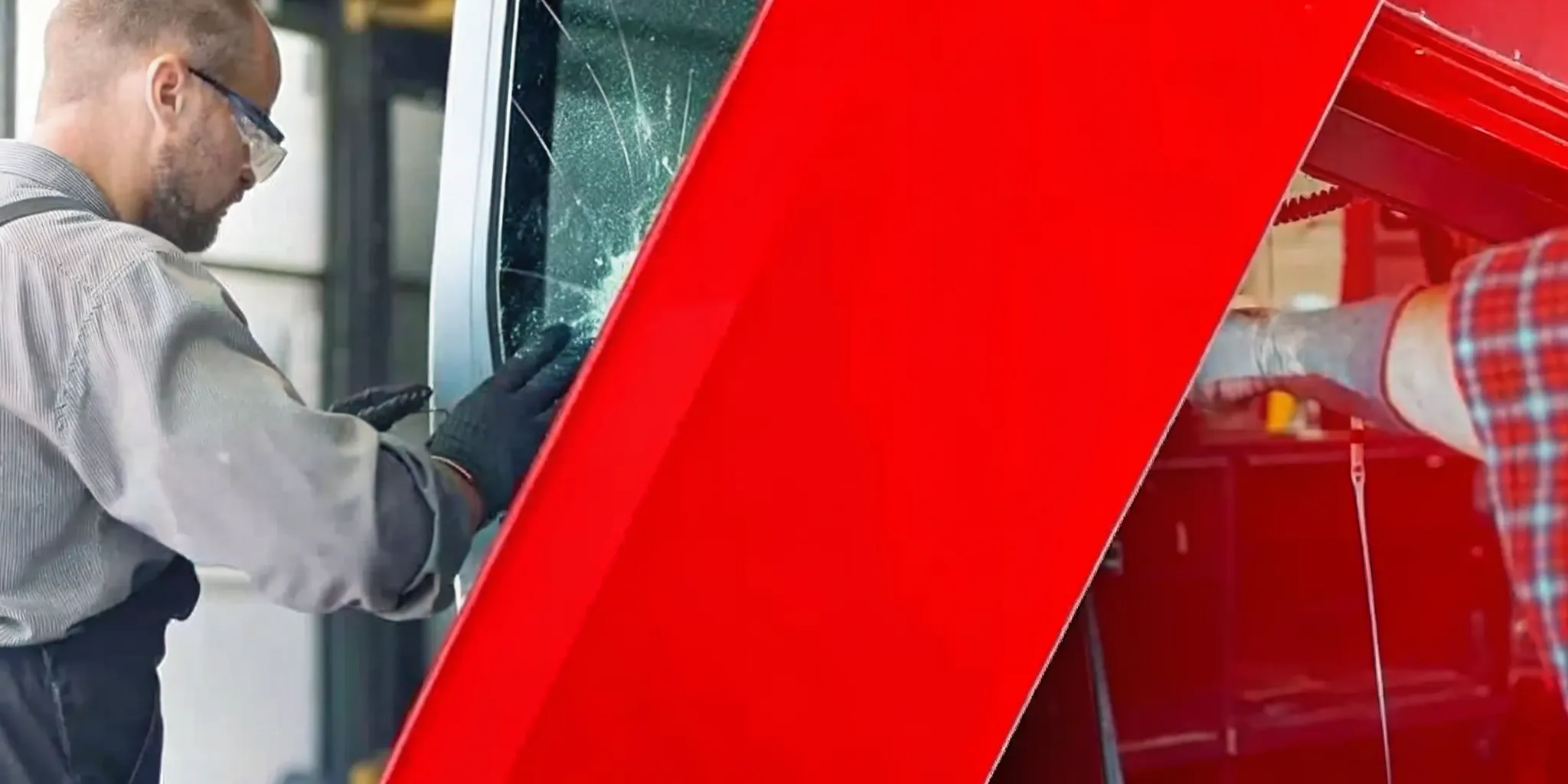
The glass in your heavy equipment is more than just a window; it’s a critical safety component that protects the operator and maintains the structural integrity of the cab. When that barrier is compromised by a chip or crack, it’s not just a cosmetic issue, it’s a safety risk. A seemingly small point of damage can weaken the entire pane, making it vulnerable to shattering under stress. Understanding the importance of a proper heavy equipment glass chip repair is the first step toward maintaining a safe work environment. This guide will help you identify when a repair is a safe option and when a replacement is non-negotiable to keep your team protected.
Key Takeaways
- Address Minor Damage Quickly: Fixing a small chip as soon as you spot it is the best way to prevent it from spreading into a large crack. A quick, professional repair can save you from the higher cost and longer downtime associated with a full glass replacement.
- Trust a Professional for a Lasting Fix: While DIY kits seem convenient, they often fail and can compromise the structural integrity of the glass. A certified technician uses high-quality resin and proven techniques to ensure a safe, durable repair that protects your operator and your equipment.
- Know the Repair vs. Replace Guidelines: A repair is usually a great option for chips smaller than a quarter or cracks under a few inches long. However, if the damage is in the operator's direct line of sight or near the edge of the glass, a replacement is the safest choice.
What Is Heavy Equipment Glass Chip Repair?
When you’re running heavy machinery, the last thing you need is a work stoppage because of a rock chip or crack in the glass. Heavy equipment glass chip repair is a process that fixes minor damage by injecting a special resin into the affected area. This resin cures and hardens, restoring the glass's structural integrity and clarity. It’s a practical solution that stops the damage from spreading and gets your equipment back in service quickly, often without needing a full, costly replacement. Think of it as a first-aid kit for your equipment's glass, designed to handle the tough conditions of any job site.
Common Types of Glass Damage
Glass damage on heavy equipment comes in a few common forms, from simple scratches to more complex breaks. You might see a "bull's eye," which is a circular chip, or a "star break," which has small cracks radiating from a central point. Sometimes, you get a combination of the two. Each type of damage has its own characteristics, and understanding what you're looking at is the first step toward a solution. The severity and location of the chip or crack are crucial factors that help a technician determine whether a simple repair will do the trick or if a full replacement is the safer option for your machinery.
Repair or Replace? How to Decide
Deciding between repair and replacement comes down to a few key factors. First, consider the size of the damage. A small chip or a crack that's just a few inches long can often be repaired effectively. Next, look at the location. If the damage is directly in the operator's line of sight, a replacement might be necessary to avoid visual distortion. However, if it's off to the side, a repair is usually a great option. A professional assessment of your heavy equipment glass can save you time and money by confirming if a quick and durable repair is possible.
Busting Common Myths About Chip Repair
There are a lot of misconceptions floating around about glass repair. One common myth is that a repaired spot is weaker than the original glass. In reality, the quality resins used in modern repairs create a permanent bond that restores the glass's strength. Another myth is that repairs aren't safe, but a properly executed fix actually brings back the glass's structural integrity. People also think that if a crack is larger than a dollar bill, it's unfixable. While some large cracks do require a replacement, many can still be effectively repaired by a skilled technician, preventing them from spreading further.
How to Assess Damage to Your Heavy Equipment Glass
When you spot a chip or crack in your heavy equipment's glass, it’s easy to start thinking about downtime and costs. But before you do, take a moment for a quick, careful assessment. Inspecting the damage yourself helps you understand whether you’re looking at a simple repair or a full replacement. It also means you can give a clear, accurate report to a professional technician, which helps speed up the entire process. Taking these few steps can save you time and get your equipment safely back in service sooner.
Your Step-by-Step Damage Checklist
Figuring out what you’re dealing with is easier than you think. Before you pick up the phone, run through this simple checklist to get a clear picture of the damage. First, gently clean the glass around the chip or crack to remove any dirt or debris. Then, take a closer look at the size, type, and depth of the damage. Is it smaller than a quarter? Can you feel the chip with your fingernail? Note whether it’s a circular “bull’s-eye” chip or a “star break” with small cracks radiating from the center. Finally, check if any cracks are spreading from the initial impact point. This information is exactly what a technician needs to provide an accurate quote for auto glass services.
Why the Chip's Size and Location Matter
Not all glass damage is created equal, and the size and location of a chip are the two biggest factors in determining if a repair is possible. Generally, chips smaller than a quarter and cracks shorter than a few inches are good candidates for repair. Anything larger often compromises the structural integrity of the glass, making a full replacement the only safe option. The chip’s location is just as important. If the damage is directly in the operator’s line of sight, a replacement is almost always necessary because even a perfect repair can leave a minor distortion. Damage near the edge of the glass is also tricky, as it can easily spread and weaken the entire pane.
Staying Safe During Your Inspection
Ignoring damaged glass on heavy equipment isn’t just a bad idea; it’s a serious safety hazard that can compromise the cab's structural integrity and the operator's safety. When you inspect the damage, always put safety first. Wear gloves to protect your hands from sharp edges and be careful not to press too hard on the affected area, which could cause the crack to spread. It’s also a great practice to make glass checks part of your routine equipment walk-around. Catching small chips early, before they turn into large cracks, is the best way to avoid bigger problems. If you spot anything concerning, it’s always best to contact a professional for an expert opinion.
Professional Repair vs. DIY: What's the Best Choice?
When you spot a chip in your equipment's glass, the first thought might be to grab a DIY kit and handle it yourself. It seems quick, easy, and budget-friendly. But when it comes to heavy machinery that’s vital for your business, cutting corners can lead to bigger problems and higher costs down the road. Understanding the difference between a professional fix and a DIY attempt can help you protect your investment and keep your operations running smoothly.
Making the right call isn't just about fixing a piece of glass; it's about ensuring the safety of your operators and the structural integrity of your equipment. Let's break down the pros and cons so you can make an informed decision for your fleet.
The Perks of Calling a Professional
Calling in a professional technician is your best bet for a reliable, long-lasting repair, especially for significant damage. If you're dealing with a large crack or shattered glass, an expert has the specialized tools and knowledge to handle the job correctly. Certified technicians bring years of experience to your worksite, ensuring the repair is done right the first time. This expertise is crucial for heavy equipment, where the glass is often a key structural component. A professional can accurately assess the damage, use the right techniques, and give you peace of mind that the fix will hold up under tough working conditions.
The Risks of Using a DIY Repair Kit
While DIY kits are tempting, they come with serious risks. The biggest issue is that a poorly repaired chip can easily spread, turning a minor issue into a major crack that requires a full replacement. Many people also make the mistake of waiting too long to address the damage, which allows dirt and moisture to get into the chip, making a successful repair much less likely. An improper DIY fix can also compromise the glass's strength, creating a safety hazard. What started as a small, inexpensive problem can quickly become a costly and dangerous one if not handled correctly from the start.
Why Quality Materials Ensure a Lasting Fix
The quality of the materials used in a repair is just as important as the technician's skill. Professionals use high-grade resins that create a strong, permanent bond, effectively restoring the glass's integrity. These quality resins are designed to withstand vibrations, temperature changes, and the general wear and tear of a demanding job site. For any vehicle, the windshield is a critical part of its structural integrity, and this is even more true for heavy equipment. Using superior materials ensures the repair is not just a cosmetic patch but a durable solution that keeps your operators safe and your equipment sound.
What to Look for in a Glass Repair Service
When your equipment’s glass is damaged, the last thing you want is a complicated or unreliable repair process. Choosing the right service from the start can save you a lot of time and frustration. But with so many options out there, how do you know who to trust with your valuable machinery? It comes down to a few key factors that separate the pros from the rest. A cracked windshield on a bulldozer or a shattered window on a utility truck isn't just an inconvenience; it's a safety hazard that can bring your entire operation to a halt.
A great glass repair company makes your life easier, not harder. They should be transparent about their process, confident in their work, and equipped to handle the specific needs of your vehicles. Think of it as finding a long-term partner for your equipment's care. You need a team that understands the urgency and has the flexibility to work around your schedule, not the other way around. By focusing on convenience, expertise, and solid guarantees, you can find a service that gets the job done right the first time, keeping your operations running smoothly. Here’s a straightforward guide to what you should look for.
Convenient Mobile Service and Fast Response Times
Downtime is a huge productivity killer. When a piece of equipment is out of commission, every hour counts. That’s why a top-tier glass repair service should come to you. Look for a company that offers mobile service, sending technicians directly to your location, whether it’s a construction site or your company’s yard. This eliminates the hassle of transporting heavy machinery for a simple glass fix. A fast response time is just as critical. A service that can provide a quote the same day and schedule your repair for the next day understands the urgency and respects your time.
Certified Technicians and Proven Experience
You wouldn’t let just anyone work on your heavy equipment, and the glass is no exception. The quality of the repair depends entirely on the skill of the person doing it. Always choose a company that employs licensed, insured, and certified technicians. This ensures they have the proper training to handle complex installations and repairs safely and correctly. Proven experience is also a must. A team that has worked on a wide range of vehicles, from standard trucks to specialized industrial equipment, will have the knowledge to tackle any challenge and deliver a secure, lasting fix.
Solid Warranties and Insurance Assistance
A warranty is more than just a piece of paper; it’s a company’s promise that they stand behind their work. Look for a service that offers a lifetime workmanship warranty. This shows they are confident in the quality of their materials and the skill of their technicians, giving you peace of mind that the repair is built to last. It means that if something goes wrong with the installation down the road, they will make it right. Additionally, a reputable company should be able to help you with your insurance claim, making the process as smooth and straightforward as possible.
Specialized Fleet Service Options
If you manage a fleet of vehicles, your needs are different from a single-vehicle owner. You need a glass repair partner who can handle volume and variety. Look for a company that offers dedicated auto glass services for fleets. This means they have the systems in place to manage repairs for multiple vehicles efficiently, providing consistent quality and predictable scheduling. A good fleet partner understands the importance of minimizing downtime across all your assets and can work with you to create a service plan that fits your operational needs and budget, keeping your entire fleet safe and on the road.
How Much Does Heavy Equipment Glass Repair Cost?
When you see a chip in your heavy equipment's glass, one of the first questions that comes to mind is, "How much is this going to set me back?" It's a valid concern, especially when you're managing a budget for a single machine or an entire fleet. The final price tag can vary quite a bit, but understanding the key variables will help you know what to expect and make a smart financial decision. Let's break down the costs associated with heavy equipment glass repair.
What Factors Influence the Price?
The cost to fix your equipment's glass isn't a flat rate. Several key things determine the final price. First is the type and severity of the damage. A small, simple bull's-eye chip is much easier and cheaper to fix than a complex star break or a crack that has started to spread. The size of the glass panel also plays a big role; a large windshield on a combine harvester will naturally cost more to replace than a small side window on a forklift. Finally, the specific make and model of your equipment matters, as some machines require specialized or custom-cut glass that can be more expensive to source.
Cost Breakdown: Repair vs. Replacement
Deciding whether to repair or replace the glass often comes down to cost. Generally, a chip repair is significantly more affordable. You can expect a professional repair to cost somewhere in the range of $50 to $150. A full replacement, on the other hand, is a much bigger investment, typically running from $300 to over $1,000, depending on the factors we just covered. Acting quickly to get a free quote for a repair can save you from the much higher expense of a replacement down the road, especially if that small chip starts to spread into a large crack.
Factoring in Insurance and Fleet Needs
Before you pull out your wallet, check your insurance policy. Many comprehensive insurance plans cover the cost of chip repairs, often with little to no deductible. This makes getting a small chip fixed right away an easy and financially sound choice. For businesses managing multiple vehicles, the considerations go beyond a single repair bill. Our auto glass fleet services are designed to keep your operations running smoothly. Maintaining intact glass is crucial for operator safety and meeting job site compliance standards, making timely, professional repairs a non-negotiable part of equipment maintenance and risk management.
Can Your Heavy Equipment Glass Be Repaired?
When you spot a chip or crack in your heavy equipment's glass, your first thought is probably about downtime and cost. The good news is that a full replacement isn't always necessary. In many cases, a professional repair can get your machine back on the job quickly and safely. The key is understanding what kind of damage is fixable and when a replacement is the only safe option.
Deciding between repair and replacement comes down to a few critical factors: the type of damage, its size and location, and the kind of equipment you're operating. A small chip on a forklift's flat windshield is a very different situation from a long crack spreading across a crane's curved glass. Assessing the damage correctly is the first step toward making the right call for your equipment and your team's safety.
A Look at Repairable Chips and Cracks
Many common types of glass damage, like small chips and minor cracks, are excellent candidates for repair. This is especially true for heavy equipment with flat glass, such as bulldozers or skid steers. For these smaller blemishes, a technician can often perform a resin injection. This process fills the damaged area with a clear, durable resin that restores the glass's strength and clarity, preventing the chip from spreading. The best candidates for this type of auto glass service are chips smaller than a quarter and cracks under a few inches long, particularly if they aren't directly in the operator's line of sight.
Special Considerations for Different Equipment
Not all heavy equipment glass is created equal. A combine, an excavator, and a dump truck all have unique glass specifications designed for their specific working environments. Some use laminated safety glass, while others might have tempered glass or even polycarbonate. The type of glass and its shape, whether flat or curved, play a huge role in determining if a repair is possible. Because different machines present different safety risks, what might be a simple fix on one piece of equipment could be a serious hazard on another. This is why a professional evaluation is so important; an expert can identify the glass type and assess the damage within the context of the machine's function.
Signs You'll Definitely Need a Replacement
Sometimes, a repair just isn't on the table. If the glass is shattered or has a large, complex crack, a full replacement is the only safe solution. Any damage that directly obstructs the operator's primary field of vision also typically requires a replacement to ensure clear and safe operation. Damaged glass simply can't provide the level of protection your team needs on a busy job site. Ignoring a significant crack isn't just risky, it's a serious safety liability. If you see extensive damage, it's best to contact a professional immediately to schedule a replacement and keep your operations running safely.
Related Articles
- Windshield Repair | Gladstone, MO | Avision Auto Glass
- FAQ | Avision Auto Glass
- Auto Glass Replacement Service | Gladstone, MO | Avision Auto Glass
- Windshield Replacement Overland Park, KS | Kansas City, MO
Frequently Asked Questions
How long will a heavy equipment glass repair take? A standard chip repair is surprisingly fast. In most cases, a skilled technician can complete the entire process in under an hour. This means your equipment can be back in service the same day, which minimizes costly downtime and keeps your projects on schedule.
Will I still be able to see the chip after it's repaired? A professional repair significantly improves the appearance of the damage, but it may not make it completely invisible. The goal of the repair is to restore the structural integrity of the glass and prevent the chip from spreading. While the process makes the blemish much less noticeable, you might still see a faint mark where the original impact occurred.
Is it really a big deal if I ignore a small chip for a while? Yes, it's a very big deal. A small chip can easily turn into a large crack due to vibrations, temperature changes, or another minor impact. What could have been a quick and inexpensive repair can become a full, costly replacement. Addressing a chip as soon as you spot it is the smartest way to save money and avoid a bigger safety issue.
Why is a repair in the operator's line of sight a bad idea? Even a perfect repair can leave a slight distortion in the glass. When that distortion is directly in the operator's main field of vision, it can be distracting and potentially unsafe. For the clearest possible view and to ensure safe operation, a full replacement is always the recommended solution for damage in this critical area.
Will my insurance cover the cost of a chip repair? Many comprehensive auto insurance policies do cover the cost of chip repairs, often without requiring you to pay a deductible. It's a good idea to check your specific policy details, but insurers often prefer covering a small repair because it prevents them from having to pay for a much more expensive replacement later on.
