
Cracked Windshield Laws Kansas and Missouri Explained
Need to get your glass fixed fast? Contact Avision Auto Glass today to request a free same-day quote, or call/text us at (816) 616-5773 for next-day mobile service in Kansas City.
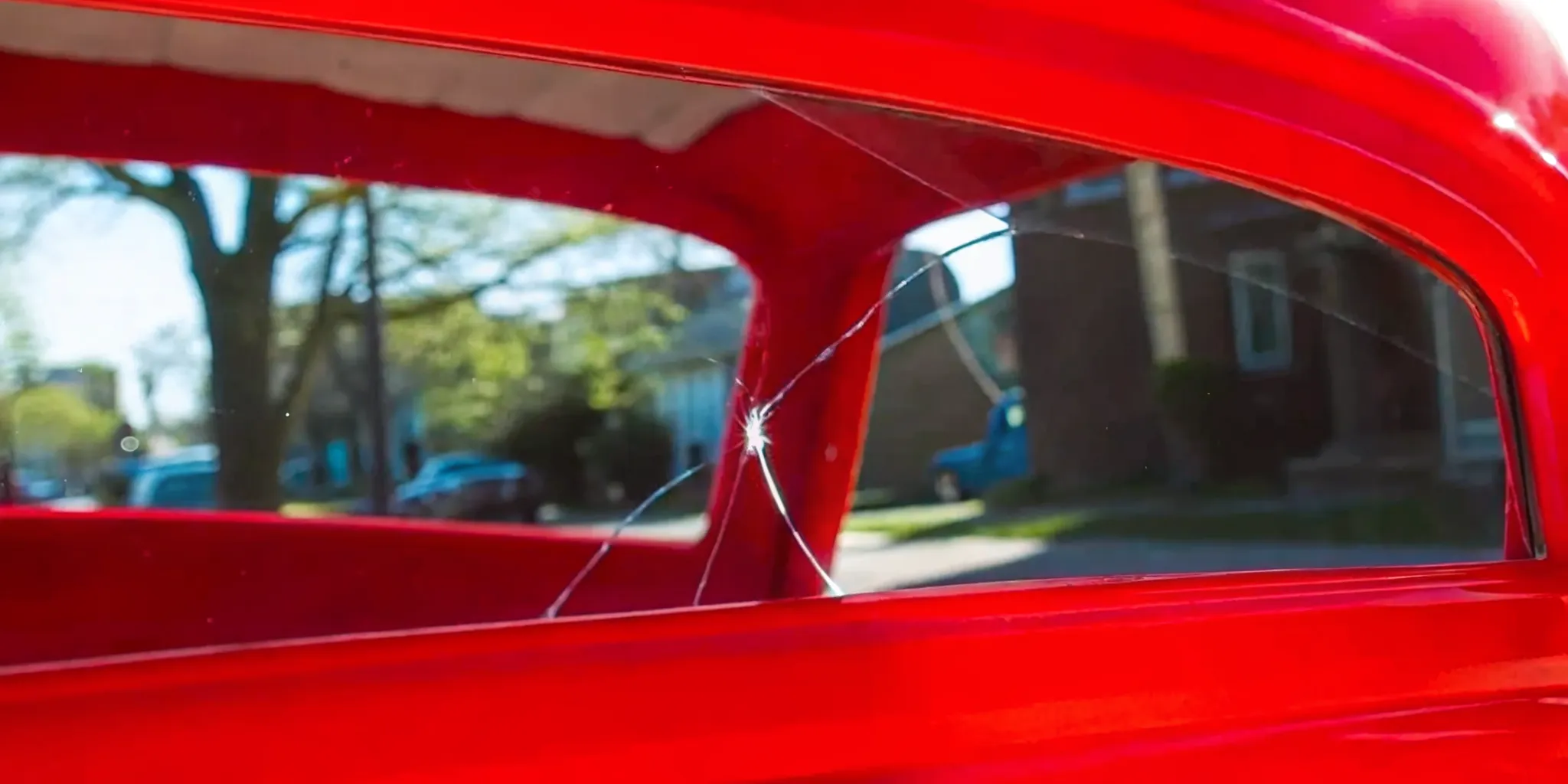
A small chip on your windshield can quickly turn into a costly legal headache for local drivers. State troopers across Kansas and Missouri often stop cars when glass damage blocks a clear view of the road.The cracked windshield laws Kansas and Missouri require that drivers have a clear and open view of the road to keep every driver safe. In Kansas, the law K.S.A. 8-1741 bans driving a car with a damaged front windshield that makes it hard for the driver to see, per the Kansas Office of Revisor of Statutes. Missouri uses similar safety rules by clearly banning cracks or chips directly in front of the driver or any glass damage that stops the wipers from working well. While neither state bans every tiny crack, police can give you a ticket if they think the damage is a safety risk. So it is best to fix chips fast.
Cracked Windshield Laws Kansas And Missouri: Understanding K.S.A. 8-1741: Windshield Laws in Kansas
What is K.S.A. 8-1741?
Kansas law K.S.A. 8-1741 sets the rules for car glass safety. This law does not give a set size for cracks or chips. Instead, it looks at how well you can see through the glass. The law says your windshield must be in good shape. It should not have damage that makes it hard to see the road clearly.
The state wants to make sure all drivers stay safe. A broken windshield can block your view of other cars or people. If a crack gets in the way of your sight, it is against the law. You can find more on state safety goals at the Kansas Department of Transportation site. This helps you see why clear glass is so vital for every trip.
The "Clear View" Rule
Many drivers ask how big a crack can be before they get a ticket. Since there is no set size limit, police use their own judgment. They look to see if the damage "substantially obstructs" your clear view. This means if a crack is in your line of sight, it is likely illegal. Even a small chip can be a problem if it causes a glare or hides a sign.
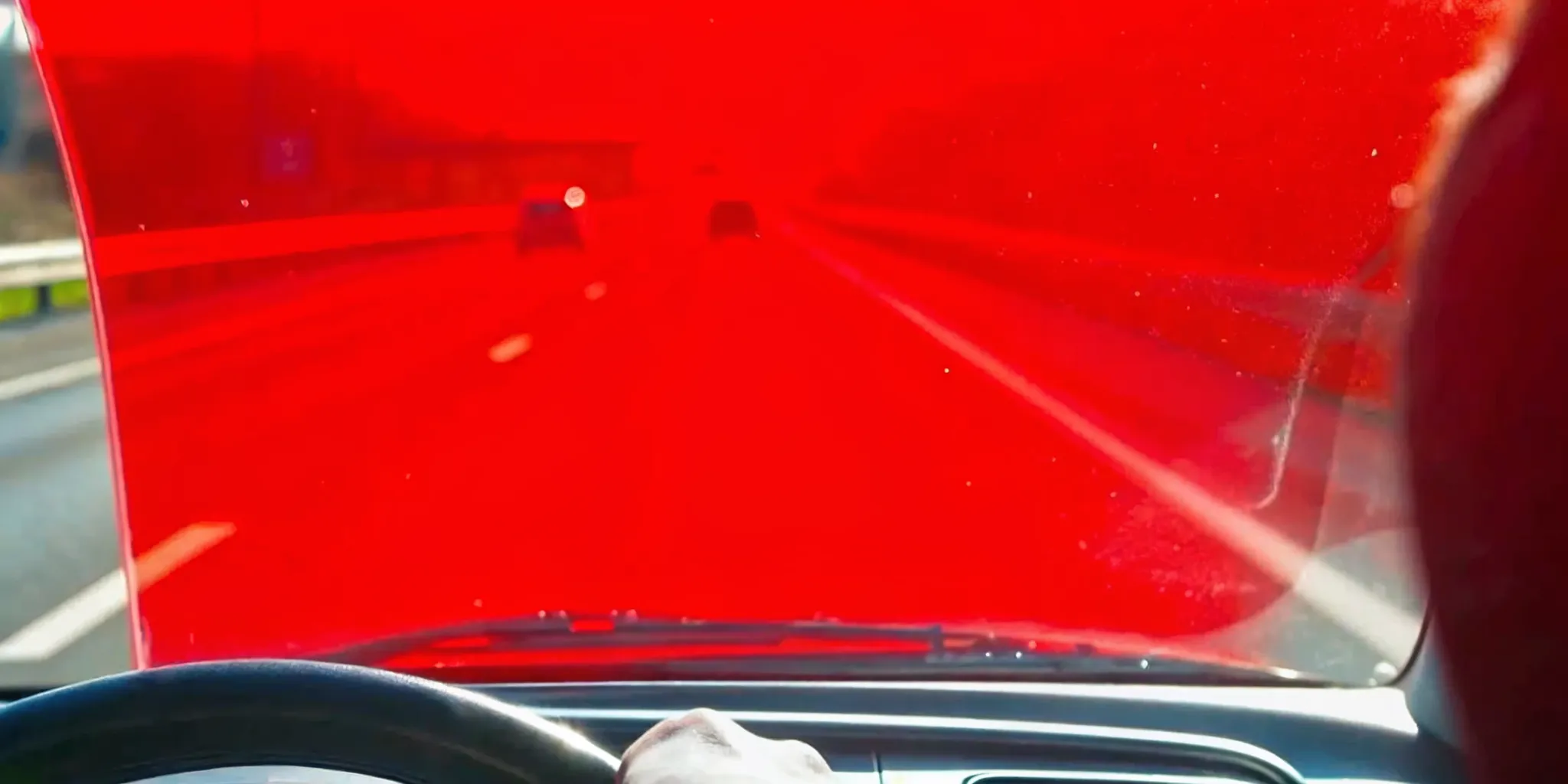
If a police officer sees a crack that looks risky, they have a reason to stop you. This is a legal reason to pull you over. They check if your car is safe to drive. To avoid these stops, you should get a windshield chip repair as soon as you see damage. Fixing a small spot now can save you from a fine later.
Why Crack Spot Matters
The spot where your windshield is cracked is very big for safety. Damage on the passenger side might not be a legal issue at first. But a crack right in front of the driver is a big safety risk. It can hide things in the road or make it hard to tell how far away things are. This is why laws focus on what the driver can see.
Cracks can also grow fast due to Kansas weather. Changes in heat and cold can make a small chip turn into a long line. When this happens, the glass loses its strength. A weak windshield might not protect you well in a crash. Getting expert glass repair helps keep the frame of your car strong.
Risks of Waiting Too Long
Driving with a cracked windshield is more than just a legal risk. It also puts you and your riders in danger. The windshield is part of your car's safety frame. It helps hold up the roof if the car rolls over. If the glass is weak, the roof might cave in more easily. This is a risk no driver should take.
Also, the windshield helps your airbags work. When an airbag opens, it hits the glass to stay in the right spot. A cracked windshield might break from that force. If it breaks, the airbag may not protect you as it should. For your safety, make sure your glass meets state safety standards before you drive.
What Are the Windshield Crack Laws in Missouri?
Missouri state law has strict rules about driving with a cracked windshield. These rules help keep drivers safe on the road. If your glass has too much damage, you might fail a safety test. You could also get a ticket from the police. Knowing the local laws can help you decide when to get a windshield replacement or a simple repair. It is key to stay on top of these issues to avoid fines and keep your car legal.
Most drivers in the Kansas City area travel between Missouri and Kansas often. This means you must follow the rules in both states to stay safe. Missouri is known for its safety tests. These tests ensure that every car on the road is fit for travel. A damaged windshield is one of the most common reasons a car might fail its yearly check. Fixing the glass early is often the best way to save time and money.
The Main Rule: 11 CSR 50-2.270
The main set of rules for vehicle glass in the state is 11 CSR 50-2.270. This law tells inspectors what to look for when they check your car. It looks at the zone where the driver needs to see the most. This is called the "driver's vision area." It includes the part of the glass that the wipers clear during their normal sweep. It also stays at least four inches above the very bottom of the windshield.
If you have a crack in this zone that is longer than three inches, your car will not pass its test. Missouri law views these cracks as a major safety risk. They can block your view of other cars, bikes, or people. Even if the crack is small now, it can grow fast due to heat or cold. You should fix these issues before they become a bigger problem that requires a full replacement.
The vision zone is vital because any distortion there can lead to a crash. A crack can catch the light and create a glare that blinds you for a second. This is why the state is so strict about the three-inch limit. For many drivers, a crack this size is right in their line of sight. Replacing the glass is often the only way to restore a clear and safe view of the road ahead.
Types of Damage and Size Limits
The law does not just look at long cracks. It also covers other types of glass damage that can happen on the road. This includes star breaks, bull's-eyes, and half moons. These often happen when a small rock or bit of road debris hits your car at high speed. For any area outside the main vision zone, the rules are a bit more relaxed. But there are still limits you must follow to stay safe and legal.
- Cracks longer than three inches in the vision area are not allowed.
- Any star break or bull's-eye in the vision area must be fixed right away.
- Damage outside the vision area cannot be more than two inches wide.
- Glass that is broken or has sharp edges is a major safety risk in any spot.
If your car has any of these problems, you need to act fast. Small chips are often easy to fix if you catch them early. You can often repair a chip before it turns into a long crack. This saves you money and helps you follow the cracked windshield laws in Kansas and Missouri. Expert glass teams can help you decide if a repair is enough or if you need a new windshield.
How These Laws Keep You Safe
Missouri's rules exist to protect you and the people in your car. A windshield does more than just block the wind and rain. It helps support the roof of your car if you are ever in a crash. A large crack makes the glass weak and less able to handle the stress of an impact. This can lead to a bad injury if you have a crash. Keeping your glass clear also helps you see risks on the road well.
Most safety tests in Missouri require a clear view through the glass. If an inspector finds a long crack, you will have to fix it to get your tags and stay on the road. By following the rules in 11 CSR 50-2.270, you stay safe and avoid costly fines. Expert teams can help you find out if your glass meets state standards. They can also give you a quote for the work you need to keep your car in top shape.
How is the Driver's Vision Area Defined under Missouri Law?
Missouri laws on car safety are clear about where a crack can be. The most vital part is the "driver's vision area." If you have a crack here, you will fail your state safety test. The state uses strict rules so every car stays safe. Knowing these rules helps you decide if you need a repair or a full windshield replacement.
The Area Above the Four-Inch Line
One first thing a Missouri clerk looks at is the bottom of the glass. The law says the vision area starts four inches from the bottom. Damage in this lower strip is often seen as less of a risk. But if a crack moves above that mark, it enters the zone where it can block your view. This rule ensures that the glass in front of your eyes stays clear.
The four-inch limit exists because small chips near the edge are common. They often come from road salt or rocks. While these chips are a problem, they do not stop you from seeing well. But a crack that moves into the main glass is a new story. These cracks catch the light and make it hard to see at night.
Why Wiper Sweep Matters for Your View
The state also uses your wipers to define the safe vision zone. Under Missouri state rules, the vision area includes the part of the glass that the wipers clear. If your wipers sweep over a crack, it is in the vision zone. This is why it is vital to keep this glass in good shape. A chip in the wiper path can cause your blades to wear out faster.
Keeping the wiper zone clear is about your safety. A crack in the path of your wipers can catch the rubber and cause it to tear. When it rains, a torn blade will not clear the water well. This leads to a blurry view that is dangerous in a storm. If you notice a crack here, look into chip repair soon to avoid a large bill later.
What Leads to a Quick Inspection Failure
Some types of glass damage lead to an instant fail in Missouri. The state does not allow "outright breakage" in the windshield. This means if your glass is missing pieces or has sharp edges, you must fix it. These issues are major risks because they make the glass weak. A weak windshield may not protect you as well if you are ever in an accident.
Sharp edges on a windshield are a risk for anyone near the car. They can cut your hands if you are washing the glass. Also, missing pieces of glass can let water and air into your car. This can damage your dash or cause the glass to fog up. If your windshield has this damage, it is time to call a pro. Following the cracked windshield laws in Kansas and Missouri keeps you safe.
The Safety Hazards: Why Cracked Windshields Are Dangerous
A small chip or crack in your glass is more than a visual problem. Your windshield is a key safety feature that keeps you safe on the road. It does not just block wind and rain. In a serious crash, it gives vital strength to the frame of your car. If the glass is weak, the whole safety system of the car can fail when you need it most.
Role in Vehicle Strength
Most drivers do not know that the windshield is a load-bearing part of the car. According to the Auto Glass Safety Council, the windshield gives up to 60% of the cabin's strength during a vehicle rollover. It helps keep the roof from crushing in on the people inside. In a front-end crash, it still gives up to 45% of that vital cabin strength to protect you.
When you drive with a crack, you lose that support. A damaged piece of glass can shatter or pop out under pressure. This leaves the roof and pillars to take the full force of a crash alone. For families in the Kansas City metro, keeping this glass intact is one of the best ways to stay safe on the road.
Airbag Support and Safety Risks
The windshield also plays a major role in how your airbags work. In many cars, the passenger-side airbag bounces off the glass to stay in the right spot. A cracked windshield may not hold that force. If the glass breaks or fails, the airbag may not work correctly. This increases the risk of harm to your passengers during a wreck.
Beyond airbag support, the glass acts as a wall to keep you inside the car. The Federal Motor Vehicle Safety Standards set rules for how well glass must stay glued to the frame. A weak bond or a deep crack increases the chance of a person being thrown from the car. Professional auto glass repair ensures your glass meets these high safety standards.
Legal Rules in Kansas and Missouri
Safety is the main goal, but there are also legal rules to follow. You must stay aware of the cracked windshield laws Kansas and Missouri drivers face. In Kansas, state law 8-1741 says you cannot drive with a damaged windshield that makes it hard for you to see the road. Missouri rules are even more specific. Cars can fail a check if a crack in the driver's view is longer than three inches.
Police in both states can pull you over if they think your glass is a hazard. A ticket can cost more than a simple fix. Avision Auto Glass helps you avoid these risks with fast, mobile work that comes to your home or office. We make sure your car is both legal and safe so you can drive with peace of mind.
What Are the Tickets, Fines, and Inspection Requirements for Cracked Windshields?
Driving with a cracked windshield in the Kansas City metro can lead to different legal outcomes based on which side of the state line you are on. Kansas and Missouri have distinct ways of handling vehicle safety and road rules. While Missouri uses a formal check system to catch glass damage, Kansas relies more on highway patrol stops to find safety risks. You can get a free mobile quote from us to see how cheap a fix can be compared to a ticket.
Missouri safety inspection rules
In Missouri, many drivers must pass a safety check to renew their plates or transfer a title. Under RSMo 307.350, cars older than ten years or with over 150,000 miles need this check. If your glass has a crack over three inches long in the wiper path, it will fail the test. Failing means you must fix the glass and pay for a new check before you can legally drive.
Kansas road enforcement
Kansas does not have a safety check for most cars, but the police are very active. Under K.S.A. 8-1741, a police officer can pull you over if they believe a crack blocks your view. This rule gives officers the power to decide if your car is safe. A ticket for a cracked windshield often starts with a fine and a need to show you fixed the glass to clear the case.
| Requirement. | Kansas Rules. | Missouri Rules. |
|---|---|---|
| Mandatory Check. | No (Patrol stops only). | Yes (Older cars). |
| Vision Area Limit. | Officer's choice. | No cracks over 3 inches. |
| Base Fine Range. | About $45. | Up to $750. |
| Testing Fee. | N/A. | Up to $12. |
Fines and legal costs
The cost of a ticket varies by city. In Kansas, the base fine for a glass violation is about $45, but court fees can double that cost. Missouri treats these cases as a class C misdemeanor under RSMo 307.390. While most fines are lower, the law allows for a fine of up to $750. Fixing the glass early is always better than paying fees and missing work for court dates. We offer windshield repair in Kansas City to help you stay legal and safe.
Should You Choose Windshield Repair or Full Replacement?
Deciding between a quick fix and a new glass unit can feel tough. A small chip might seem minor, but it can grow fast if you ignore it. Our family-owned shop helps Kansas City drivers find the best path for their safety and budget. We look at the size, type, and spot of the damage to give you a clear answer.
Check the size of the damage
Size is often the main factor in our choice. Most small chips or bull's-eyes are easy to fix if they are smaller than a quarter. We can also mend cracks that are shorter than six inches. If a crack is longer than a dollar bill, the glass is usually too weak to save. In these cases, a full windshield replacement is the safest way to go.
Look at where the crack sits
The spot of the break matters as much as the size. If a chip is in the driver's line of sight, we often suggest a new windshield. Repairs can leave a small blur that might distract you while you drive. Also, cracks that touch the outer edge of the glass can spread quickly. These edge cracks hurt the strength of the car frame, so we usually replace the unit to keep you safe.
Know the local driving laws
Safety rules in our area are strict about glass damage. Under Kansas state law, you cannot drive if a crack impairs your clear view of the road. Missouri has similar rules to keep everyone safe. If your glass has major damage, you could face a fine or fail a safety check. Following cracked windshield laws Kansas and Missouri helps you avoid these risks.
- Inspect the damage: Use a coin or a dollar bill to measure the size of the mark.
- Check for view blocks: See if the damage sits right in front of your eyes when you sit in the driver's seat.
- Look for edge damage: Check if any cracks reach the very edge of the windshield frame.
- Get a free quote: Contact us for windshield repair advice and a same-day price.
- Book your mobile help: Pick a time for our licensed team to fix your glass at your home or work.
Many insurance plans cover the cost of a fix with no deductible. This makes a repair a smart choice that saves you money. Our team can help you talk to your provider to see if you qualify. By acting fast, you can keep a small chip from turning into a big bill. We offer mobile help across the metro area to make the process easy for you.
Frequently Asked Questions
Can you drive with a cracked windshield in Kansas?
You may drive with a cracked windshield in Kansas as long as the damage does not block your view of the road. According to Kansas Statute 8-1741, it is illegal to operate a vehicle if the glass substantially impairs the driver's clear view. Police can stop you if they believe a crack makes driving unsafe. It is best to fix small chips before they grow into large cracks that lead to a ticket.
Will a cracked windshield fail a Missouri safety inspection?
Yes, a cracked windshield will often fail a Missouri safety inspection if the damage is in the driver's vision area. Under Missouri Code 11 CSR 50-2.270, inspectors must reject vehicles with cracks, chips, or breaks that interfere with the driver's sight. This zone includes the path of the wiper blades. To pass your inspection and stay legal, you should have an expert repair or replace the glass if any cracks exist in this critical spot.
Does insurance cover windshield replacement in Kansas and Missouri?
Windshield replacement is typically covered in Kansas and Missouri if you have comprehensive insurance on your policy. Many plans offer full coverage for glass repair with no out-of-pocket cost. However, a full replacement may require you to pay your deductible first. Because laws in both states allow police to pull you over for vision blocks. Checking your policy for glass coverage is a smart way to avoid fines and keep your car safe on the road.
Can a small windshield chip turn into a large crack?
A small chip can quickly turn into a large crack due to temperature shifts or road bumps. In the Kansas City area, extreme heat and cold put stress on the glass, causing it to expand and contract. This movement makes existing damage spread across the entire windshield. Fixing a chip early is much cheaper than a full replacement. Repairing damage also ensures you stay compliant with local laws that prohibit driving with a blocked view of the highway.
Ready to get your windshield fixed today?
Driving with a cracked windshield puts you and others at risk on the road. A small chip can quickly spread and make your car unsafe to drive in Kansas City. Do not wait for a ticket or a total break to deal with your auto glass. Our mobile team can visit you at home or work to solve the problem fast. We help you stay safe and follow the law in both Kansas and Missouri. You can save time and money by fixing a small chip before it becomes a huge crack that needs new glass. Our expert team brings the right tools to your door so you do not have to drive a broken car across town. Get peace of mind with our lifetime warranty on all our work.
Ready to request your free same-day quote? Call (816) 616-5773 to get your mobile glass repair done today.
