
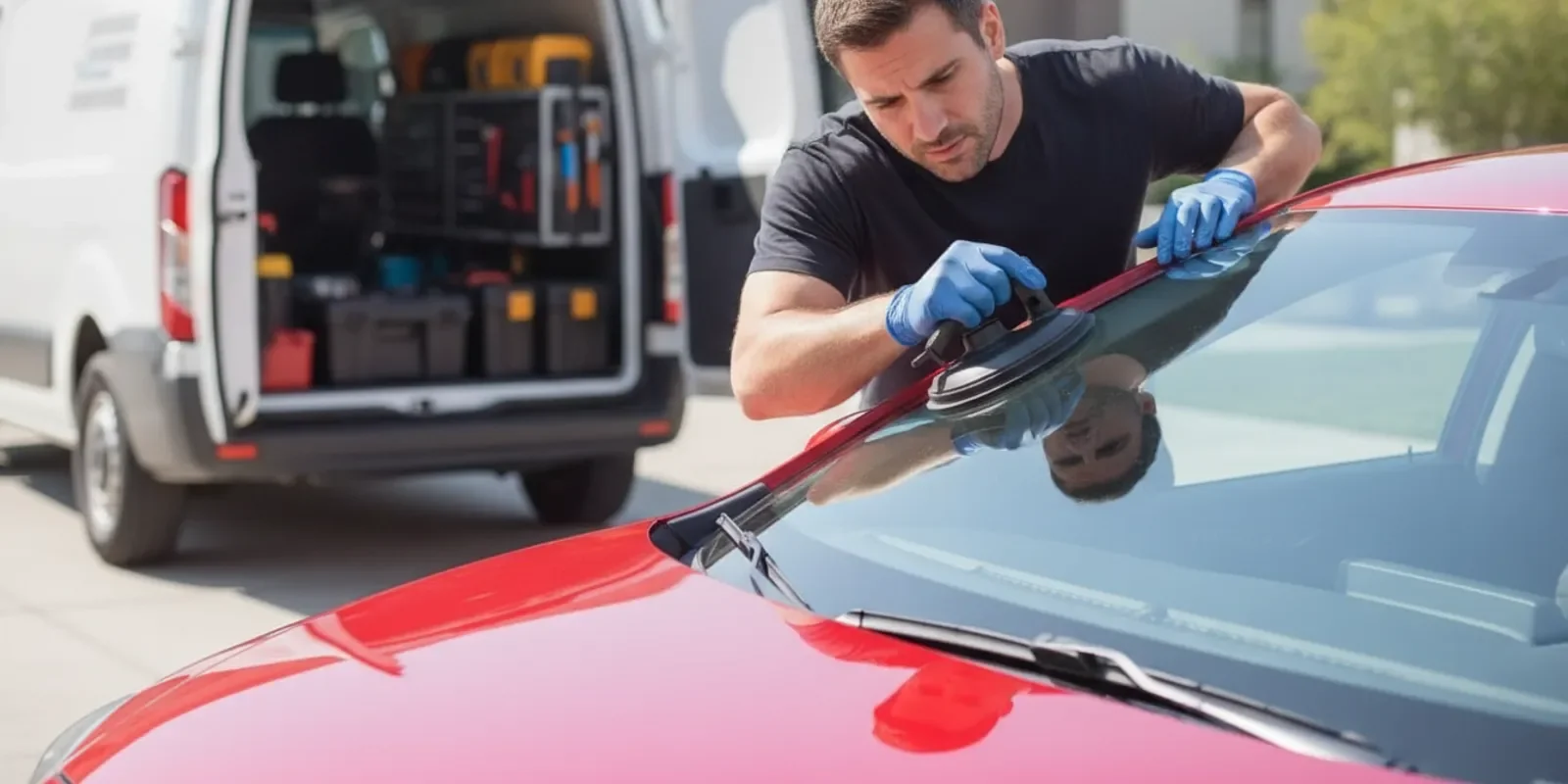
Back glass replacement may be needed when a rear window is shattered, missing, or too damaged to remain secure. Rear glass is different from a windshield: many rear windows use tempered glass, which may break into many small pieces, and the pane can include a defroster grid or other vehicle-specific features. An assessment helps clarify the right service for your vehicle.
What damage can make back glass replacement necessary?
When rear glass is shattered, missing, or no longer secure, replacement is commonly the next step to discuss. The service decision depends on the condition of the pane, vehicle design, and features incorporated into the glass. Do not assume a rear window can be treated like a small windshield chip.
Look at the window from a safe distance. Note whether the pane is fully broken, whether pieces remain in the frame, whether a crack crosses the glass, and whether anything is loose. Avoid pressing on the remaining glass or testing its stability. A technician can inspect the damage and confirm the appropriate work. Avision’s auto glass repair and replacement information provides an overview of its service offerings.
- Shattered or missing pane: A broken rear window generally cannot function as an intact barrier, and replacement is typically needed.
- Cracks or impact damage: The location, size, and stability matter. Have the condition assessed rather than pushing on the pane.
- Loose glass around the frame: Movement may create a hazard and expose the cabin. Keep people away from fragments.
- Possible feature damage: Tell the provider if the rear defroster or another glass feature appears affected.
Why should you address a broken rear window promptly?
A compromised rear window can expose the cabin, leave dangerous shards, and affect visibility. Rain, dust, and road debris can enter through an opening. Loose fragments may also remain on seats, in the cargo area, or around the vehicle. The National Highway Traffic Safety Administration’s vehicle safety information offers general guidance, but it cannot determine whether a specific damaged vehicle is safe to drive.
If the opening or damaged glass blocks your view, or if pieces are unstable, do not drive the vehicle. Arrange assistance and follow applicable safety requirements. Keep children and pets away from the vehicle, and avoid handling fragments. If it is safe and practical, park in a sheltered, secure location while arranging service.
A temporary cover may help limit exposure while the vehicle is stationary, but it must not create a driving hazard or block a driver’s view if the vehicle is moved. Do not tape over loose glass, press on the frame, or attempt to remove pieces lodged in trim. When uncertain, leave the vehicle parked and ask the service provider how best to protect it until an assessment.
How does rear glass differ from a windshield?
Many rear windows use tempered glass, while windshields are generally laminated. Their construction and function differ, so the repair decision for one is not automatically the same as for the other. Rear glass can also have a defroster grid, antenna, or other features that should be matched to the vehicle.
When you ask for an estimate, share the year, make, and model. If you know the trim or options, include those too. Mention a rear defroster or antenna, and say if you are unsure. A clear photo of the full rear window and close views of damage may help explain the situation, but photos do not replace an assessment.
For a wider overview, consult Avision’s auto glass service options and its service information. Ask directly whether the proposed back glass is suitable for your specific vehicle and includes the features it requires.
What should you do immediately after the window breaks?
First protect people from fragments, then decide whether the vehicle can be moved, and arrange an assessment. A consistent response can reduce injury risks and help prevent additional interior exposure.
- Keep people clear. Move passengers away from the rear seat and cargo area. Keep children and pets outside the area where fragments may have fallen.
- Assess whether it is safe to move. Check from outside whether the damage obstructs the view or loose material could fall. If visibility or stability is uncertain, do not drive; arrange assistance.
- Choose a secure place. If the vehicle is already safely parked, leave it there. If it can be moved without creating a hazard, choose a sheltered and secure location.
- Limit exposure without touching glass. Keep rain and debris in mind, but do not handle fragments or push on the frame. Ask the provider for practical protection advice.
- Document the condition. Take photos from a safe distance, including the entire window, visible damage, and any affected defroster lines.
- Record vehicle information. Write down year, make, model, trim if known, location, and the date or circumstances of the damage.
- Request guidance. Explain whether the opening is covered, whether glass remains loose, and whether the vehicle is parked indoors or outside.
What details help a provider identify the correct glass?
The more precise the vehicle description, the easier it is to discuss the matching part and service plan. Two vehicles with the same model name may have different trims, options, or glass features. If you cannot identify the trim, do not guess; share the details you do know and ask what else is needed.
- Vehicle year, make, and model.
- Trim or package, if known.
- Whether the rear window has defroster lines, an antenna, or another visible feature.
- Whether the glass is completely missing, cracked, or partly retained in the frame.
- Where the vehicle is parked and whether there is safe access around it.
- Photos showing the full rear window and close details, taken without touching the glass.
Explain any circumstances that may affect access. For example, a low-clearance garage, narrow parking stall, or restricted work area may matter when confirming a mobile appointment. Avision provides mobile auto glass service in the Kansas City area; its service area information can help you check coverage. Drivers can also review local pages for Overland Park and Olathe.
How can you prepare for a replacement appointment?
Before the visit, clear loose belongings from the trunk and rear seating area only if you can do so without contacting fragments. Tell the provider if broken pieces are inside the cabin, whether the vehicle has a rear defroster, and whether damage followed a collision. Describe access limitations and confirm where the vehicle will be located.
It is useful to confirm the appointment plan in plain terms. Ask what work is included, whether the correct glass and features have been identified, what you should move, and whether there are instructions to follow after service. Do not assume that every vehicle or installation has identical timing or post-service requirements; ask for guidance specific to the work planned.
Use this checklist when arranging service:
- Confirm the year, make, model, and trim or options used to identify the glass.
- Ask whether the estimate accounts for the rear-window features present on your vehicle.
- Explain the amount and location of loose glass so cleanup needs can be discussed.
- Ask what belongings, if any, should be moved before the technician arrives.
- Confirm the service location, access, timing, and any preparation needed.
- Ask what post-service instructions apply and request warranty terms in writing.
For local scheduling in Lee’s Summit, consult the relevant service information and confirm availability directly. Avision’s contact page is the place to request a quote or ask about the next step.
How should you compare estimates?
Compare the stated work and included details, not just the headline amount. A useful estimate should identify the vehicle and explain what glass and service are being proposed. If a point is unclear, ask for clarification before approving work.
Pricing can vary with vehicle specifications, glass features, availability, and service needs. An estimate for another model may not be a meaningful comparison. Ask whether the quoted glass matches the defroster or other features, whether mobile service is included, how loose fragments will be handled, and what workmanship coverage applies.
Write down the answers so you can compare like with like. One estimate may describe only the glass, while another may include additional handling or service details. Ask each provider to explain any exclusions, assumptions, or possible changes if the vehicle details differ from those initially supplied. Avision’s replacement service page discusses replacement work generally; confirm the exact rear-glass scope for your vehicle directly.
A simple comparison record can keep the conversation clear:
- Vehicle match: Are year, make, model, and trim noted correctly?
- Glass specification: Are the defroster and other known features accounted for?
- Work scope: Is the estimate for replacement, and does it state what handling is included?
- Scheduling: Is the service location accessible, and what timing is proposed?
- Coverage: What workmanship warranty applies, and where are its terms written?
- Open questions: Are exclusions, availability, or possible additional work explained?
What should fleet operators consider?
A broken rear window can affect cargo protection, vehicle visibility, and the availability of a work vehicle. Fleet managers can make the request easier to coordinate by sharing the unit number, vehicle year and model, parking location, and whether the vehicle can be safely taken out of service. If several vehicles need attention, identify each one separately rather than sending a single general description.
Before scheduling, consider how the vehicle will be secured while waiting, whether equipment or cargo needs to be moved, and who can provide access at the service location. Keep a record of the damage photos, estimate, approval, appointment details, and any after-service instructions alongside the vehicle’s maintenance records. Avision offers fleet auto glass service; contact the team to discuss the specific vehicle and scheduling needs.
For a fleet with recurring glass work, a consistent intake process can help avoid missing details. Ask drivers to report the unit number, location, damage, vehicle options, and immediate safety concerns. A coordinator can then confirm whether the vehicle should remain parked, collect photos from a safe distance, and keep the estimate and approval associated with the correct unit. These simple records make it easier to track which vehicle is awaiting service and what arrangements have been made.
Which questions should you ask before approving the work?
Clear questions help prevent assumptions about the glass, scope, and appointment. You do not need technical terminology; describe what you can see and ask for the plan in everyday language.
- Have you identified the correct glass for my year, make, model, and trim?
- Does the proposed replacement account for the rear defroster or any other feature?
- What is included in the estimate, and what could change it?
- How will the vehicle be protected while work is being completed?
- What should I do with belongings or loose items before the appointment?
- What should I expect after installation, and are there instructions I should follow?
- What workmanship coverage applies, and can I review the terms in writing?
Good answers should be specific to your vehicle and the proposed work. If a response is unclear, ask the provider to restate it before you authorize service. Keep a copy of the estimate and appointment details so you can refer back to what was agreed.
Request a quote or call (913) 314-5720
Talk with Avision about your rear glass
Frequently asked questions
Can shattered back glass be repaired?
When rear glass is shattered, replacement is generally needed because the pane cannot be restored as a single intact window. A provider can assess the vehicle and confirm the appropriate service.
Can I drive with a broken rear window?
It depends on visibility, loose glass, and whether the vehicle can be operated safely. If damage blocks your view or glass is unstable, do not drive it. Arrange assistance and follow applicable safety requirements.
Does rear glass have a defroster?
Many vehicles have rear-window defroster lines, but equipment varies. Tell the provider your vehicle details and mention the feature so the replacement can be matched appropriately.
Can mobile service be performed at my location?
Avision Auto Glass provides mobile service in the Kansas City area. Share your location and vehicle information to confirm coverage and appointment details.
What information should I have ready for a quote?
Share the vehicle year, make, model, your location, a brief description of the damage, and any rear-window features you know about. Photos can help explain the condition, although an assessment may still be needed.
Promptly arranging an assessment and sharing accurate vehicle details can help you get a clear plan for restoring the rear window and protecting your vehicle.
